
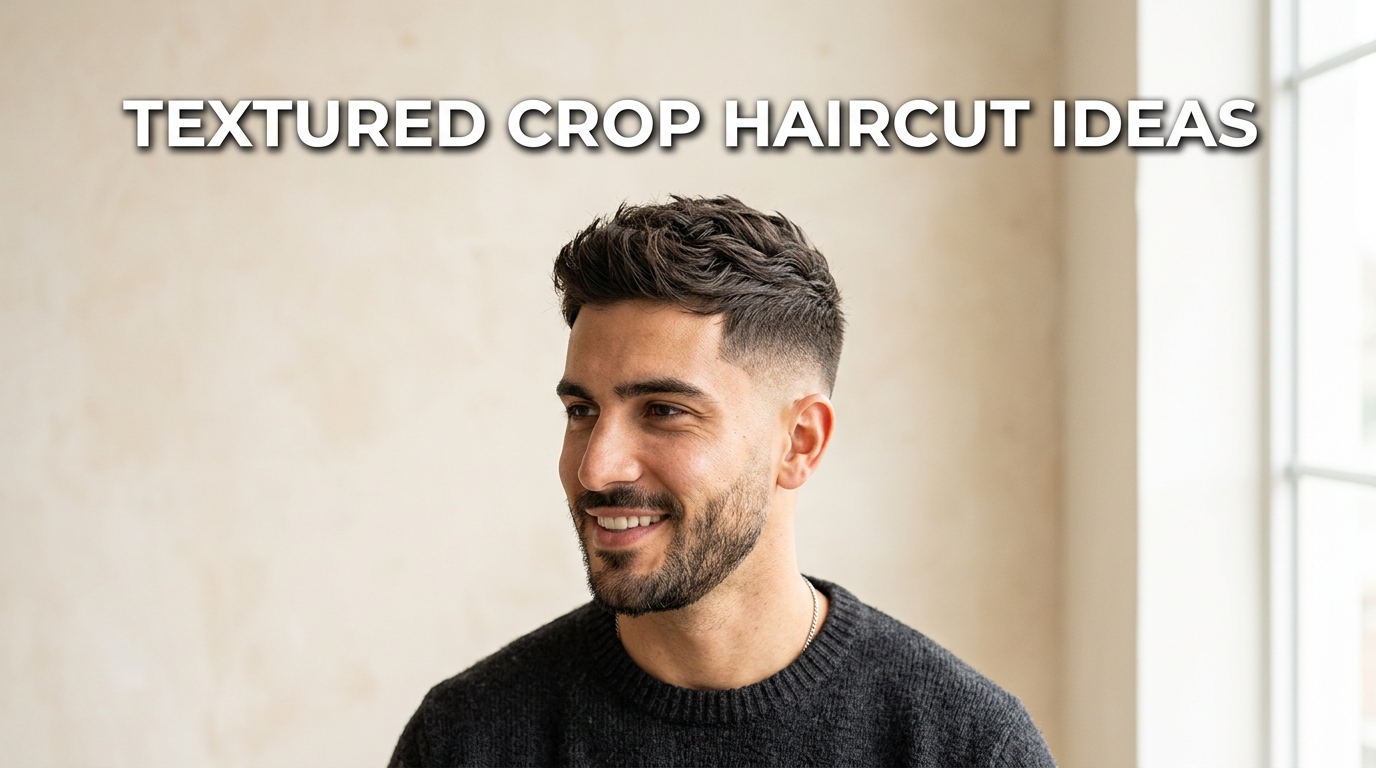
10 Textured Crop Haircut Ideas for Men That Work With Real Hair
Textured crop haircut ideas are everywhere on Pinterest, but most guys still walk out of the barbershop disappointed, not because the cut is bad, but because nobody explained what actually makes it work with their hair type. A textured crop looks effortless in photos and takes real technique to pull off in person. The length on top, the amount of product, even how your hair dries all change the result.
This list breaks down ten angles on the textured crop fade men keep coming back to, whether your hair is thick, curly, thinning, or just plain stubborn. Each one covers a specific situation instead of general styling advice you’ve already heard.
If you’ve tried this cut before and it grew out weird or never sat right, one of these ten reasons is probably why.
Textured Crop Fade Men
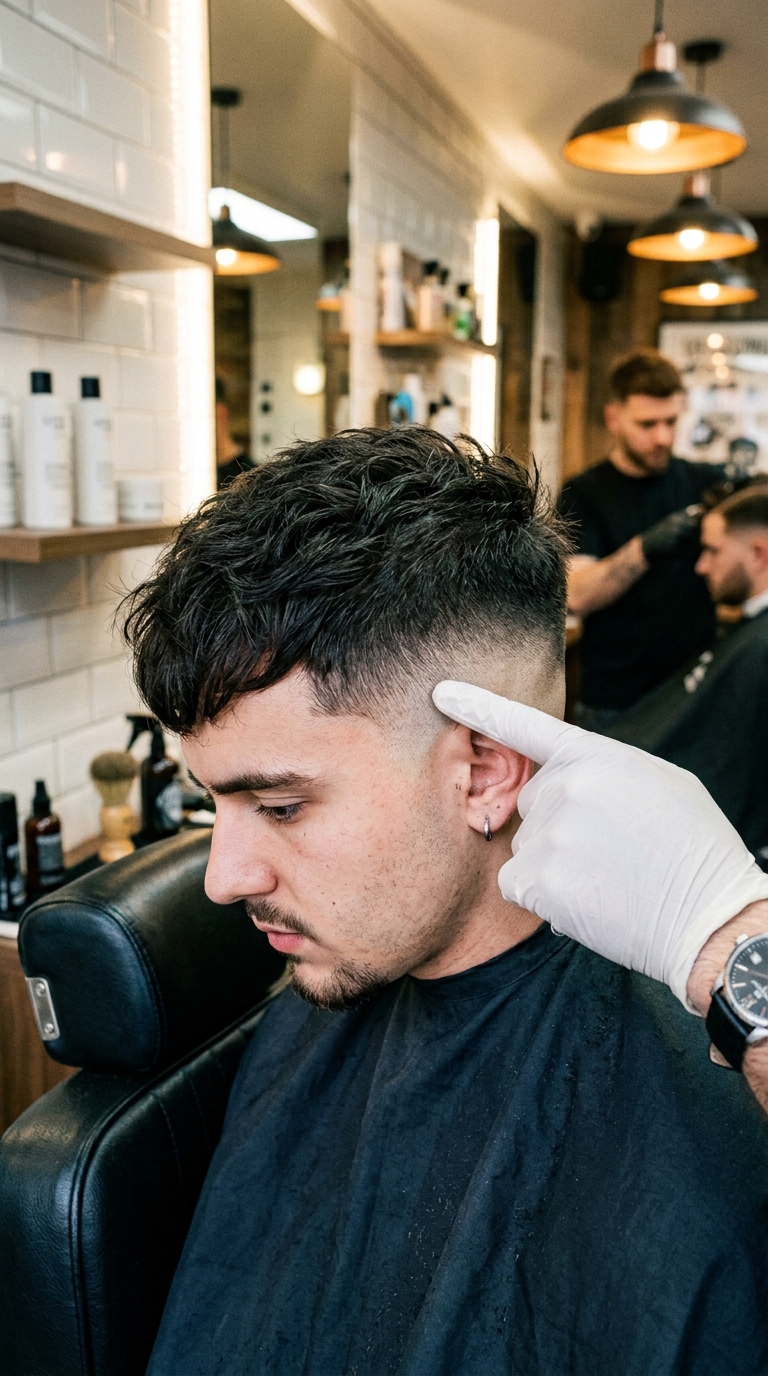
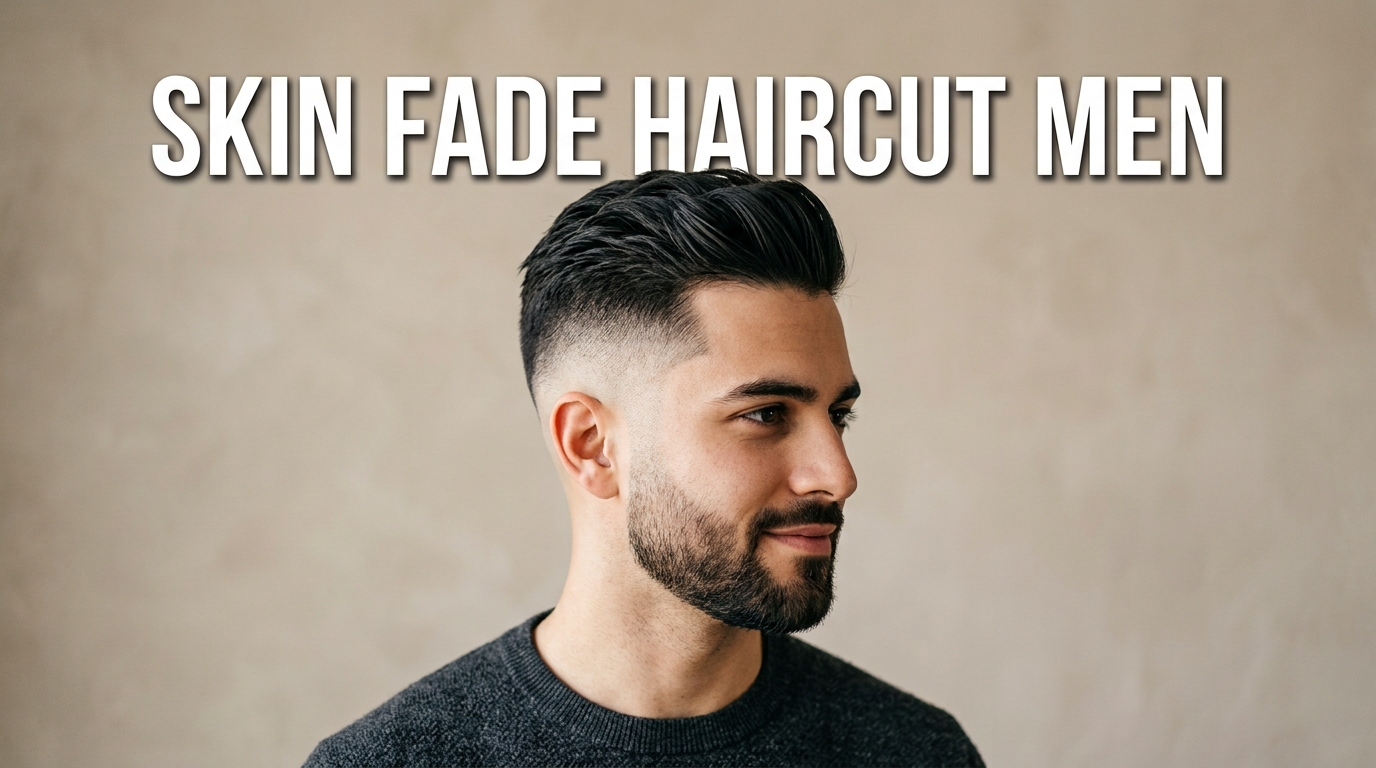
Barbers hear “just a textured crop” all day and every one of them interprets it differently. Being specific about the fade height and the top length gets you a much more consistent result, especially if you’re switching barbers or shops.
- Say the fade type first: skin fade, low fade, or mid fade
- Give the top length in fingers or millimeters, not just “not too short”
- Ask for the crown left slightly longer than the sides so the texture has somewhere to move
Bring a photo too, but say the words out loud. Barbers work faster off spoken specifics than a phone screen.
Low Fade Textured Crop
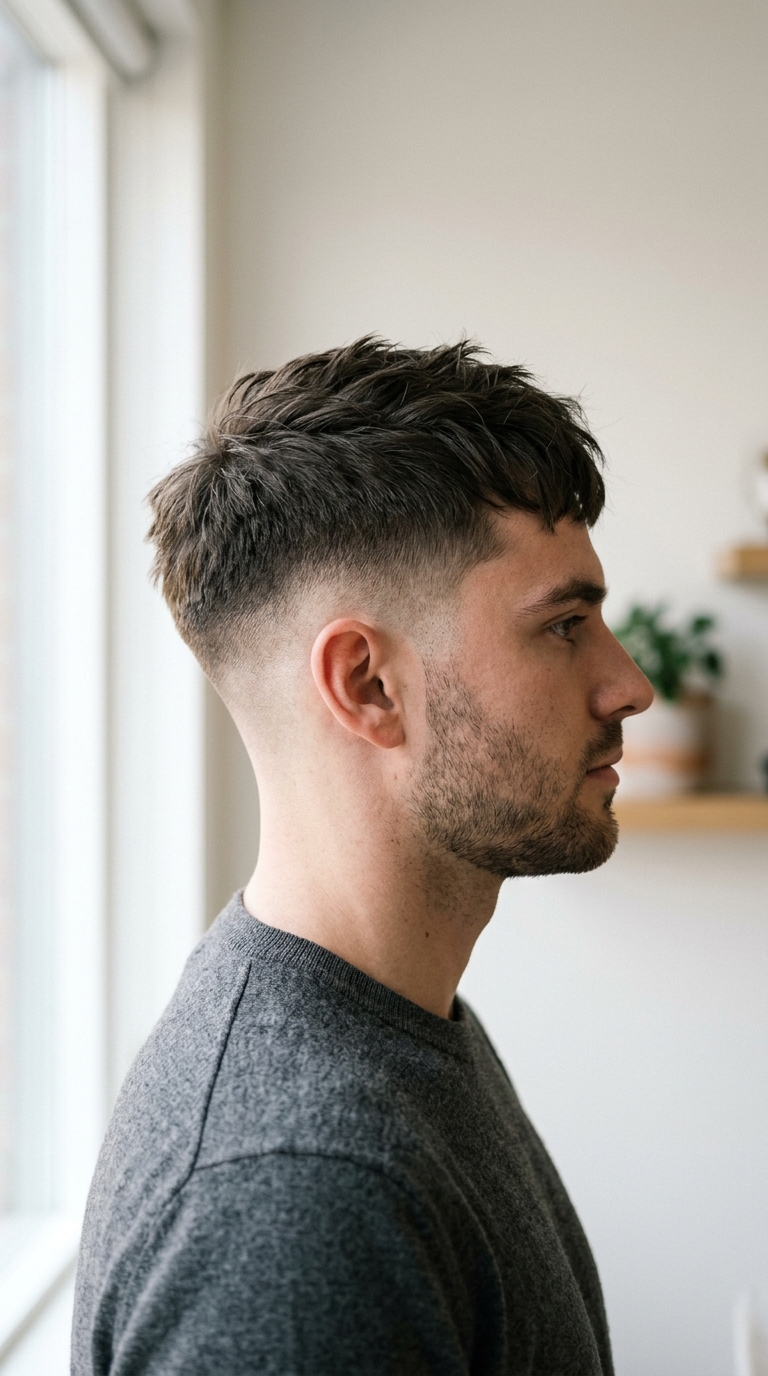
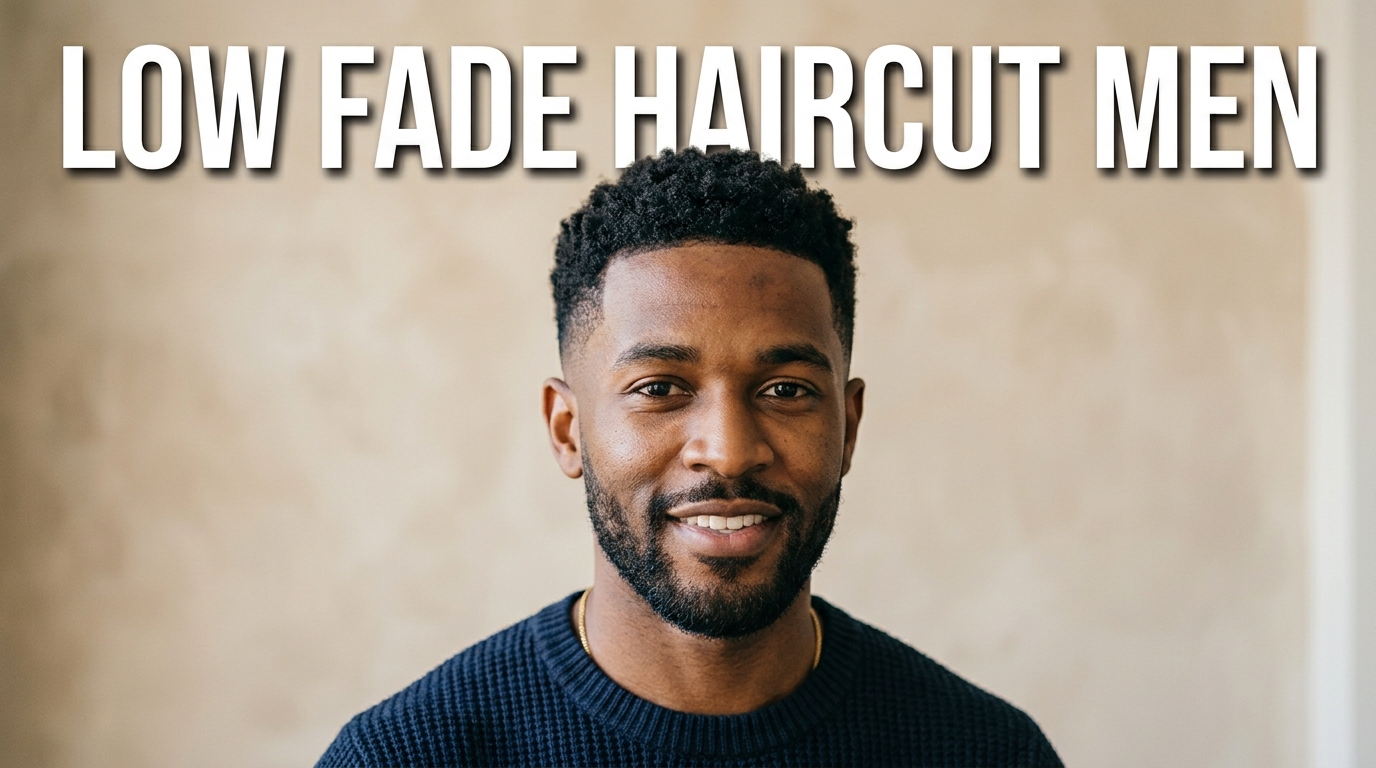
A low fade keeps the taper close to the ear and neckline instead of climbing up toward the temple, which makes it the safer starting point if you’ve never had a fade before. It’s subtle enough for office jobs and conservative dress codes, but still sharp enough to read as a real haircut, not just short hair.
Ask for the fade line to start about an inch above the ear, not higher. That inch makes the difference between a low fade and something that reads as mid fade once it grows out a week or two.
Textured Crop Curly Hair Men
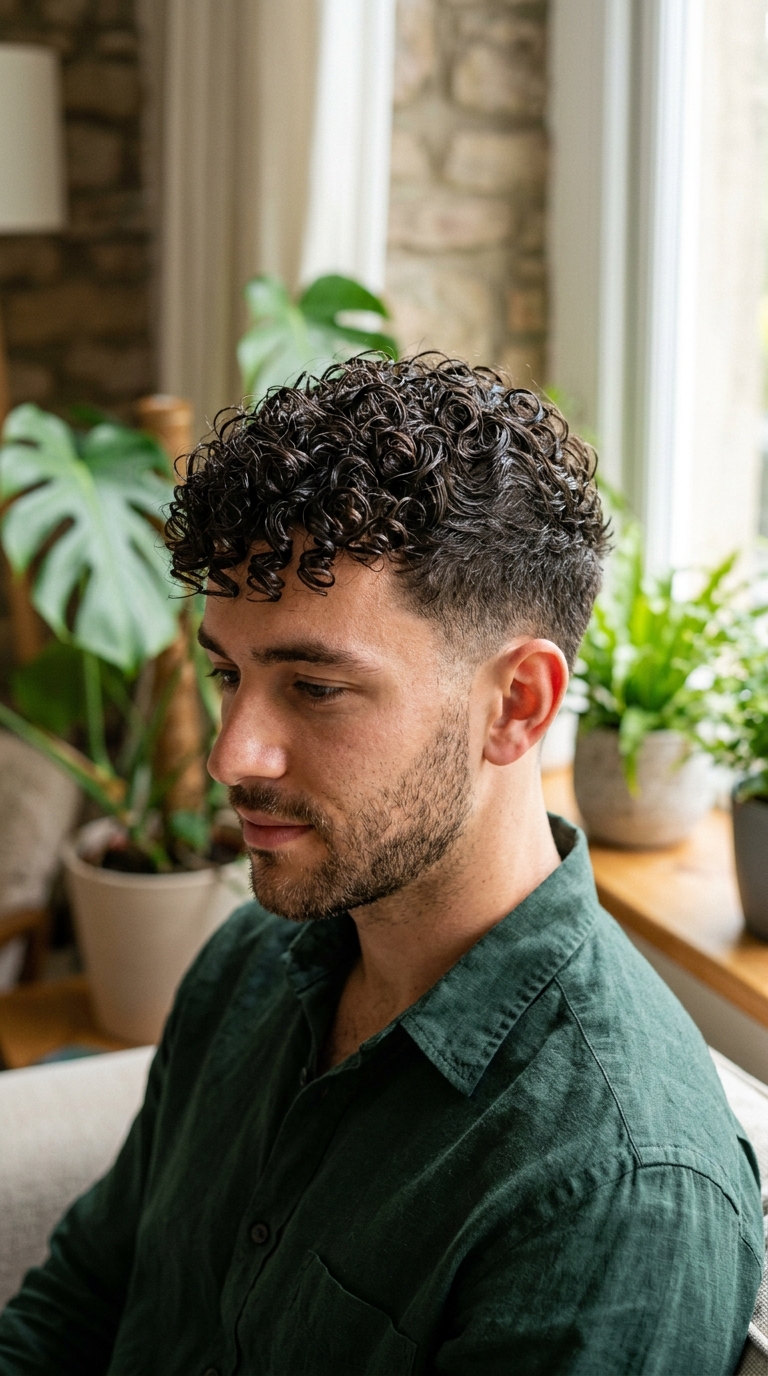
Curly hair holds texture on its own, so the usual heavy product routine that straight hair needs will just weigh curls down and kill the shape. The crop still works on curls, it just needs a lighter hand everywhere, from the scissor work to the styling cream.
Skip the razor on top entirely and ask for scissor-only texturizing, since razors can fray curl patterns and cause frizz. Curls also need more length retained on top, usually 2 to 3 inches, so the curl has room to form instead of getting cut off mid-spiral.
Do: use a light curl cream and diffuse on low heat
Skip: heavy pomades and flat-ironing the top section
Textured Crop Haircut For Thin Hair
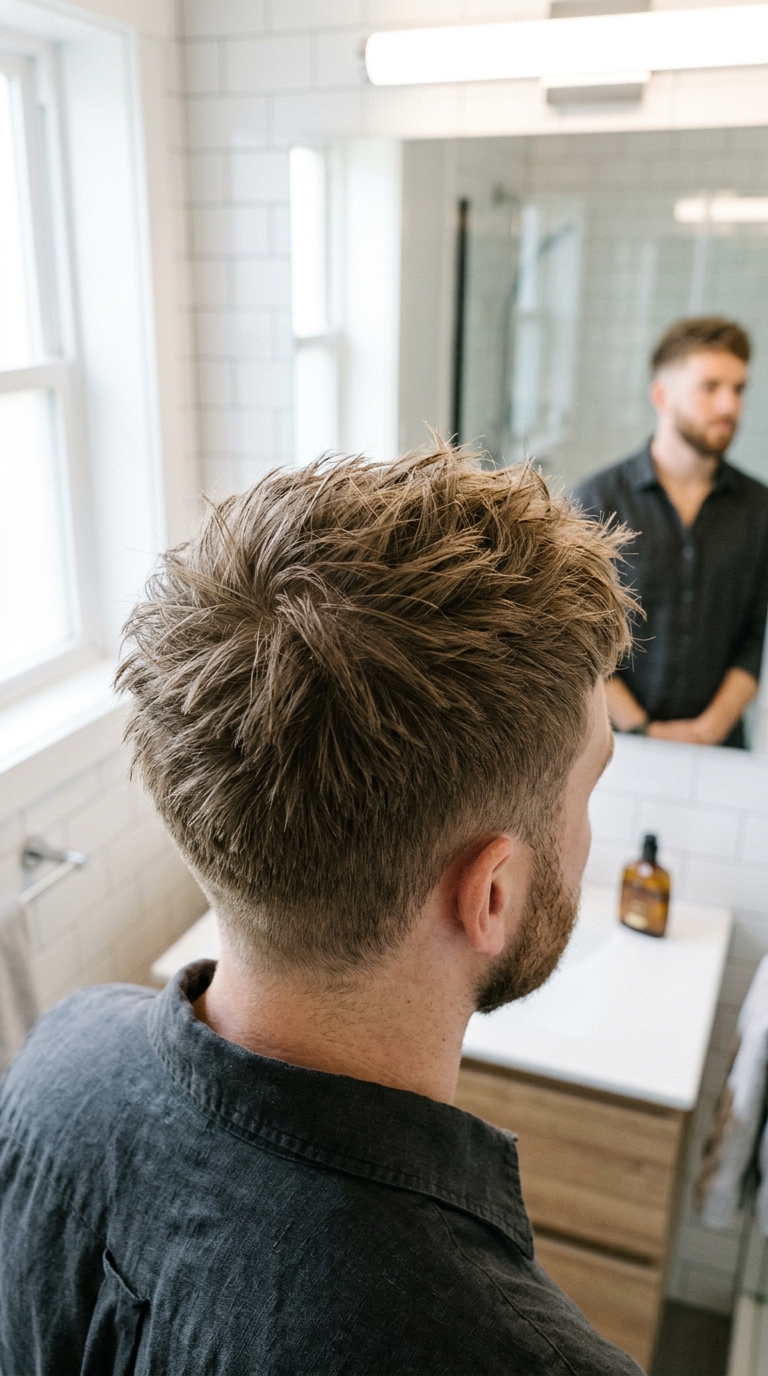
Thin hair is one of the main reasons guys avoid short cuts altogether, but a textured crop actually camouflages thinning spots better than longer styles do. The trick is direction. Hair cut and styled in a slightly circular pattern around thinner areas creates the illusion of density that a flat, one-direction comb never gives.
Quick Tip: Ask your barber to point-cut any thin patches specifically, rather than clippering them uniform with the rest of the top. This leaves varied lengths that stand up and cast small shadows, which reads as thicker hair from a normal viewing distance.
Messy Textured Crop Haircut
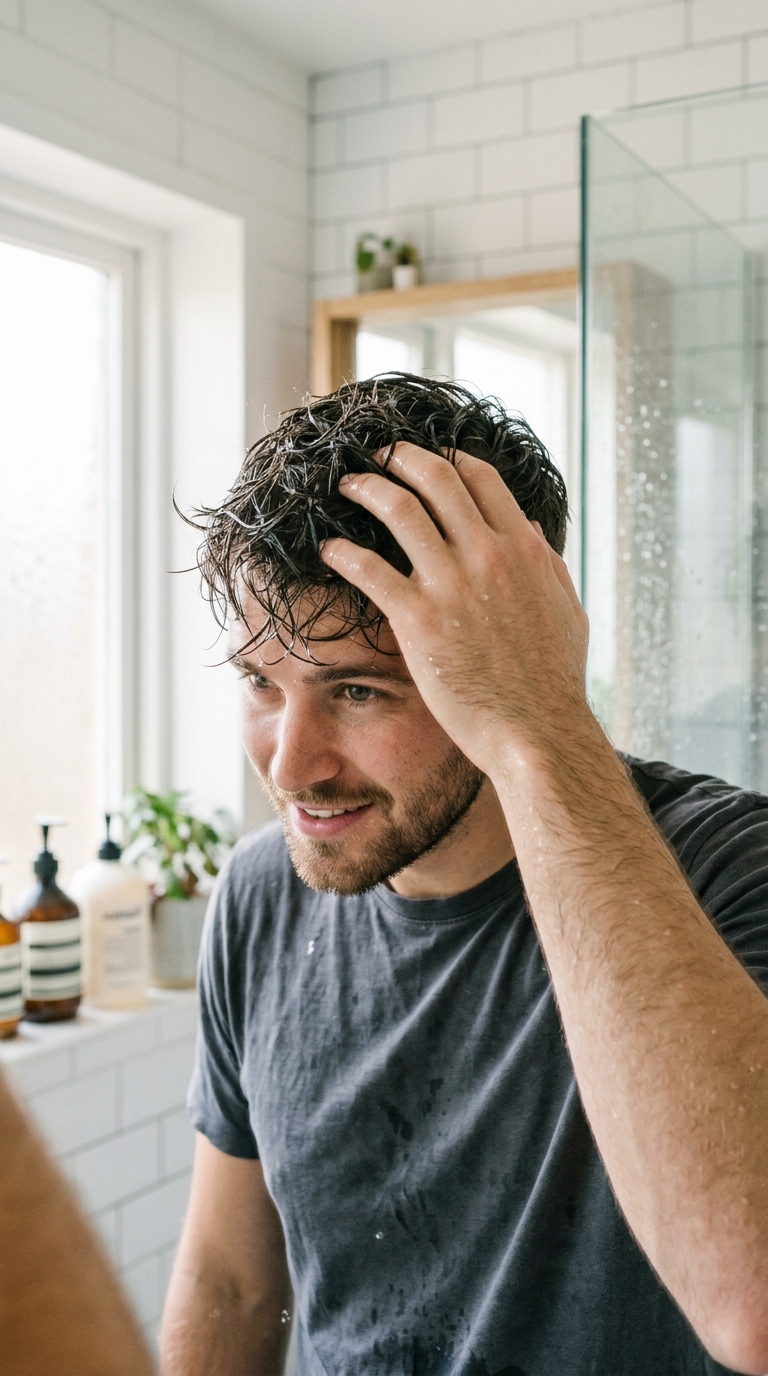
The messy version isn’t a lazier cut, it’s usually a more deliberate one underneath. A properly cut crop has enough natural texture and directional flow that fingers alone can shape it into that just-got-out-of-bed look without a comb ever touching it.
Right after a shower, run fingers through damp hair in the direction you want it to fall, then let it air dry without touching it again. No comb, no heat. The texture from the cut does the actual work, this method just avoids undoing it. Works best on naturally wavy or coarse hair.
Textured Crop Vs Buzz Cut
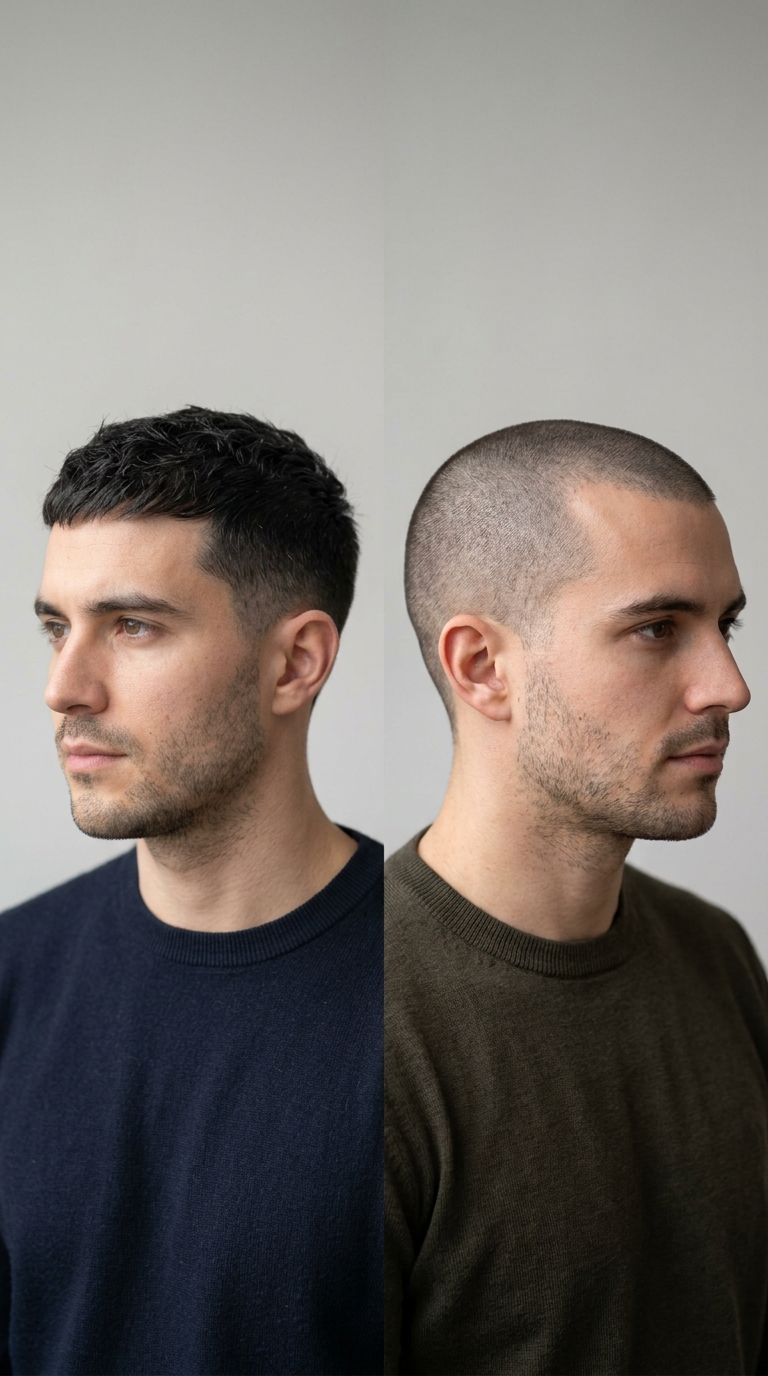
Both cuts are low maintenance, but they read completely differently depending on face shape, and picking wrong is why some guys switch back and forth every few months without settling.
| Textured Crop | Buzz Cut |
|---|---|
| Adds visual height, good for round or square faces | Best on oval or long faces, keeps things streamlined |
| Softens a strong jawline with fringe movement | Sharpens the jawline, nothing to soften it |
| Needs some daily styling effort | Zero styling, wash and go |
If you’re not sure which one you have, the crop is the more forgiving choice while you figure it out.
Textured Crop With Beard
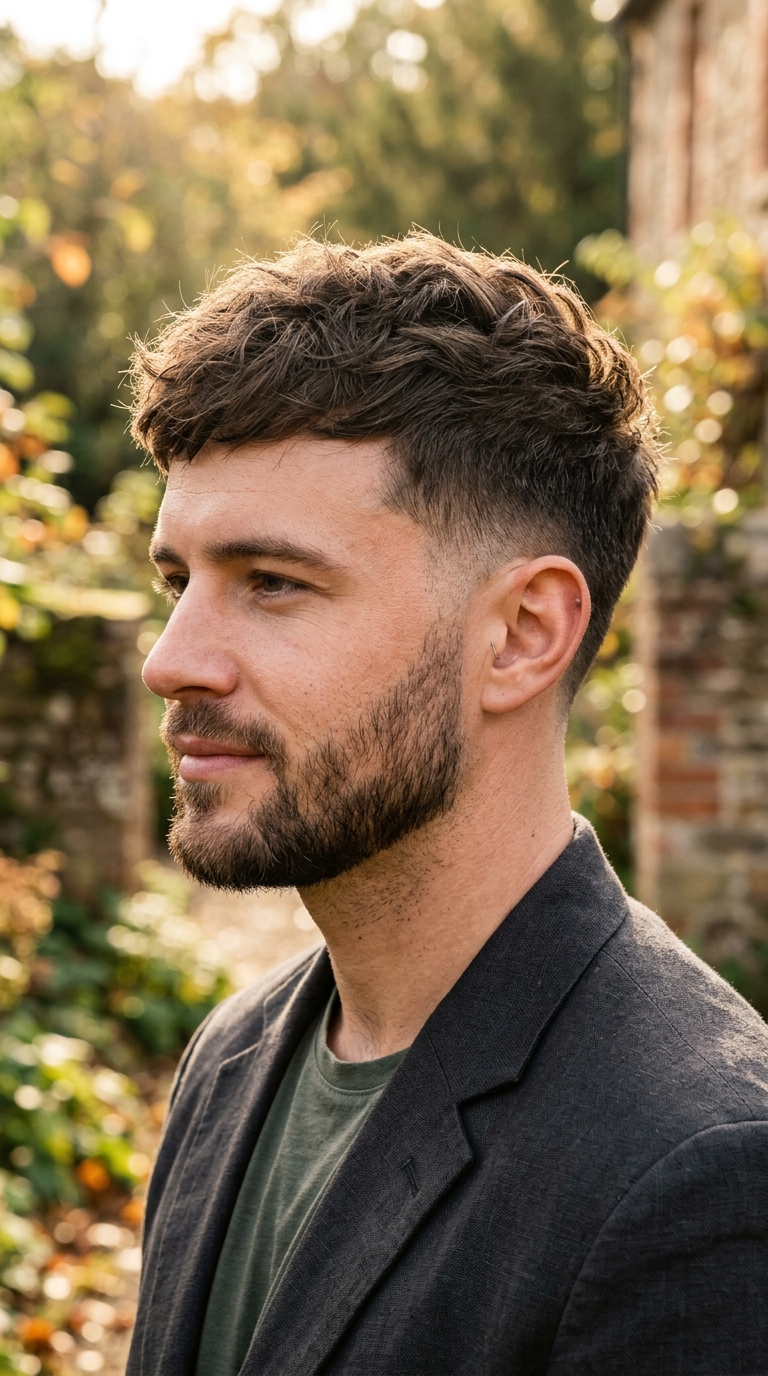
The beard and the crop need to balance each other, or one ends up looking like an afterthought. A short, tight crop next to a long, full beard usually looks unfinished on top, while a longer, messier crop can carry more beard weight without looking unbalanced.
Best paired with: stubble to short beard, crop stays the star
Balance point: medium beard needs slightly longer crop length
Watch out for: full long beard plus very short crop, reads as mismatched proportions
Textured Crop Haircut Round Face

Round faces benefit from height more than width, and the textured crop is built for exactly that. The fringe pushed up and slightly forward pulls the eye upward, which visually elongates the face instead of adding more roundness on the sides.
Keep the sides tight through a low or mid fade, and avoid letting the top flop sideways, since sideways volume adds width you don’t want. A fringe with some lift, even just an inch, does more for a round face than length ever will.
How To Style Textured Crop
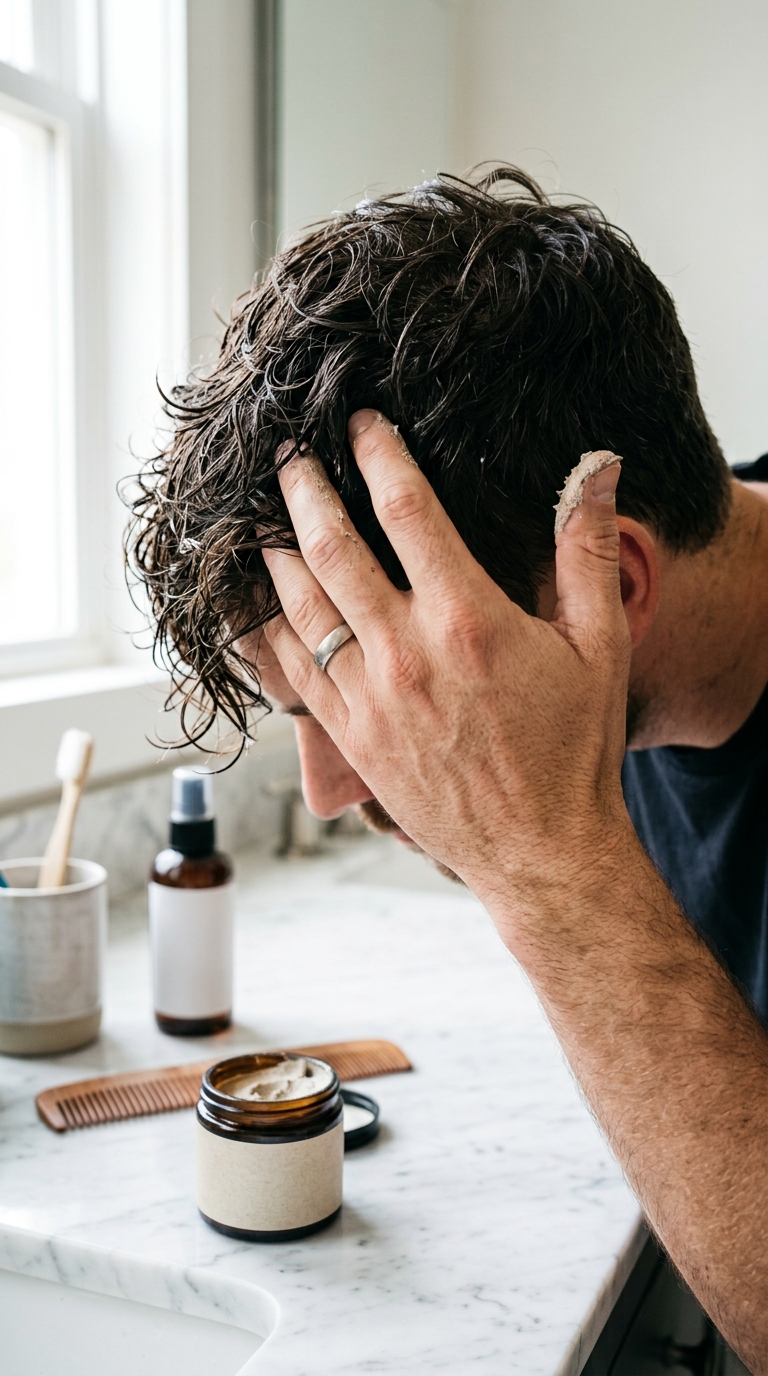
Grease is almost always a product problem, not a hair problem. Most guys reach for a shine-heavy pomade because that’s what’s marketed for short cuts, but pomade on a textured crop reads as wet and heavy within a couple of hours.
- Rough-dry hair with fingers for about 90 seconds
- Work in a pea-sized amount of matte clay, not pomade
- Push texture up and forward from the back of the head
The whole process should take under five minutes once the cut is right, and it should never leave hair looking wet.
Textured Crop Haircut Growing Out
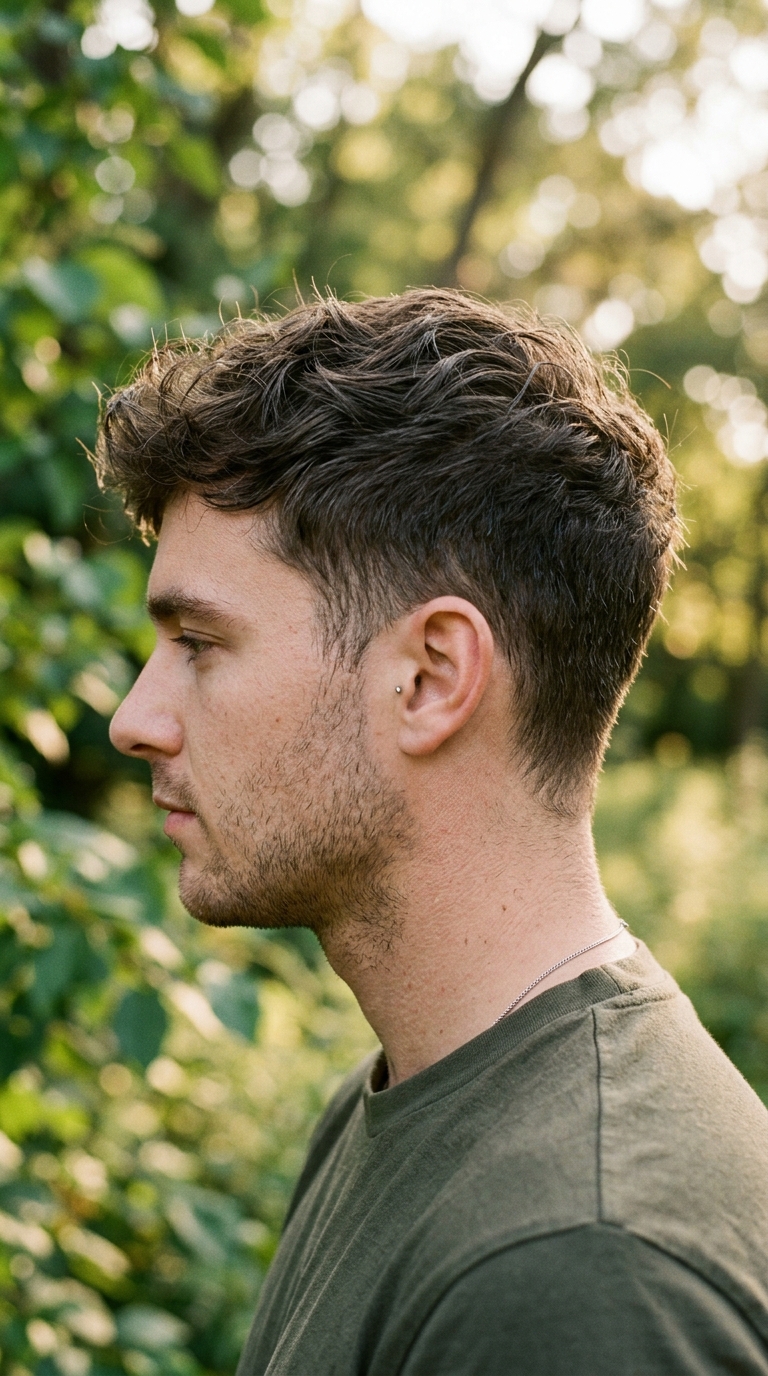
Growing out a textured crop without it turning into an awkward mullet phase takes some planning at each haircut, not just skipping appointments and hoping for the best.
What to tell your barber at each visit:
- Trim the sides shorter than the top every time, keeping the contrast
- Leave the top length alone once it hits your target length
- Blend the back neckline instead of leaving a hard line as it grows
- Ask for a fringe trim only, not a full top cut, past month three
Following this keeps the shape recognizable the whole way through instead of just at the start and end.
FAQs
How long does a textured crop fade last before it needs a trim?
Most guys are back in the chair every 3 to 4 weeks. The fade grows out faster than the top does, so the sides start looking shaggy well before the crop itself loses its shape.
Can I do a textured crop fade at home?
The top texturizing is doable with practice, but the fade blending is the hard part. A slightly uneven fade is way more noticeable than uneven length on top, so most guys still get the fade done professionally even if they trim the top themselves between visits.
Does a textured crop work with fine hair?
Yes, but fine hair needs shorter top length than thick hair to hold texture. Anything past 2.5 inches on fine hair tends to flop instead of standing up, no matter how much product goes in.
What’s the difference between a textured crop and a French crop?
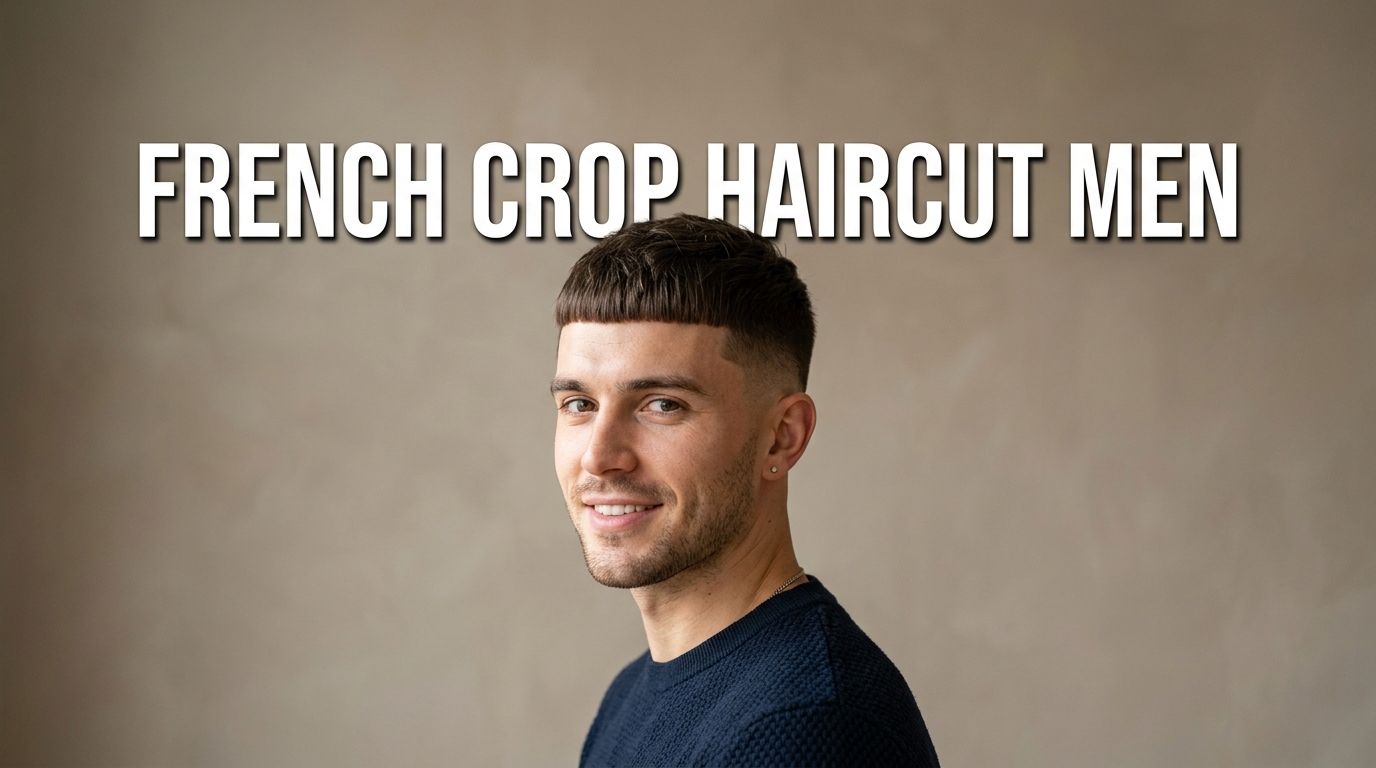
A French crop keeps a straighter, blunter fringe with less movement, while a textured crop has choppier, more varied lengths throughout the top. Both use similar fade heights underneath.
Will a textured crop fade work if I have a receding hairline?
It can, depending on where the recession is. A slightly longer fringe pushed forward often covers early recession at the temples better than a very short crop does. Ask your barber to check the hairline shape before committing to a shorter top length.
Conclusion
These textured crop haircut ideas only look effortless when the cut, the products, and the daily five minutes are all working together instead of against each other. Most of what makes it fail isn’t the style itself, it’s a mismatch between hair type, face shape, or fade choice and how the barber or the routine treats it. Whether you’re dealing with curls, thinning spots, a growing beard, or just want something low maintenance, there’s a version of this cut built for it.
Bring the specifics to your next appointment instead of a vague request, and the result holds a lot better between visits.
Save this list so you’ve got it handy before your next haircut.
One Comment