
10 Low Fade Haircut Men Ideas That Actually Hold Their Shape
Low fade haircut men keep asking for by name, but most walk out of the chair with a fade that looks either too sharp for their face or too soft to notice. A low fade sits close to the ear and neckline, which makes it more forgiving than a high fade, but it still needs the right details to look intentional instead of accidental.
This list breaks down ten situations where a low fade haircut works differently depending on hair type, face shape, and how much upkeep you actually want to deal with between visits.
If your last low fade grew out patchy or never looked as clean as the photo you brought in, one of these ten reasons is probably why.
Low Fade Haircut Men
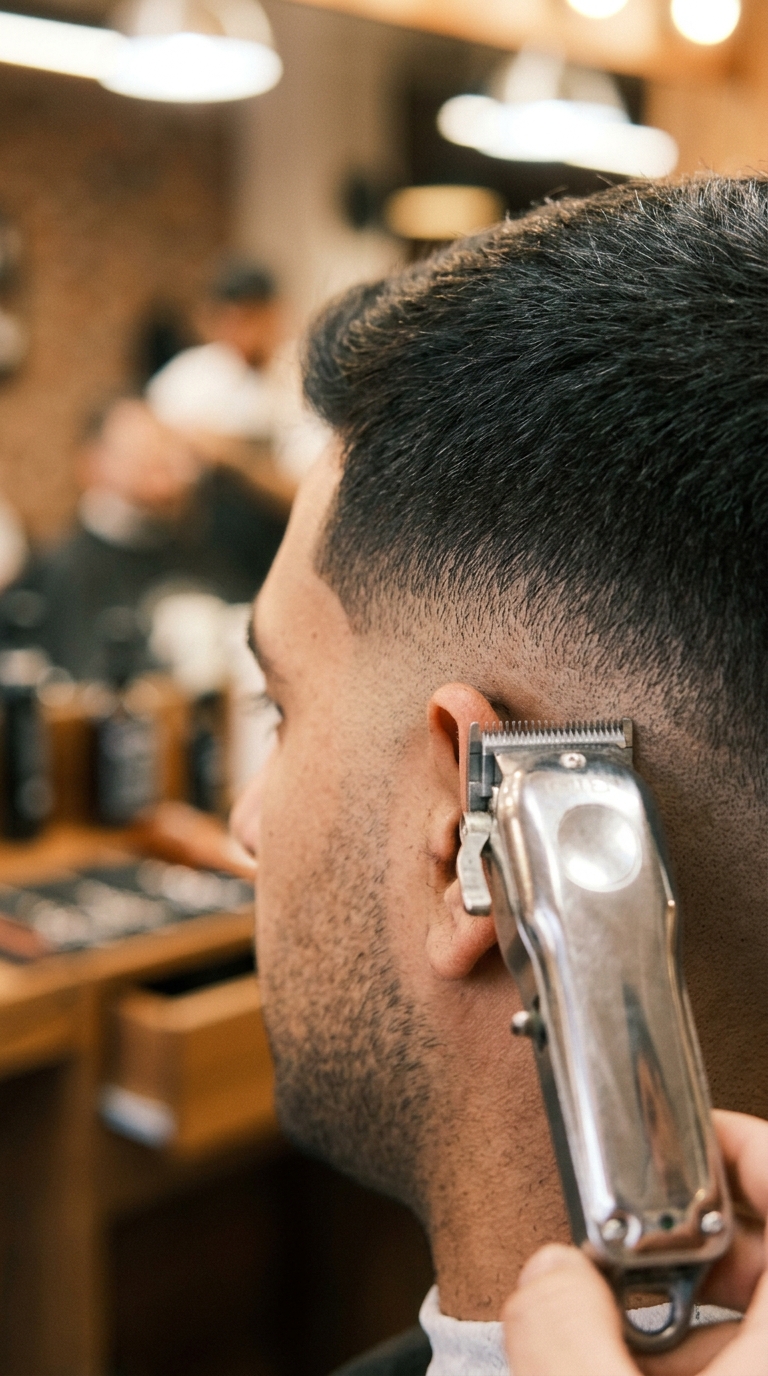
A low fade starts about an inch above the ear and tapers down to the skin at the neckline, staying close and subtle instead of climbing up toward the temple. It reads as professional and low key, which is why it works in office settings where a high fade might feel like too much.
- Ask for the fade to start no higher than an inch above the ear
- Confirm skin fade or fade to a guard, not just “low fade”
- Request the top left long enough to style, at least 2 inches
Say the starting height out loud, since “low” means different things to different barbers.
High Fade Vs Low Fade
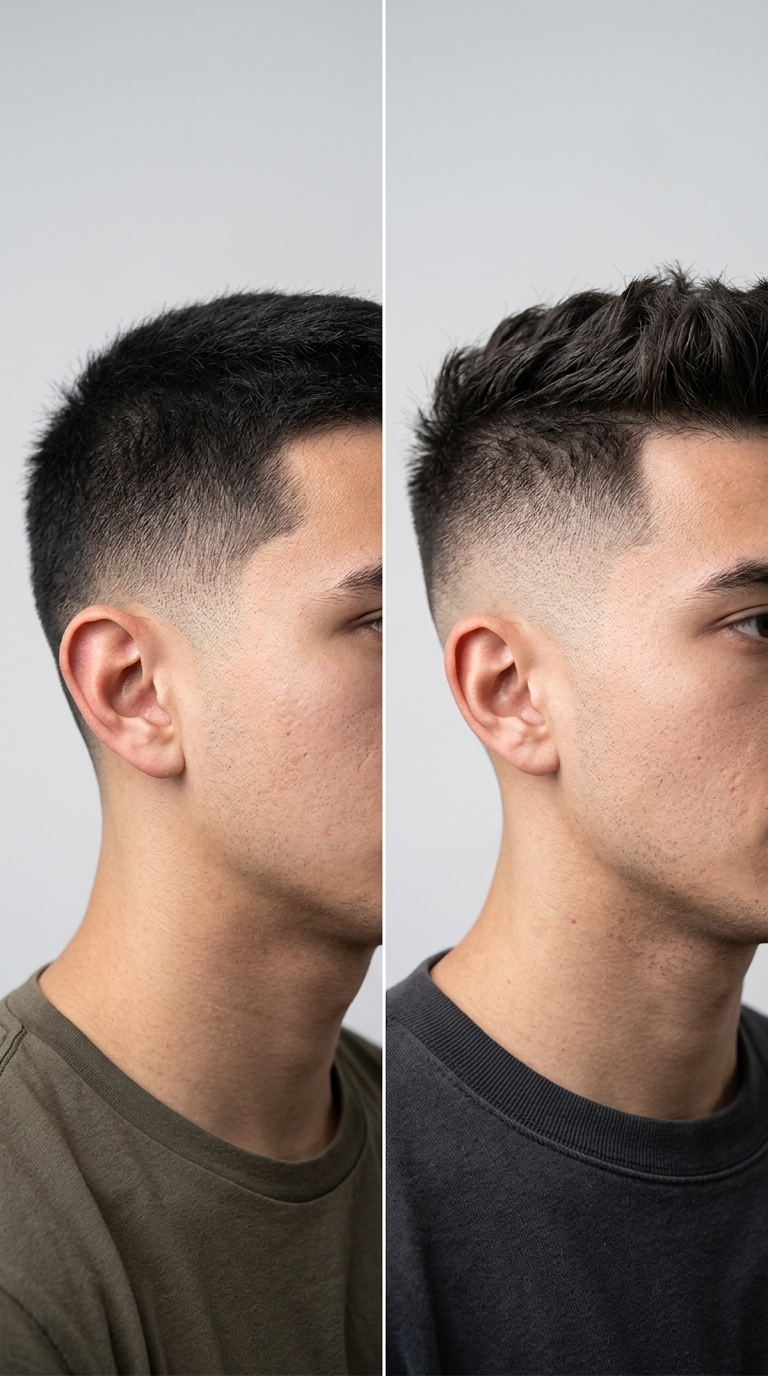
The difference between these two comes down to how much contrast you want between your top and sides. A high fade climbs up past the temple and creates a sharp, noticeable line, while a low fade stays close to the ear and blends much more gradually into the top length.
| Low Fade | High Fade |
|---|---|
| Subtle, works for conservative dress codes | Bold, more noticeable contrast |
| Grows out slower looking | Needs trims every 2 to 3 weeks |
| Suits most face shapes | Best on longer or oval faces |
If you’re unsure which to pick, the low fade is the safer first try.
Low Fade Haircut Curly Hair
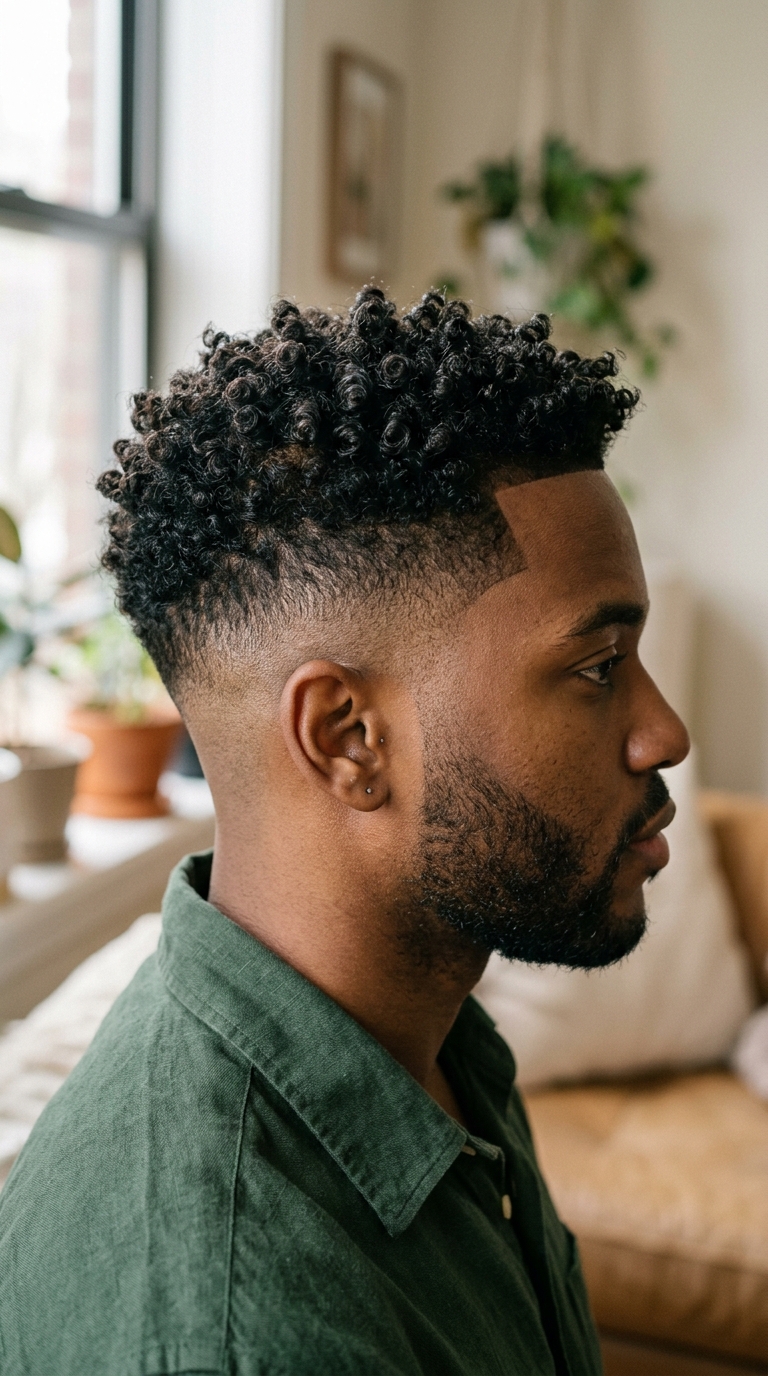
Curly hair holds its own shape once it’s above the fade line, so the fade itself needs to be cut clean and tight to contrast properly against the curl on top. A sloppy fade line disappears next to curls, which is why precision matters more here than on straight hair.
Ask your barber to define the fade edge with a straight razor rather than just clippers, since that crisp line is what separates the fade from the curl visually. Keep curls at 3 inches or more on top so the pattern has room to actually form.
Low Fade Haircut For Thin Hair
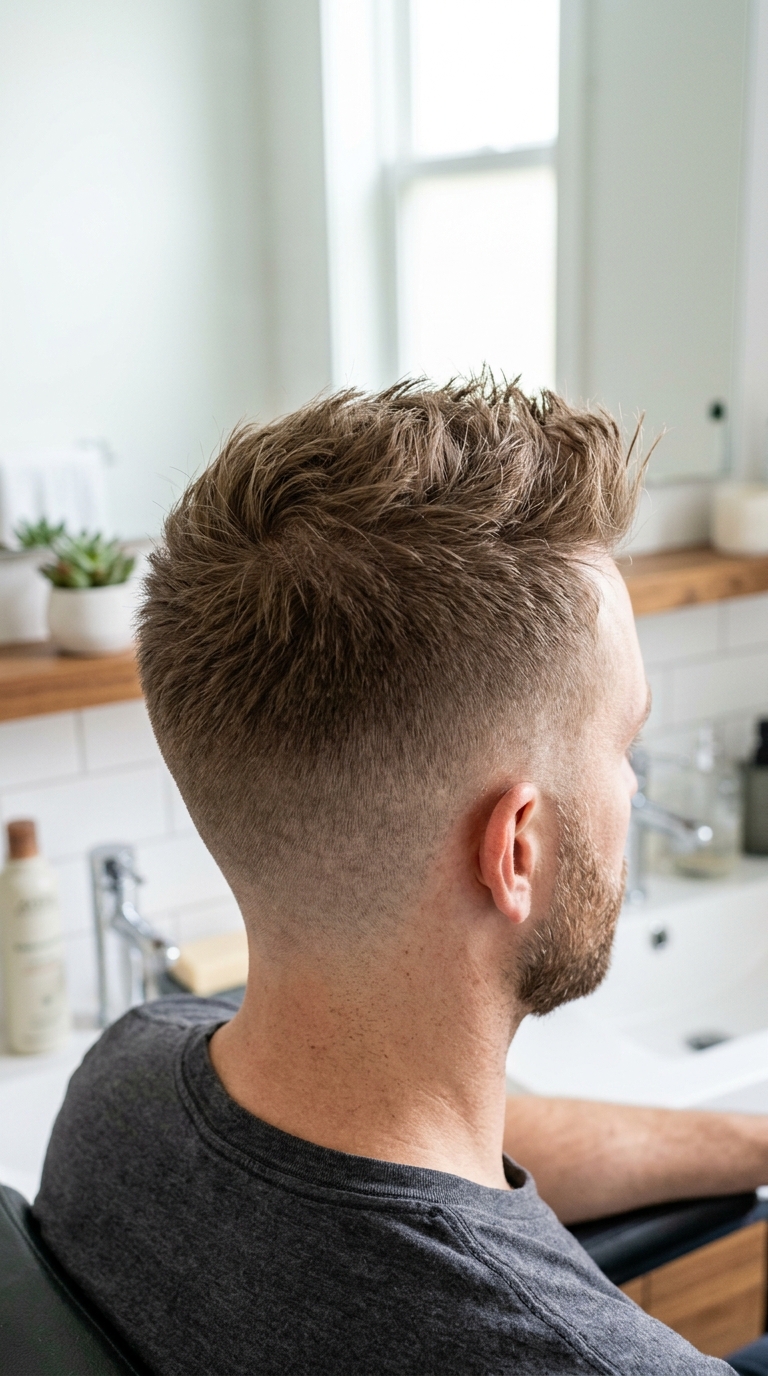
Thin hair benefits from a low fade because the tight sides create contrast that makes the top look denser by comparison, even without adding any actual volume. The fade does visual work that thin hair can’t do on its own.
Quick Tip: Ask for slightly shorter top length, around 1.5 to 2 inches, since longer thin hair tends to separate and show scalp. Shorter length stands up better and reads as fuller from a normal distance.
Low Fade Taper Vs Low Fade Skin Fade
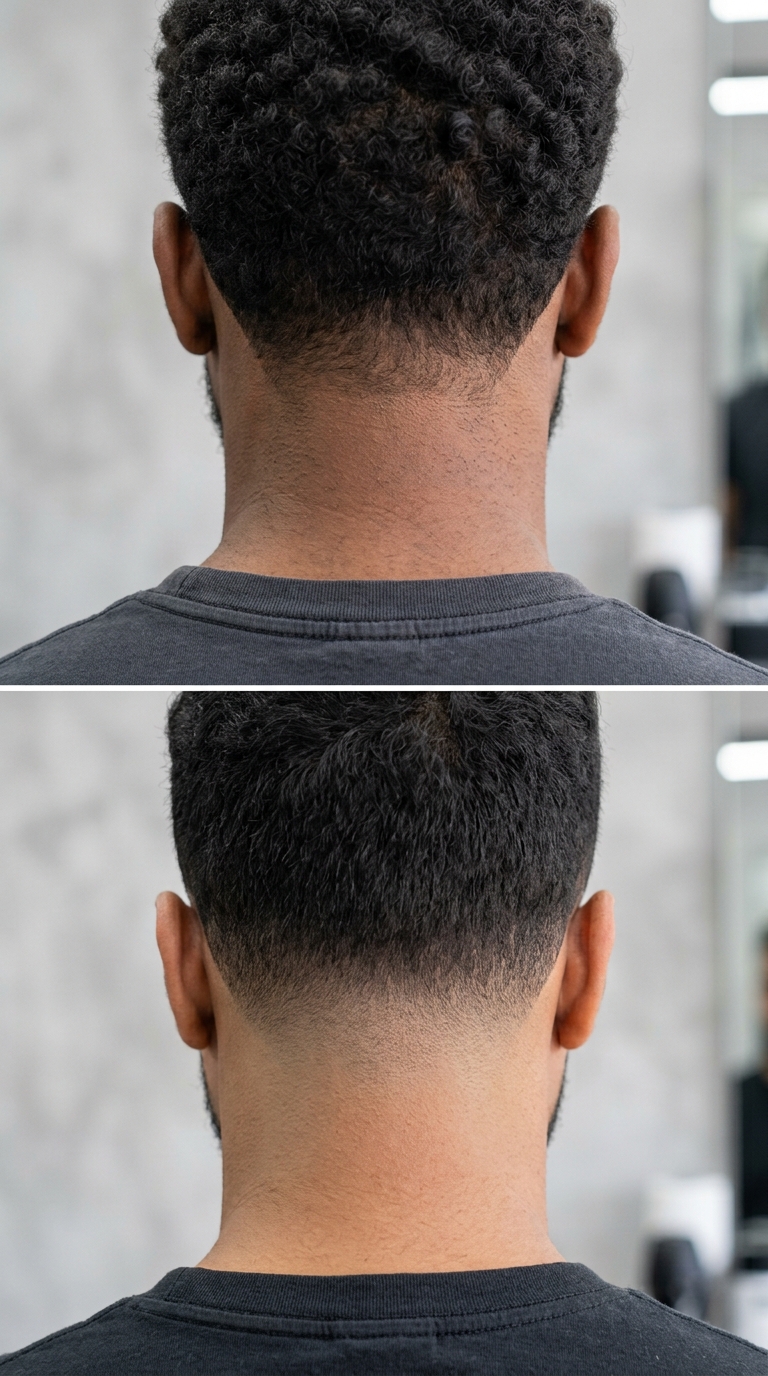
Both keep the fade low, but a taper leaves a small amount of length at the very bottom instead of going down to bare skin. This one detail changes how the haircut looks a week or two after your appointment.
- Taper: softer edge, blends into sideburns and neckline naturally
- Skin fade: crisp edge, more defined but grows out faster looking
- Taper suits guys who go longer between cuts
- Skin fade suits guys who get trimmed every 2 to 3 weeks
Low Fade With Beard
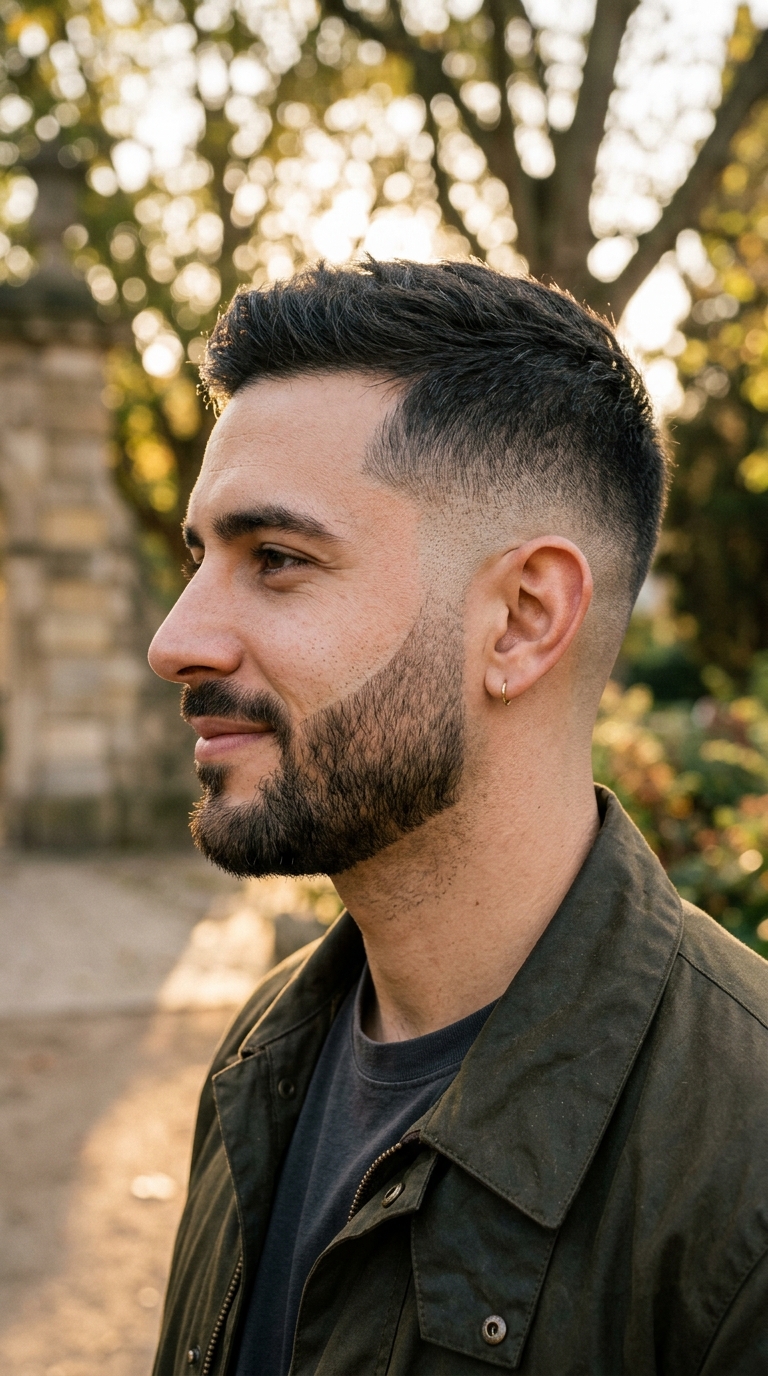
A low fade pairs easily with most beard lengths because the subtle taper doesn’t compete with facial hair the way a high fade can. The transition between the fade and the beard line is where most of the work happens.
Best paired with: short to medium beard, fade stays balanced
Ask for: the fade blended directly into the beard line, not cut separately
Watch out for: a hard line between sideburn and beard, looks disconnected
Low Fade Haircut Round Face

Round faces do well with a low fade because it keeps width down at the sides without adding bulk near the cheeks, letting the top length do the work of adding height instead. This combination is one of the more flattering options for a round face shape.
Keep the top length with some lift rather than flat, since flat top length can widen a round face further. A fade that stays low and close avoids adding any extra width at the sides.
How To Style Low Fade Haircut
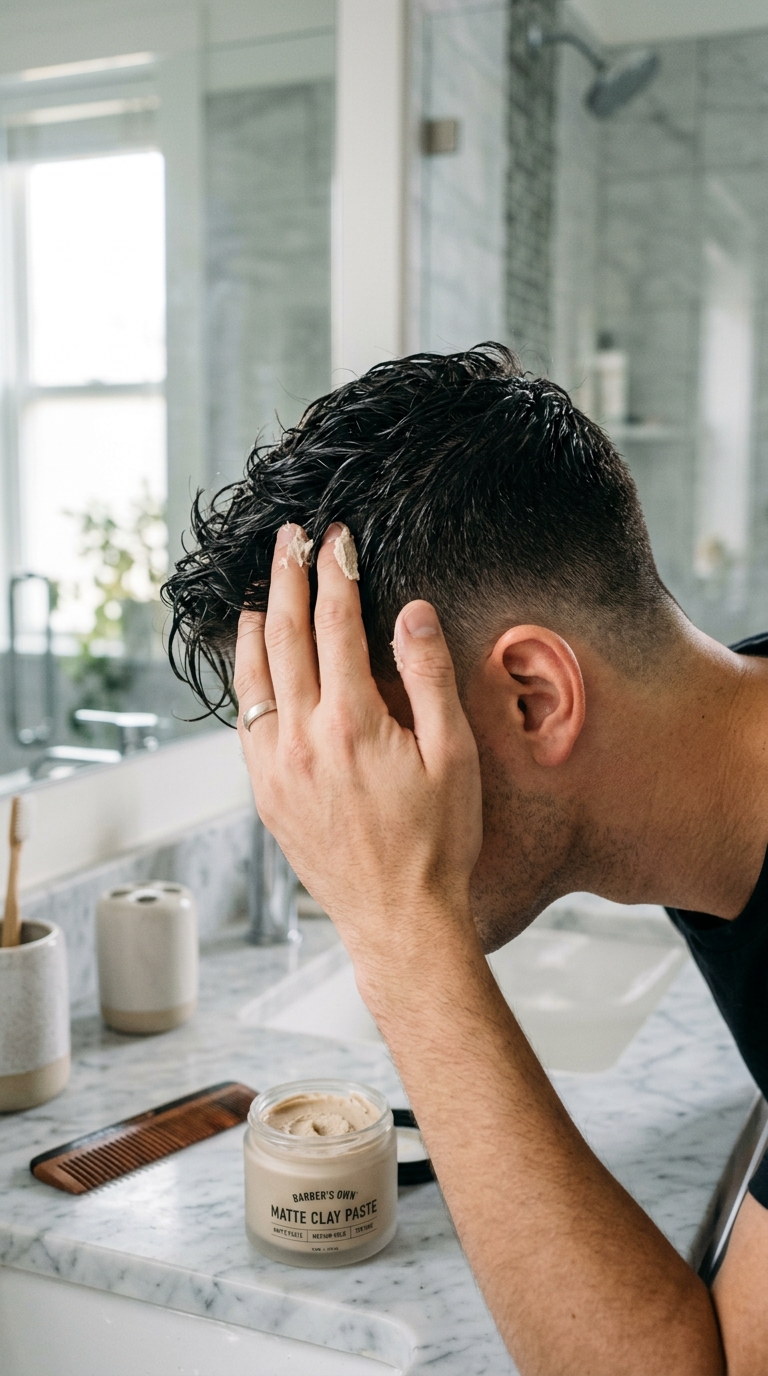
The fade itself needs zero styling since it’s already short, so all the effort goes into the top. Most guys overdo product here thinking more hold means more polish, but a low fade actually looks better with texture than with a slicked down finish.
- Towel-dry hair until damp, not soaking wet
- Apply a small amount of matte paste or clay
- Work it through with fingers, not a comb, for natural texture
Skip the comb entirely if you want a more textured, less polished finish.
Low Fade Haircut Receding Hairline
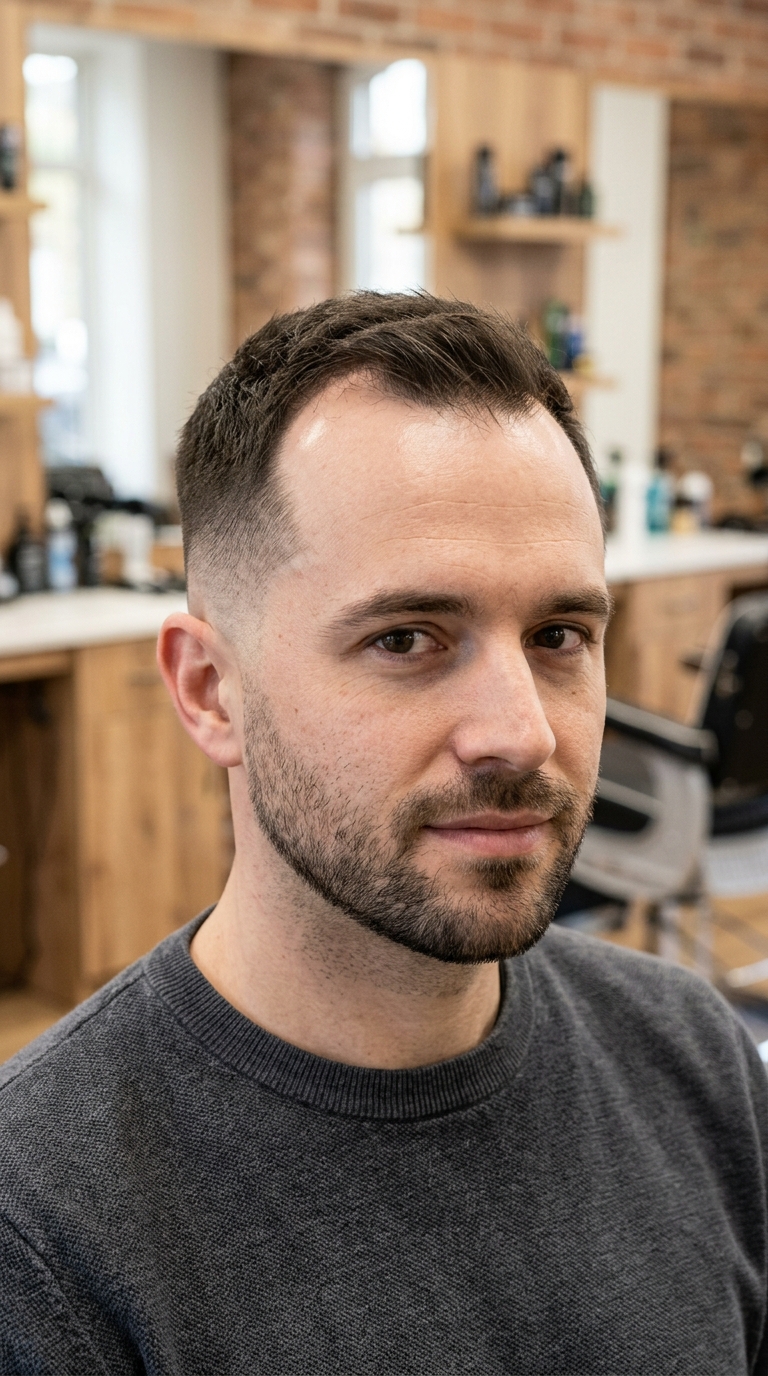
A receding hairline is one of the better reasons to go with a low fade specifically, since keeping the sides tight draws less attention to the hairline shape up top. The contrast the fade creates shifts focus downward instead of up toward the temples.
Quick Tip: Ask your barber to keep slightly more length at the front hairline rather than cutting it uniform with the rest of the top, since a bit of extra length there softens the recession without hiding it awkwardly.
Low Fade Haircut Growing Out
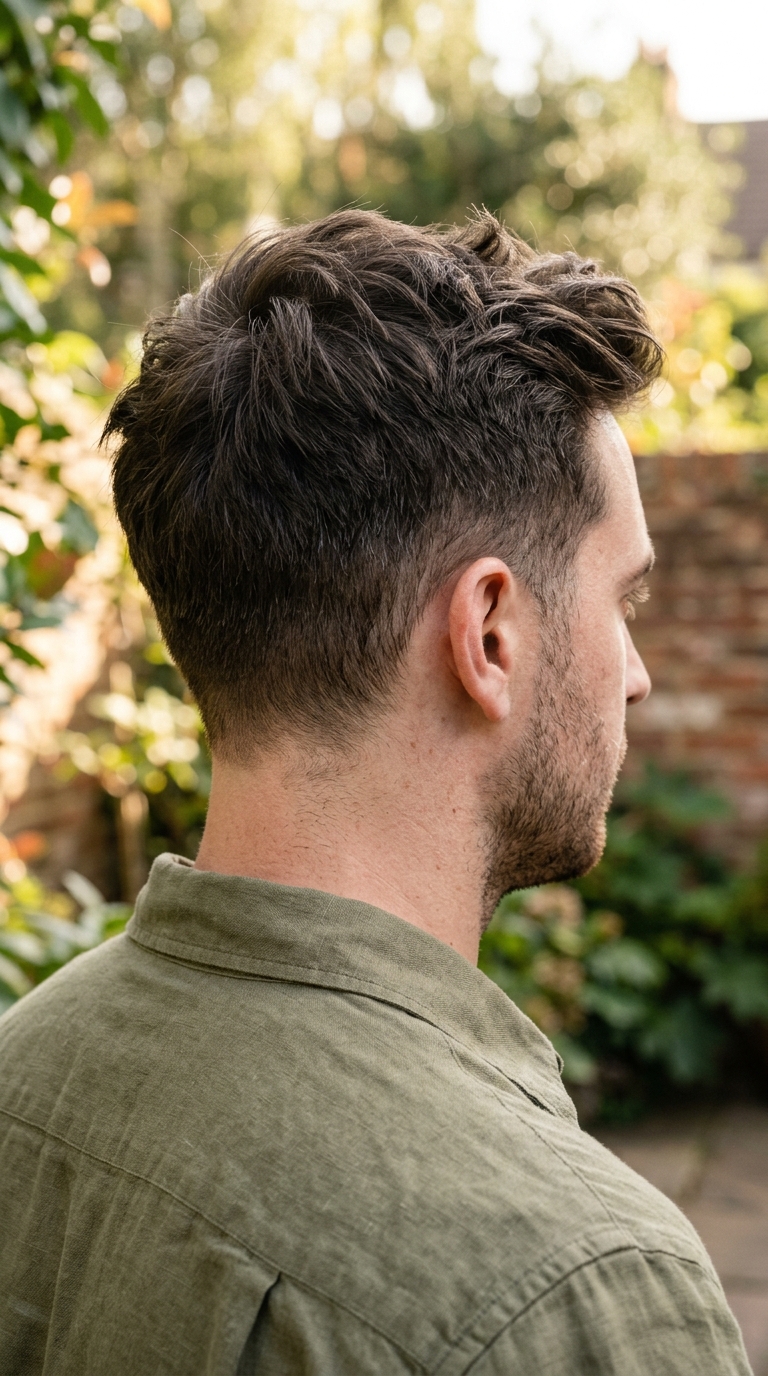
A low fade grows out more gracefully than a high fade simply because there’s less contrast to begin with, but it still needs some attention to avoid looking overgrown.
What to tell your barber at each visit:
- Trim the fade line every 3 to 4 weeks even if you skip a full cut
- Keep the top length building gradually, not cut back to the original length
- Blend the neckline separately from the fade line as both grow
This keeps the shape looking deliberate through the whole growing out phase instead of just messy.
FAQs
How often do I need to get a low fade haircut touched up?
Most guys go in every 3 to 4 weeks. A low fade grows out more slowly than a high fade, so you can usually stretch it a bit longer between visits without it looking overgrown.
Is a low fade haircut good for job interviews?
Yes, a low fade is one of the more conservative fade options since it stays subtle and close to the hairline, which makes it a safe choice for interviews or formal workplaces.
Can I ask for a low fade haircut with long hair on top?
Yes, low fades work well with longer top lengths since the contrast between the fade and the length still reads clearly, even at 3 inches or more on top.
Does a low fade haircut work for thick hair?
It does, though thick hair on top may need a bit more thinning to avoid looking bulky next to the tight sides. Ask your barber to thin the crown slightly if your hair feels heavy.
What’s the difference between a low fade and a low taper?
A low fade goes down to bare skin at the bottom, while a low taper leaves a small amount of length instead of skin. Both stay low near the ear, just with different finishes at the edge.
Conclusion
A low fade haircut works for almost any face shape or hair type once the details are right, from where the fade starts to how it blends into a beard or hairline. It’s a subtle cut, but subtle only looks good when it’s done with precision instead of guesswork.
Bring specifics to your next appointment instead of a general request, and the result will hold its shape a lot longer between visits.
Save this list so you’ve got it handy before your next haircut.

One Comment