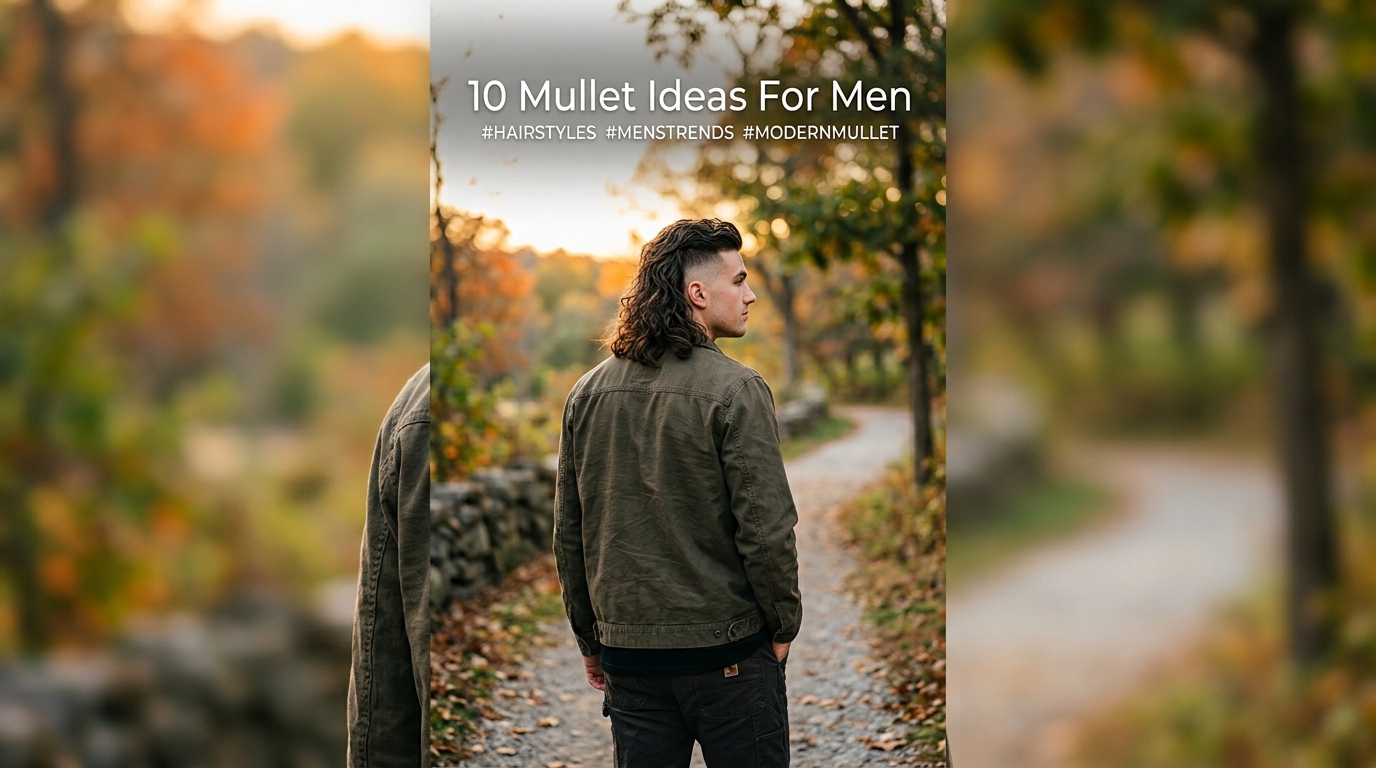
10 Mullet Haircut Men Ideas That Look Intentional, Not Accidental
The mullet used to be a punchline. Now it’s one of the most requested cuts at barbershops, and most guys still walk in without knowing which version actually suits their hair type. Business mullet, curly mullet, shaggy mullet, they all fall under the same name but ask completely different things from your hair and your patience.
A mullet haircut men actually keep for more than a few months is one that’s picked on purpose, not copied off a photo without checking if the hair type matches. Fine hair behaves nothing like thick, coarse hair once the back starts growing past the collar, and a fade at the sides changes the whole shape depending on where it sits.
Below are ten real variations, what each one needs from your hair, and how to describe them to your barber so you don’t leave with something close but not quite right. No vague inspiration talk, just the specifics that make the difference.
1. The Classic Mullet: Short Front, Long Back

This is the version most people picture first. Front and sides stay short and neat, almost like a regular cut, while the back is left to grow long and loose. The contrast is the whole point, and it works because the short front keeps the look from feeling messy or dated.
Straight to wavy hair holds this shape cleanest. Thick, coarse hair can work too, but the back tends to flare out sideways instead of hanging down unless it’s kept a bit longer to weigh itself down.
2. Modern Mullet with a Faded Skin Fade
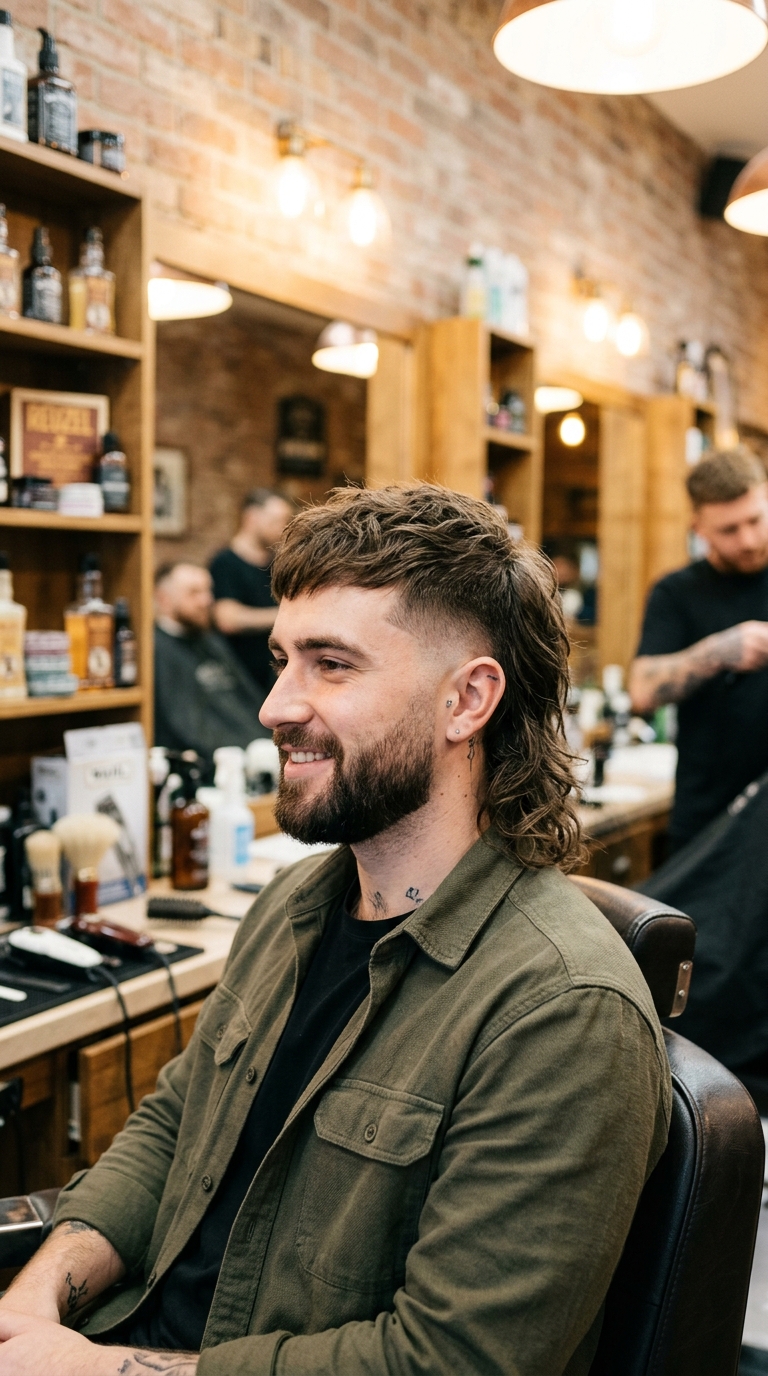
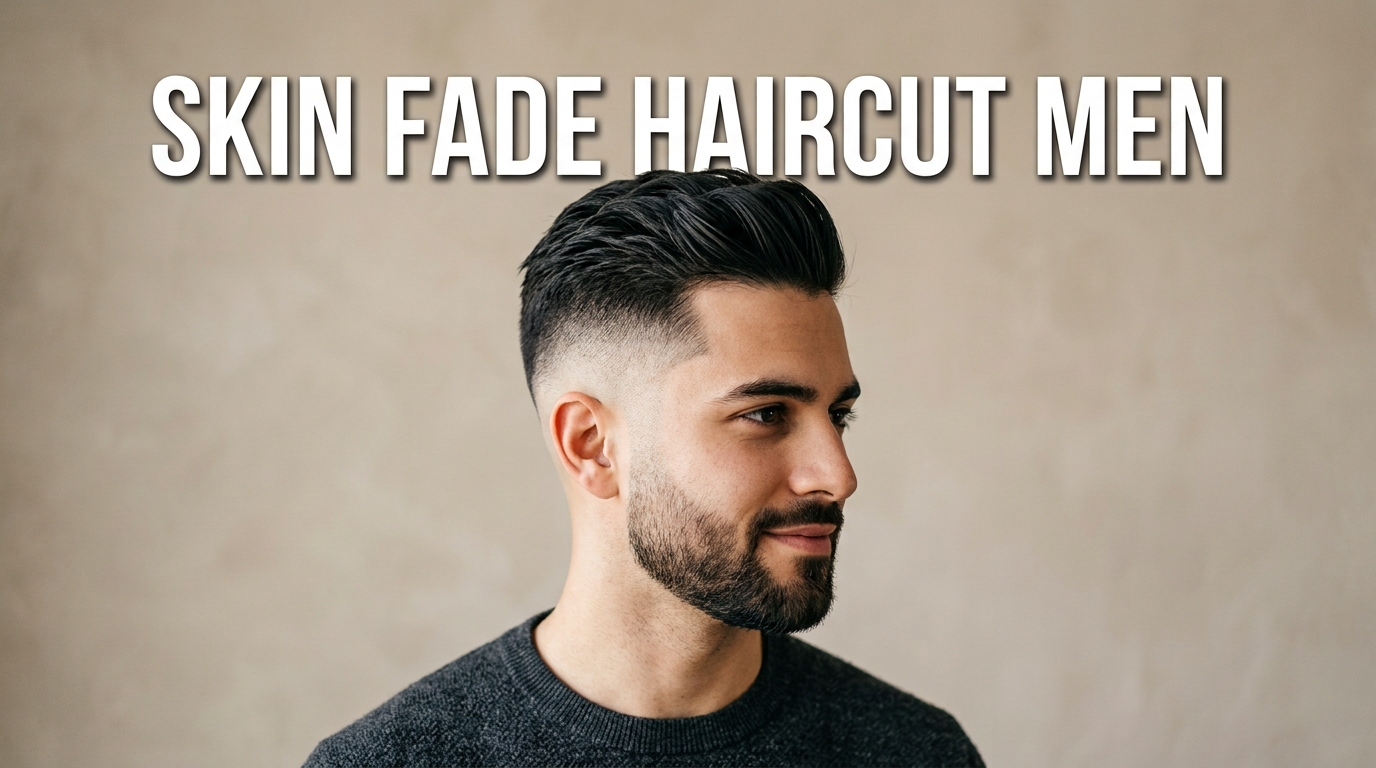
Swapping the short classic sides for a full skin fade is what makes this version feel current instead of throwback. The fade sharpens the whole cut and makes the long back read as intentional rather than like the sides just got neglected.
Where the fade starts matters more than people think. A high fade reads bold and modern. A low fade close to the ear keeps things subtler, which works better for anyone easing into a mullet for the first time. Ask your barber to blend the fade into the length at the crown, not stop abruptly, or the transition will look choppy.
3. Curly Mullet for Textured Hair

Curly hair does most of the styling work on its own here. The natural volume and bounce give the top and back shape without much product, which is part of why this version has become so popular on its own.
The one thing to watch is length loss. Curls shrink significantly once they dry, so a cut done wet often ends up shorter than expected once it’s fully dry. Ask for a dry cut or at least a dry check partway through, especially around the back where losing length matters most.
4. Business Mullet: Boardroom Front, Weekend Back

This version keeps things office appropriate from the front and sides while still carrying real length in the back, just enough to notice without becoming a talking point in a meeting. It’s a compromise cut, and it works well for anyone who wants the style without committing fully.
Ask your barber to keep the back length moderate, somewhere around collar length rather than shoulder length. That’s usually the line between a subtle nod to the mullet and something that reads as a full statement cut.
5. Shaggy Mullet with Textured Layers

Instead of one clean length in the back, this version uses layered, textured cutting throughout so the whole thing looks a bit undone on purpose. It leans into a lived in, low effort look rather than anything sharp or structured.
A texturizing shear on the ends is what gives this version its shape, so it’s worth naming specifically when you’re in the chair. Without it, the cut can end up looking like a plain long mullet instead of the shaggy texture you’re after.
6. Mullet with an Undercut Shave Design
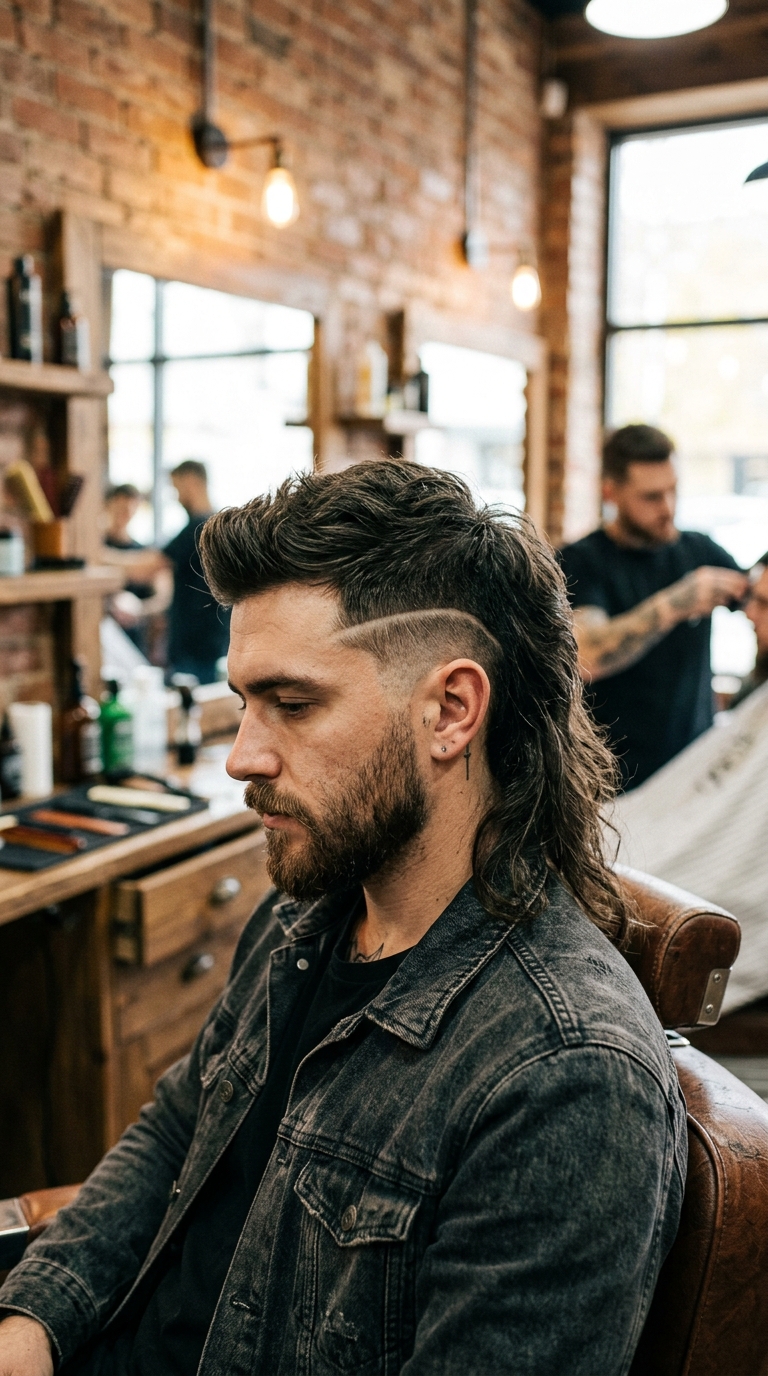
For anyone who wants a mullet that stands out further, adding a shaved design into the undercut sides is one way to do it. Lines, a simple pattern, or just a sharp disconnect between the short sides and long back all work here.
Bring a reference photo of the specific design, not just the mullet style itself. Barbers who do shave designs regularly can usually freehand something close, but showing exactly what you want avoids a design that ends up too busy or in the wrong spot.
7. The Grown-Out Mullet Transition Cut

Getting from a regular short cut to a full mullet takes patience, and most guys give up around the awkward middle stage. This version is really about how you handle the transition period rather than a single finished look.
Keep the sides maintained with regular trims every three to four weeks while letting the back grow untouched. Trimming just the sides during this stretch keeps the whole thing looking like a deliberate cut in progress instead of hair that’s simply overdue for a trim.
8. Mullet Paired with a Beard for Balance
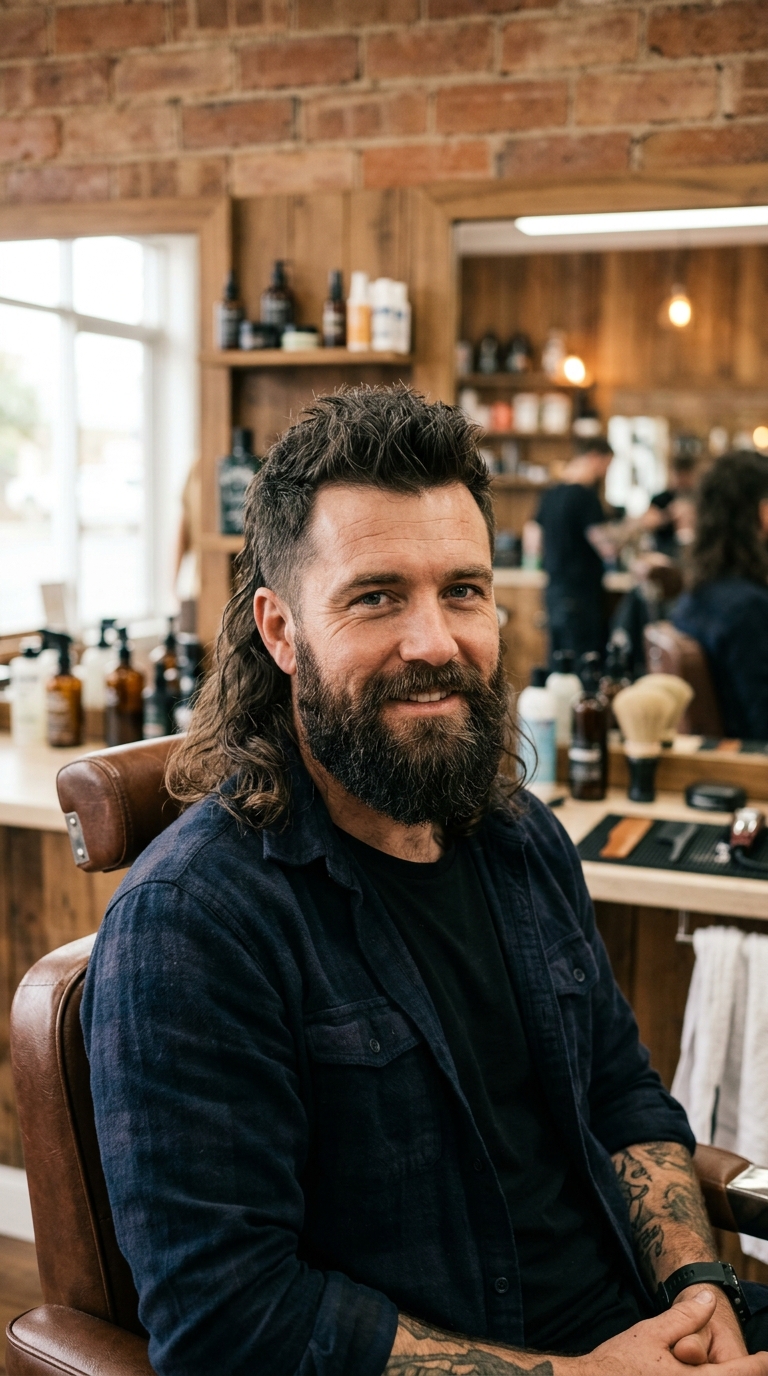
A mullet draws a lot of attention to the lower half of the head, and a beard, or the lack of one, changes how balanced the whole look feels. A clean shaved face next to a long mullet can look top heavy on some face shapes.
A short to medium beard usually grounds the look best, giving the jawline some weight to match the length in the back. Sparse or patchy facial hair tends to work against this cut more than it helps, so it’s worth trimming close and keeping lines sharp if your growth isn’t full.
9. Low Maintenance Buzzed Mullet

For guys who want the shape without the daily upkeep, buzzing the sides down short instead of fading them removes a step from the routine entirely. The back still carries the length and the signature look, just with almost no maintenance on the sides between cuts.
A quick run through with a towel after showering and a small amount of texturizing paste on the back is usually the entire routine. This version holds its shape the longest between barber visits out of everything on this list.
10. Daily Styling Routine for a Mullet

The back is what needs the most attention day to day, since it’s the length that tends to look flat or stringy without any product. A lightweight sea salt spray worked through damp hair gives it texture and a bit of lift without weighing it down.
For the front and top, a small amount of matte clay keeps things controlled without looking overly styled. Skip heavy pomades or gels here, they tend to make the shorter front section look slicked and disconnected from the more natural texture in the back.
FAQs
How long does hair need to be before I can get a mullet?
Most versions need at least three to four inches in the back to start showing real shape. If you’re growing out from a short cut, expect two to three months before there’s enough length to work with.
Will a mullet work with fine hair?
Yes, though fine hair tends to look thinner in the back once it’s long. A volumizing spray at the roots and keeping the ends slightly layered helps it read fuller instead of stringy.
How often do I need a trim to maintain the shape?
Every three to four weeks for the front and sides to keep the contrast sharp. The back usually only needs a light trim every couple of months to clean up split ends without losing length.
Does a mullet work with a receding hairline?
It can, depending on the front styling. A fringe or slightly longer front section can soften a receding hairline better than a very short, close cropped front.
Conclusion
A mullet haircut men actually stick with comes down to matching the version to your hair type and how much upkeep you’re realistically going to do. The contrast between short and long is what makes the style work, but the exact balance point is where all ten of these versions differ from each other. Bring the specifics from this list into your next barber appointment instead of a single photo, and the cut will come out closer to what you actually pictured. Save this list before your next visit so you’ve got it ready to reference.