8 Fall Hair Color Ideas for Brunettes: Red, Dark Auburn, and Reddish Brown With Highlights
Fall makes brown hair impatient. Something about the season pulls people toward warmth, and plain brunette suddenly feels like it needs more.
That is where fall hair color for brunettes gets interesting. Red, dark auburn, and reddish brown with highlights all solve the same problem in different ways. They add depth without forcing a full color change you might regret by January.
The tricky part is knowing which version fits your skin tone, your maintenance schedule, and how much red you can handle before it reads as costume-y instead of rich. Some of these ideas need a full color appointment. Others just need a few well-placed highlights and a good glaze.
Below are eight ways to bring warmth into brunette hair this fall, from subtle to bold, along with what each one actually takes to pull off.
1. Go All-In on Deep Dark Auburn
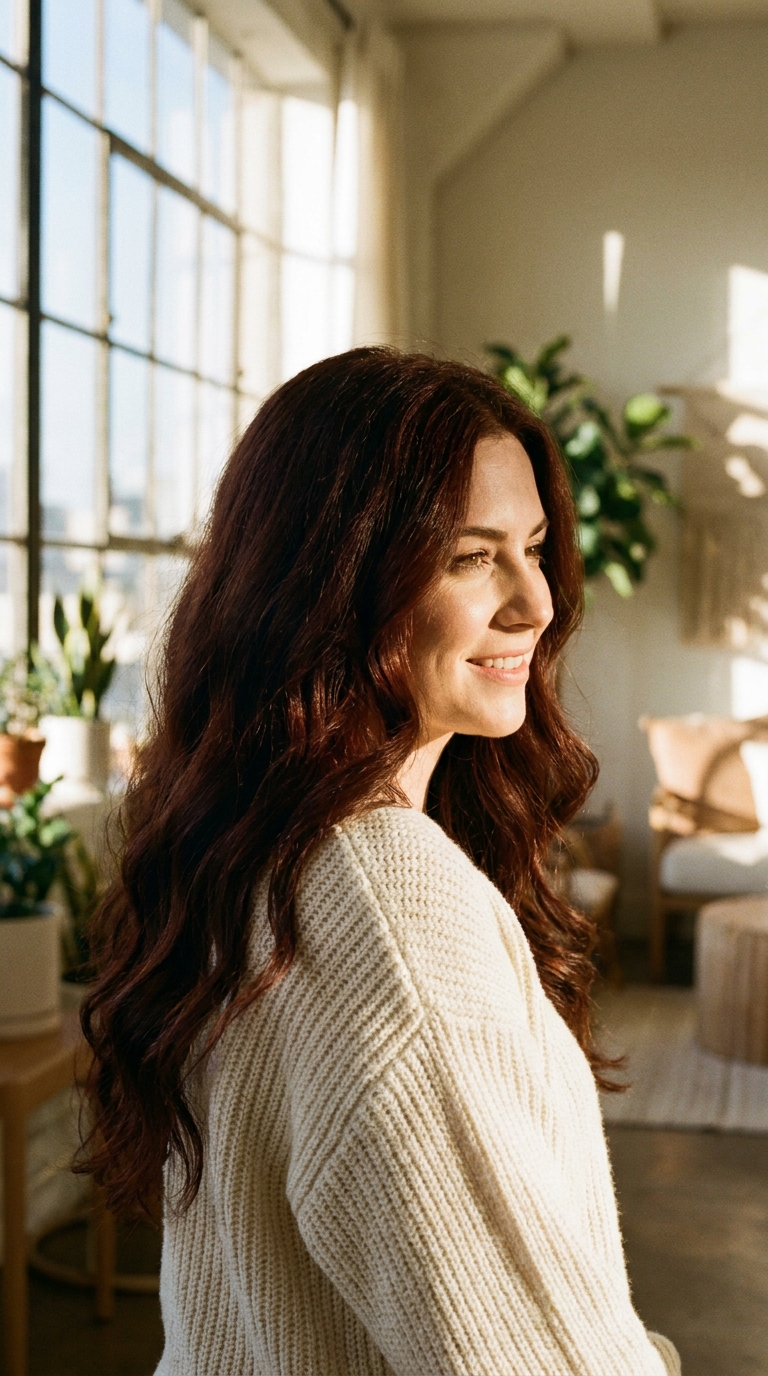
Plain dark brown can look flat under fall light, especially indoors where warm bulbs wash out any natural shine. Deep dark auburn fixes that without screaming for attention. Think reddish-brown that reads brunette from a distance but catches red undertones the moment sunlight or lamp light hits it.
This works best as a single-process color rather than highlights, so it holds up well between salon visits and grows out softer than a lot of red shades. Ask your colorist for an auburn base with a touch of violet in the formula to keep it from turning brassy orange after a few washes.
It looks especially good on medium to olive skin tones, and it pairs easily with a warm-toned copper lip for fall.
💡 Quick Tip
Ask for a gloss or glaze every 4 to 6 weeks. It is what keeps auburn from fading into a dull brown instead of staying rich.
2. Add Copper Balayage Over a Reddish-Brown Base
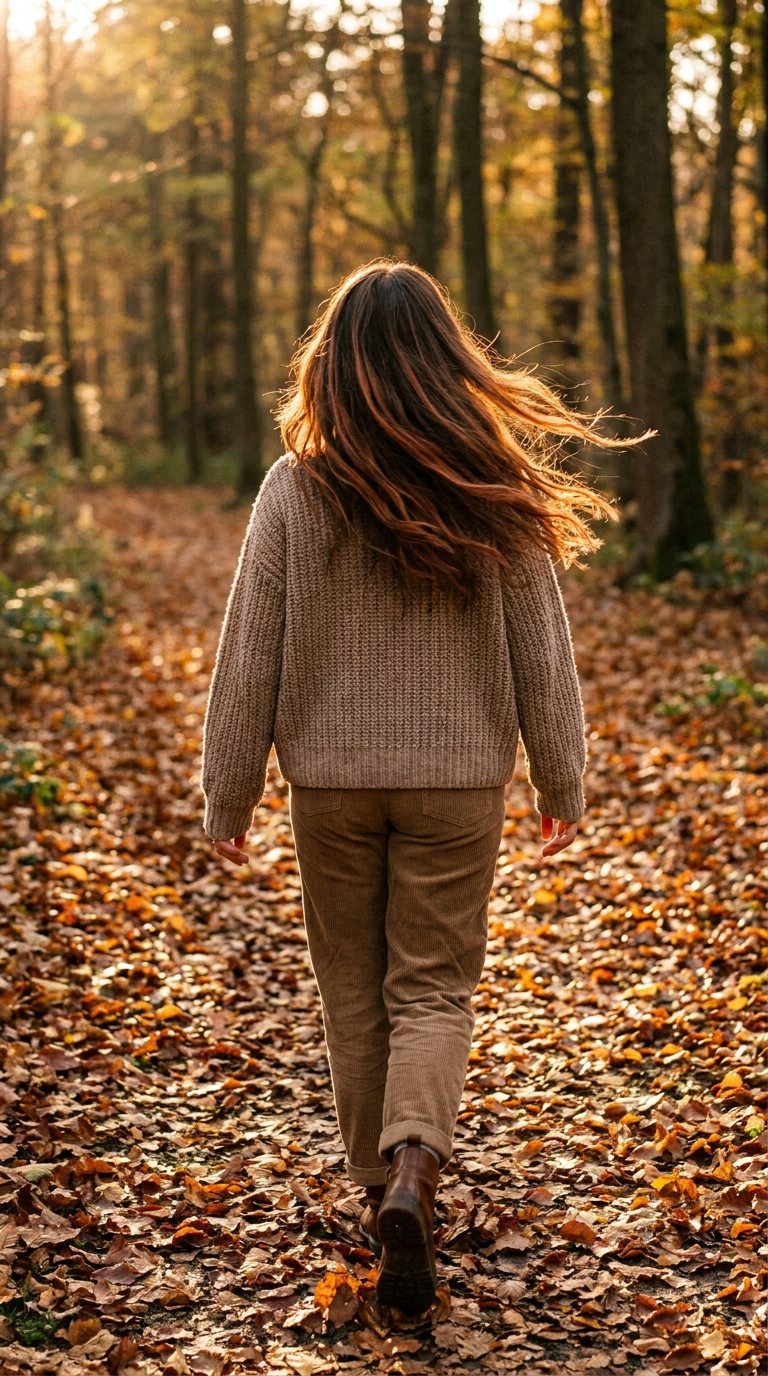
Look closely at reddish-brown balayage and you will notice the highlights are not blonde at all. They are copper, painted in soft, irregular streaks that sit mostly around the face and through the ends.
The technique keeps the base brown intact, so regrowth is barely noticeable for three to four months. That makes it one of the lower-maintenance options on this list, even though it looks more dramatic than a single all-over color.
Best for anyone who wants dimension but does not want to sit in a salon chair every six weeks.
3. Try Chocolate Cherry: Dark Brown With a Red Undertone
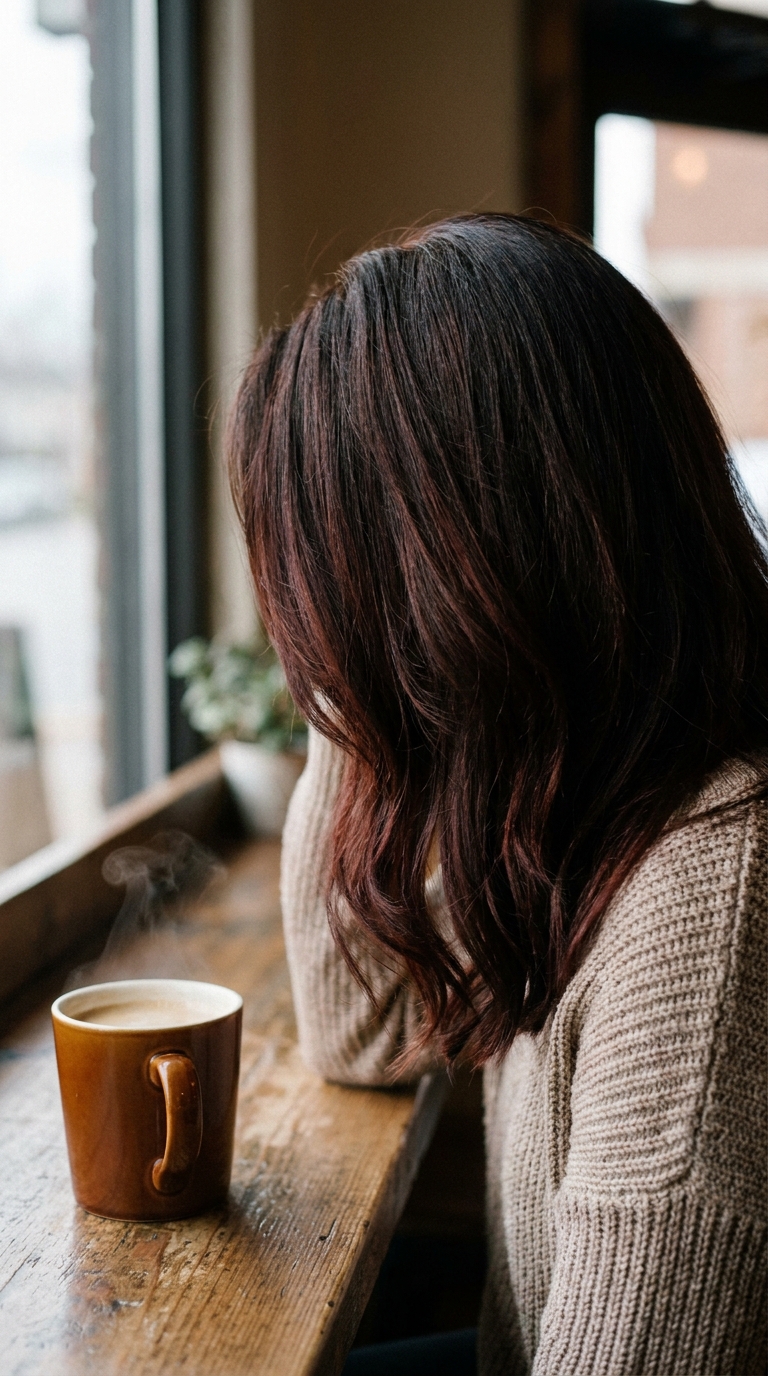
A lot of people assume red hair color has to be loud. Chocolate cherry proves that wrong. It is a dark brown base with a red undertone woven through it, close enough to your natural color that most people will just think your hair looks unusually shiny.
This shade tends to photograph better than it looks in person, since the red comes through more under flash or sunlight. It works on almost every brunette, though those with warmer skin undertones get the most flattering result.
Ask for it specifically by name. Some colorists will default to a plain dark brown gloss unless you request the red undertone directly.
Bring a reference photo that shows the red undertone, not just a plain dark brown photo.
Request a gloss or glaze with a red or mahogany base mixed in.
Ask your colorist to check the tone in natural light before you leave the salon.
4. Frame Your Face With an Auburn Money Piece
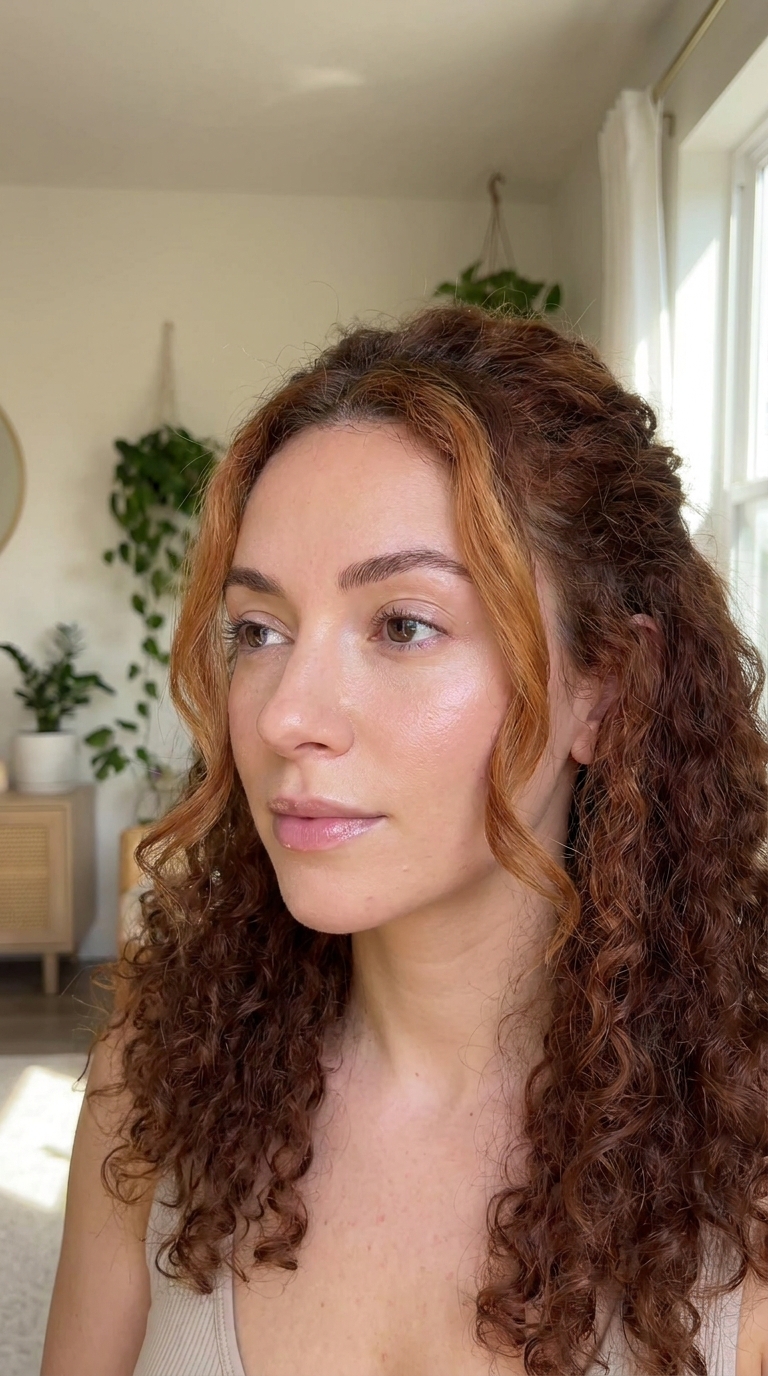
Keep the rest of your hair dark and let two face-framing pieces carry all the red. That is the entire idea behind an auburn money piece, and it is one of the easiest ways to test warm tones without recoloring your whole head.
The pieces should start close to your part and end a shade or two lighter than your natural color, never a full contrast blonde. Too much lightness turns it into a peekaboo highlight instead of a money piece.
It is a good pick if you are unsure about committing to red long term.
Keep the money piece within 2 shades of your natural color.
Ask for face-framing placement only, not all-over.
Going full blonde on the face-framing pieces.
Letting the colorist highlight more than two pieces.
5. Blend In a Rich Burgundy-Brown for Extra Depth
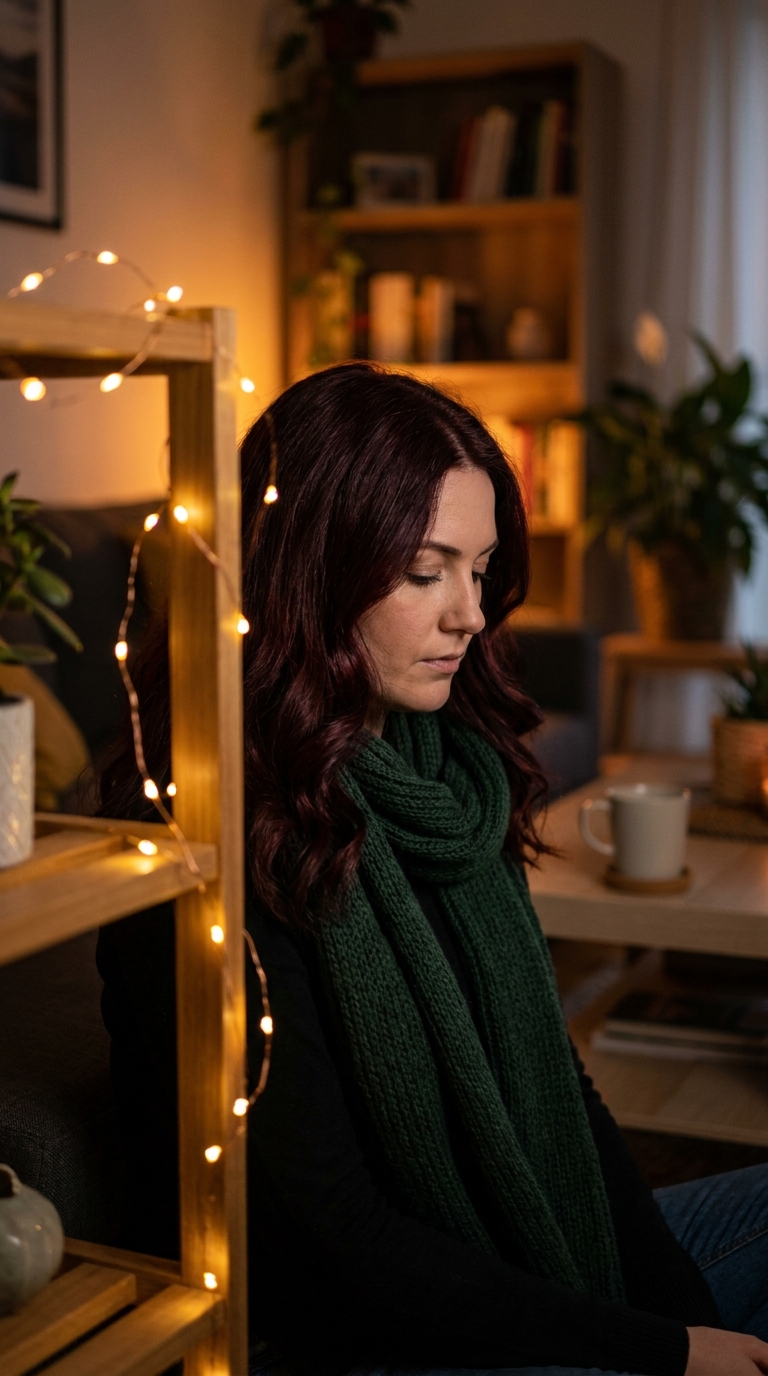
Burgundy-brown gives you the richness of red without the orange risk, since the base leans purple instead of copper. It reads almost black in low light and turns a deep wine color the moment the sun hits it.
This shade tends to last longer than straight auburn because purple-based tones fade more slowly than orange-based ones. It also tends to complement cooler skin undertones better than the coppery options earlier on this list.
Pair it with a deep berry lip for fall, since the two tones share the same undertone family.
What to bring up with your colorist
Quick Comparison Table: Styles 1–4
| Idea | Best For | Effort | Vibe |
|---|---|---|---|
| 1) Deep Dark Auburn | medium to olive skin tones | Medium | 🔥 rich & warm |
| 2) Copper Balayage | low-upkeep dimension seekers | Low | ✨ sun-kissed |
| 3) Chocolate Cherry | warmer undertones, subtlety lovers | Low | 🍫 quietly rich |
| 4) Auburn Money Piece | red-curious first-timers | Low | 💫 subtle accent |
6. Go Chunky With Red Highlights Instead of Fine Ones
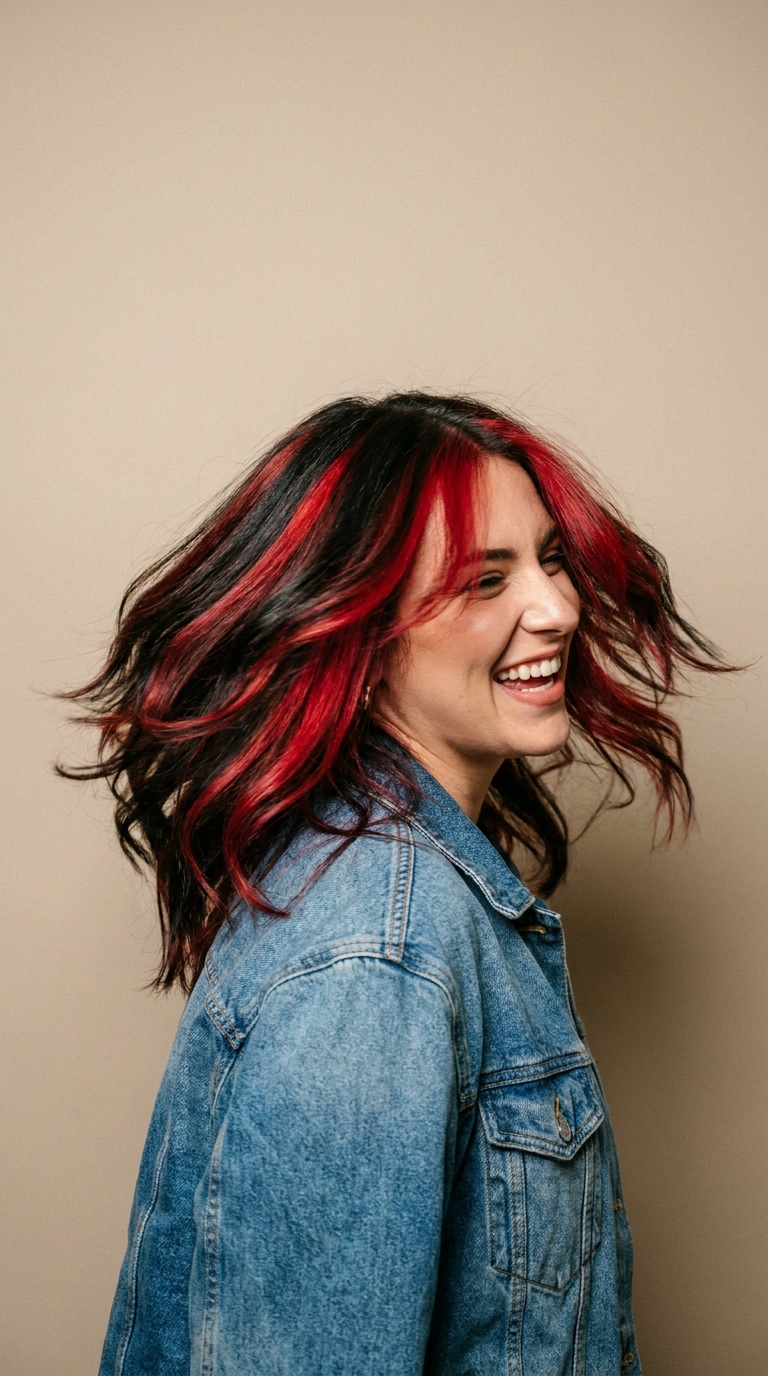
Most highlight conversations default to thin, delicate pieces. For fall, chunky red highlights flip that. Instead of a dozen fine strands, your colorist places wider sections of color throughout, so the red shows up as bold ribbons rather than a soft shimmer.
The effect reads more editorial and less natural, which is exactly the point for anyone tired of subtle. It works especially well on layered cuts, where movement helps the color show through instead of hiding underneath.
Just know this style grows out more visibly than fine highlights, so plan on a touch-up every two to three months if you want it looking crisp.
Fine, barely-there red highlights that fade into the base within weeks.
Bold, wide ribbons of red that stay visible even after a few washes.
7. Fade Dark Roots Into Warm Auburn Ends (Root Melt)
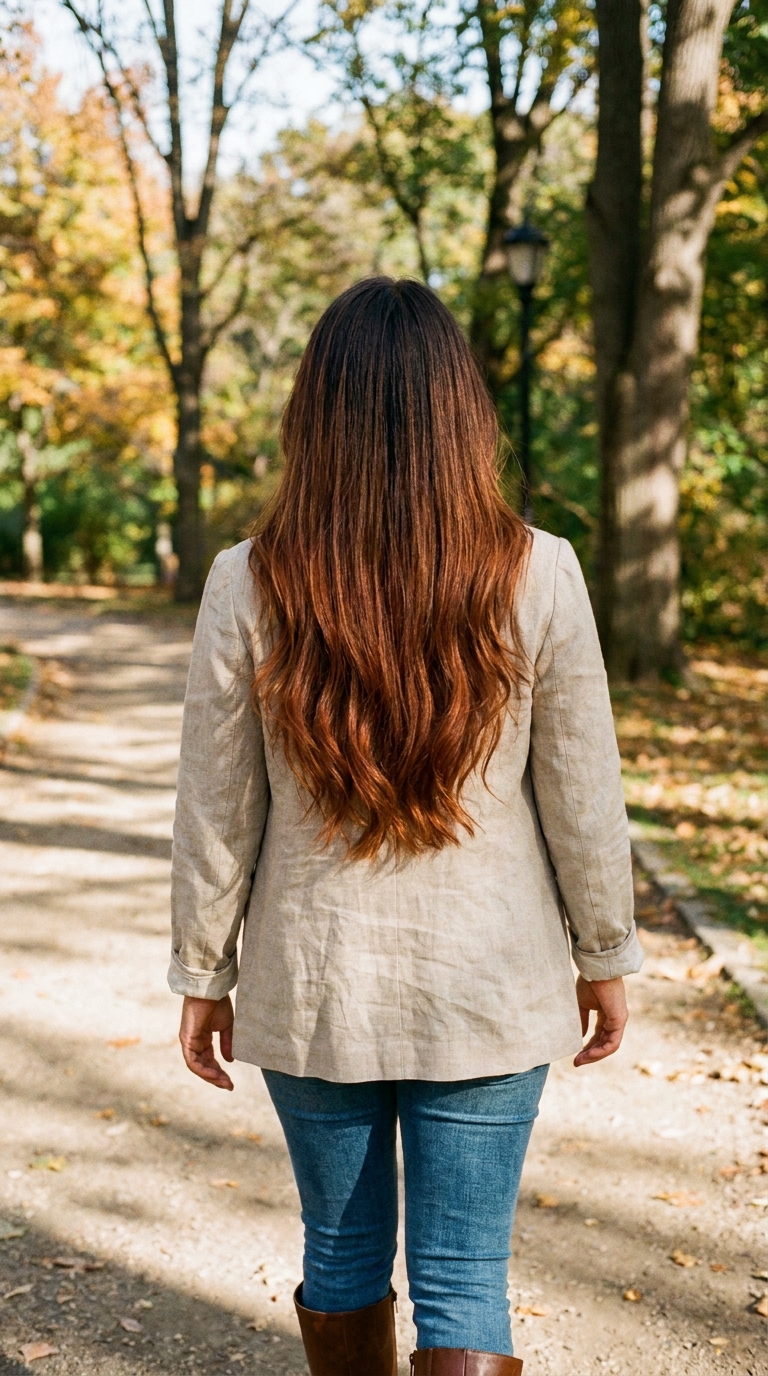
Growing out any red color eventually means dealing with roots. A root melt turns that into a feature instead of a problem. Your natural dark roots blend gradually into warm auburn ends, so there is no harsh line where the color starts.
This is the lowest-maintenance option on the list by a wide margin. Some people go four to six months between salon visits, since the whole point is that regrowth just extends the ombre effect naturally.
The only downside is that root melts look best on hair with some length. Very short cuts do not leave enough room for the transition to show.
⚠️ Watch Out
A root melt needs shoulder-length hair or longer to really work. On a short bob, the transition zone gets cut off before it can blend.
8. Warm Up Mahogany Brown With Red Money Highlights
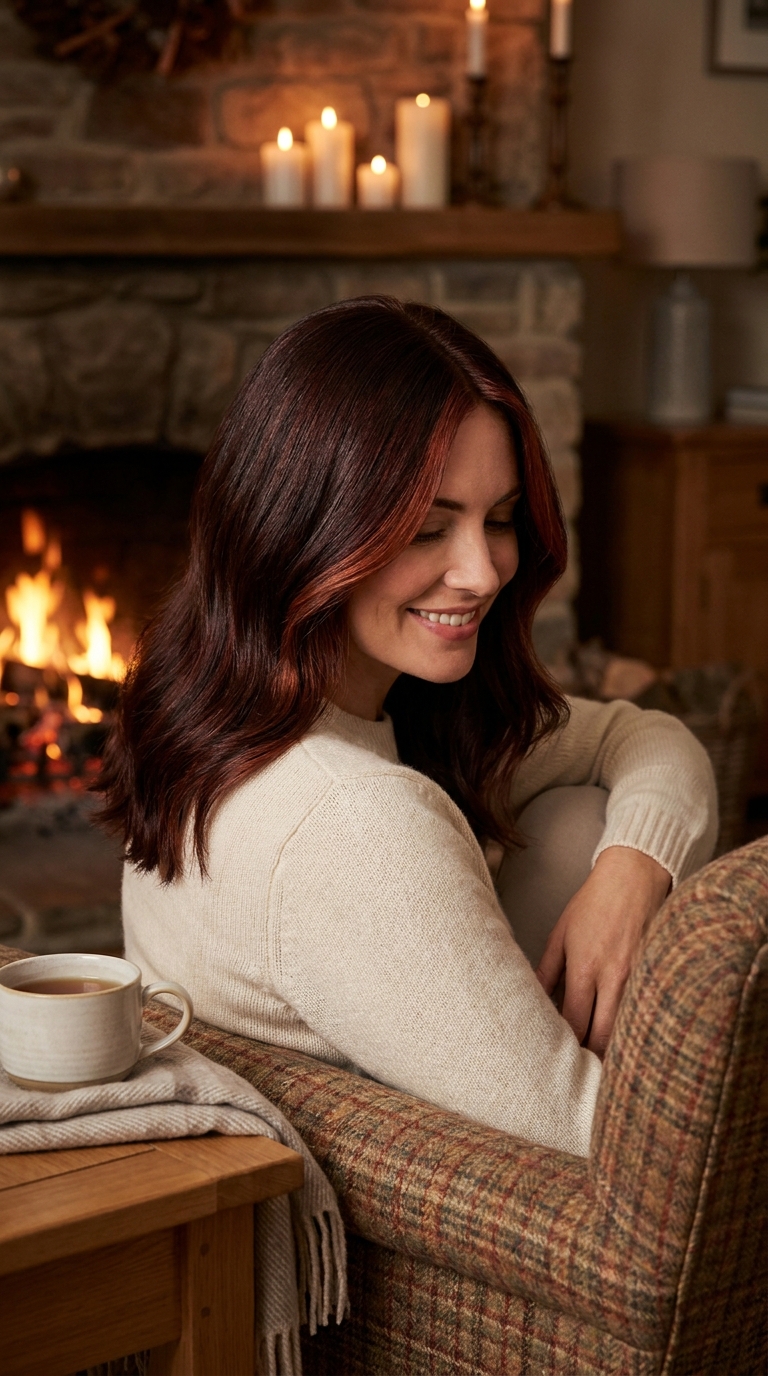
Mahogany brown already leans warm on its own, but adding a few red-toned money highlights around the face pushes it further into fall territory. The base stays a deep, glossy brown while the face-framing pieces pick up light and show a clear red cast.
This combination photographs particularly well indoors, where mahogany can otherwise look almost black. The red highlights keep the color from flattening out under artificial light.
It suits deeper skin tones especially well, since the warmth of the highlights complements richer undertones without looking washed out.
Mahogany brown needs red highlights to keep its warmth alive under indoor light, or it can read as plain dark brown.
Quick Comparison Table: Styles 5–8
| Idea | Best For | Effort | Vibe |
|---|---|---|---|
| 5) Burgundy-Brown Blend | cooler undertones | Medium | 🍷 deep wine |
| 6) Chunky Red Highlights | bold, editorial styles | High | ⚡ bold |
| 7) Auburn Root Melt | low-maintenance, longer hair | Low | 🍁 seamless |
| 8) Mahogany + Red Money Highlights | deeper skin tones | Medium | ✨ glossy warmth |
Short Q&A
Will red-toned brunette color fade faster than regular brown?
Yes, usually. Red pigment molecules are larger and wash out quicker than brown ones, so plan on a gloss or glaze every 4 to 6 weeks to keep the tone from turning dull.
Can I go from plain brunette straight to chunky red highlights?
You can, but talk to your colorist first. If your hair has never been colored, it will take the red more evenly, but a subtler style like a money piece is a gentler starting point.
Do these shades work on curly hair?
All of them do. Balayage and root melts actually show off especially well on curls, since the color moves with the texture instead of sitting flat.
What is the lowest-maintenance option on this list?
The auburn root melt. Since regrowth blends into the design instead of creating a hard line, some people stretch appointments to four or five months.
Ready for Fall
Fall hair color for brunettes does not have to mean starting over. Whether you go for a full auburn base, a few chunky red highlights, or just a small money piece near your face, the goal is the same: bring warmth into brown hair without losing what made you pick brunette in the first place.
Start small if you are unsure. A money piece or a root melt gives you a low-commitment way to test red tones before booking anything bigger. If you already know you want the drama, chunky highlights or a full auburn color will get you there faster.
Whichever one you pick, ask your colorist to match the undertone to your skin rather than just picking a shade off a chart. That single step makes the biggest difference in how the color actually looks once you leave the salon.
Save this list so you have it ready for your next color appointment.