Best Kids Braided Hairstyles Ideas: Easy & Protective Looks
Kids braided hairstyles ideas are more than just a way to keep hair out of a child’s face; they are a form of creative expression and a practical solution for busy parents. Finding the right balance between a style that looks professional and one that can withstand a full day of playground activity is the ultimate goal for many families.
Whether you are preparing for a formal school picture or a casual weekend at the park, having a library of styles to choose from makes the morning routine much smoother. These designs not only protect the hair from tangles and breakage but also help build a child’s confidence as they showcase their unique personality through their look.
The Best Kids Braided Hairstyles Ideas for Every Occasion
Exploring kids braided hairstyles ideas offers an incredible opportunity to experiment with different textures and techniques that suit various hair types and lengths. From the traditional styles passed down through generations to the modern trends seen on social media, there is a perfect braid for every child and every skill level.
Selecting a style often depends on the time available and the specific needs of the hair, such as moisture retention or tension management. By rotating through different braided looks, you can ensure that your child’s hair remains healthy, manageable, and stylish throughout the school week and beyond.
Classic Dutch Braids
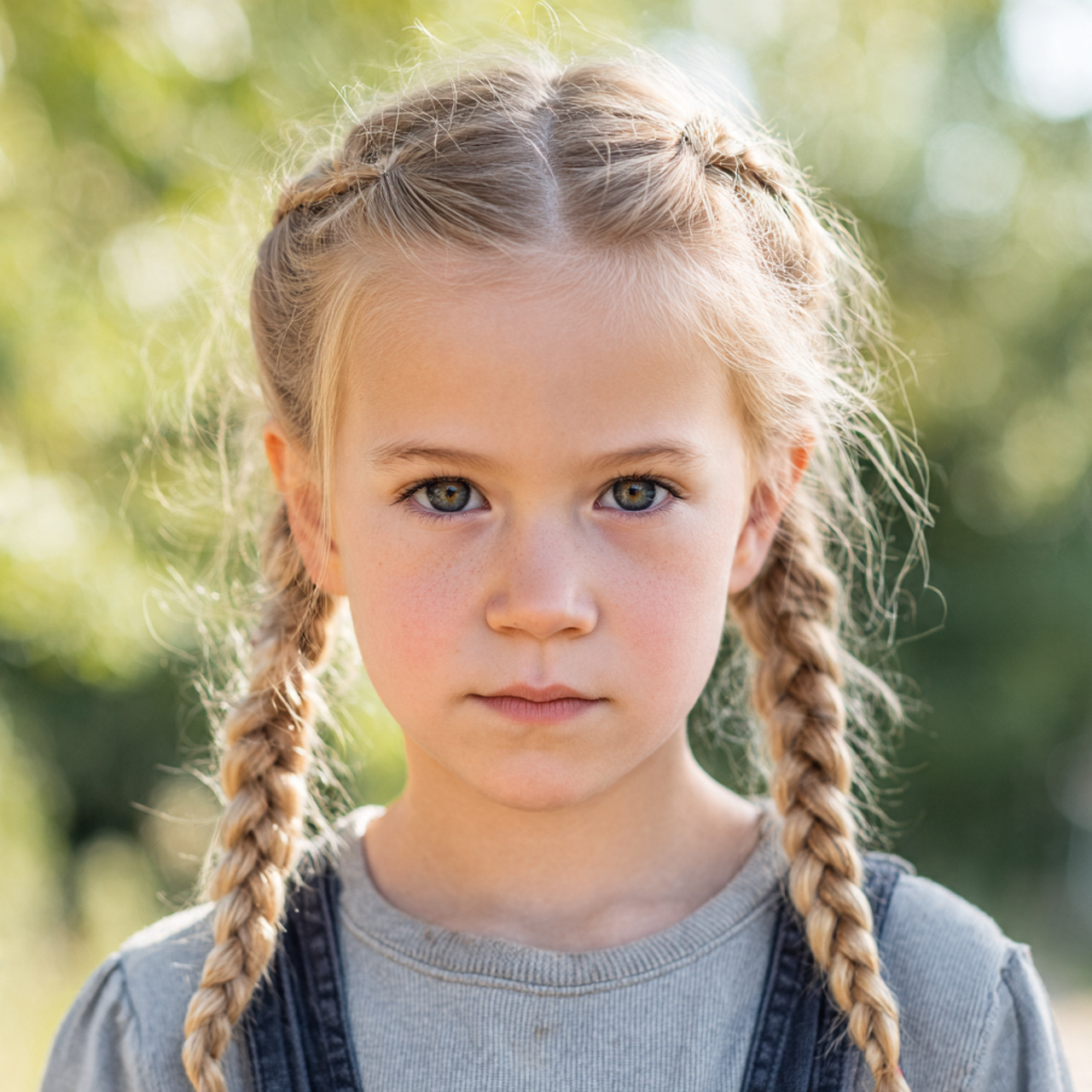
Dutch braids are a staple for any parent looking for a secure and long-lasting style that keeps every strand in place. Unlike a French braid, the Dutch method involves crossing sections under one another, which creates a beautiful 3D effect that sits on top of the head.
This style is particularly effective for thick hair because it manages volume while looking incredibly tidy. You can finish the ends into pigtails or join them into a single ponytail, making it a versatile choice for school days or sports practice where hair needs to stay secure.
Simple Three Strand Side Braid
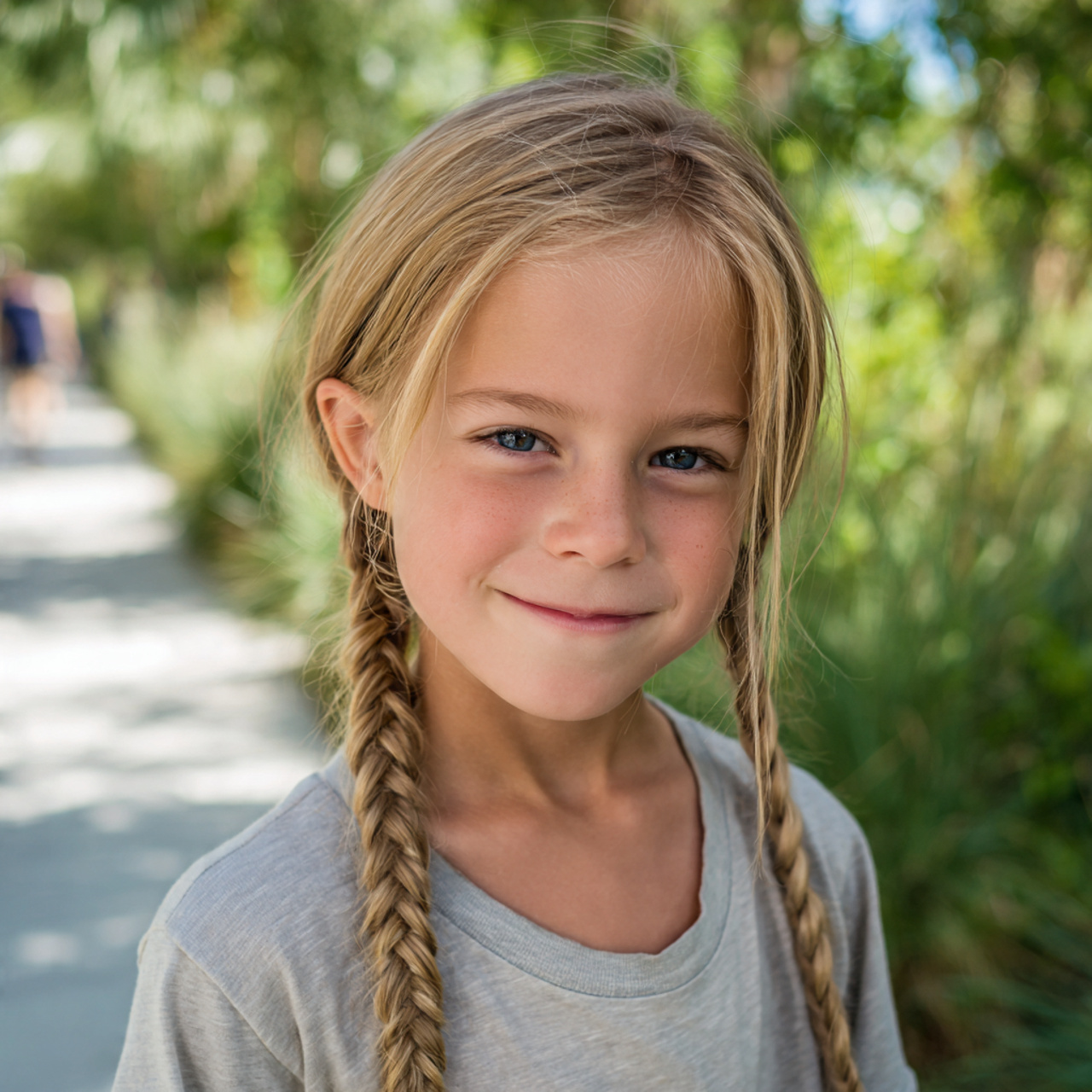
When time is short in the morning, a simple three-strand side braid is a lifesaver that still looks intentional and polished. By sweeping the hair to one side before starting the plait, you create a soft, asymmetrical look that frames the face beautifully without requiring complex sectioning.
This style works best on medium to long hair and can be dressed up with a colorful ribbon or a decorative clip at the base. It is an excellent choice for children who might be sensitive to the scalp tension often associated with tighter cornrows or French braids.
Colorful Feed In Cornrows
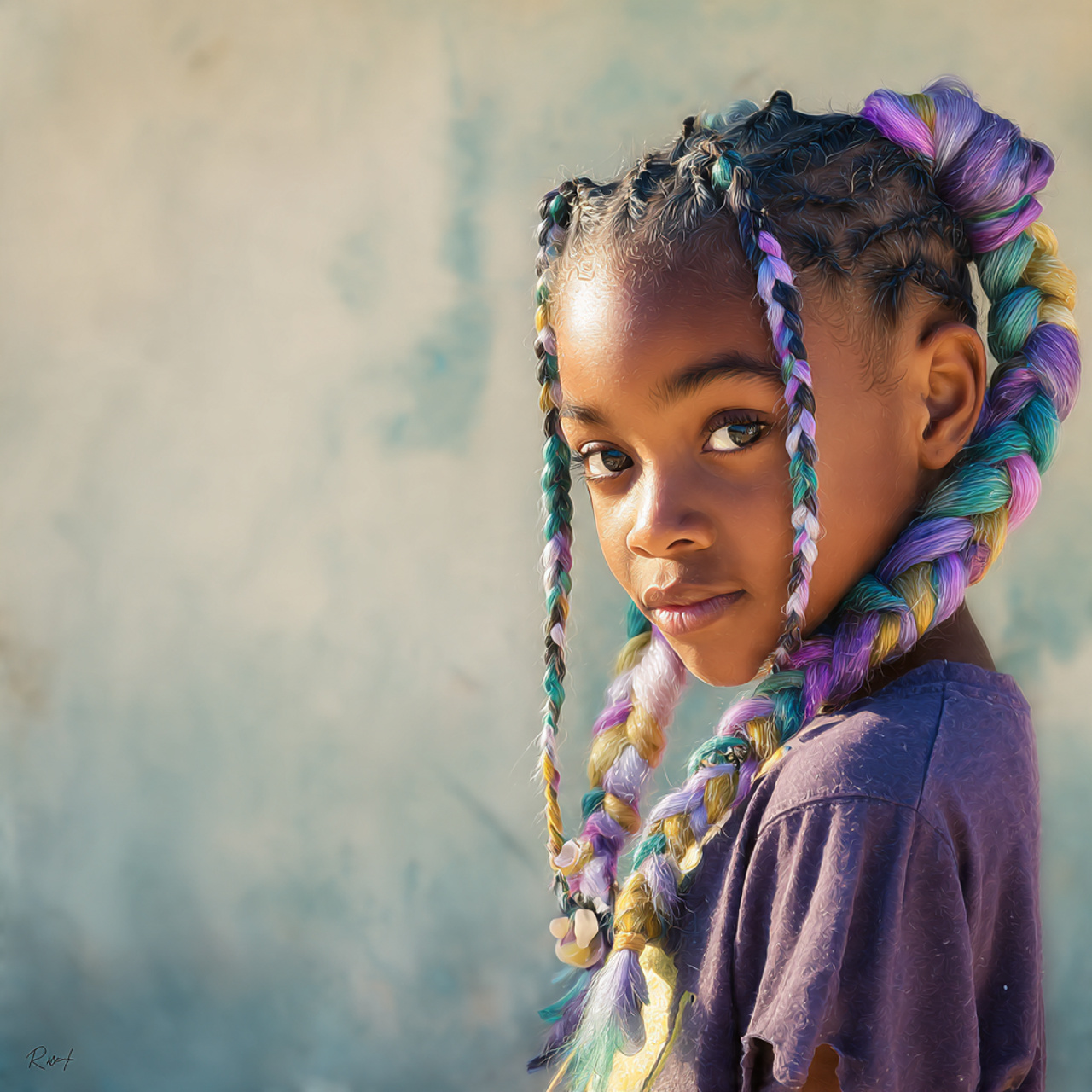
Colorful feed-in cornrows allow for a burst of personality by incorporating synthetic hair or yarn in vibrant shades. This technique involves adding the extensions gradually as the braid progresses, which results in a flat, natural-looking start that increases in thickness and color towards the ends.
Because the color is woven directly into the braid, it stays vibrant without the need for temporary dyes or sprays that can be messy. It is a fantastic protective style for summer breaks or vacations when you want a look that lasts several weeks with minimal maintenance.
Bubble Braids with Elastic Bands
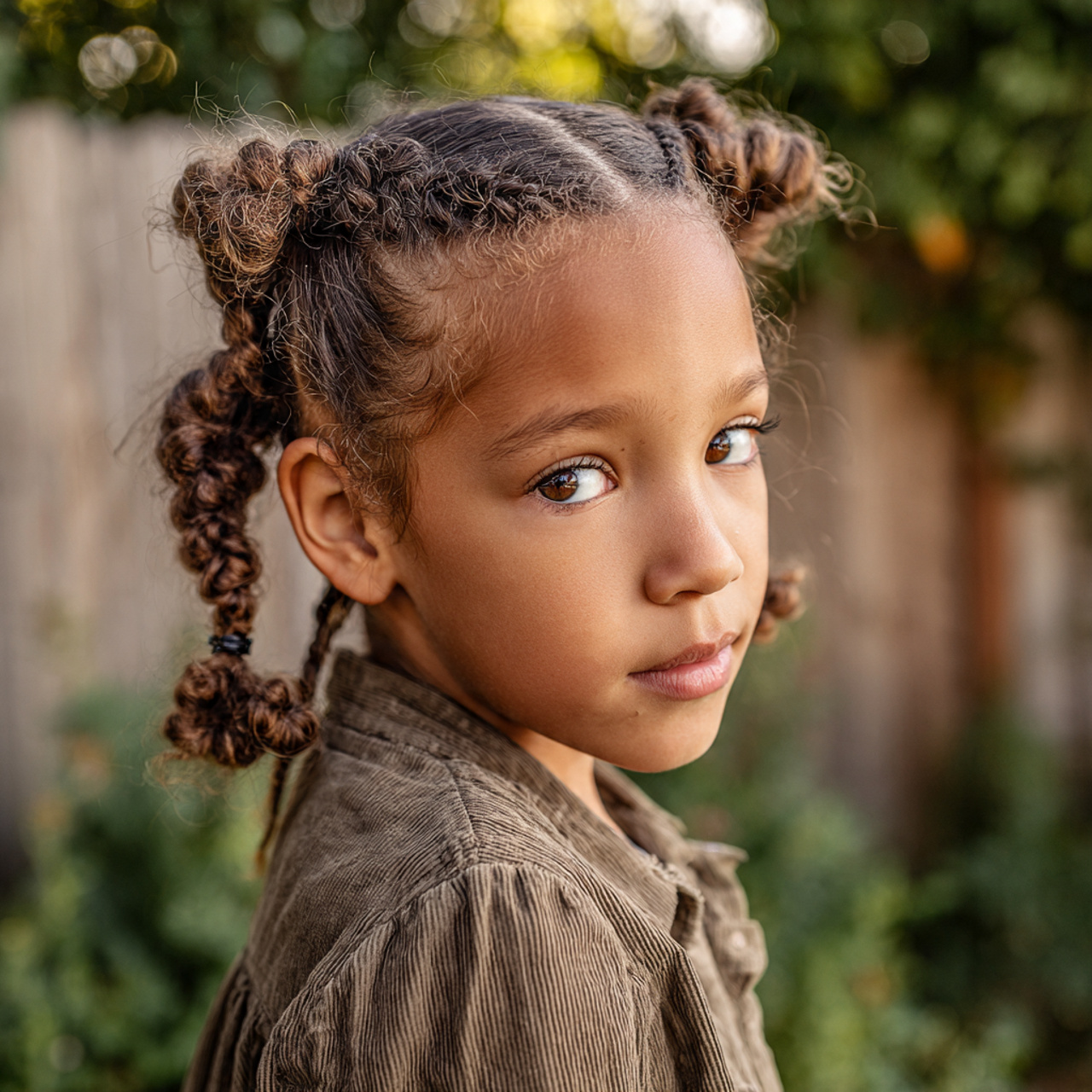
Bubble braids are a trendy and incredibly easy alternative for parents who haven’t quite mastered the traditional braiding technique yet. By using small elastic bands to create “bubbles” of hair down the length of a ponytail, you achieve a voluminous, playful look that kids absolutely love.
This style is perfect for birthdays or parties because it looks high-effort but can be completed in under ten minutes. You can spice it up by using multi-colored elastics or by gently pulling the hair outward to create larger, more dramatic bubbles for extra flair.
French Braid Pigtails
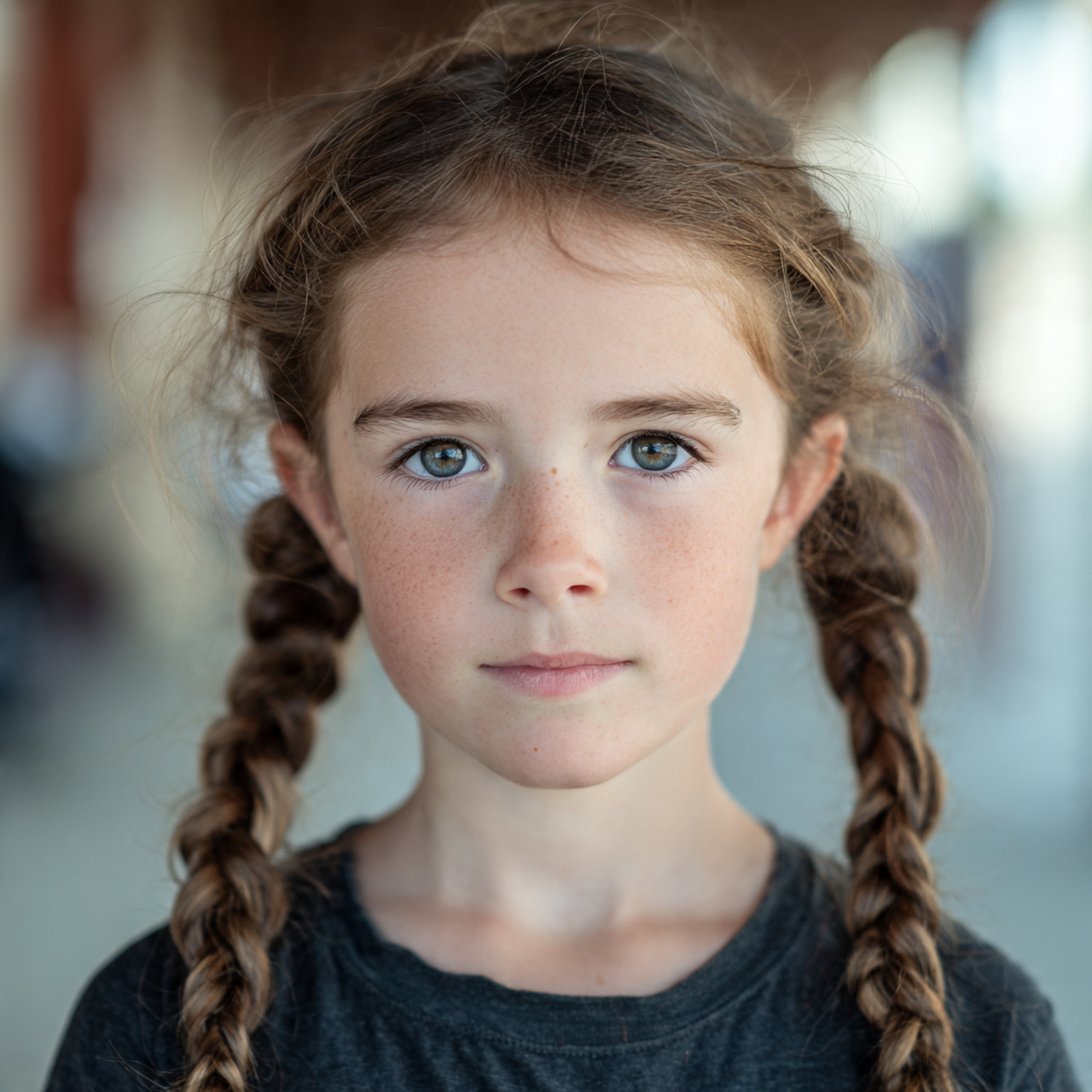
French braid pigtails are a timeless classic that offers a softer, more integrated look than the Dutch variety. By crossing the hair over the middle section, the braids lay flat against the scalp, making them comfortable for nap time or wearing under hats and helmets during outdoor play.
This is an ideal style for keeping shorter layers tucked away, as the continuous addition of hair prevents flyaways from escaping. It is widely considered one of the most reliable options for ensuring a child’s hair stays neat from the first bell of school until they return home.
Heart Shaped Braided Design
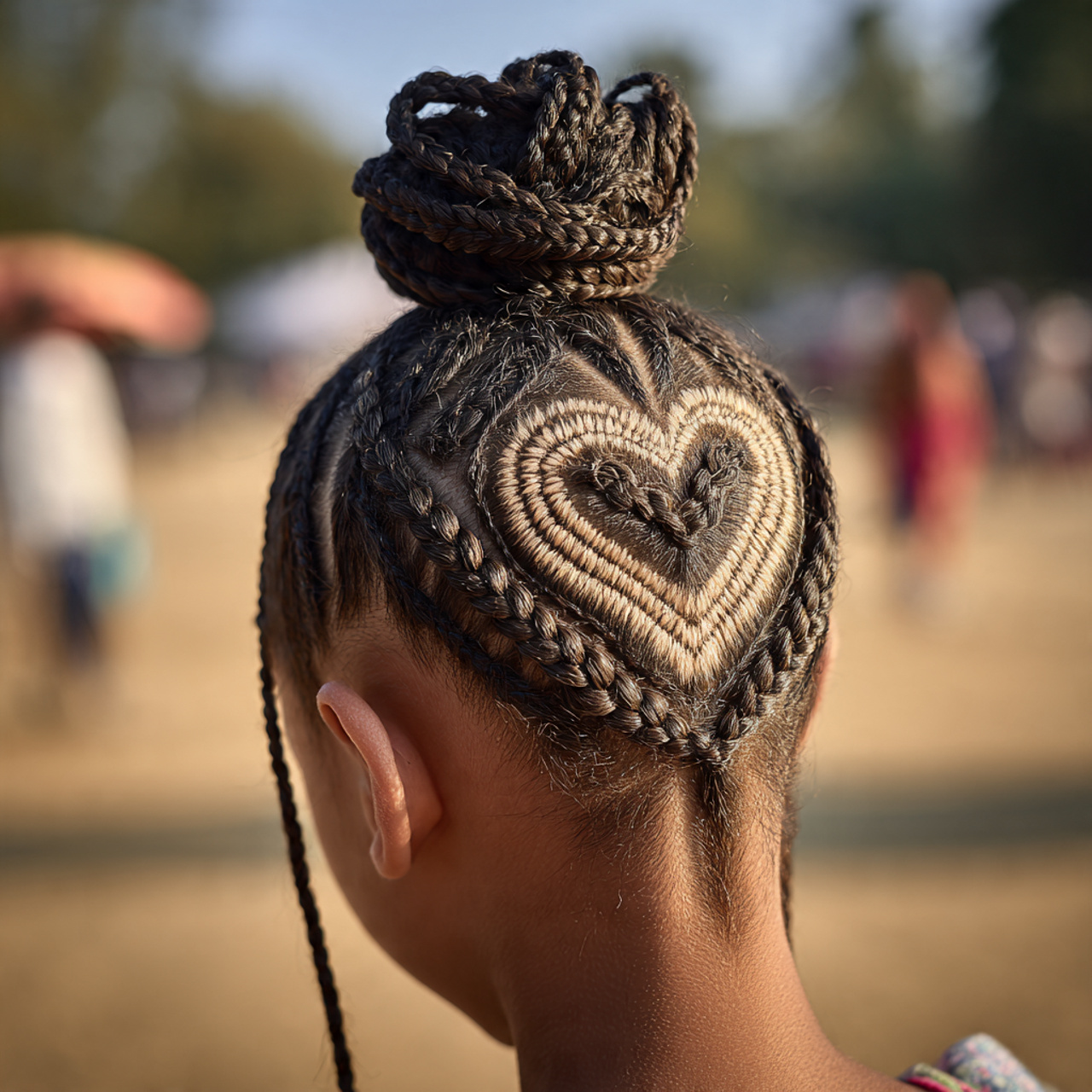
Creating a heart-shaped braided design is a wonderful way to celebrate special occasions like Valentine’s Day or a birthday. This involves careful parting to outline the heart shape on the scalp, followed by thin cornrows that follow the curve to meet at a central point.
While this style requires a bit more patience and a steady hand, the result is a stunning focal point that always gathers compliments. It works best on hair that is well-moisturized, allowing the parts to remain crisp and the heart shape to stay clearly defined for several days.
Fishtail Braid Ponytail
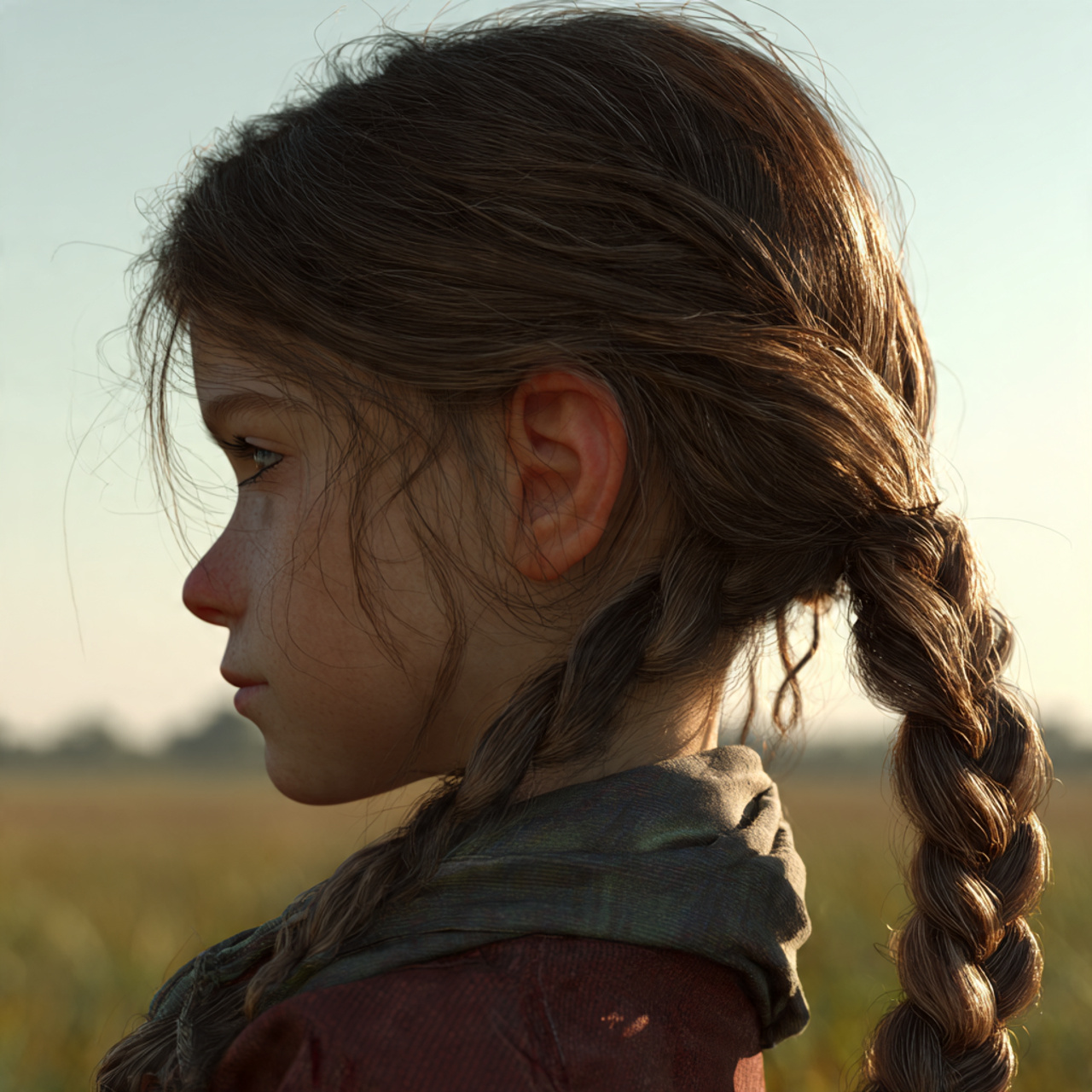
The fishtail braid ponytail offers a sophisticated texture that looks much more intricate than it actually is to execute. By using only two sections of hair and crossing small outer strands over to the opposite side, you create a woven pattern that resembles the delicate scales of a fish.
Starting this braid from a high or low ponytail base makes it much easier to manage for beginners compared to starting at the scalp. It is a great choice for older children who want a style that feels a bit more “grown-up” while still being practical for their daily activities.
Braided Space Bun Style
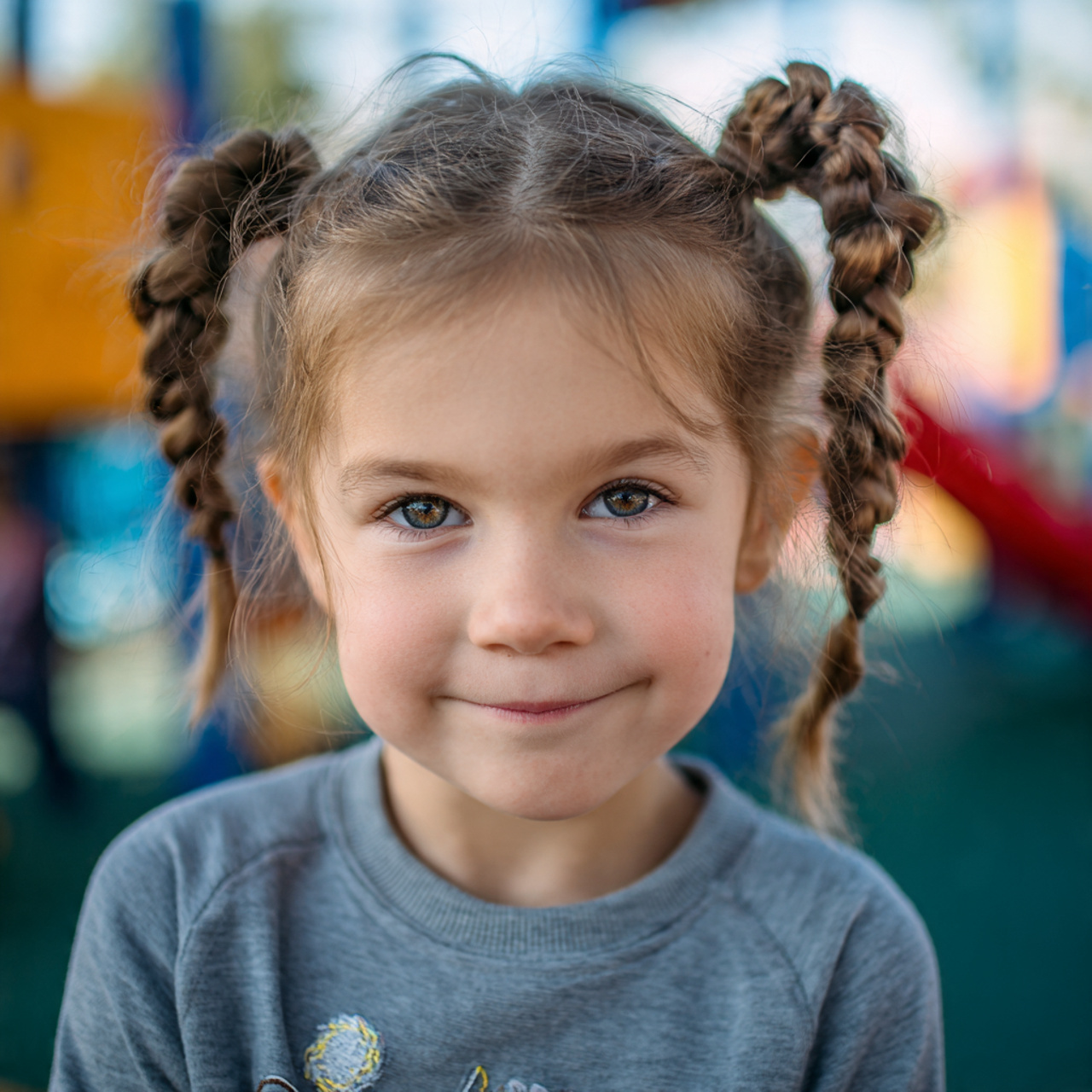
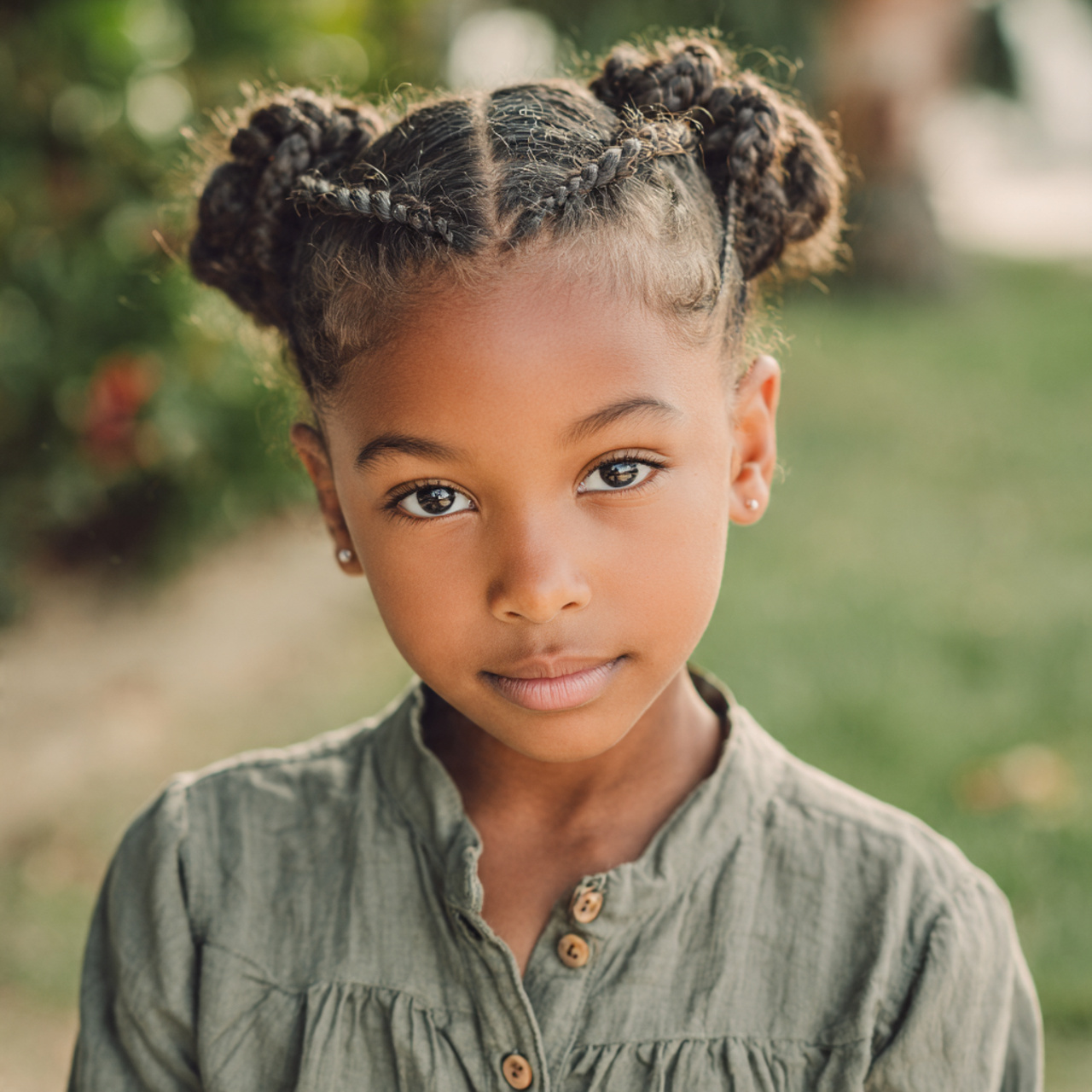
Braided space buns are a fun, double-bun look that incorporates braids from the nape of the neck up to the crown. By flipping the head upside down and braiding upward, you create an unexpected detail that leads into two playful buns sitting high on the head.
This style is exceptionally good at keeping hair off the neck during hot summer months or dance recitals. It provides a secure hold that won’t sag over time, ensuring the child remains comfortable and cool while looking absolutely adorable and ready for any adventure.
Criss Cross Sectioned Braids
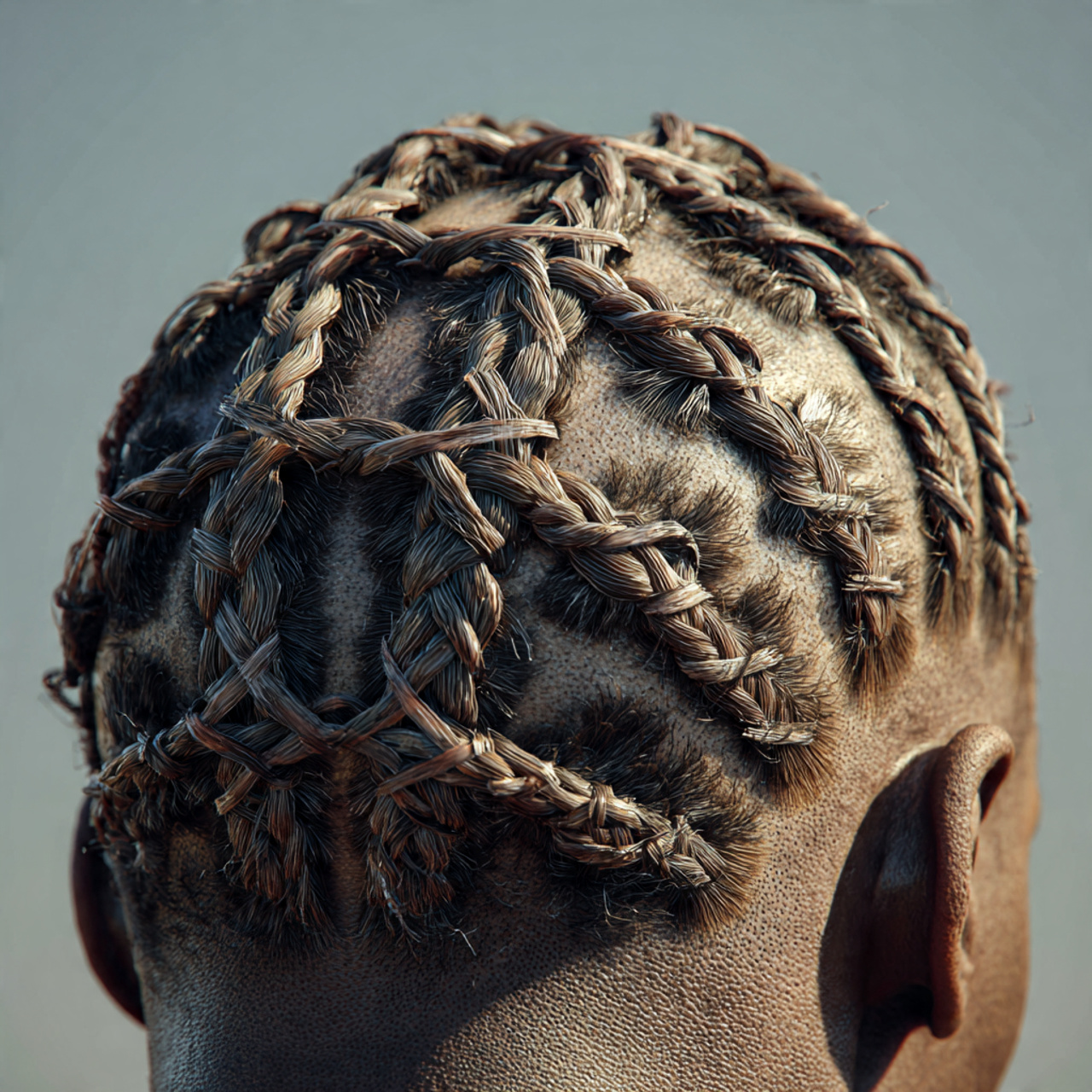
Criss-cross sectioned braids use geometric parting to create a visually striking “X” pattern across the top of the head. Small sections of hair are secured with elastics and then crossed over each other before being incorporated into larger braids or ponytails at the back.
This is a favorite for younger children because the elastics provide extra security, preventing the style from loosening during rough play. It also allows for the use of colorful “beadie” elastics, which can be matched to a school uniform or a favorite outfit for a coordinated look.
Natural Hair Box Braids
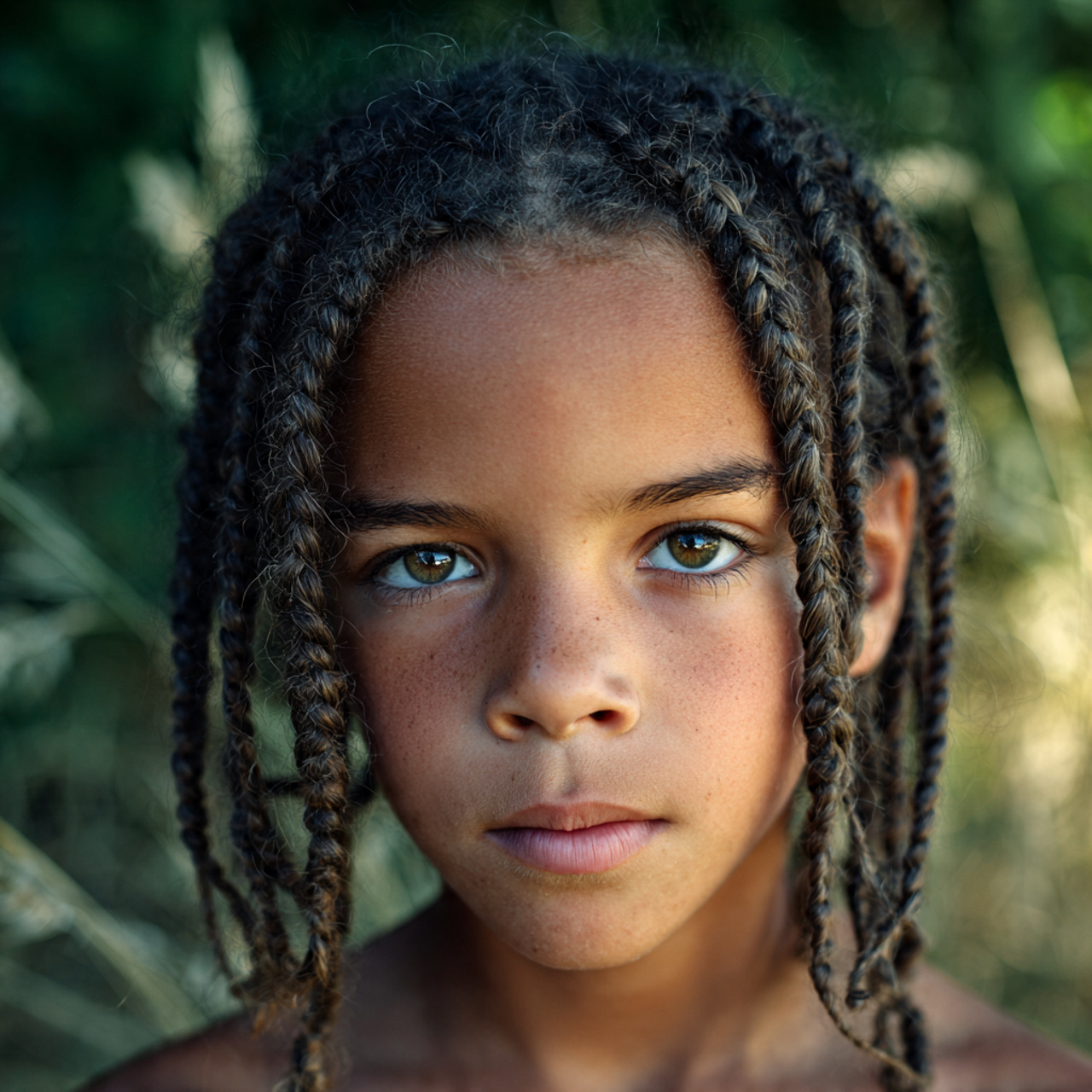
Natural hair box braids are a quintessential protective style that helps retain length and moisture for children with textured hair. By sectioning the hair into square or “box” shapes, the braids hang freely, allowing for maximum versatility in how they are styled—up, down, or in a bun.
These braids can be done with the child’s natural hair or with added extensions for extra length and durability. They are a great long-term solution for busy schedules, as they can stay in for several weeks with proper scalp care and nighttime protection like a silk bonnet.
Fulani Inspired Braids with Beads
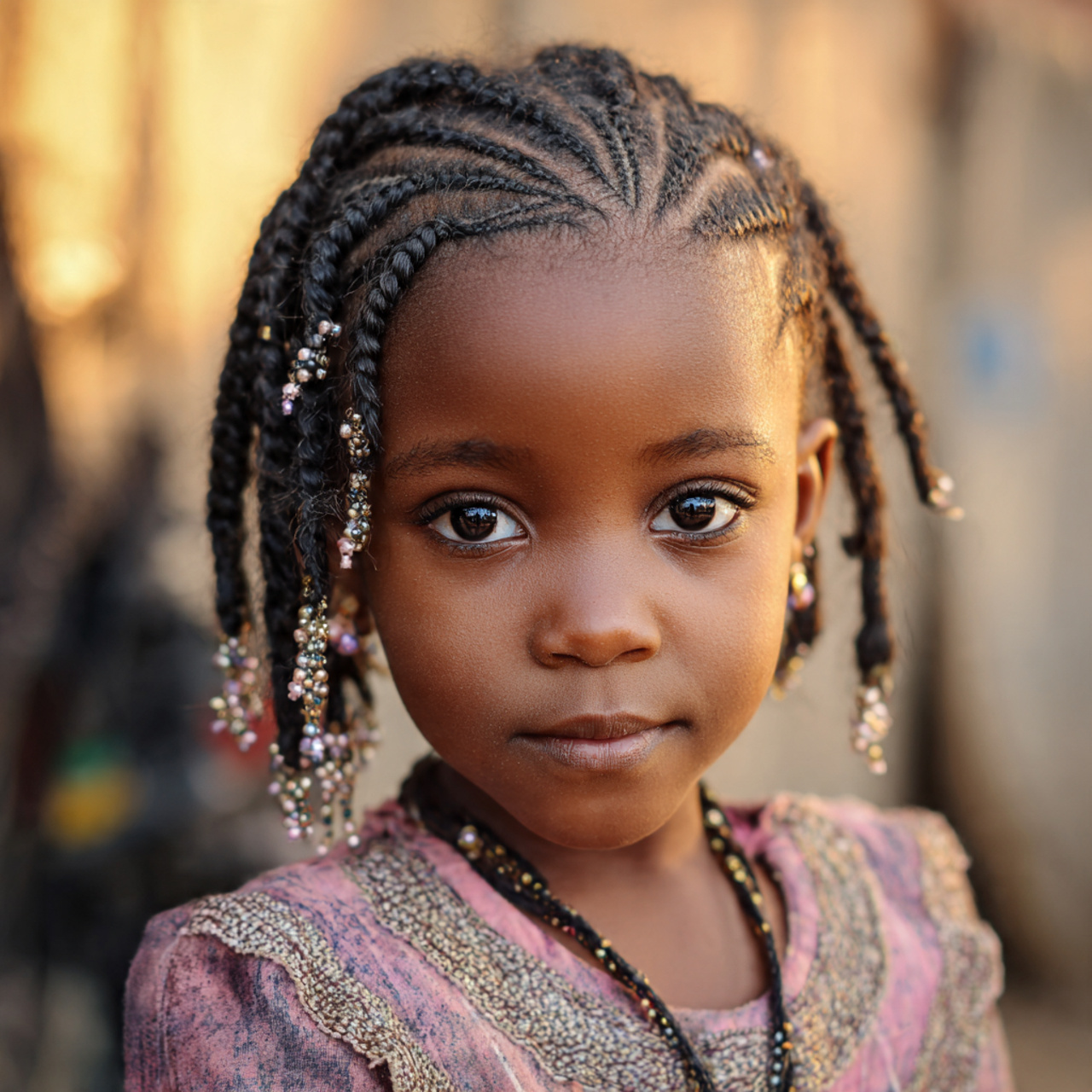
Fulani-inspired braids are characterized by a central cornrow braided toward the back, with side braids directed toward the face or ears. Adding wooden or plastic beads to the ends of these braids creates a rhythmic sound and a cultural aesthetic that is both beautiful and traditional.
The beads serve a dual purpose: they add weight to help the braids hang correctly and they provide an opportunity for the child to choose their favorite colors. This style is excellent for highlighting facial features and celebrating heritage through creative hairstyling.
Crown Braid Halo Look
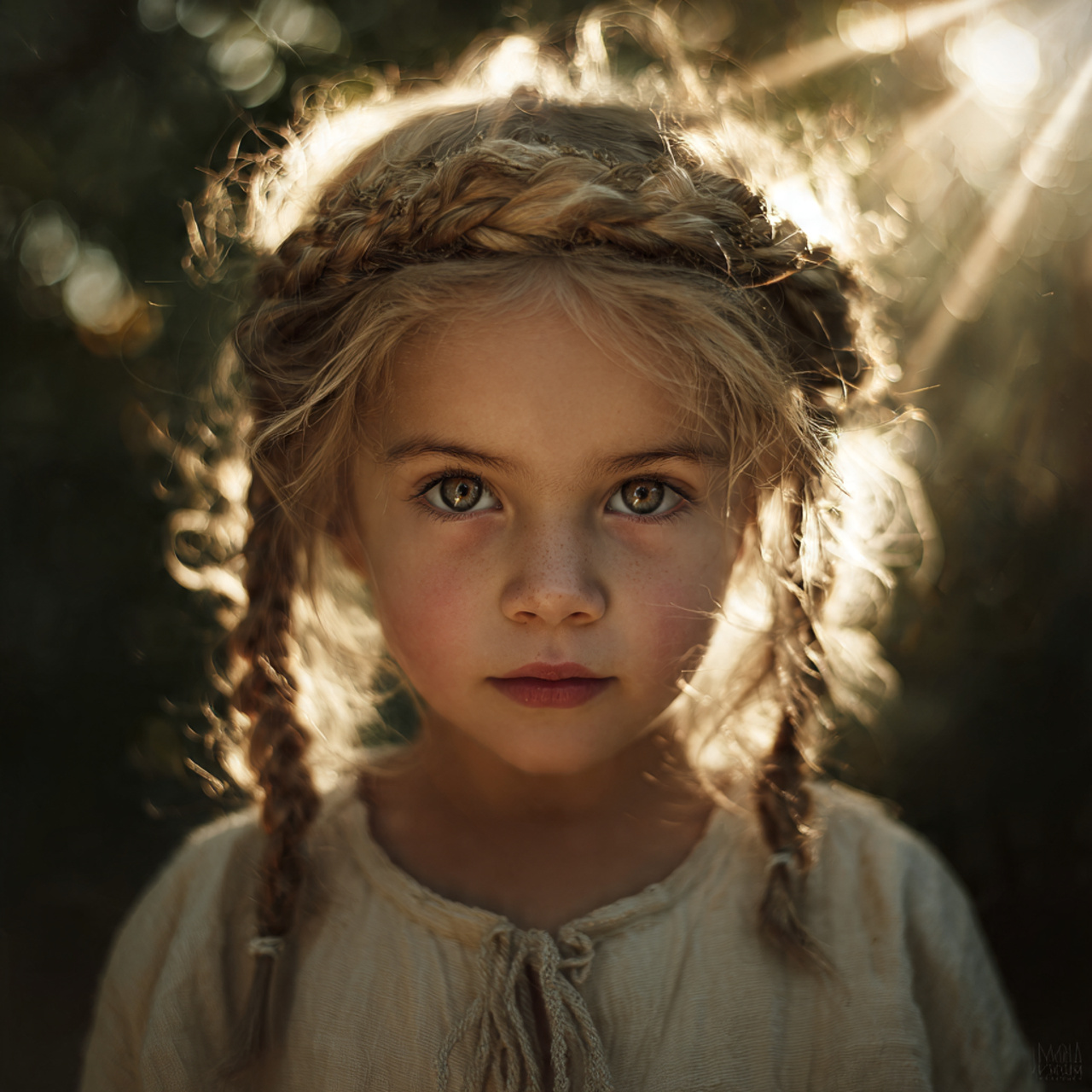
The crown braid, or halo braid, involves a single or double braid that wraps entirely around the perimeter of the head. This creates an elegant, regal appearance that is perfect for weddings, flower girl duties, or any formal event where a child needs to look their best.
Because the hair is completely pinned up and away, it is also a very practical choice for children who find hair on their neck distracting. It works best on longer hair that has enough length to reach all the way around, though it can be achieved on medium hair with clever pinning.
Pull Through Braid for Long Hair
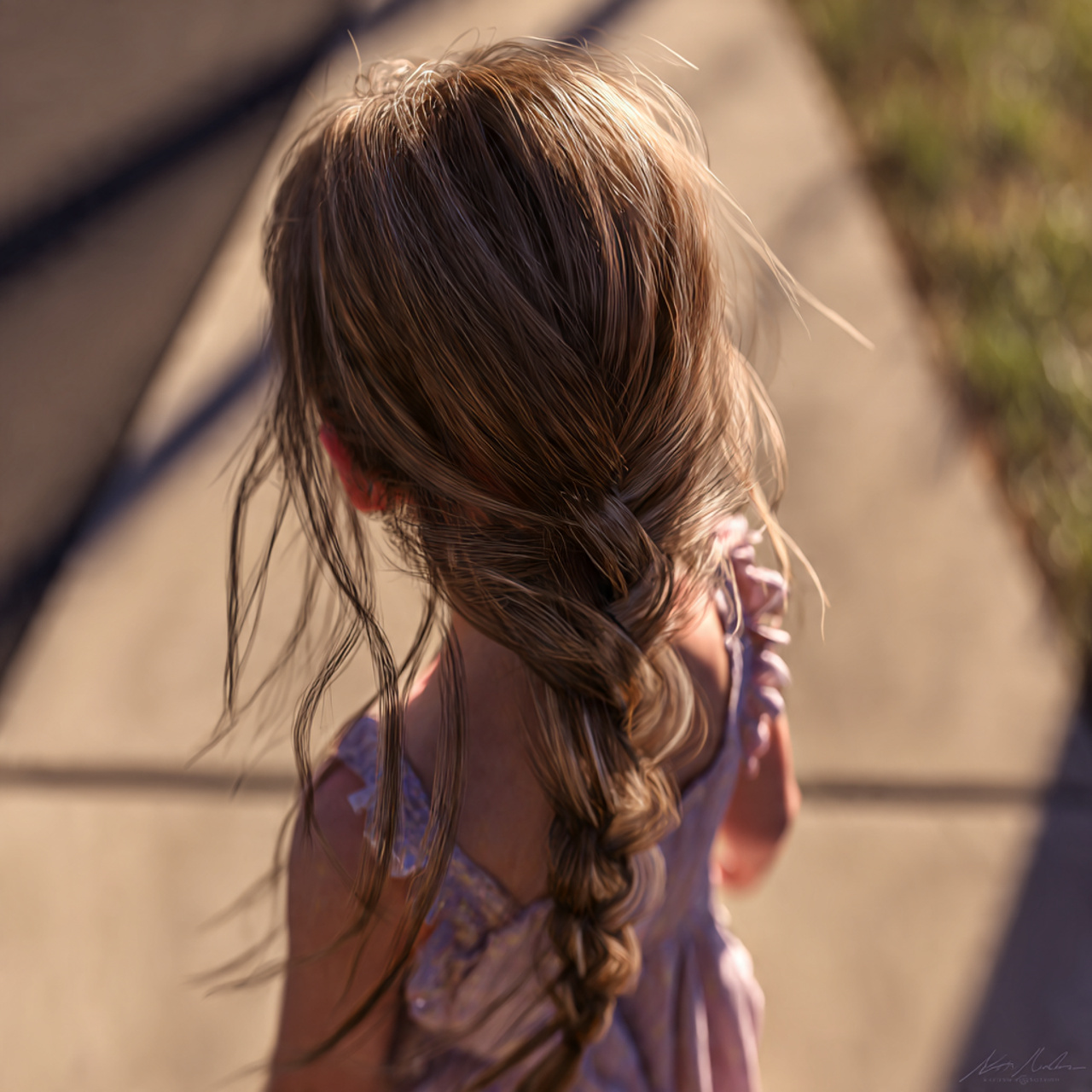
A pull-through braid is essentially a series of linked ponytails that creates a massive, voluminous effect without any actual “braiding.” This technique is perfect for kids with long, fine hair that usually slips out of traditional plaits, as the elastics keep every section firmly in place.
The result is a thick, 3D look that resembles a very intricate Dutch braid but is much more durable. It is a fantastic option for a long day at an amusement park or a school field trip where you don’t want to worry about the hair coming undone halfway through the day.
Diagonal Micro Braids
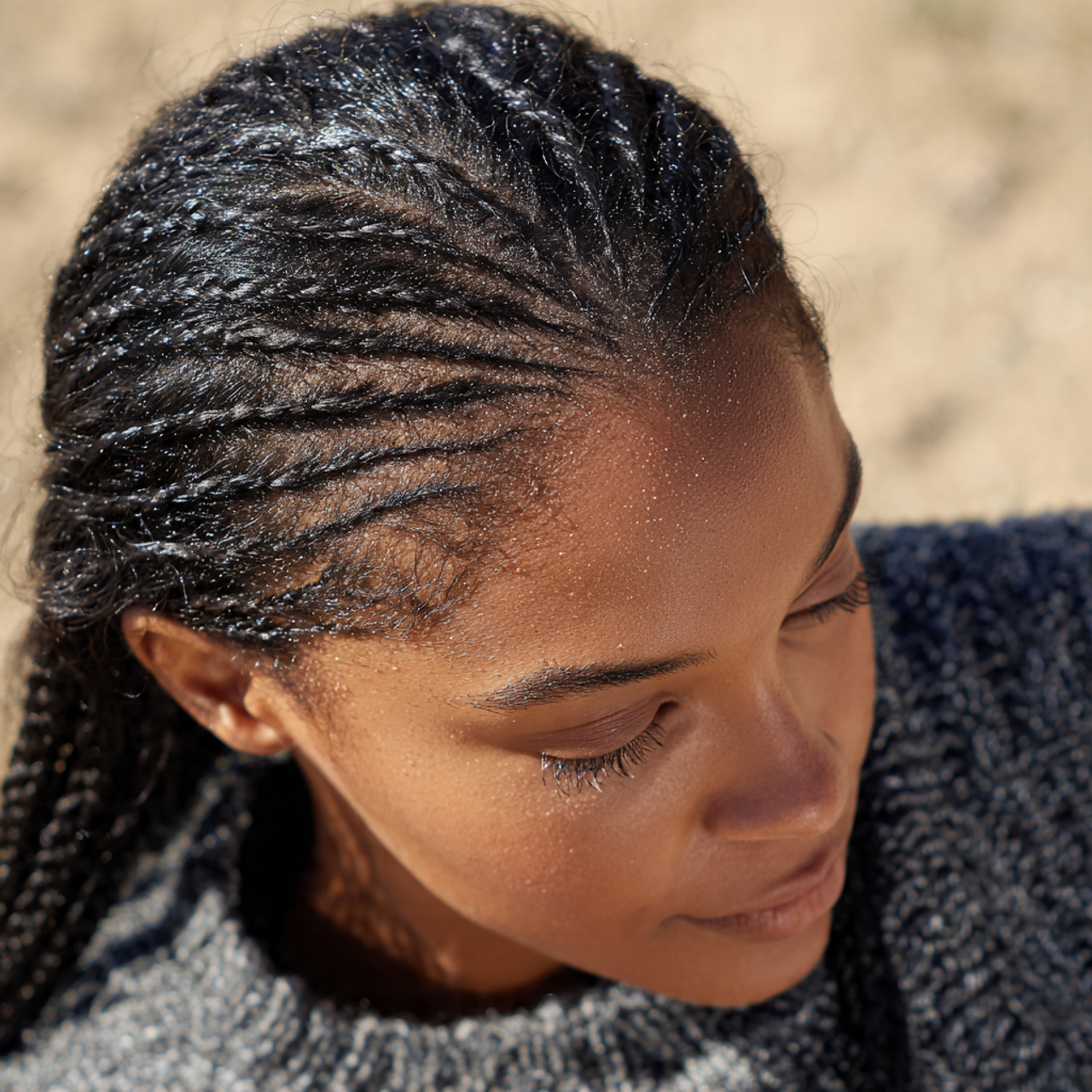
Diagonal micro braids use very thin cornrows angled across the scalp to create a sleek and modern silhouette. This style is often preferred for its longevity and the way it lays flat, making it easy to pull back into a ponytail or a bun without any bulk or discomfort.
Because the sections are so small, this style can take longer to install, but the payoff is a look that can last for up to a month. It is an excellent choice for children with very thick hair that needs to be condensed into a more manageable and low-maintenance form.
Half Up Half Down Braided Waves
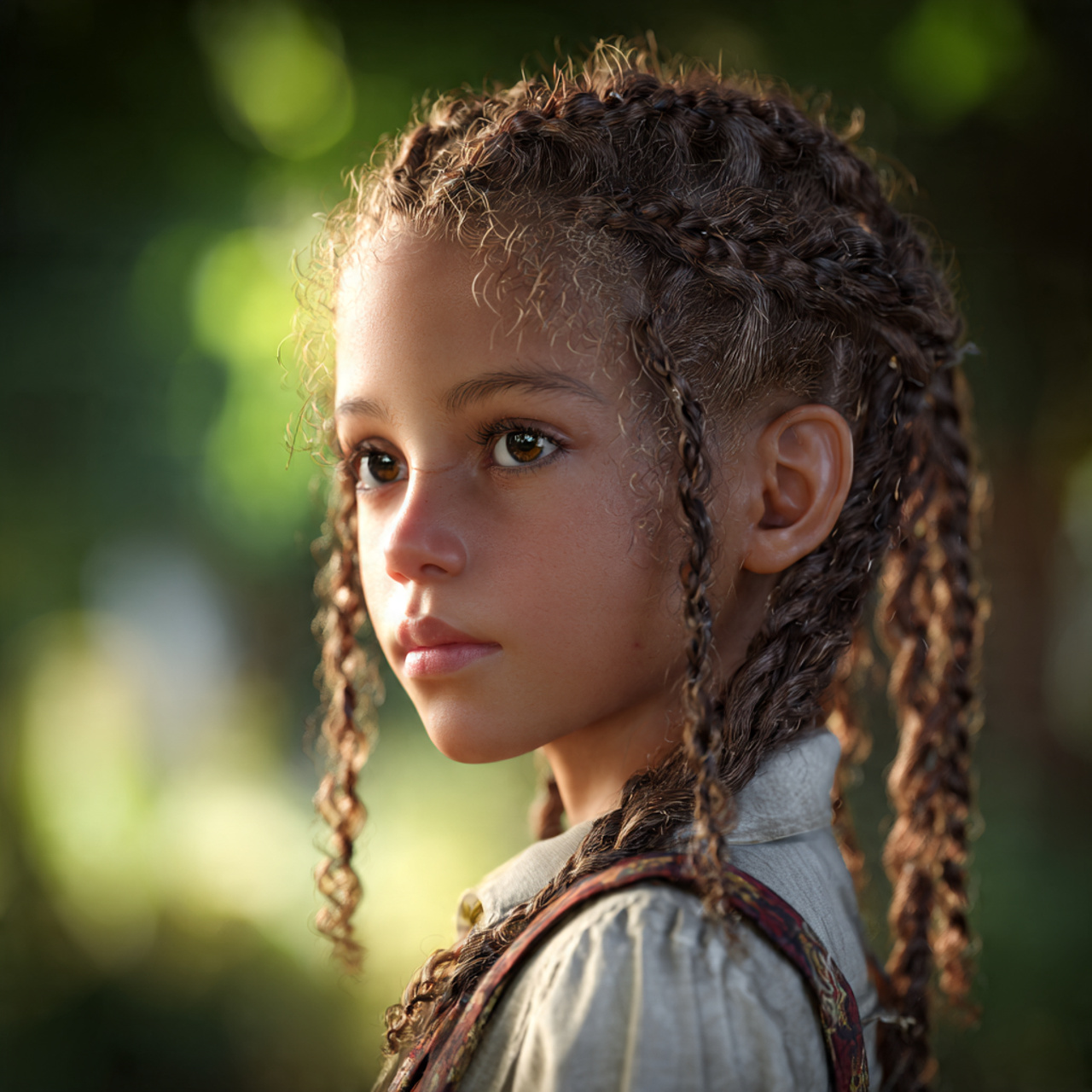
The half up half down braided style offers the best of both worlds by keeping hair out of the eyes while letting the rest flow freely. Usually, two or three braids are created at the top or sides of the head and then secured at the back, leaving the remaining hair to hang in natural waves.
This look is soft, feminine, and perfect for casual outings or school days when your child wants to show off their hair length. It is also a great way to transition from a fully braided style to an open one, as it requires less time than braiding the entire head of hair.
Butterfly Braid Extension Style
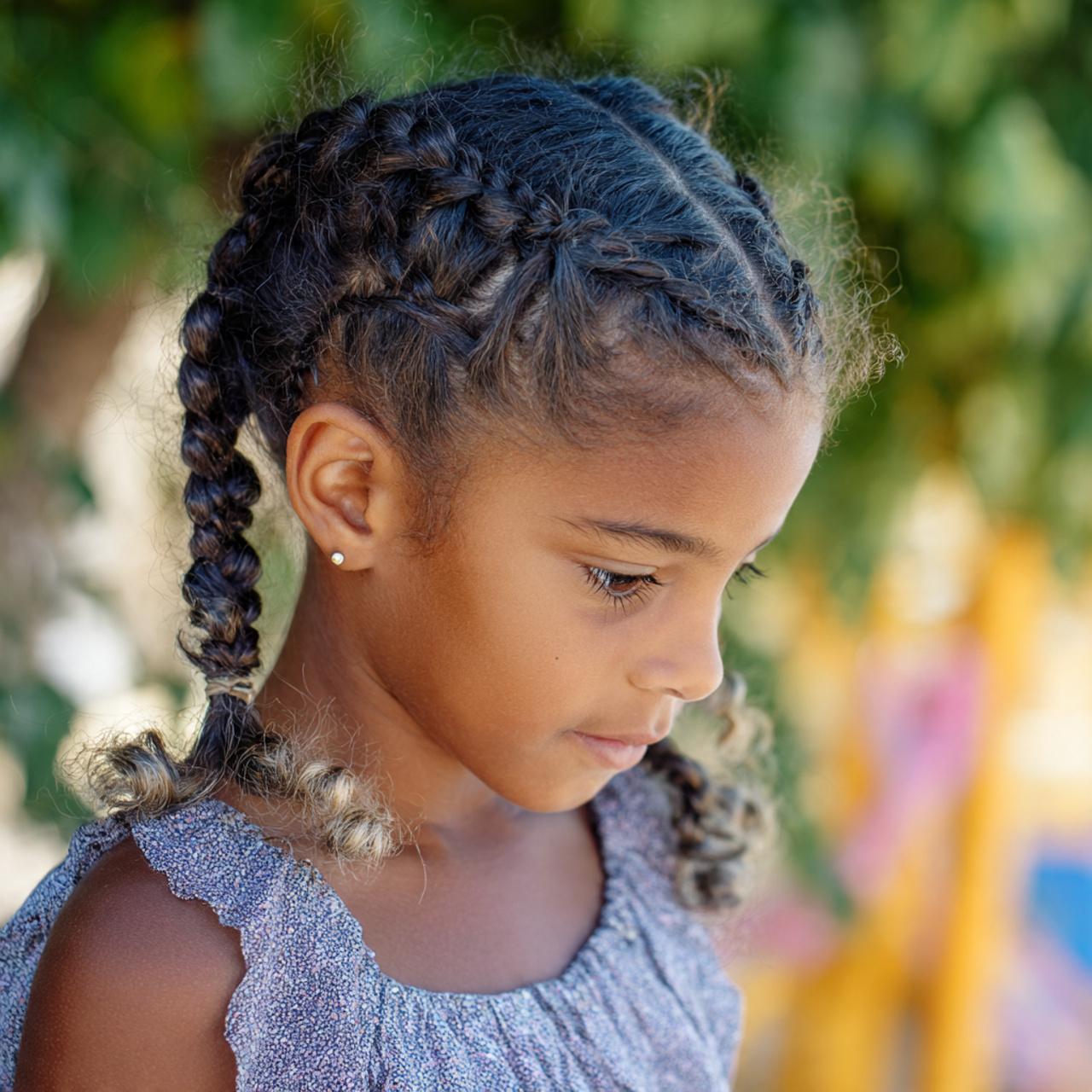
Butterfly braids are known for their oversized, “fluffy” appearance, created by pulling loops of hair out of a thick braid to mimic the wings of a butterfly. This style often uses extensions to achieve the necessary volume and creates a whimsical, boho-vibe that is very popular for photoshoots.
While it looks delicate, the structure is quite sturdy if the base is anchored well. It is a high-impact style that makes a big statement, making it a top choice for kids who love to stand out and enjoy a bit of extra glamour in their daily look.
Zig Zag Parted Cornrows
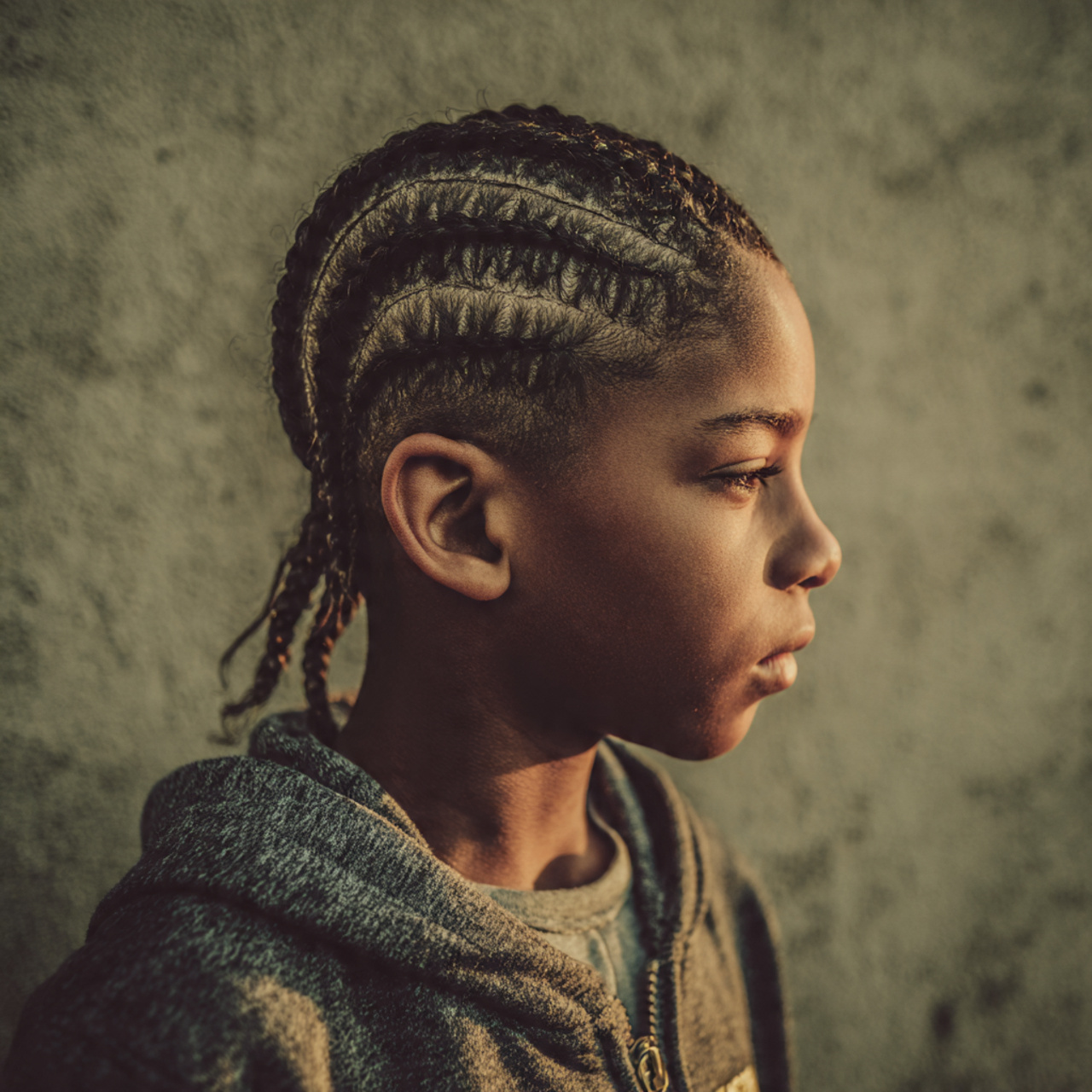
Zig zag parted cornrows add a fun, geometric twist to the traditional straight-back braiding pattern. By using a rattail comb to create a sharp zig-zag line for each section, the scalp itself becomes part of the artistic design, adding visual interest to the entire hairstyle.
This variation works with any number of braids and is a simple way to elevate a basic style without needing extra accessories. It is particularly popular with school-aged children who want something a little more “cool” and unique than the standard straight parts their friends might have.
Braided Mohawk with Curls
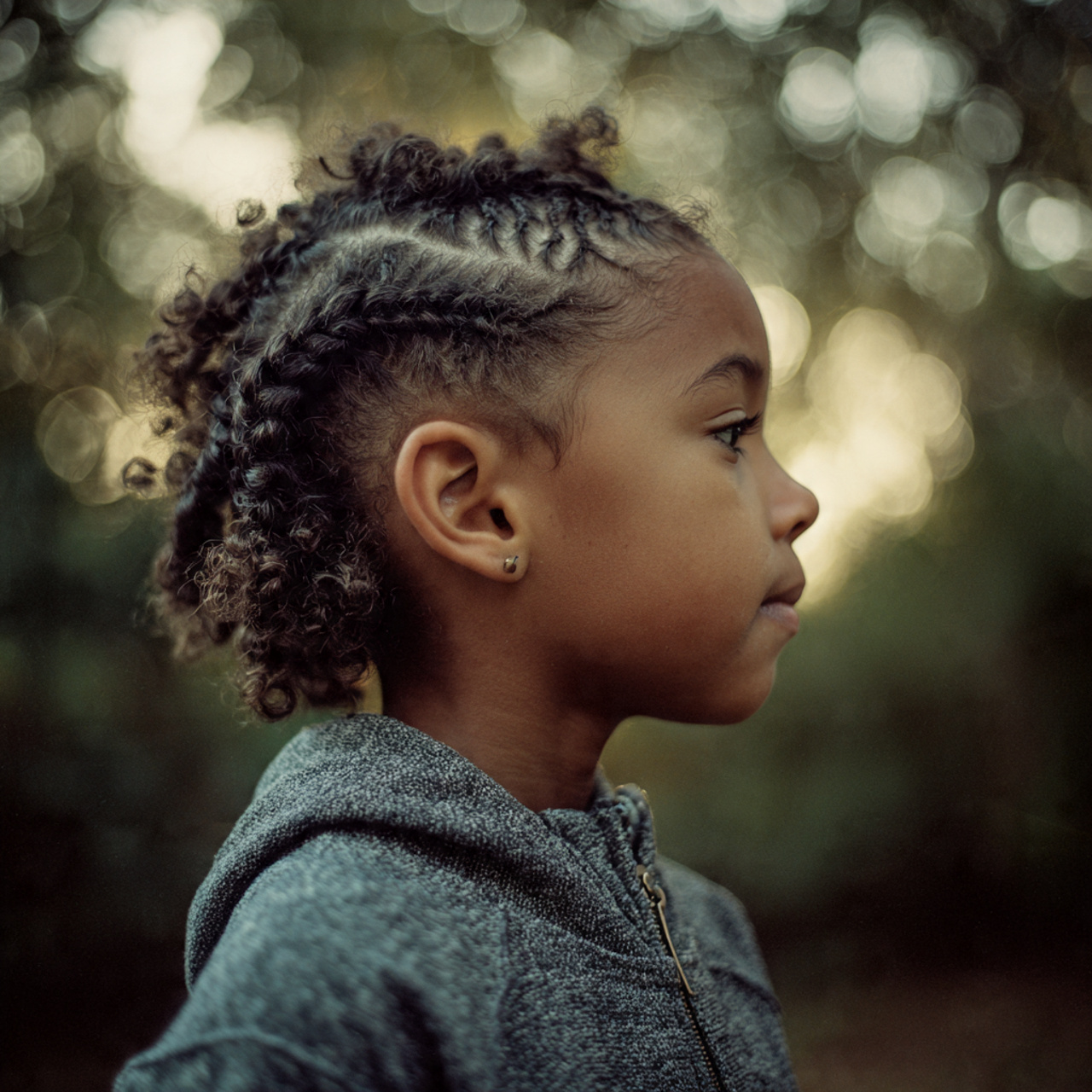
The braided mohawk, also known as a fro-hawk, involves braiding the sides of the hair upward toward the center of the head. The middle section is then left unbraided, allowing the natural curls or coils to burst out in a bold, vertical strip that runs from the forehead to the nape.
This style is a wonderful way to showcase natural texture while keeping the sides neat and tapered. It is a confident, energetic look that suits children with big personalities and plenty of natural volume to play with in the center “hawk” portion of the style.
Four Strand Rope Twist
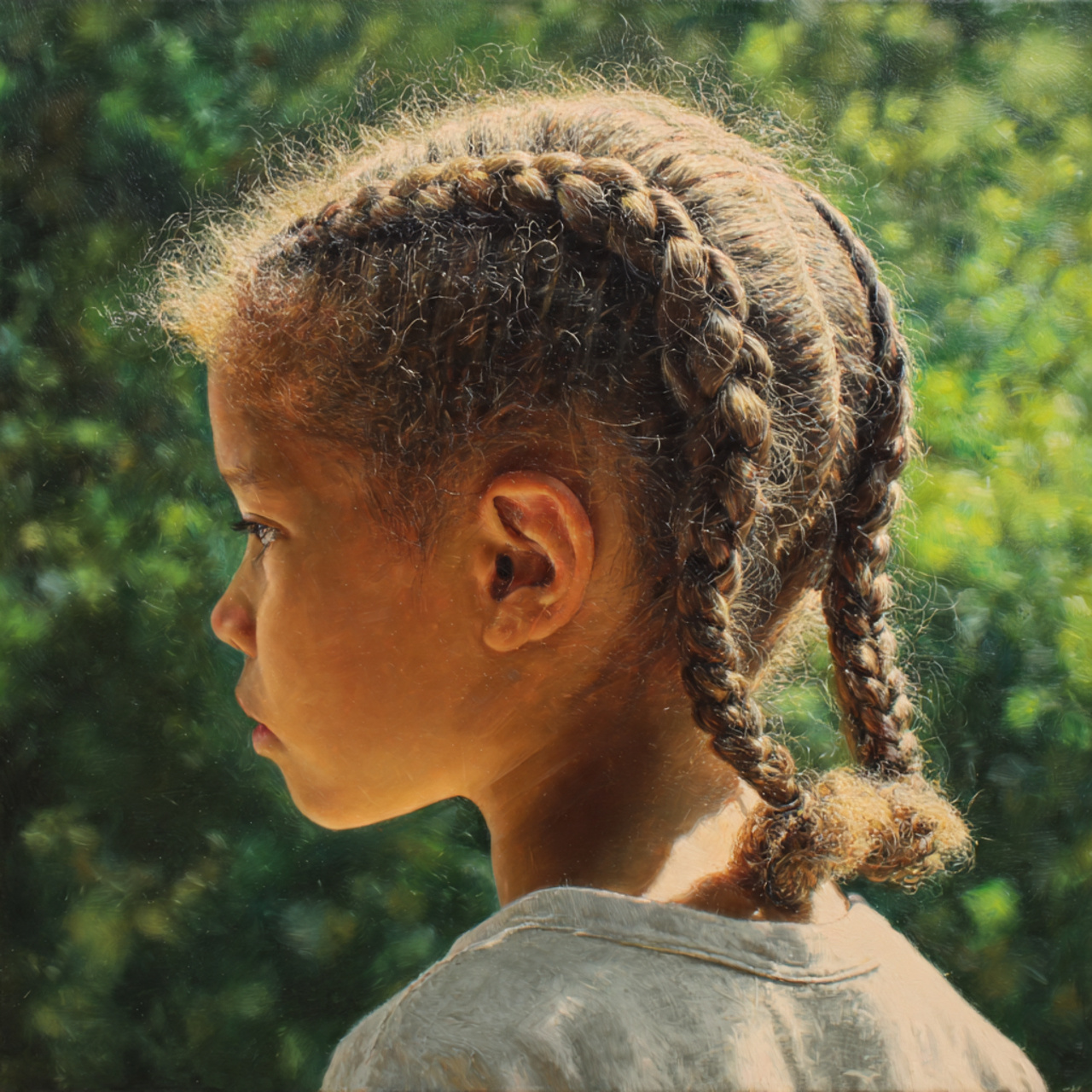
A four-strand rope twist is a unique alternative to the standard three-strand braid, offering a more rounded, rope-like appearance. By splitting the hair into four sections and following a specific over-under pattern, you create a sturdy twist that resists frizz and unraveling.
This style is great for kids with slippery, straight hair that often slides out of traditional braids. The extra strand provides more friction and grip, ensuring the style stays tight and defined throughout a busy day of school and extracurricular activities.
Side Swept Dutch Braid
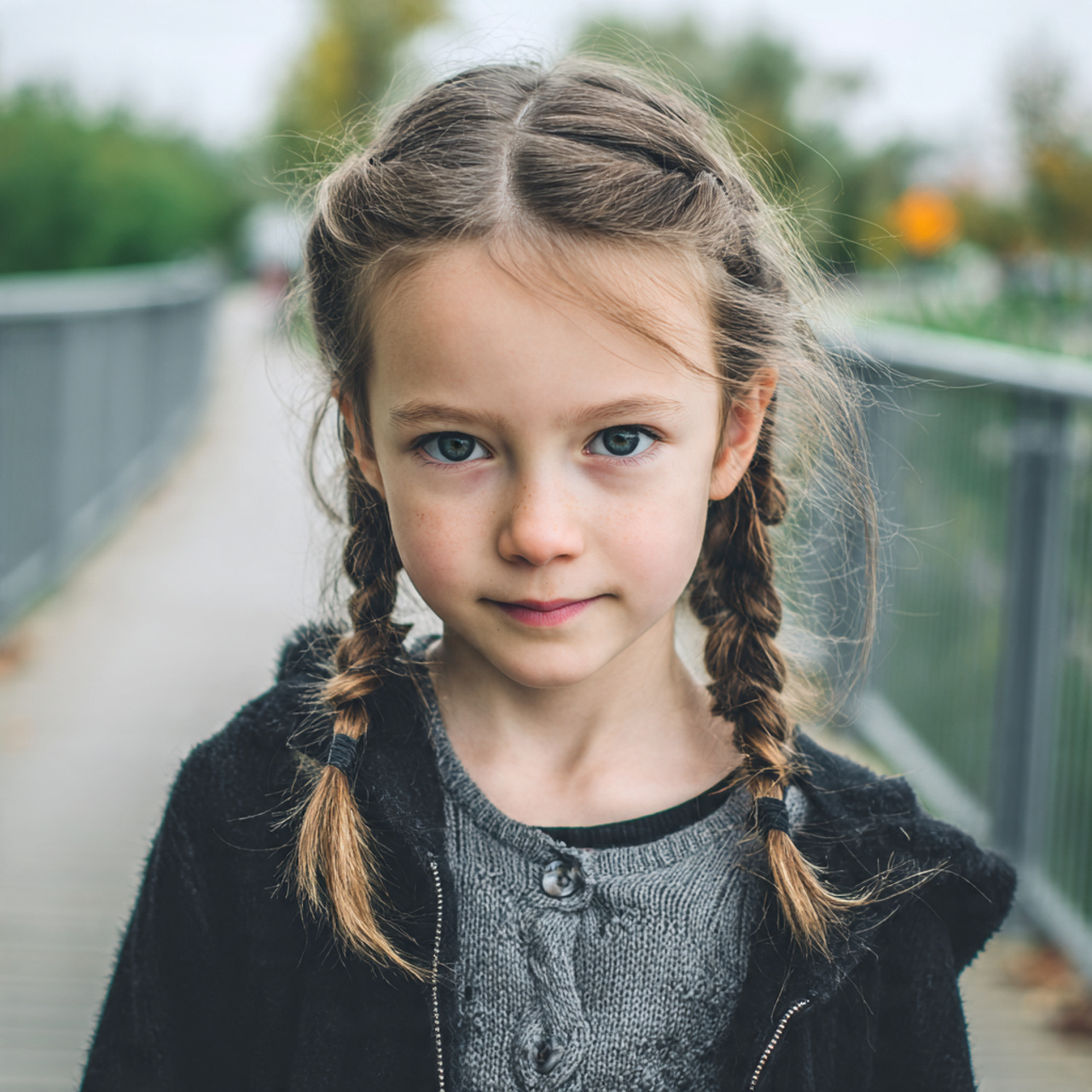
The side-swept Dutch braid starts at one temple and curves gracefully around the back of the head to the opposite shoulder. This creates a romantic, flowing look that keeps the hair secure but allows it to drape beautifully over the shoulder like a thick, braided scarf.
This style is often used for more formal occasions but is simple enough for everyday wear. It is particularly effective for children with very long hair, as it manages the length and weight of the hair by distributing it across the back of the neck rather than in a single heavy point.
FAQs About kids braided hairstyles ideas
How long do most braided hairstyles for kids typically last? Depending on the complexity and the hair type, most braids can last anywhere from a single day to four or six weeks. Simple French or Dutch braids are usually meant for daily or two-day wear, while protective styles like box braids or cornrows can last much longer with proper care. It is important to monitor the scalp for any tension or buildup to ensure the hair remains healthy.
What are the best hair products to use for gripping kids’ braids? For the best results, use a lightweight edge control or a specialized braiding jam to help grip the hair and minimize flyaways without being too greasy. A leave-in conditioner or a light hair oil is also essential to keep the hair moisturized while it is tucked away in the braids. Avoid using heavy waxes that can cause buildup and make the takedown process difficult for the child.
How can I protect my child’s braids while they sleep? The most effective way to protect braids overnight is by having the child wear a silk or satin bonnet or by using a satin pillowcase. This reduces the friction between the hair and the fabric, which prevents frizz and keeps the braids looking crisp for a longer period. For longer braids, you can gently tie them back in a loose ponytail to prevent them from tangling or pulling during the night.
Are certain braided styles better for active kids who play sports? Double Dutch braids or tight cornrows are generally the best options for highly active children because they stay very close to the scalp and are less likely to unravel. These styles keep the hair completely out of the eyes and off the neck, which is helpful for concentration and cooling during physical activity. They also fit easily under helmets or headbands used in various sports.
How do I gently detangle hair after taking out long-term braids? When removing braids that have been in for a week or more, it is crucial to use a detangling spray or a mixture of water and conditioner to soften the hair. Start at the ends and slowly work your way up to the roots using a wide-tooth comb or your fingers to remove shed hair and any buildup. Never rush this process, as the hair can be more fragile immediately after being released from a tight style.
Conclusion
Finding the right kids braided hairstyles ideas can truly transform the way you approach your child’s hair care routine, turning a daily chore into a moment of creativity. Whether you opt for a simple side braid or a more complex heart-shaped design, the goal is always to balance a beautiful aesthetic with the comfort and health of your child’s hair.
By experimenting with the different textures, patterns, and accessories mentioned in this guide, you can find a variety of looks that suit your child’s lifestyle and personality. Remember that the best styles are those that make your child feel confident and happy while providing the protection their hair needs to grow strong and healthy for years to come.