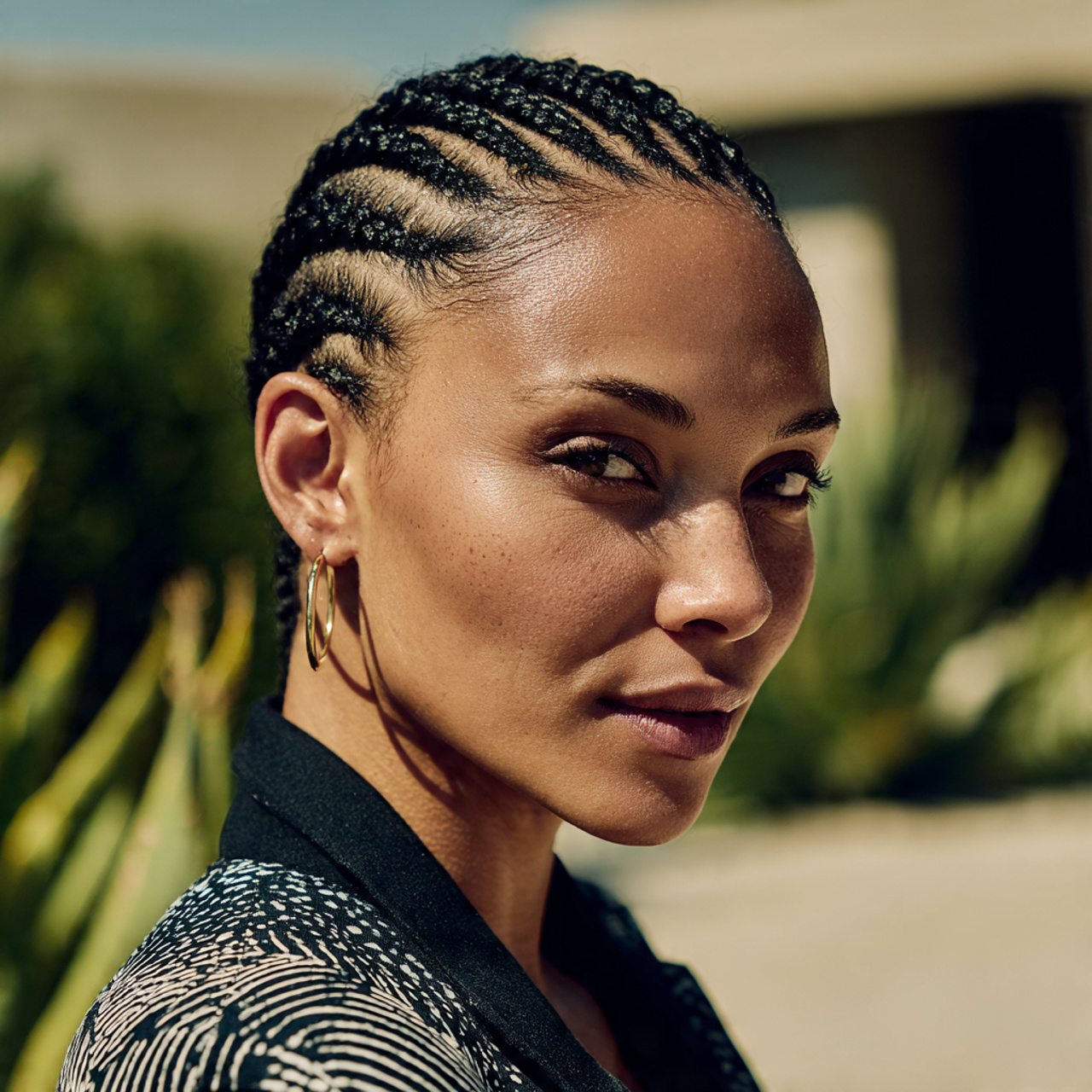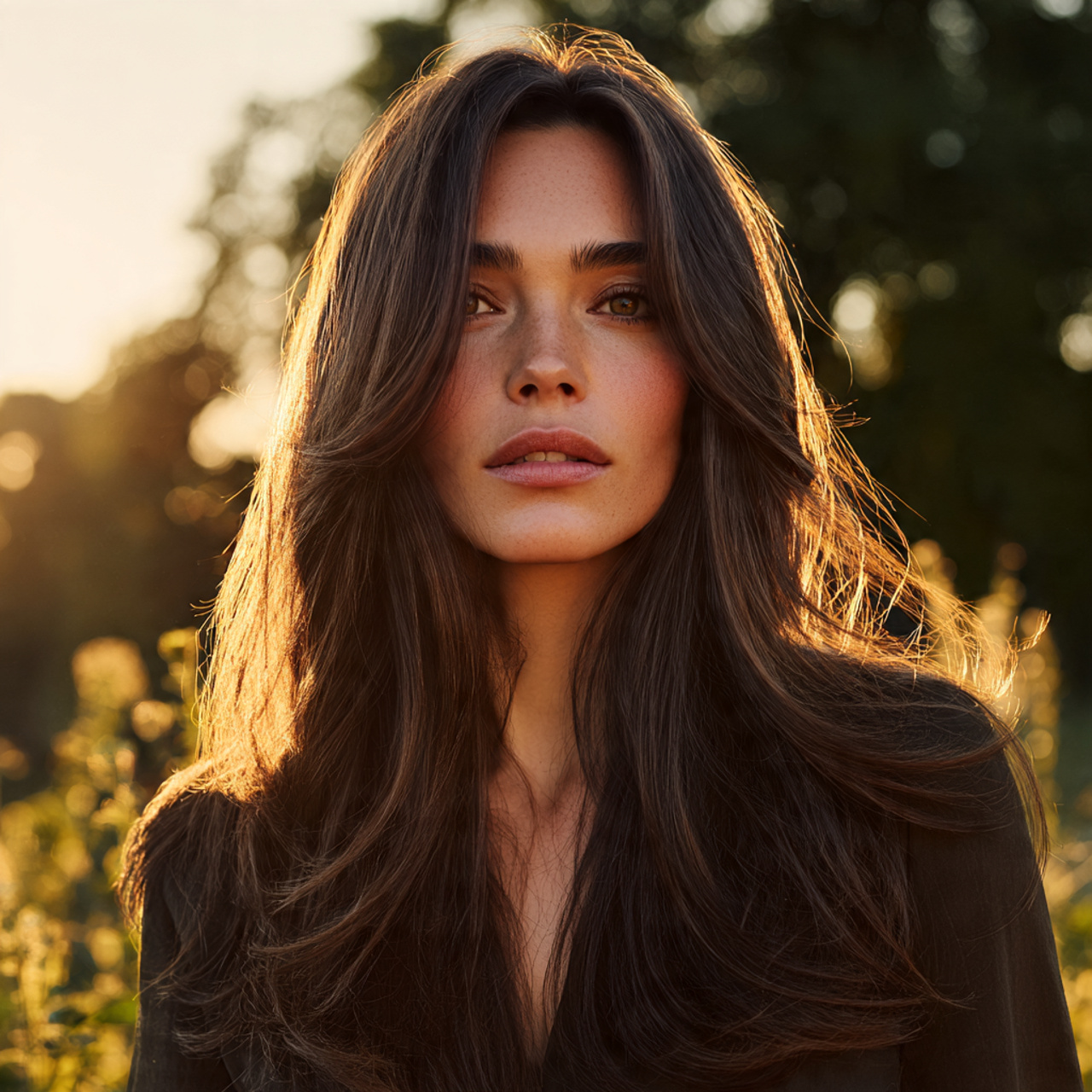
25 Layered Hair Ideas for Volume & Style
Layered hair ideas are one of the most versatile and popular trends in hairstyling, offering movement, volume, and texture to virtually any hair type or length. This timeless cutting technique involves strategically reducing bulk and adding shape, instantly upgrading a simple cut into a dynamic and flattering style.
Whether you’re looking for a subtle enhancement to your long tresses or a dramatic overhaul for short hair, the right layering technique can frame your face beautifully and make daily styling effortless. This guide explores 25 creative concepts to inspire your next salon visit and help you find the perfect layered look.
Exploring the Best layered hair ideas for Every Look
The appeal of layered hair ideas lies in their incredible adaptability, making them a fantastic choice for anyone seeking a fresh, modern hairstyle that still maintains a classic elegance. Layers are crucial for distributing weight, which is essential for managing thick hair and adding life to fine, limp hair. They are the secret weapon of any versatile stylist.
Choosing the perfect layered style depends on your hair’s natural texture, density, and length, but the goal remains the same: to create soft transitions and dynamic movement. From dramatic, face-framing pieces to barely-there internal layers, the possibilities are endless for customizing a look that truly complements your features.
Soft, Face-Framing Layers
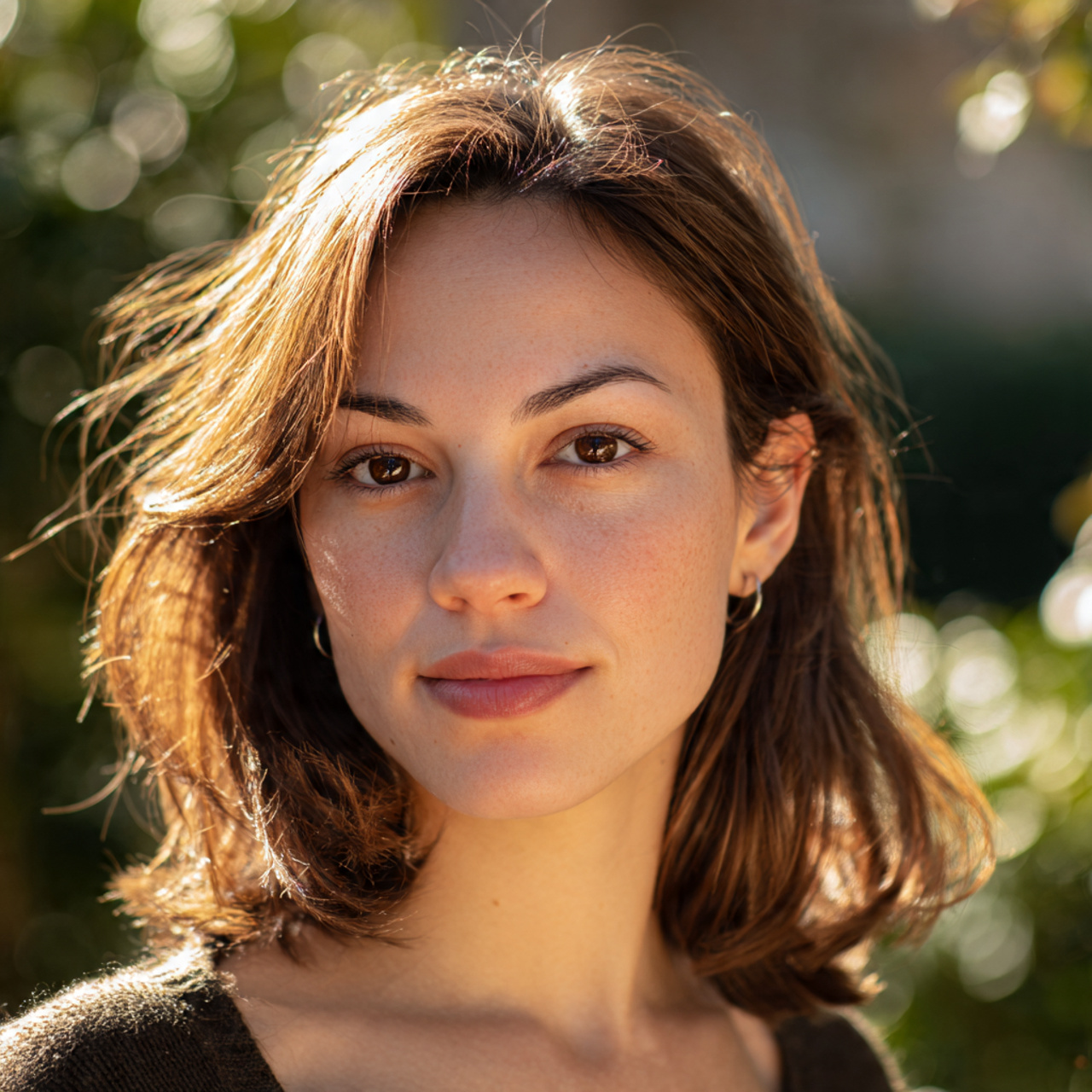
These layers are typically cut around the jawline and chin, gradually blending into the rest of the hair. They are ideal for softening angular features and adding a touch of elegance without sacrificing length or density. This technique draws attention to the eyes and cheekbones, creating a universally flattering and youthful lift.
The gentle tapering around the face provides a subtle bounce and makes it easy to add shape with a blow-dryer or curling iron. Soft, face-framing layers work well on nearly all lengths and are a great entry point into the world of layered hair. Ask your stylist for the longest layer to start just below your chin.
Long Layers for Maximum Movement
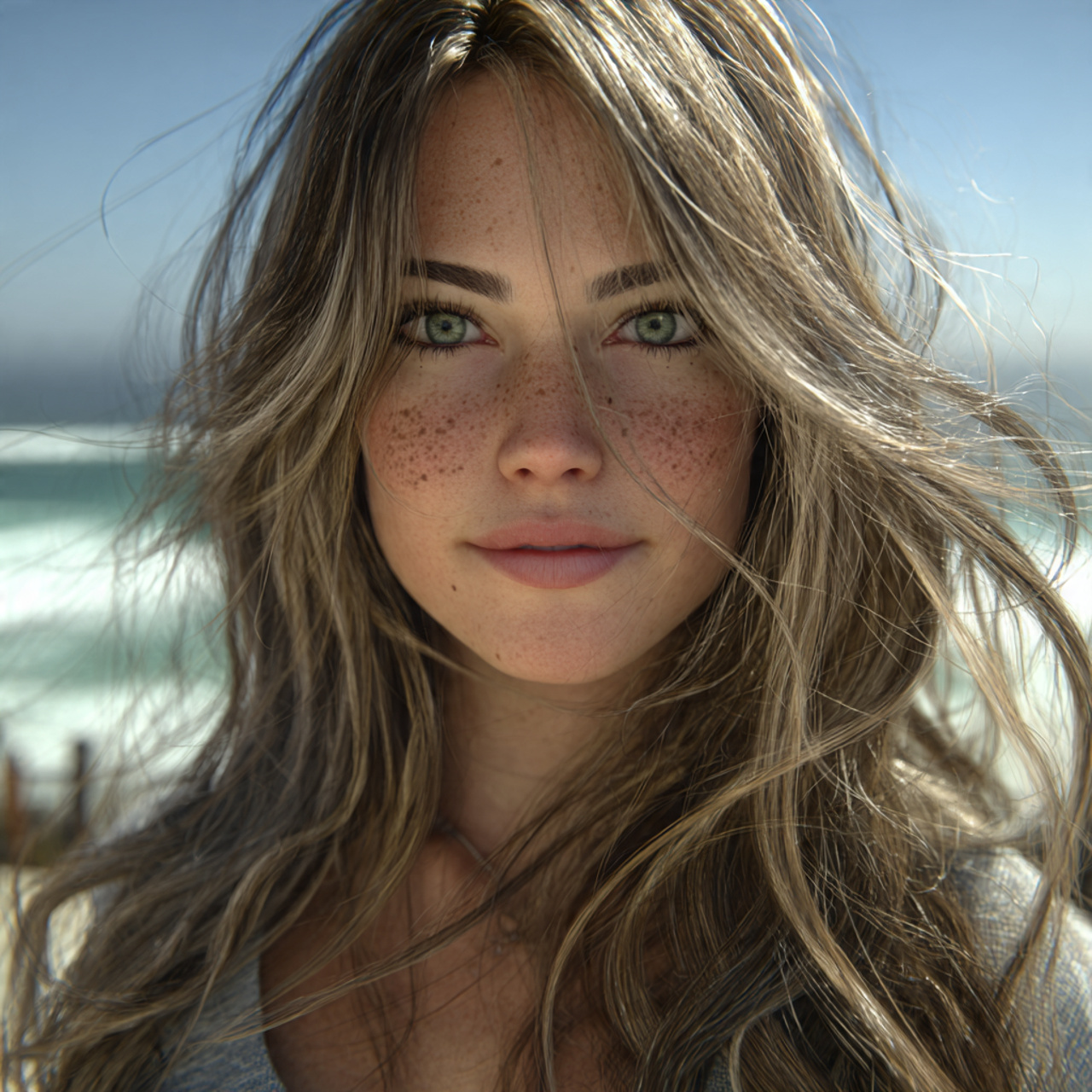
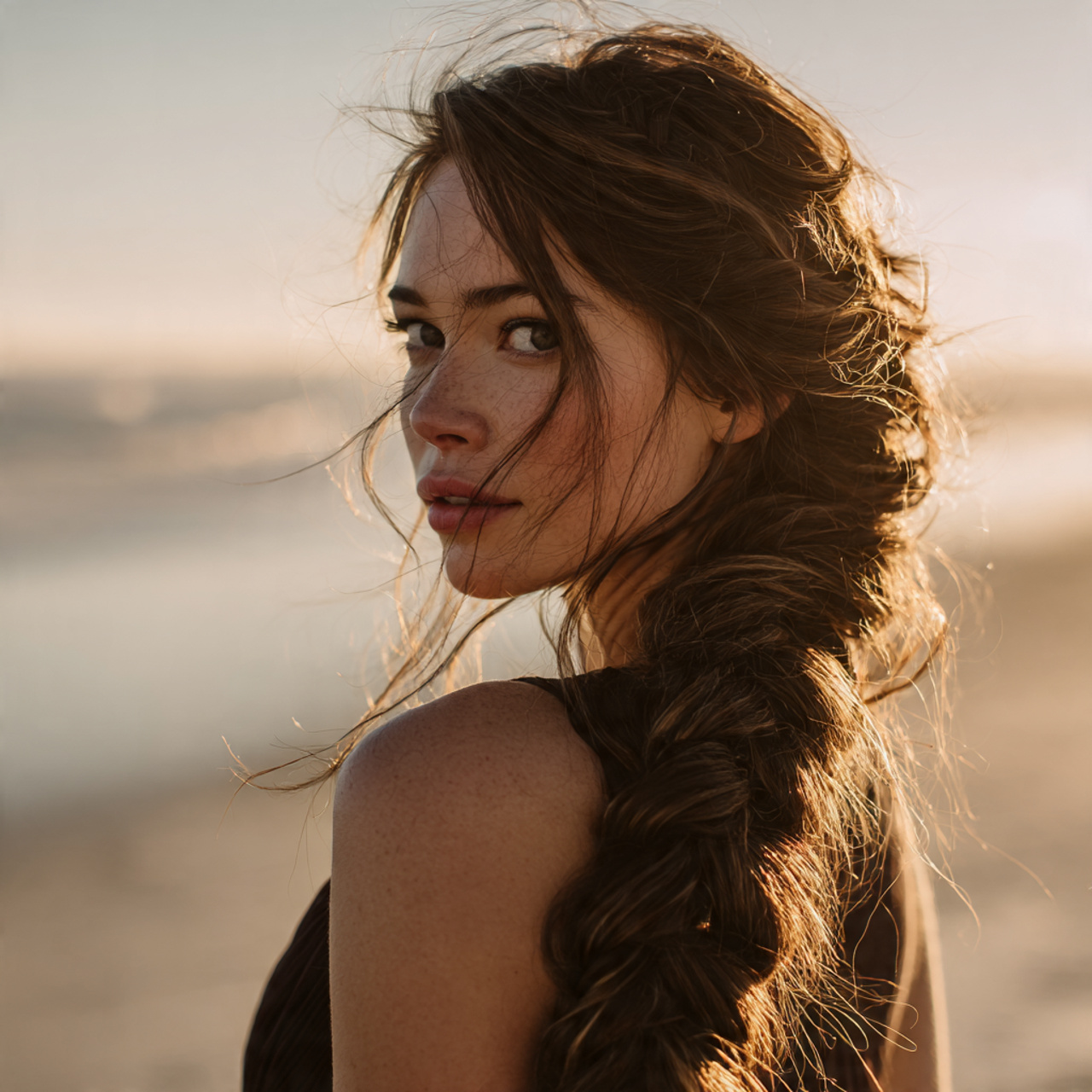
Long layers are perfect for adding life and dimension to very long hair, which often lacks volume near the roots. These layers begin below the shoulders and are seamlessly blended, focusing on creating dynamic texture and swing at the ends. This helps prevent the hair from looking heavy and monolithic.
This style is particularly low-maintenance and versatile, as the layers are long enough to be worn straight, curled, or in an updo without pieces slipping out. Long layers reduce bulk, making styling easier, yet they maintain a full and luxurious appearance that catches the light beautifully.
Shaggy Layers with Bangs
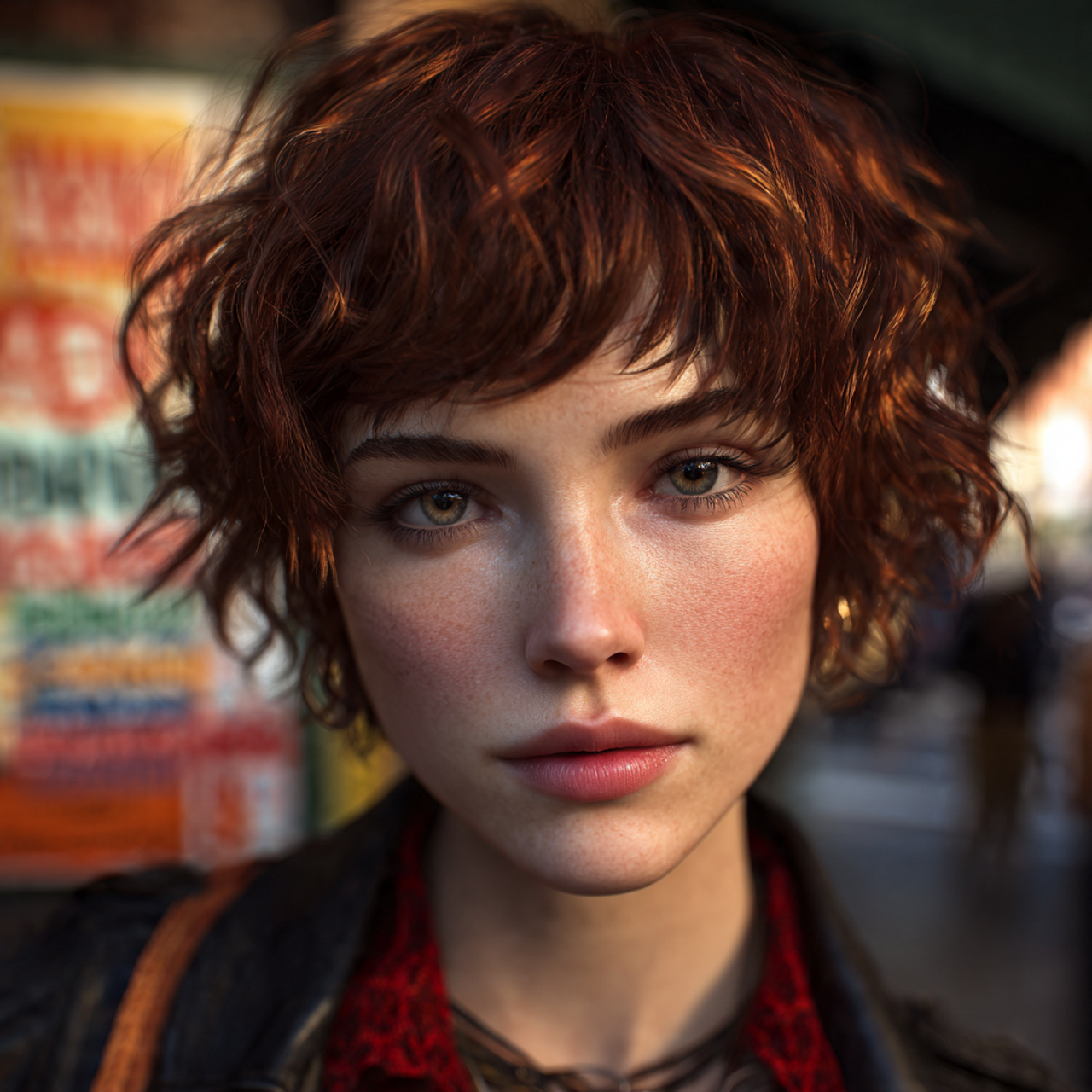
The modern shag haircut is defined by heavy, textured layers throughout the crown and sides, creating a voluminous, slightly messy, rock-and-roll vibe. This cut pairs perfectly with a set of full, fringe, or choppy bangs that blend seamlessly into the face-framing sections. The texture is the key component here.
Shaggy layers are low-effort and look fantastic with natural texture, making them ideal for individuals who prefer an air-dried or minimal heat styling routine. This layering approach works wonders on medium to thick hair, instantly giving it that sought-after, lived-in texture and volume that exudes cool confidence.
Feathered Layers on Medium Hair
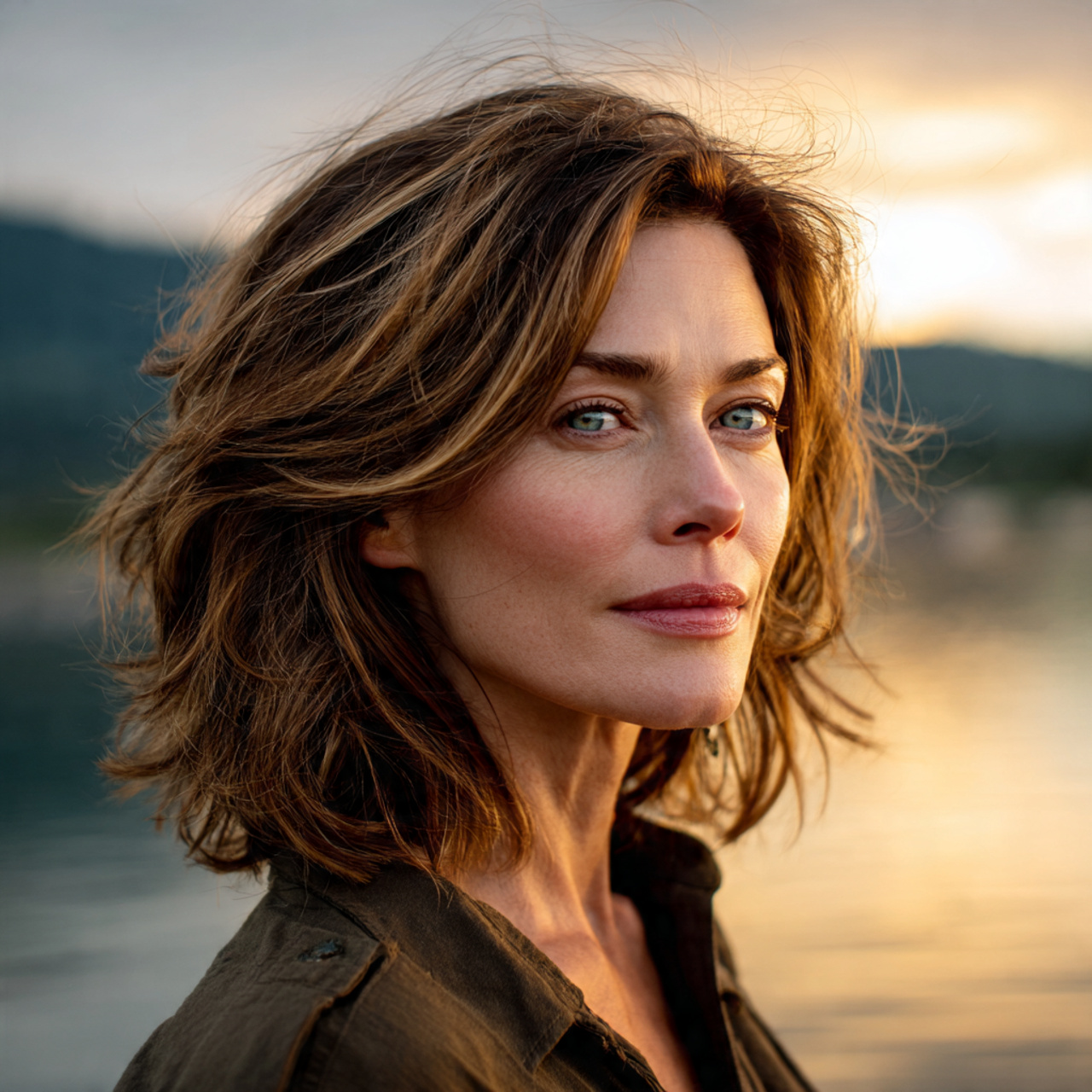
Feathered layers are achieved using a slicing or tapering technique on the ends of the hair, making them look soft, weightless, and wispy. This style is particularly effective on medium-length hair, where it provides a beautiful silhouette and adds an airy lift. It’s a great option for adding a vintage touch.
These layers work by removing bulk from the interior of the hair, which promotes subtle movement and helps the ends curve beautifully inward or outward. Feathered cuts can make thick hair feel much lighter while still maintaining a polished and sophisticated appearance, ensuring your hair doesn’t fall flat.
Internal Layers for Fine Hair
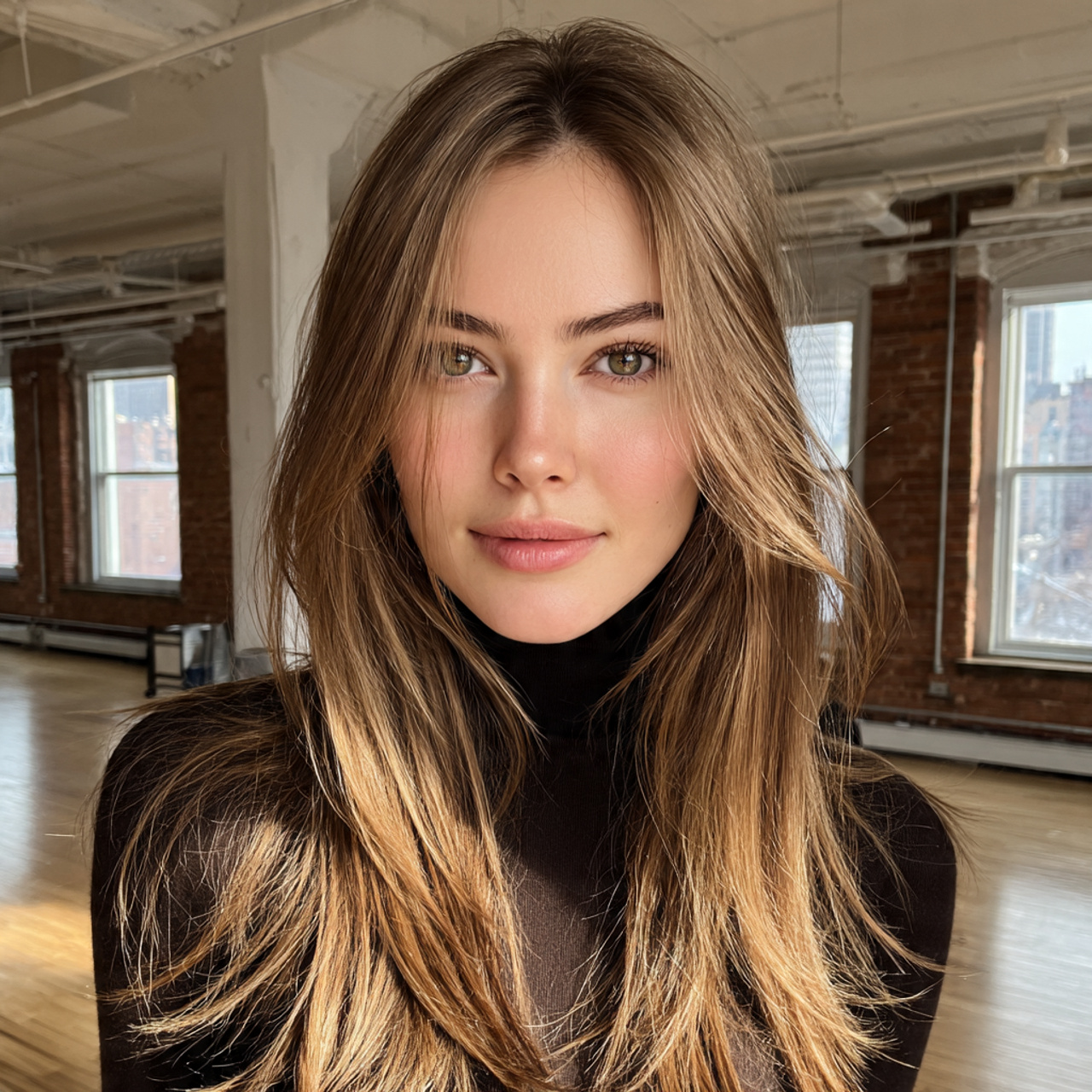
Fine hair often needs volume but can look thin or stringy when too many layers are added. Internal, or invisible, layers are strategically cut deep within the hair structure, leaving the overall outer perimeter blunt and untouched. The goal is to create movement without sacrificing the look of density.
This technique removes weight from the under layers, encouraging the top layers to lift and create the illusion of fullness and body. Internal layers are the secret to adding that subtle, effortless bounce that is often desired for fine hair. They make styling much easier as the hair naturally retains a lifted shape.
Invisible Layers for Subtle Volume
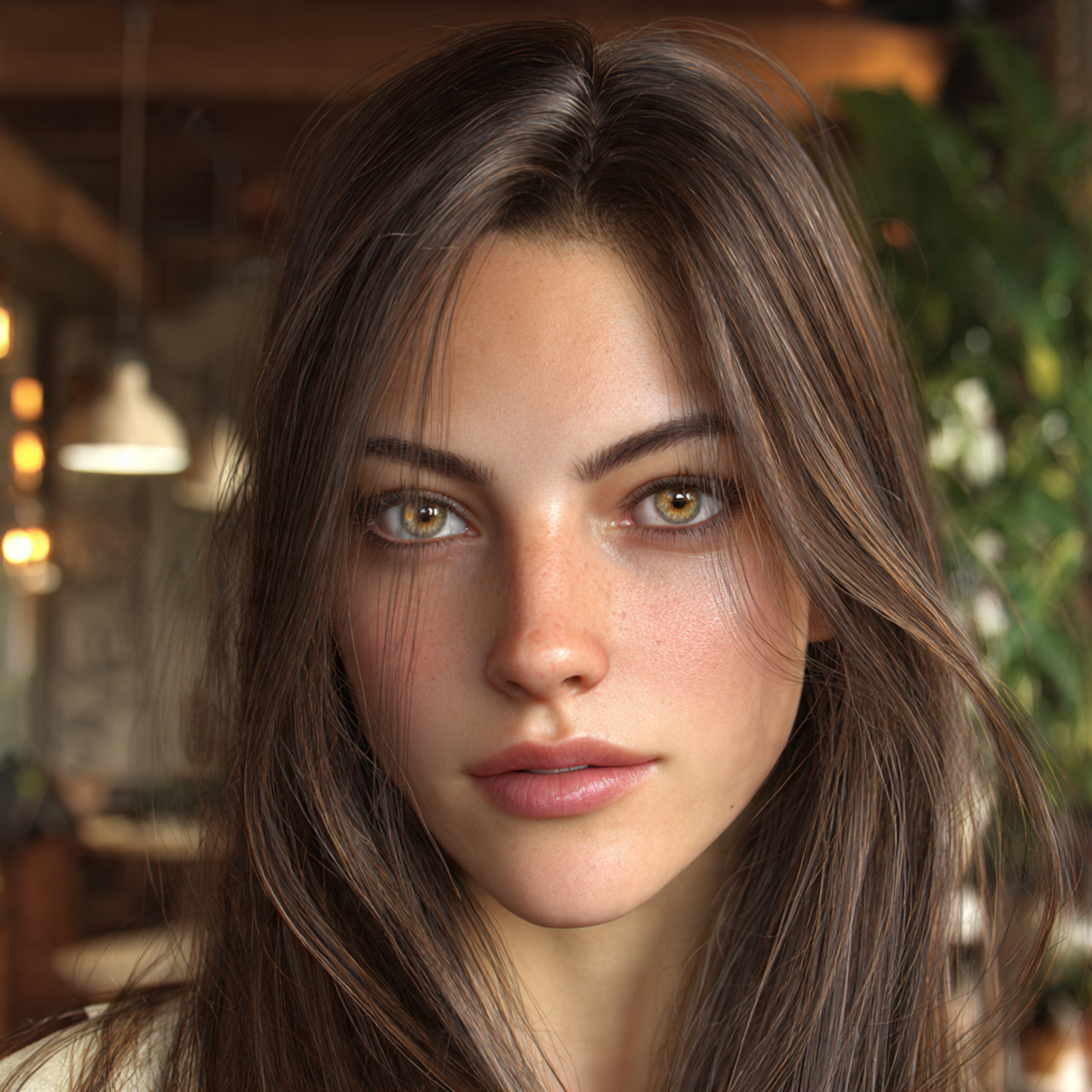
Similar to internal layers, invisible layers are all about subtlety, yet they can be applied to medium or thick hair as well. They involve taking smaller sections and cutting very slight length variations throughout, focusing on creating texture and softness rather than dramatic steps. This is a very popular modern layered hair idea.
The goal is to maintain a blunt, thick-looking exterior while giving the hair enough structure to move freely and bounce naturally. Invisible layers are perfect if you desire volume and easy styling but are committed to keeping a polished, one-length appearance when styled straight.
The Butterfly Haircut Layers
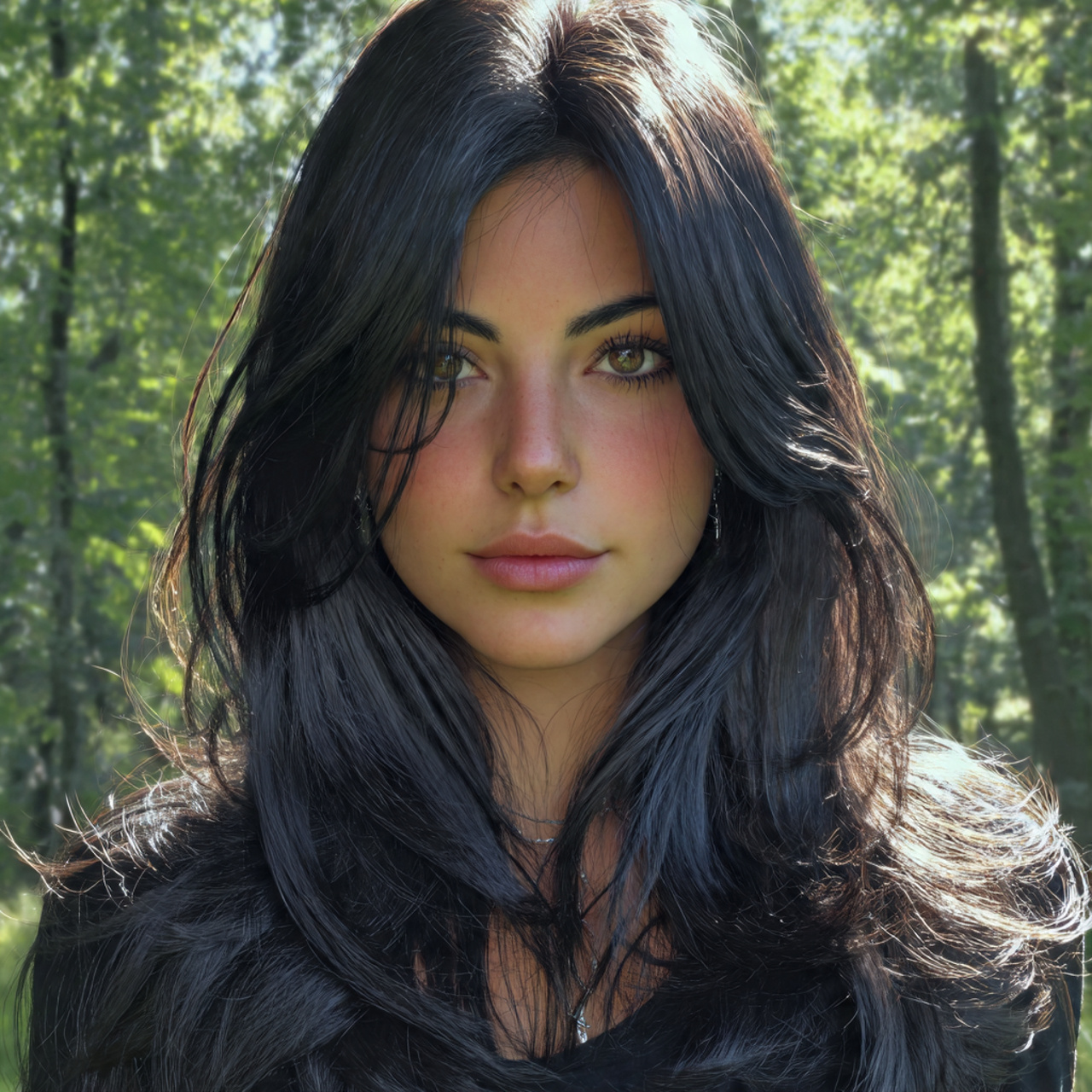
The butterfly haircut is a highly popular contemporary style that uses long, sweeping layers to achieve a high-impact, voluminous look. It’s characterized by two distinct layer groups: shorter, face-framing layers that hit around the chin, and much longer layers that blend throughout the length.
When styled with a blow-dryer, the short layers can be curled back to mimic the wings of a butterfly, providing incredible lift and bounce around the face. This cut is excellent for long hair, as it offers the illusion of shorter layers when styled, without actually sacrificing any significant length.
Choppy Layers on Short Hair
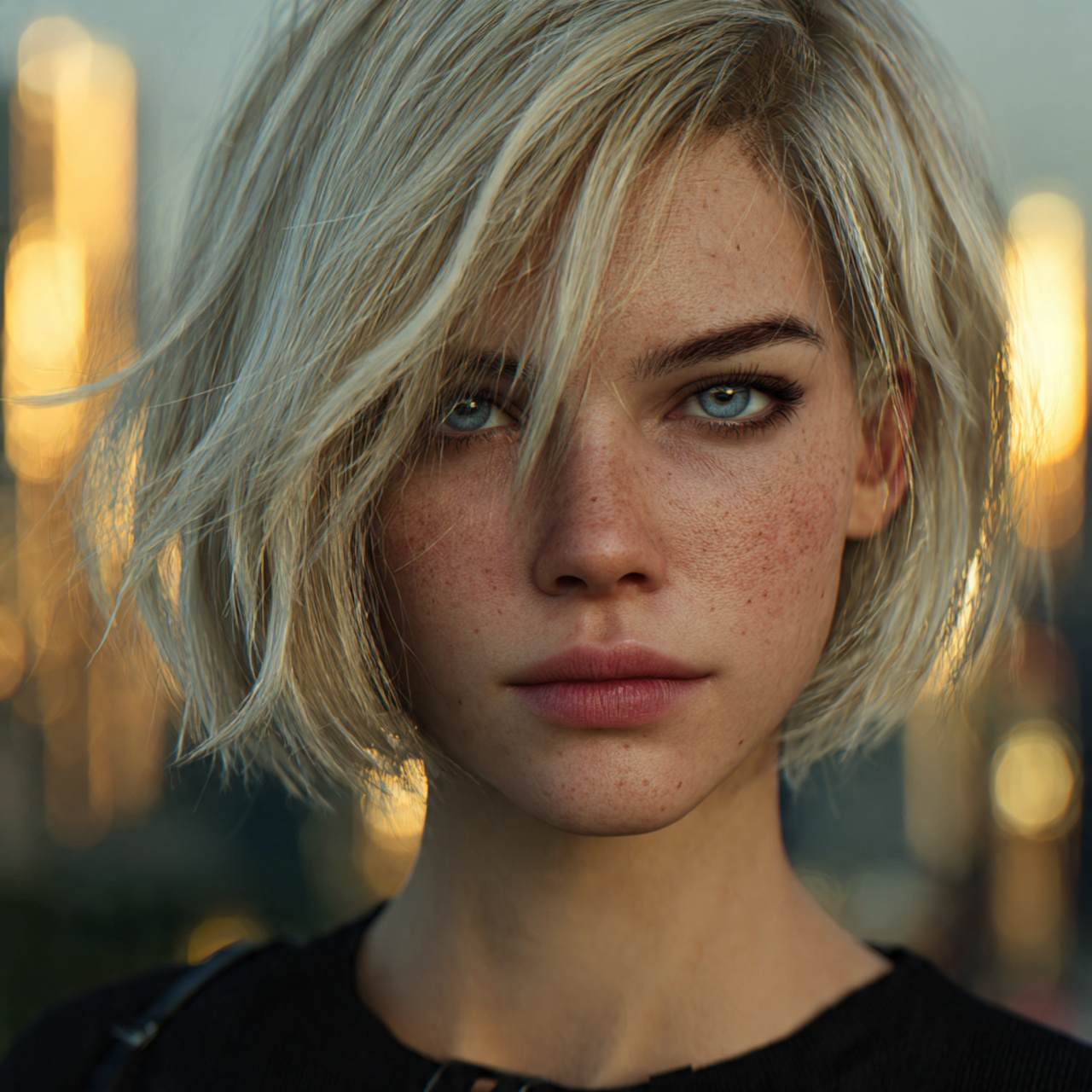
For short haircuts like bobs or pixies, choppy layers add texture, definition, and a modern, slightly rebellious edge. These layers are intentionally uneven and blunt at the ends, creating a dynamic, spiky, or piece-y finish that looks effortless and cool. This requires a sharp cutting technique.
Choppy layers are fantastic for maximizing volume in short hair, especially when styled with texturizing paste or wax to emphasize the separation of the pieces. They are particularly effective on thicker hair, as the layering removes bulk and allows the hair to settle into a stylish, defined shape.
Curtain Bangs and Layers Combo
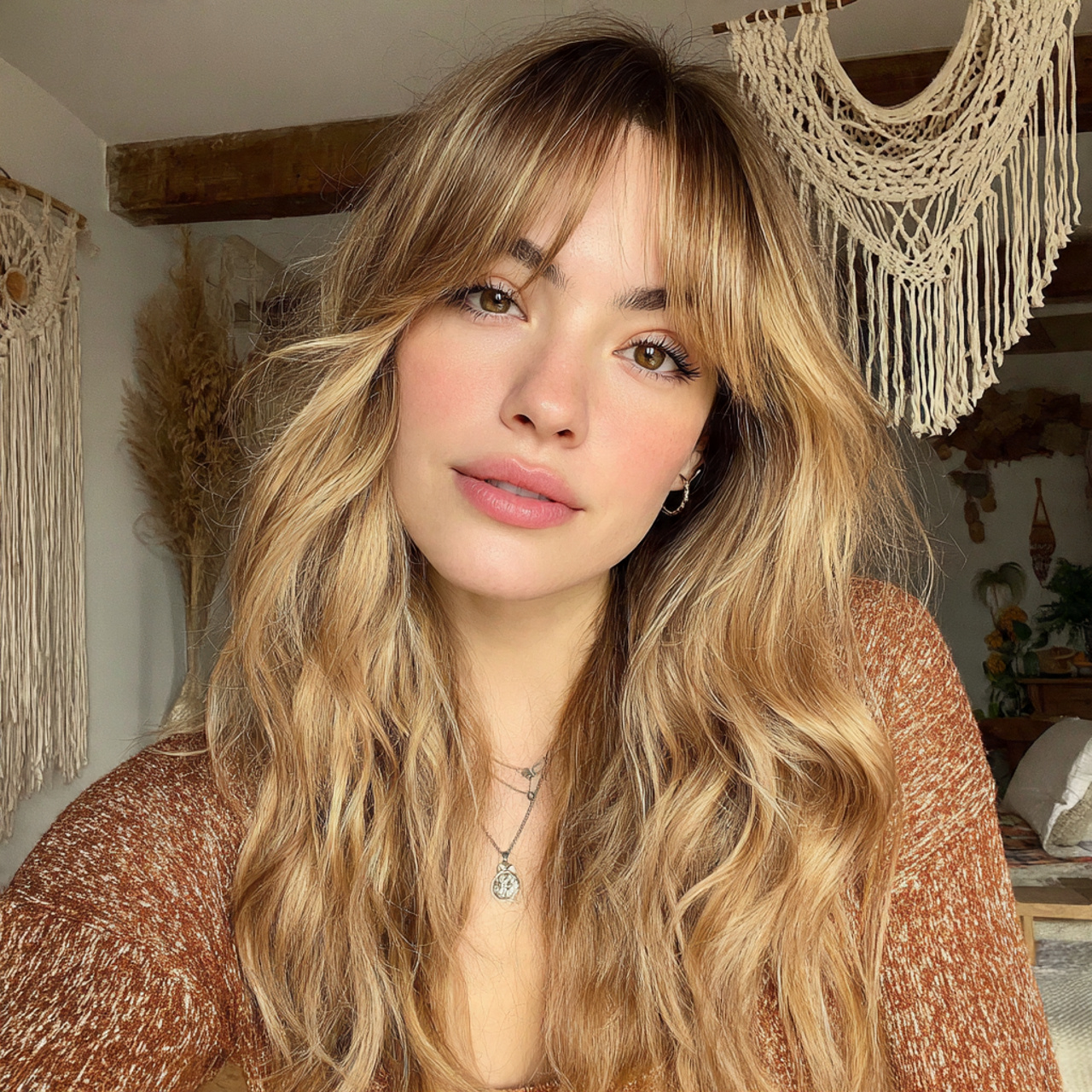
Curtain bangs are a versatile fringe that parts in the middle and sweeps to the sides, framing the face. When paired with layers, they create a cohesive and soft look that instantly enhances facial features. The shortest face-framing layers should flawlessly connect to the ends of the bangs.
This combination is a fantastic way to instantly update a hairstyle without a drastic change, as it brings attention to the eyes and cheekbones. The layers ensure the bangs blend naturally, making the grow-out process simple and the overall style feel effortlessly put together, regardless of hair length.
V-Cut Layers on Long Hair
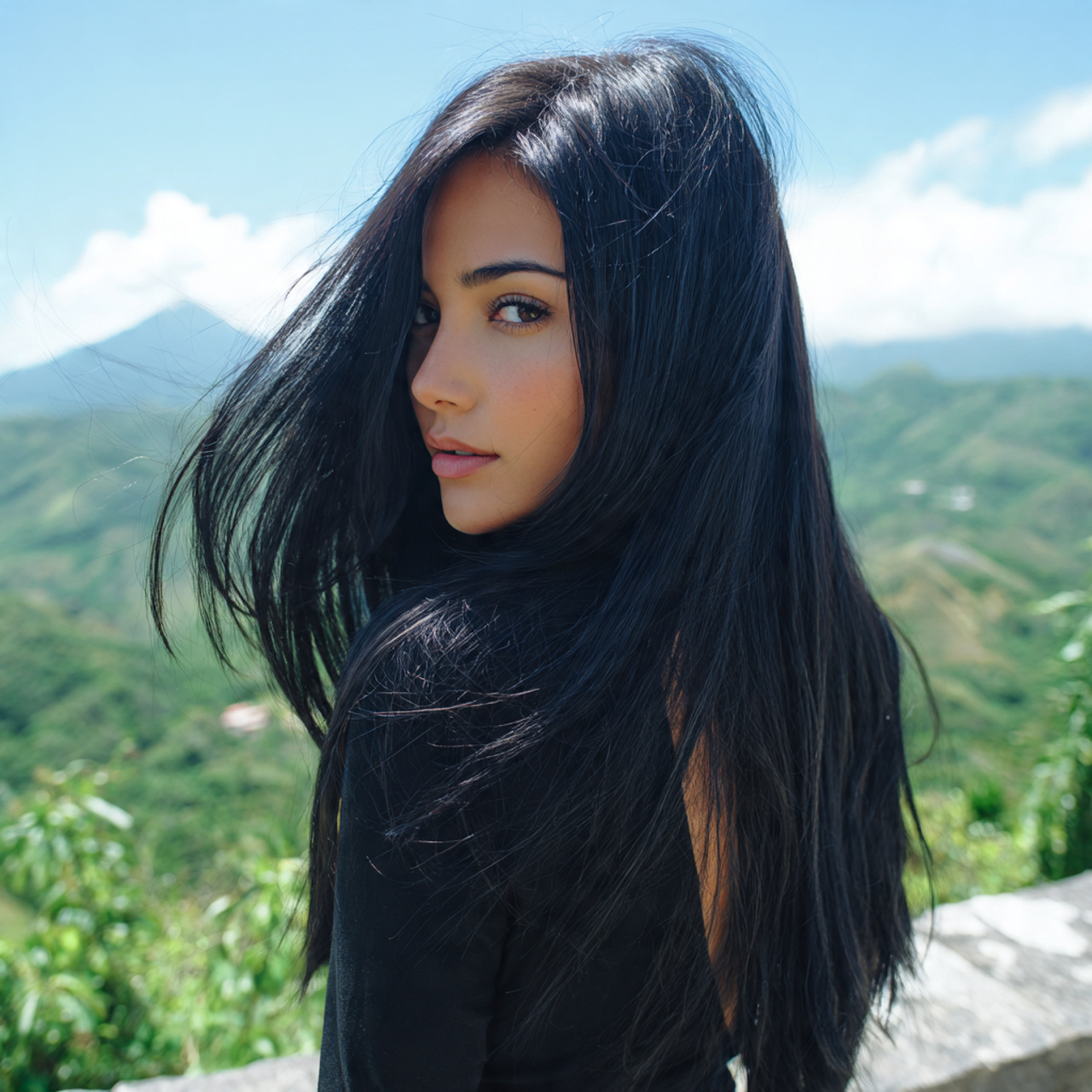
A V-cut is characterized by the hair forming a distinct V-shape at the back, where the center is the longest point and the sides are slightly shorter. Layers are cut throughout the hair to emphasize this shape, starting higher up to create a dramatic, tapering waterfall effect.
This style is beautiful on very long hair, as it showcases the length while providing much-needed structure and movement. The V-shape keeps the sides slightly shorter, which encourages them to move away from the body, giving a full yet styled appearance.
U-Shape Layers for Soft Edges
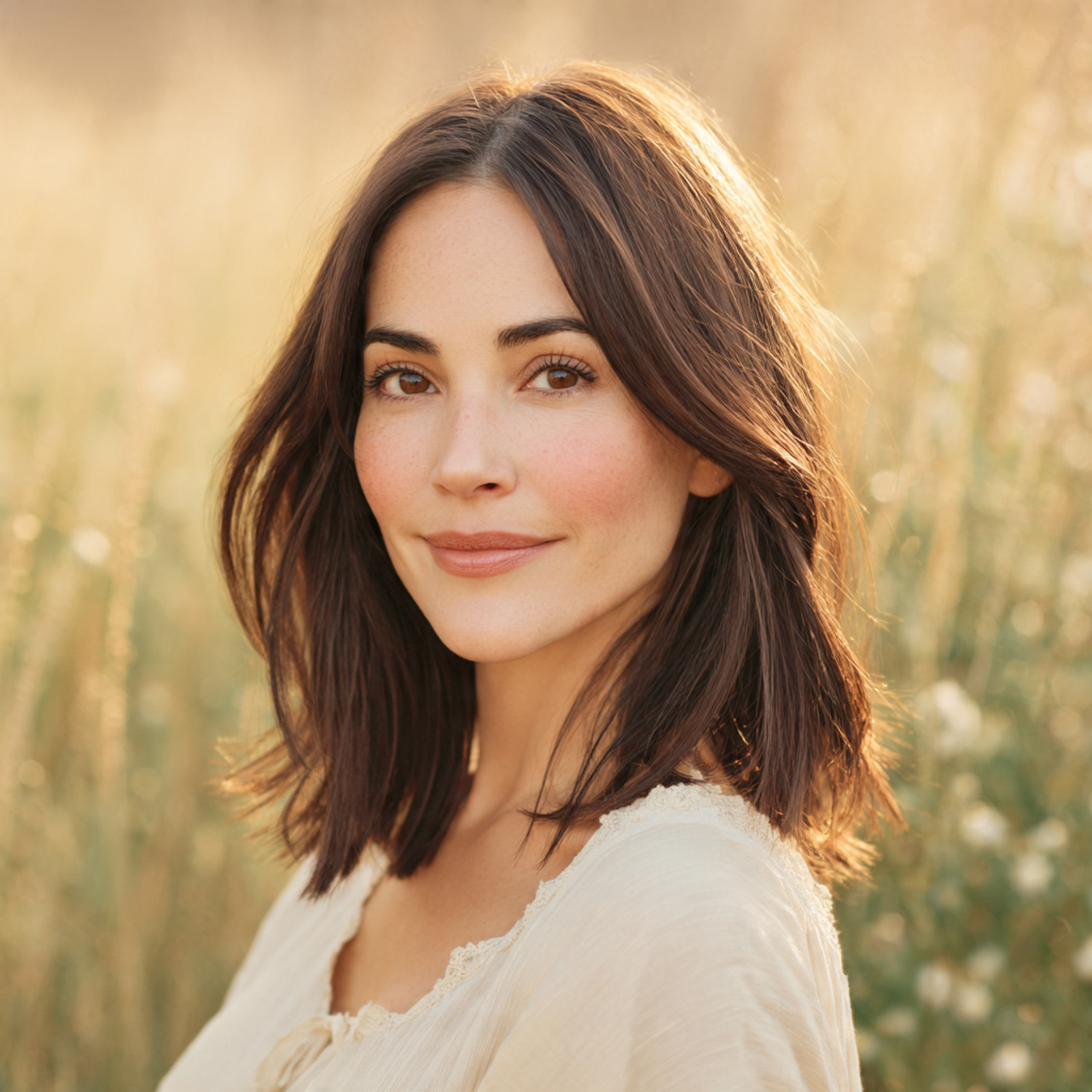
Similar to the V-cut, the U-cut also preserves length, but the back shape is much softer and more rounded, like a gentle ‘U’ or ‘C’. Layers are often cut with a focus on seamless blending to enhance the soft curve and make the ends look full and lush. This is a classic layered hair idea.
The U-shape is perfect for those who want a layered look that maintains a feeling of density and thickness at the ends. It prevents the hair from looking too pointy or sparse at the tips, which can sometimes happen with heavily layered styles.
Layered Bob Haircut
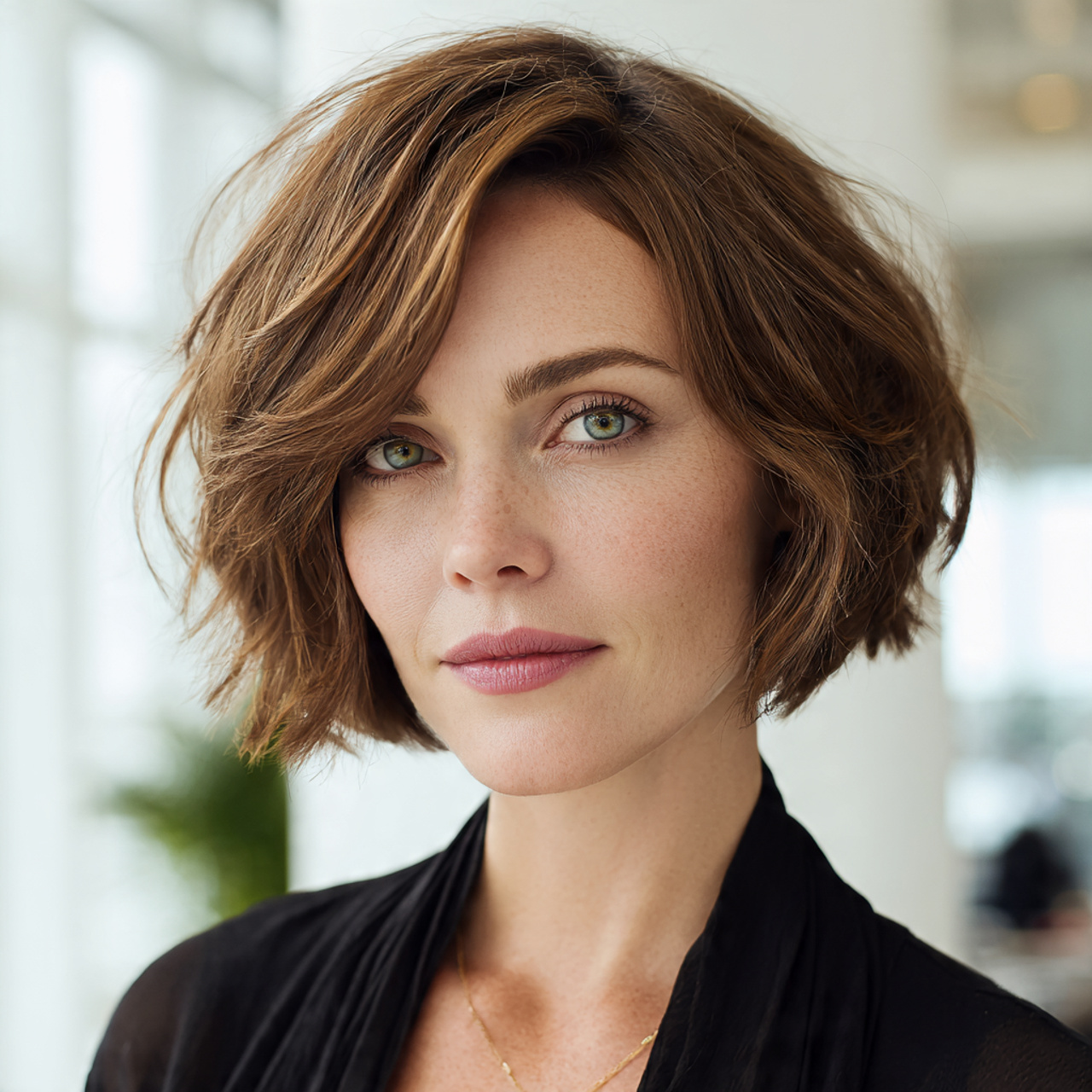
The layered bob introduces movement and prevents the traditional bob from appearing too helmet-like or heavy. Layers are usually cut subtly throughout the body of the bob, with some face-framing pieces to add softness and reduce bulk. This cut can be varied greatly by length and texture.
For a classic, sophisticated look, the layers are blended, promoting a sleek finish. For a more modern, voluminous style, the layers can be slightly more texturized or choppy, which is fantastic for air-drying and creating a lived-in texture.
Angled Layers for a Sleek Look
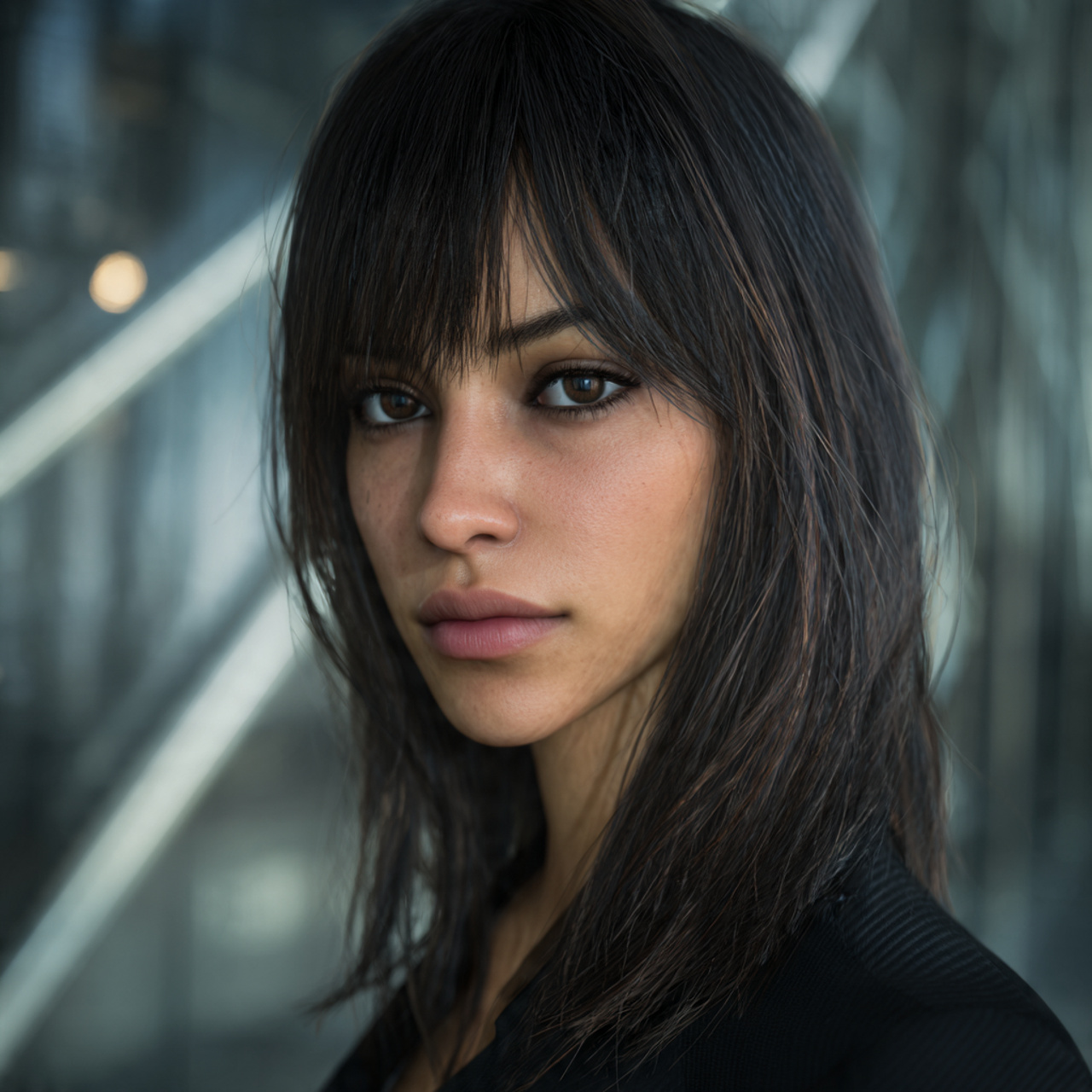
Angled layers are cut at a dramatic diagonal, often seen in A-line bobs where the back is shorter than the front. The layers follow this angle, promoting a smooth, downward flow that looks incredibly sleek and polished. The precision of the angle is the key defining feature.
This is an excellent option for medium to thick hair, as the layers work with the angle to create a sharp silhouette while ensuring the hair lies flat and straight. Angled cuts add drama and structure without compromising on sophistication.
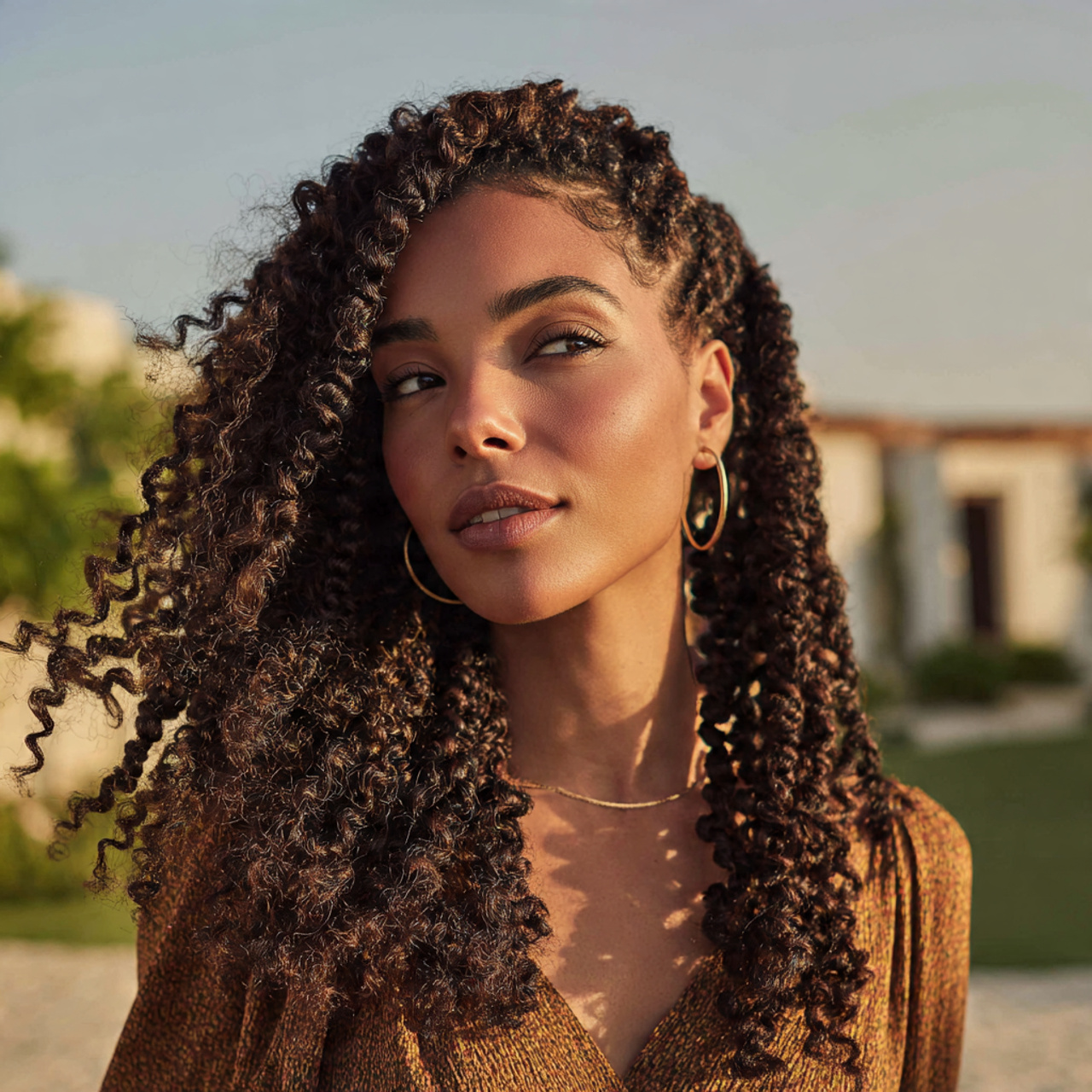
Layers for Curly Hair Definition
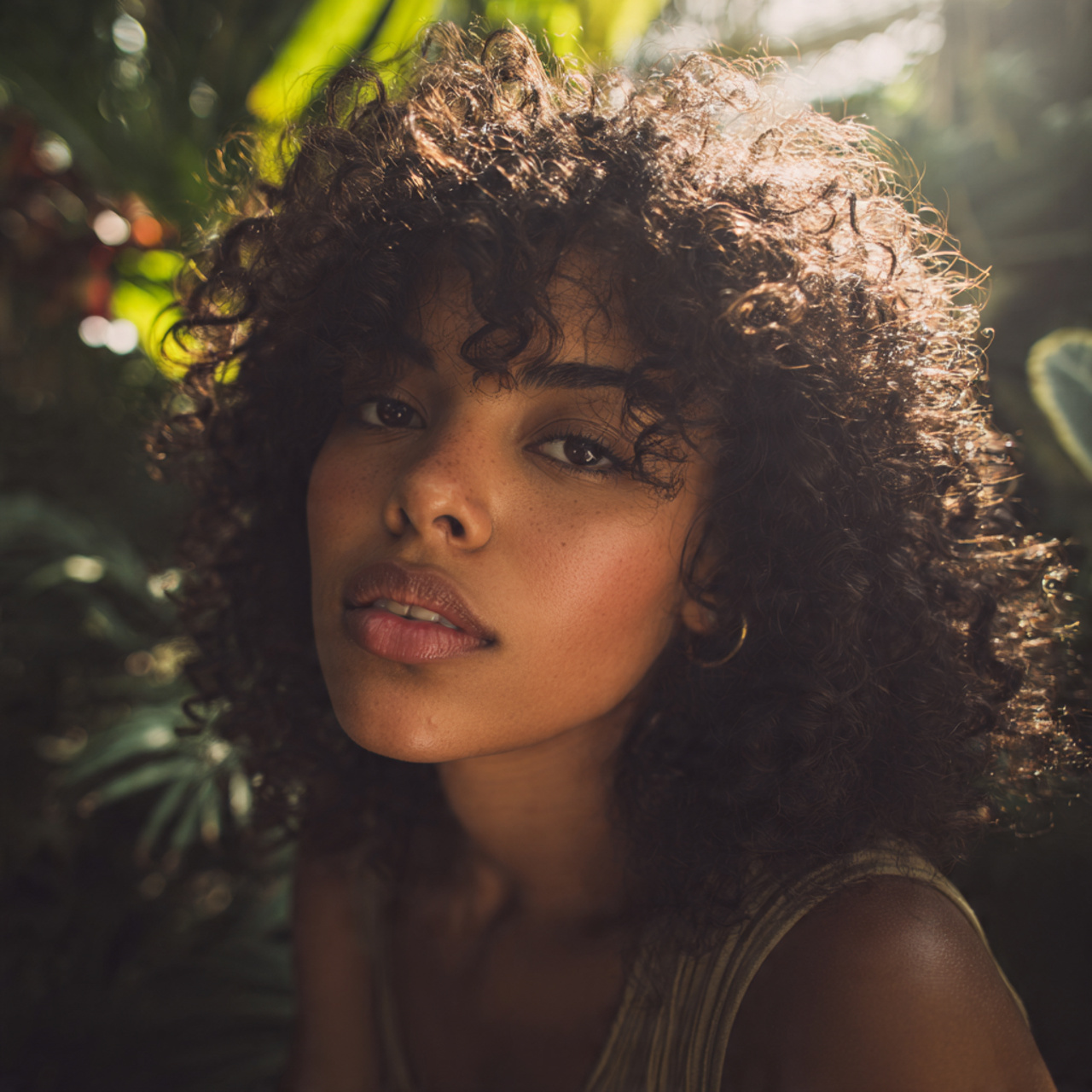
Layering curly hair is essential for managing volume and allowing the curls to form their natural, springy pattern. Without layers, curly hair can become triangular or heavy at the bottom. Layers release the weight, encouraging the curl pattern to activate closer to the root.
A stylist must cut curly hair when it is dry to properly assess how the curls will fall, focusing on creating internal shape and minimizing bulk. The right layers can make a significant difference in the definition and bounce of every curl, transforming the overall appearance.
Stacked Layers on a Lob
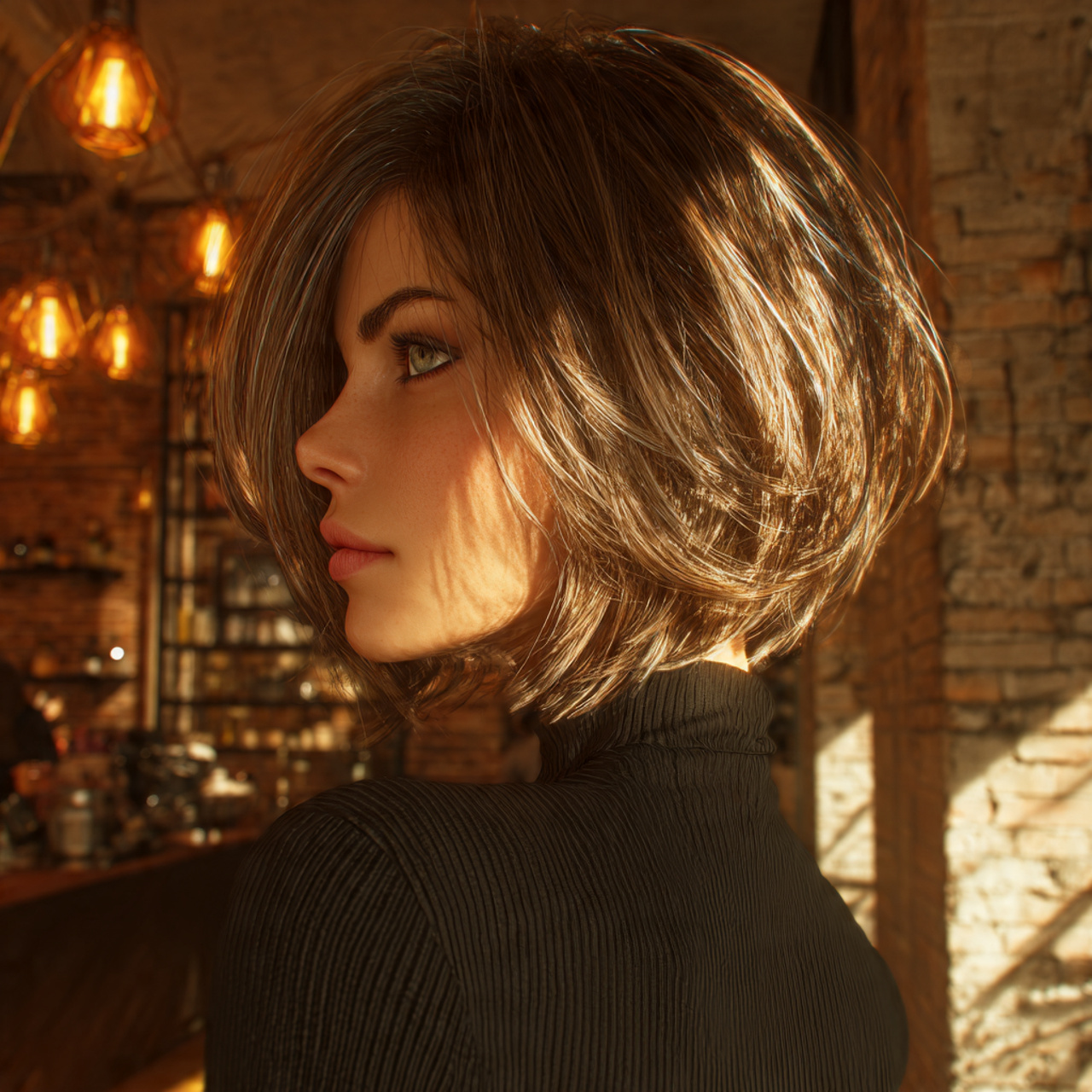
A stacked lob (long bob) features layers that are shorter and concentrated at the back of the head, creating volume and a rounded, graduated appearance. The length gradually increases towards the front, maintaining the modern lob length around the collarbone.
This layering technique provides lift and shape to the back of the head, making it an excellent choice for fine or flat hair that needs a boost. The stacking gives the hair a polished, voluminous structure that holds its shape beautifully with minimal styling effort.
Pixie Cut with Texturized Layers
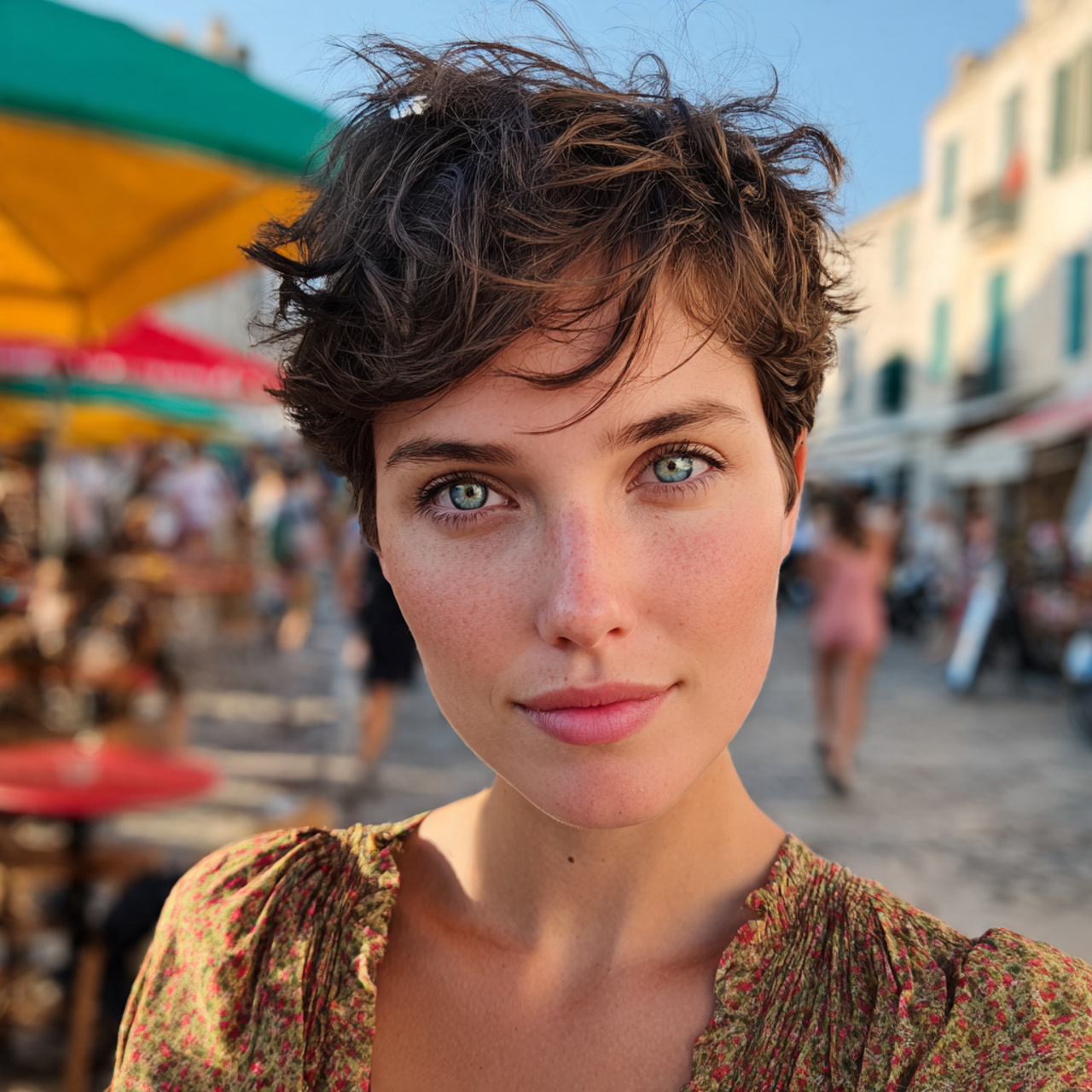
A pixie cut relies entirely on texturized layers for its shape and style. The layers are short and often cut with a razor or point-cutting technique to create a light, airy finish. The layers can be styled forward, tousled up, or swept to the side, making it incredibly versatile.
These layers are key to creating the playful, defined pieces that give the pixie its characteristic flair. Texturizing the ends prevents the short hair from looking heavy or mushroom-like, ensuring the cut looks light and modern.
Beach Wave Layers on Blonde Hair
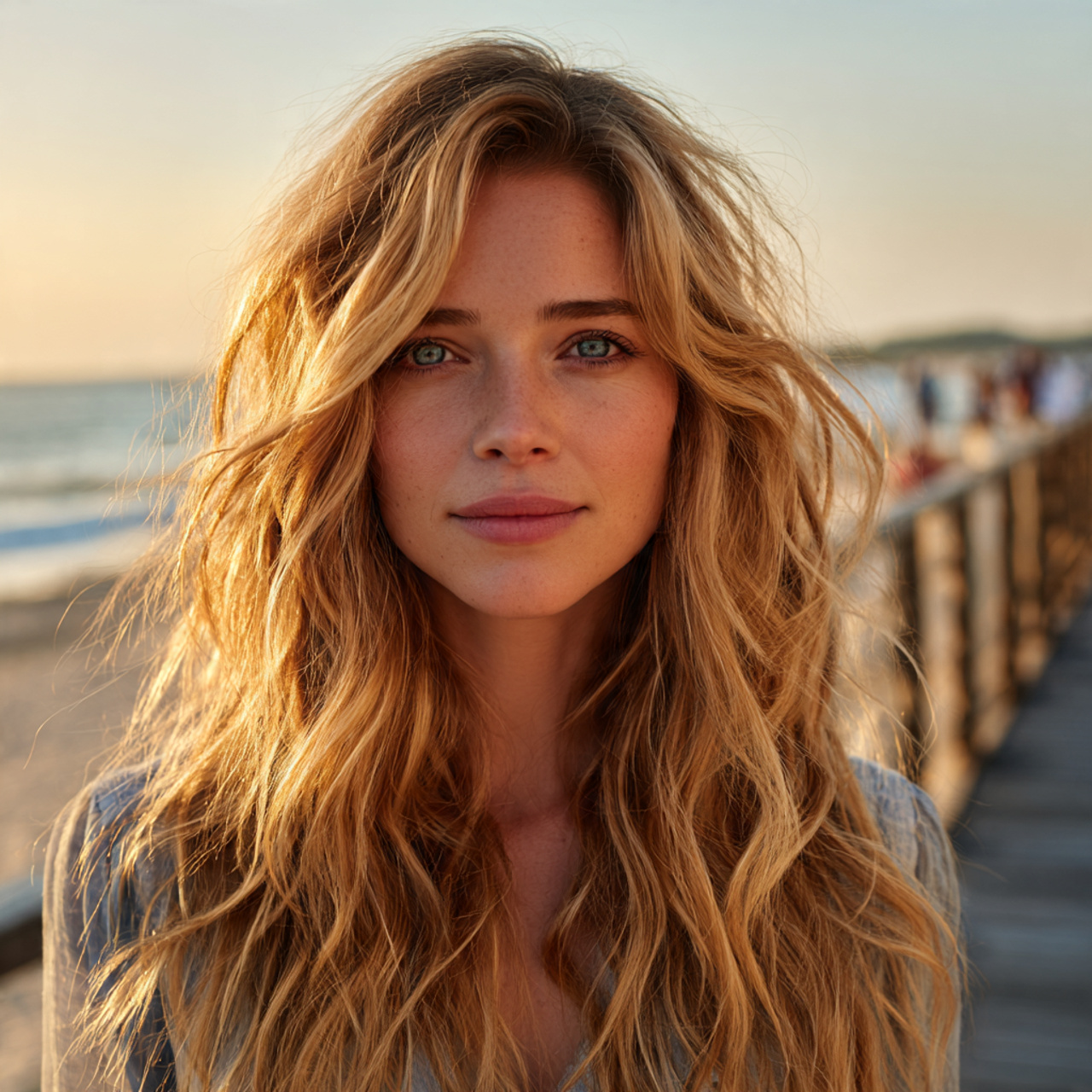
Layers designed for beach waves are typically long and blended, focusing on encouraging a natural, soft bend rather than dramatic separation. When paired with blonde hair, especially with highlights or balayage, the layers help to showcase the dimension and color beautifully.
The layers are cut strategically to reduce the weight that could pull the waves straight, allowing for maximum texture and volume when styled with a light salt spray. This is the quintessential effortless, sun-kissed look that remains universally appealing.
Disconnected Layers for Edginess
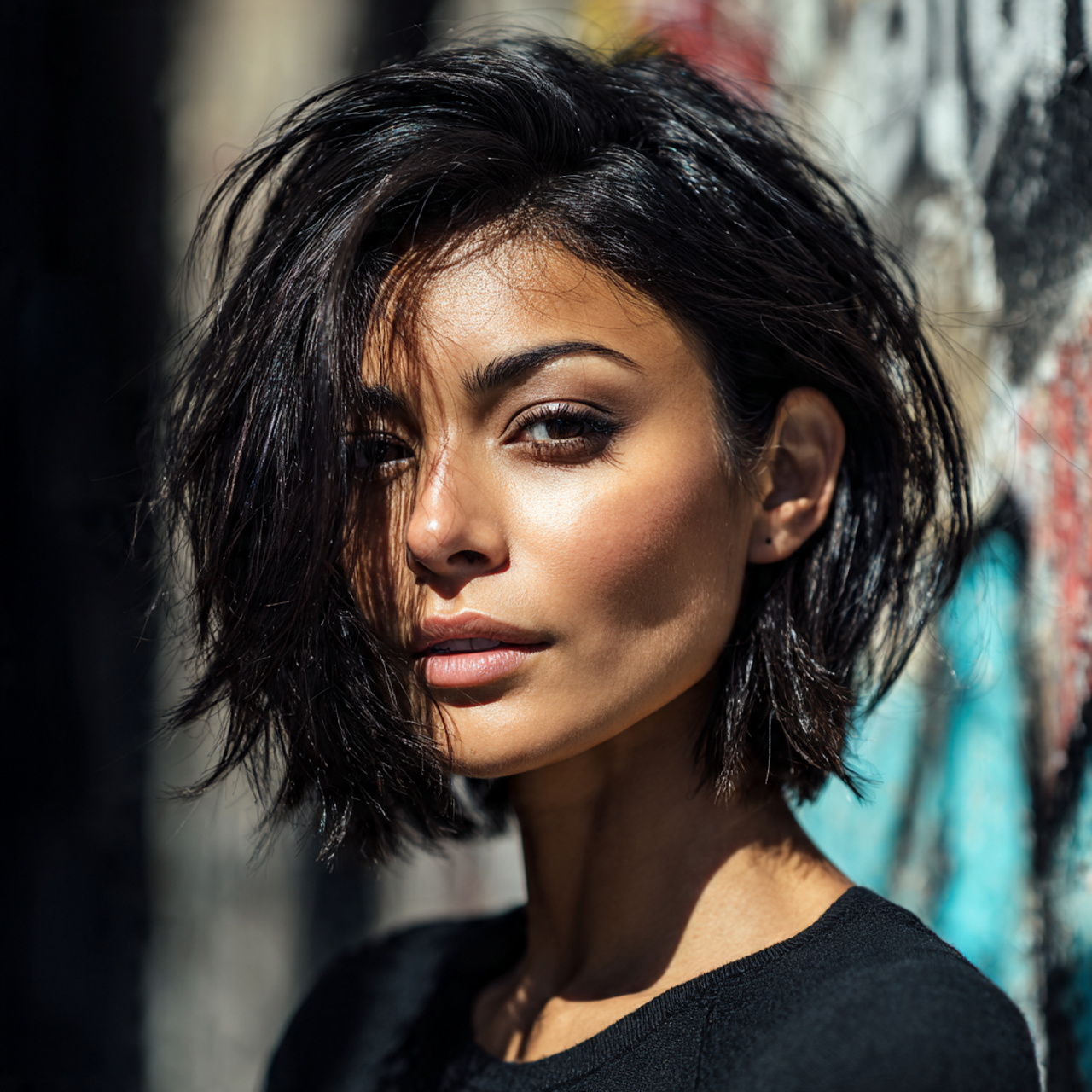
Disconnected layers involve cutting layers that do not seamlessly blend with the layer directly above or below them. The difference in length can be dramatic, creating an intentionally edgy and high-contrast look. This is a bold, modern layered hair idea.
These layers work best on medium to thick hair and are used to create extreme texture and movement, often resulting in a spiky or piece-y look. Disconnected cuts require confidence and are perfect for making a strong, fashionable statement.
Razor Cut Layers for Fine Ends
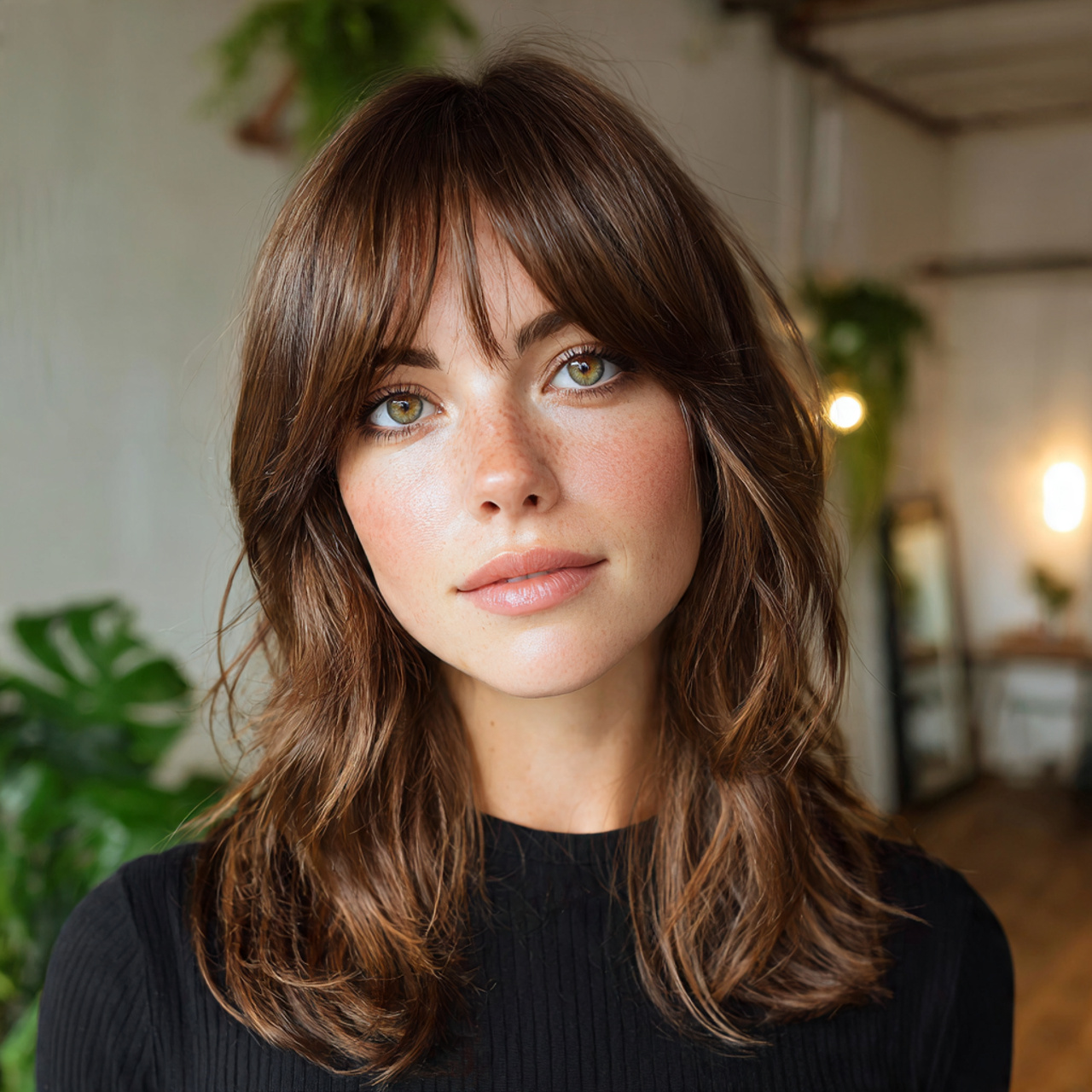
Razor cutting involves using a sharp razor blade instead of shears to slice into the hair ends. This technique removes bulk while leaving the ends tapered and wispy, which is excellent for taking the harshness out of thick hair. The result is a softer, more fluid movement.
Razor cutting is particularly effective for creating soft, feathered ends on long or medium hair. It should be noted, however, that this technique is generally avoided on very fine or curly hair, as it can sometimes lead to excessive frizz or split ends if not done with care.
Graduated Layers for Shape
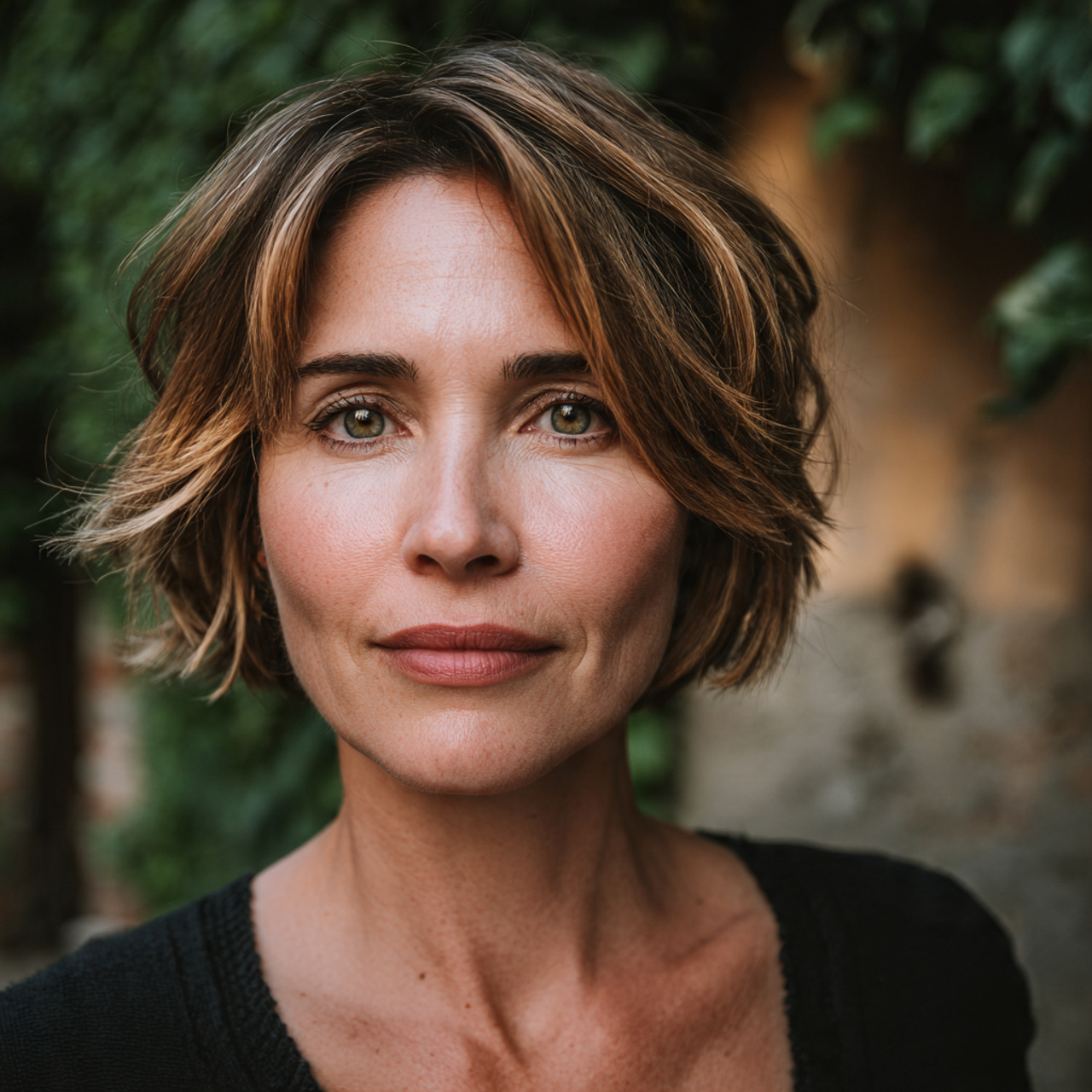
Graduated layers are a technique where the hair is cut at an angle, stacking the weight to build up density and volume at the back of the head, similar to a stacked bob. The shortest layers are near the nape, gradually getting longer as they move up the head.
This technique creates a strong, rounded structure that gives incredible shape to short and medium-length hair, making it appear much fuller and thicker. Graduated cuts are highly sophisticated and hold their shape well, making them relatively easy to style.
Heavy Layers for Thick Hair
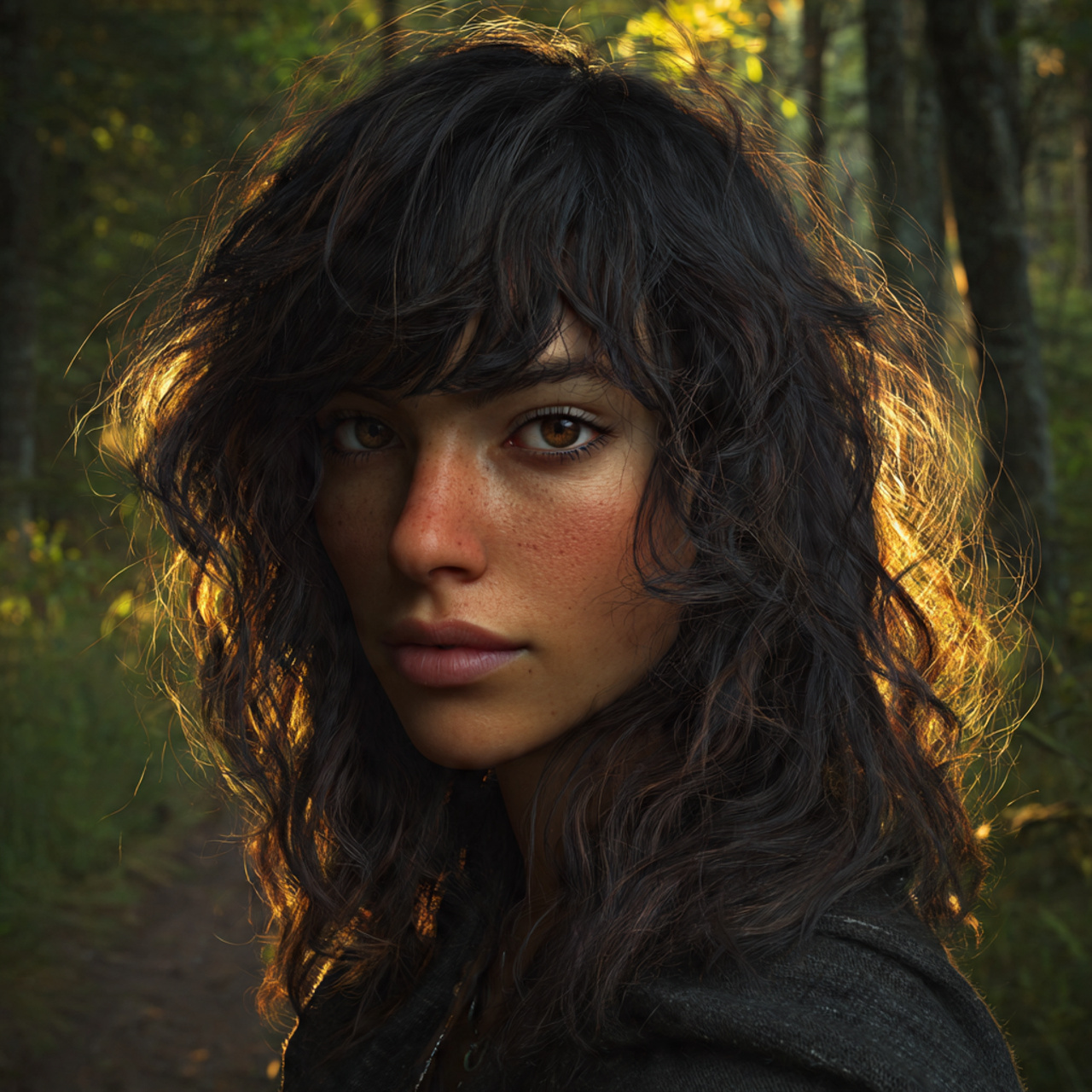
Very thick hair often benefits from heavy layering, where substantial bulk is removed from the interior of the hair mass. The layers are clearly defined and cut to drastically reduce weight, preventing the hair from becoming unmanageable or shapeless. This is a practical layered hair idea for density.
The layers should be blended at the exterior perimeter to avoid a ‘shelf’ appearance, but the interior weight removal is essential for movement and manageability. Heavy layers allow thick hair to dry faster and feel significantly lighter on the shoulders.
Layers Paired with Highlights
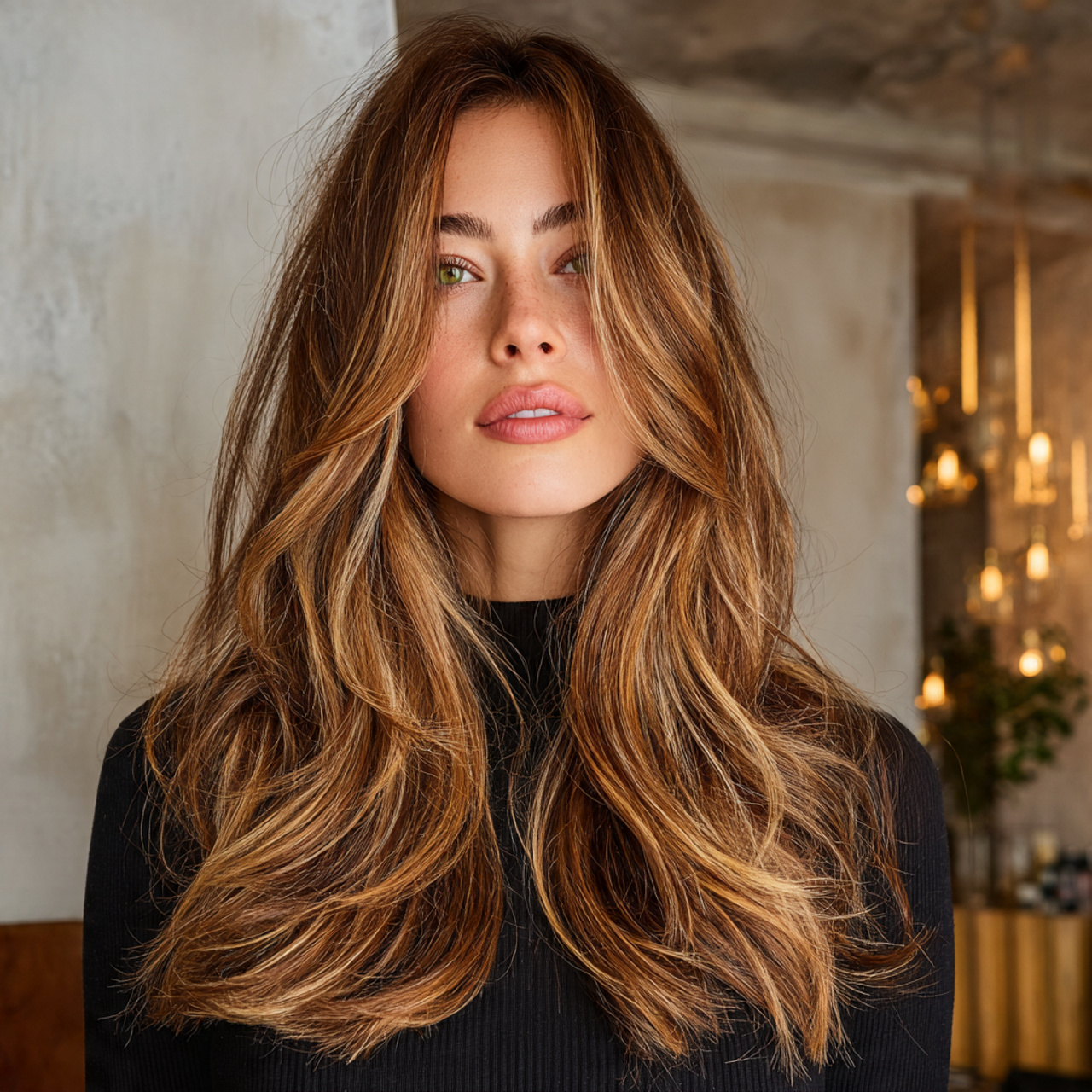
Layers and highlights are a dynamic duo in hair design. The layers, especially those that frame the face, allow the lightened pieces of hair to pop and create incredible dimension and depth. The movement of the layers showcases the different color tones beautifully.
The placement of highlights should be considered alongside the layers; lighter pieces on the ends of the layers will emphasize the movement and texture. This combination makes the hair look instantly more voluminous and multi-faceted, regardless of the base color.
Balayage Hair with Seamless Layers
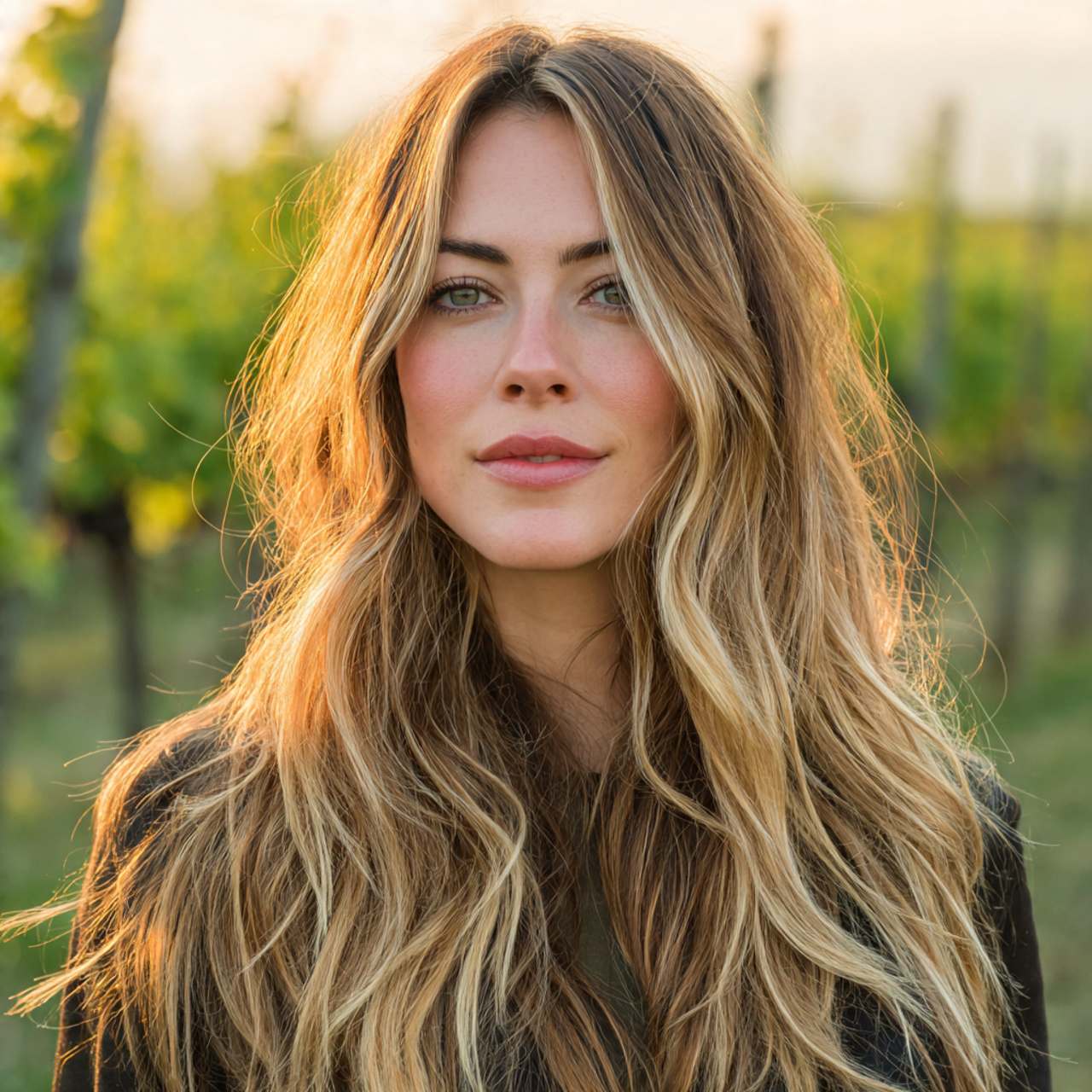
Balayage is a hand-painted highlighting technique that creates a soft, natural gradation of color. Seamless layers are the perfect complement, as they provide the natural movement needed to show off the blend of colors without any harsh lines. The two techniques rely on fluidity.
The movement created by seamless layers helps to blend the balayage even further, making the transition from darker roots to lighter ends look organic and sun-kissed. This pairing is ideal for a low-maintenance, high-impact look that remains popular year after year.
Tapered Layers on Coily Hair
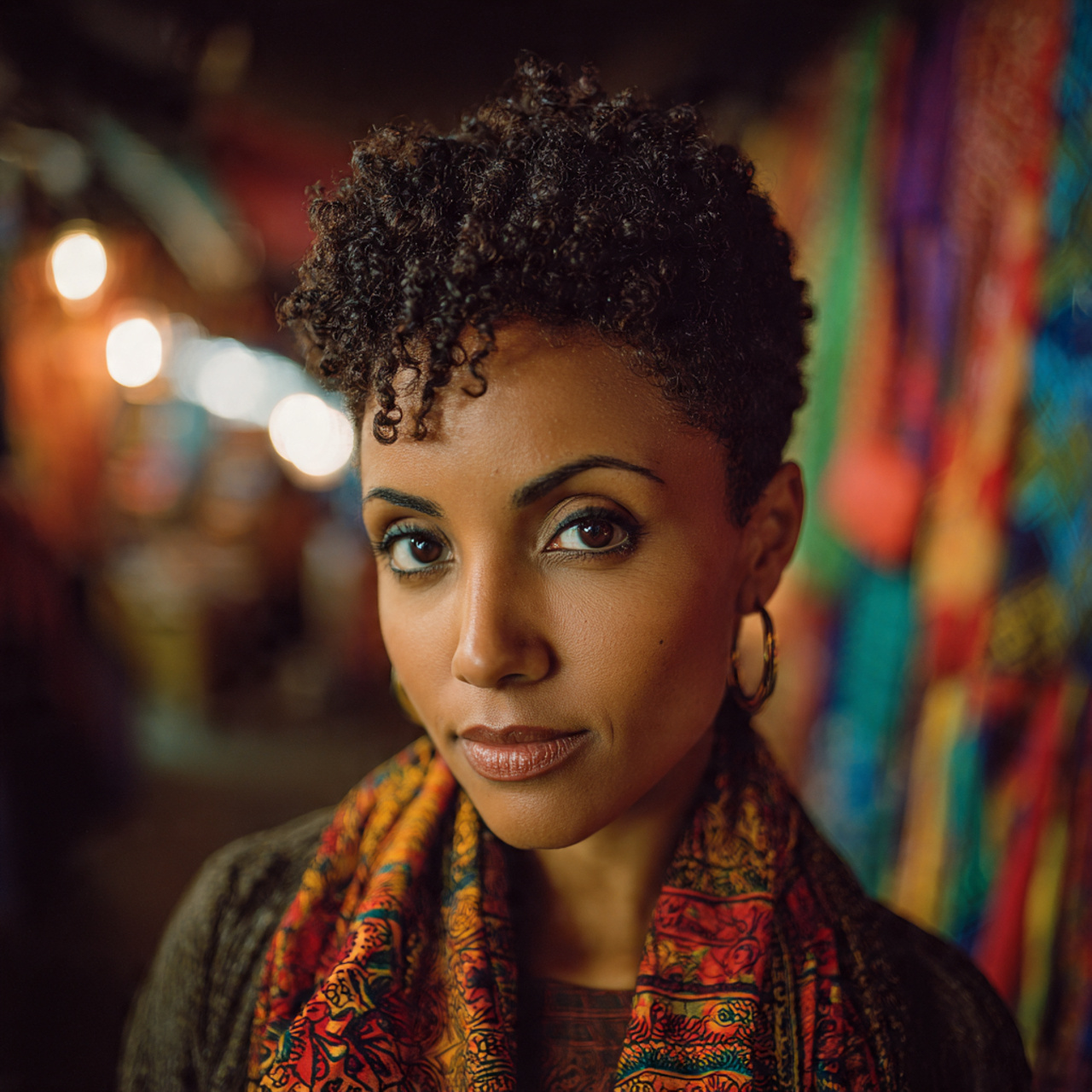
Tapered layers on coily or Afro-textured hair involve cutting the hair shorter near the sides and back while leaving more length and volume at the top. This creates a beautifully shaped, voluminous crown that celebrates the natural texture.
This layering technique helps to reduce the bulk and weight near the nape, giving the style a clean and modern silhouette. Tapered layers are crucial for creating balance and are often maintained with precise clipper work and dry cutting to ensure the coils fall perfectly.
Blended Layers for a Polished Finish
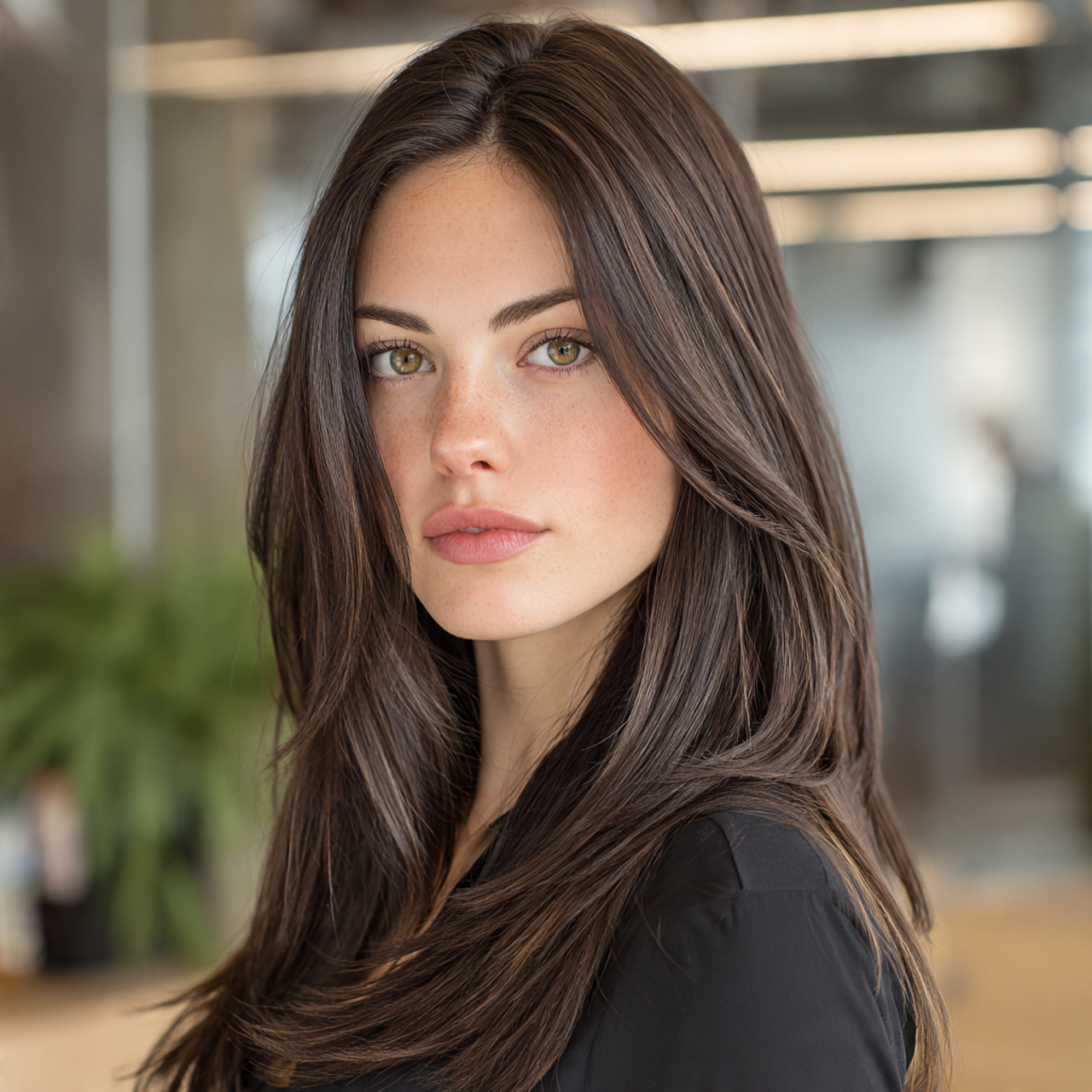
Blended layers are the most classic and subtle form of layering, where the ends of each layer are point-cut or sliced to ensure there is no visible line of demarcation between the layers. The goal is smoothness and fluidity. This is the least obvious layered hair idea.
This technique is excellent for those who want the benefits of layers—like volume and shape—but prefer a polished, sophisticated look that appears almost one-length. Blended layers work beautifully on straight or slightly wavy hair that is meant to be worn sleek.
FAQs About layered hair ideas
How do I know if layers will suit my hair type?
Layers are genuinely versatile and suit almost every hair type, but the type of layer is key. Fine hair benefits from internal layers for volume, thick hair needs heavy layers for weight reduction, and curly hair requires custom dry-cut layers for shape and definition. A good stylist can recommend the ideal layered hair ideas for your specific texture and density.
What is the difference between face-framing layers and internal layers?
Face-framing layers are cut on the outside perimeter of the hair around the face, designed to be visible and draw attention to your features. Internal layers are cut underneath the top layer, hidden within the hair to remove bulk and create a subtle lift and movement without altering the visible length or shape significantly.
How often should I get my layers trimmed to maintain the style?
The frequency depends on your desired style and hair growth rate. For sharp or choppy layered hair ideas, a trim every 6 to 8 weeks is recommended to keep the definition crisp. For soft, long, or blended layers, you can usually extend the time to 10 to 12 weeks, as the grow-out is more forgiving.
Do layers help to make thick hair look thinner?
Yes, one of the primary benefits of heavy, strategic layers for thick hair is to reduce bulk and distribute weight more evenly. By removing weight from the internal layers, the hair appears much lighter and less voluminous, preventing the “pyramid” or “helmet” shape that often plagues very dense hair.
What are the best styling products to enhance layers?
To enhance layered hair ideas, use lightweight volumizing mousses or sprays at the roots before blow-drying to maximize lift. Texturizing sprays or sea salt sprays are excellent for defining choppy and shaggy layers, while a light serum or smoothing oil is perfect for adding shine and definition to sleek, blended layers.
Conclusion
The right layering technique can fundamentally transform your hairstyle, adding essential volume, texture, and shape that makes styling easier and more rewarding. By exploring the variety of layered hair ideas—from the subtle butterfly cut to dramatic, choppy styles—you can find a look that not only keeps your hair healthy but also perfectly reflects your personal style.
Whether you opt for the movement of long layers or the definition of a layered bob, embracing this versatile cutting technique is the easiest way to achieve a dynamic, flattering look. Now is the perfect time to consult with your stylist and pick one of these sophisticated, movement-enhancing layered hair ideas for your next fresh cut.