25 Best Softball Hairstyles: Secure & Stylish Game-Day Looks
Softball hairstyles are a critical part of any player’s game-day routine, providing a perfect balance between athletic functionality and personal expression. A well-chosen style ensures that hair remains securely out of the face during high-intensity plays, allowing athletes to focus entirely on the ball without the distraction of loose strands or falling elastics.
Whether you are digging into the batter’s box or diving for a line drive in the gap, your hair needs to be durable enough to last through multiple innings. This guide provides a comprehensive look at various secure and stylish options that can withstand the rigors of sliding, running, and wearing heavy protective gear under the sun.
The Importance of Choosing Secure Softball Hairstyles
Finding the right softball hairstyles is essential for maintaining peak performance and visibility throughout a long doubleheader or a weekend tournament. The primary goal of an athletic hairstyle is to keep hair tight and controlled, preventing it from interfering with your line of sight or the proper fit of a batting helmet or catcher’s mask.
Beyond the functional benefits, a secure hairstyle helps boost a player’s confidence by eliminating the need for constant mid-inning adjustments. From traditional braids that lock every strand in place to modern, creative twists that show off team spirit, the right choice keeps your head in the game from the opening pitch until the final out is recorded.
French Braid Pigtails
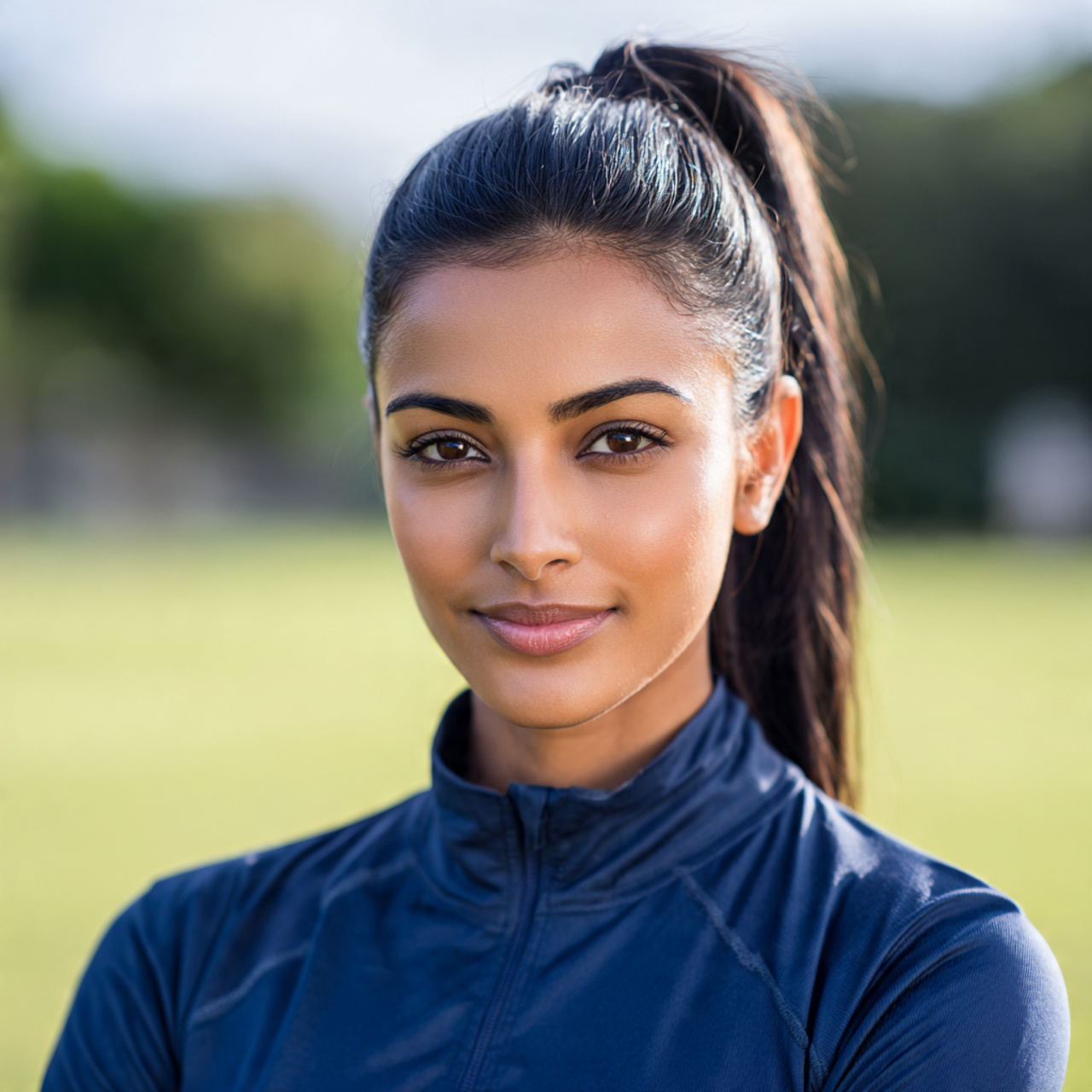
This classic look is a staple on the dirt because it keeps every single strand tucked away from the face. By crossing the hair over the middle section, you create a flat braid that sits comfortably under a helmet or a visor without causing pressure points. It is especially useful for players with layered hair who often struggle with flyaways during high-speed sprints around the bases.
Many players choose this style because it creates beautiful waves for the post-game celebration once the hair ties are finally removed. You can start the braids right at the hairline for maximum security, or leave them a bit looser if you prefer a more relaxed aesthetic during pre-game warmups. It remains one of the most reliable options for athletes of all ages.
Dutch Braids for Pitchers
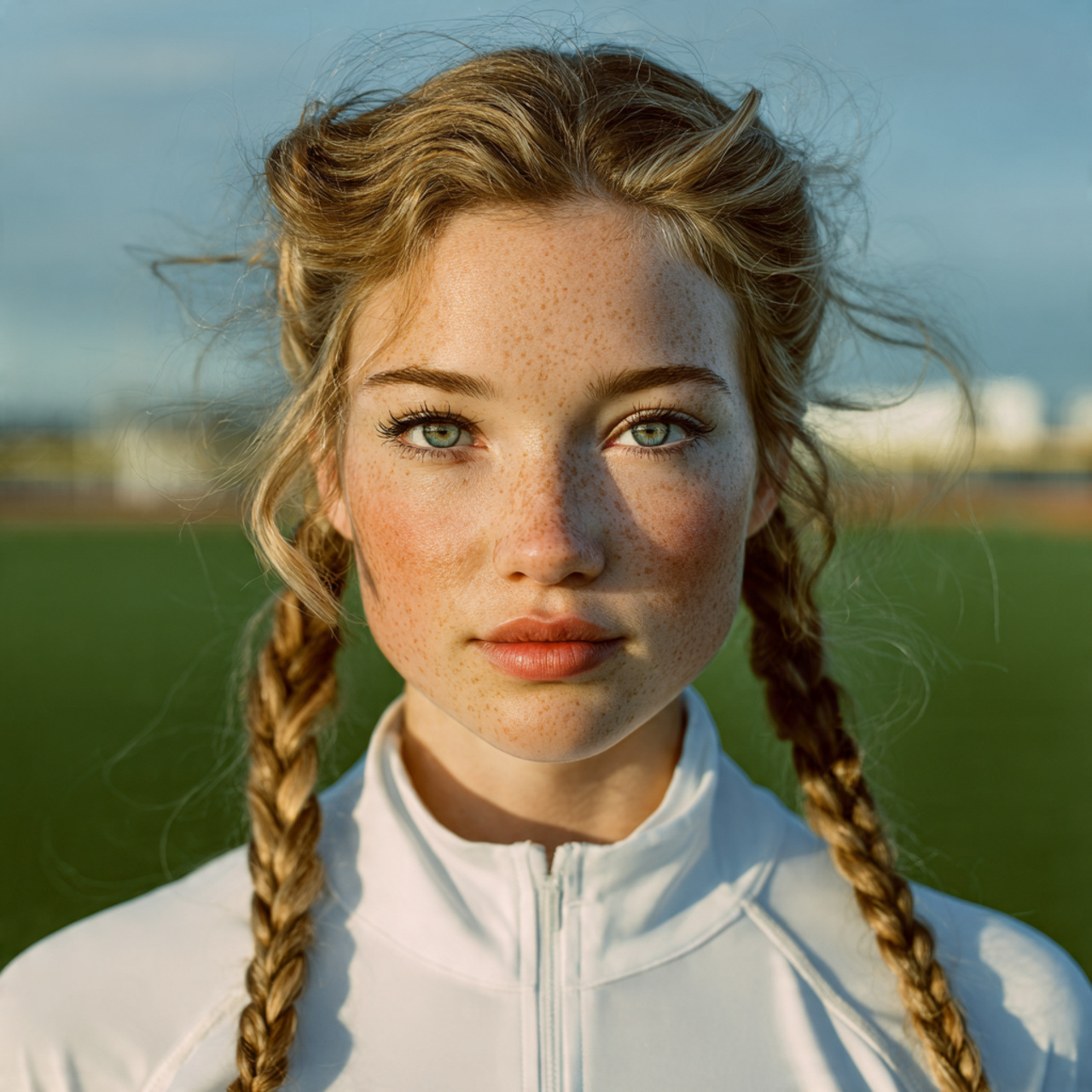
Dutch braids are often referred to as inside-out braids because they create a 3D effect that stands out from the scalp. For pitchers, this style is ideal because the braids are incredibly tight and stay close to the head, reducing any wind resistance or distracting movement during a high-velocity windup. The structure is robust enough to handle the repetitive motion of the pitching arm without loosening over seven innings.
Because these braids sit on top of the hair, they also provide a great surface for applying hairspray or gel to tame stubborn baby hairs. Pitchers love that they can wipe sweat from their forehead without accidentally pulling their hair out of its tie. This style is both a fierce statement of intent and a highly practical solution for the circle.
High Ponytail with Team Bows
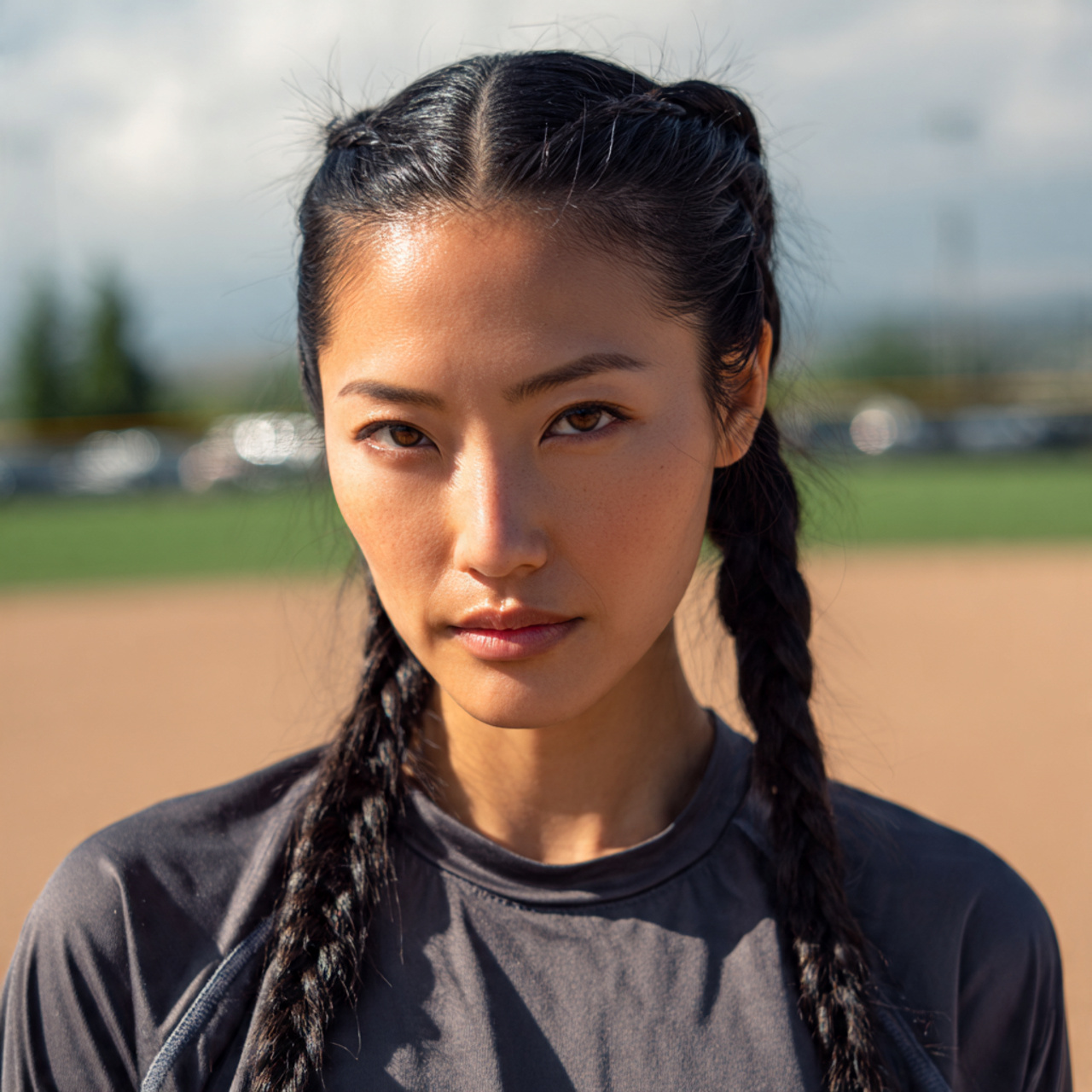
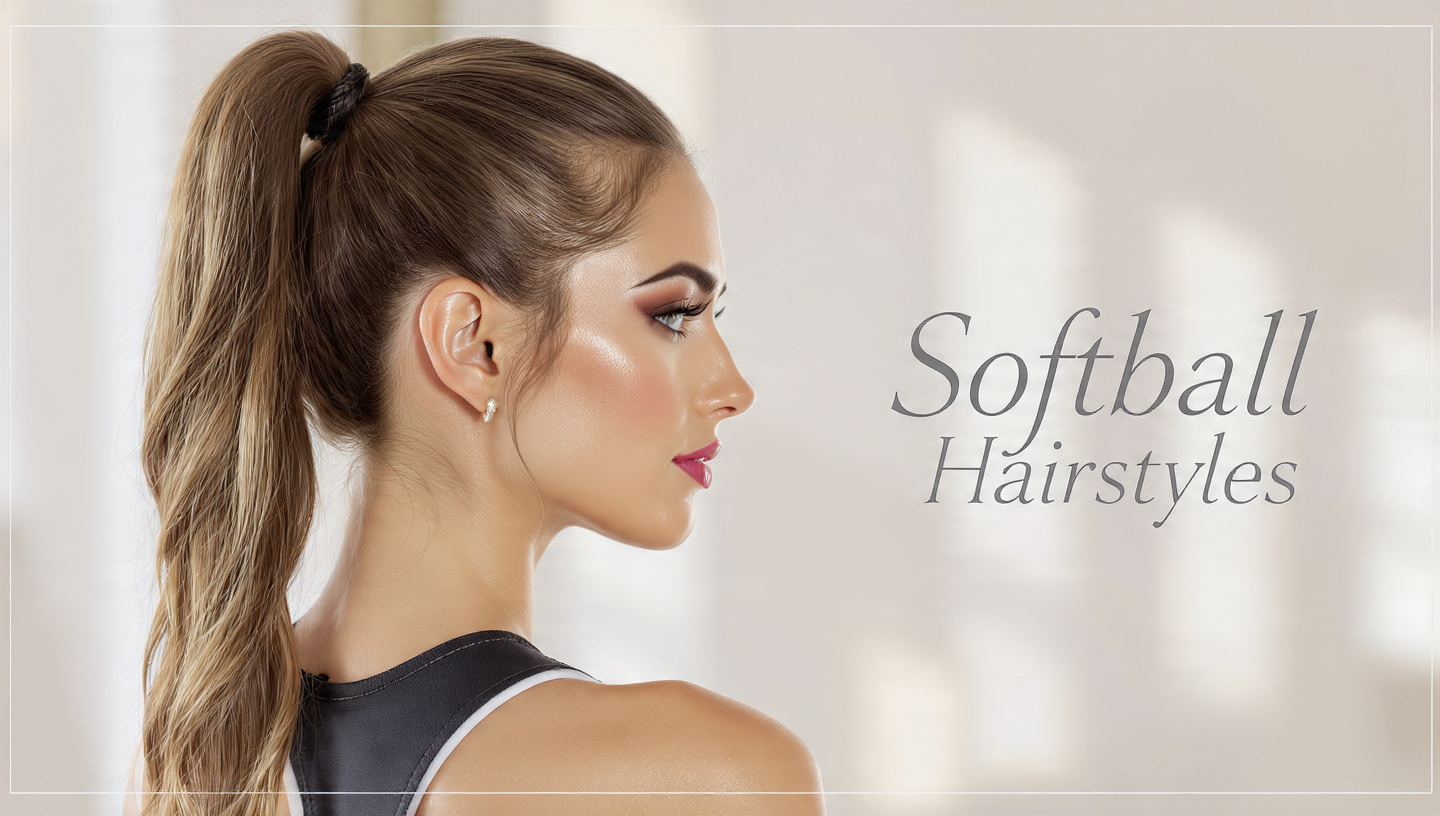
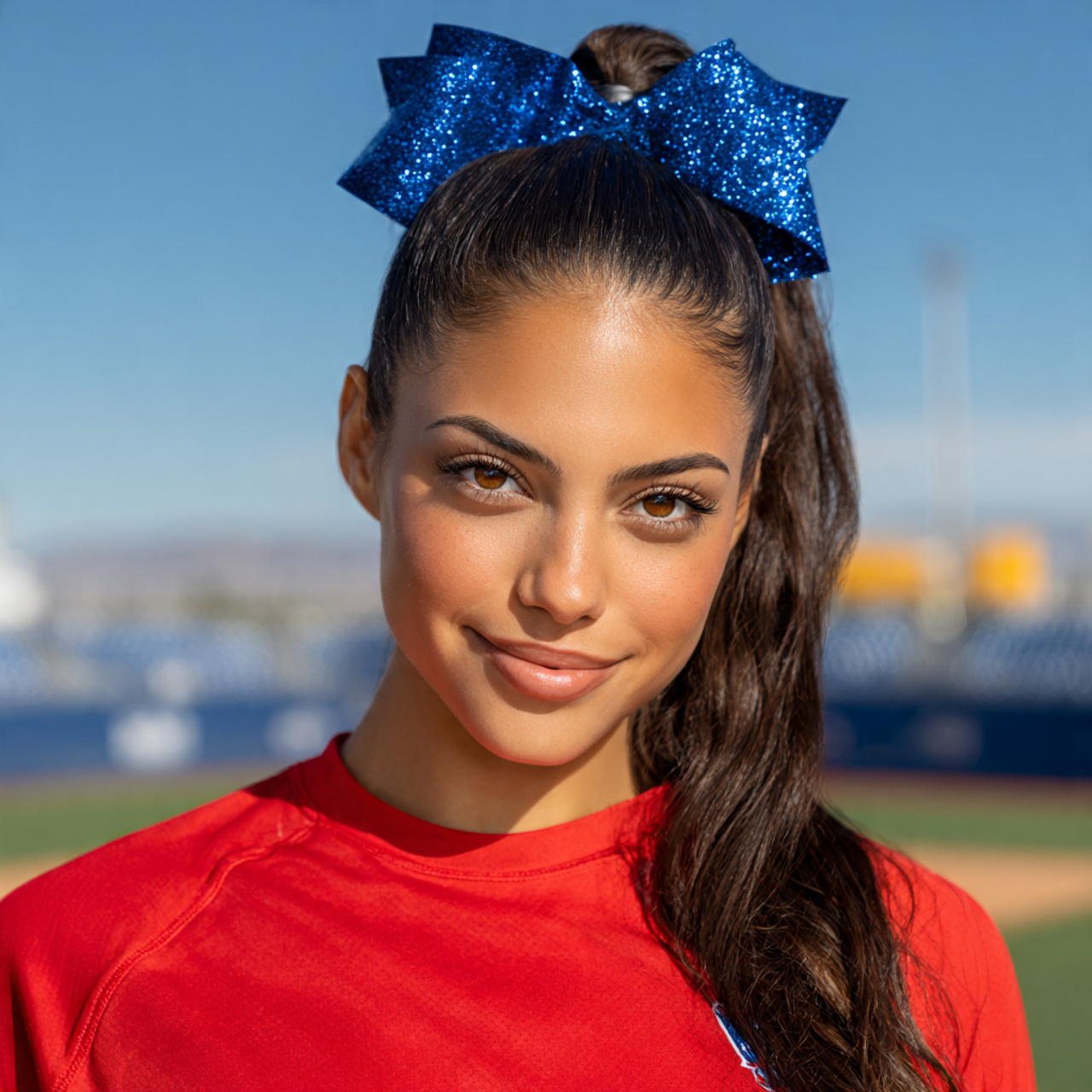
The high ponytail is perhaps the most iconic look in the sport, especially when paired with a massive, glittery team bow. This style keeps the bulk of the hair off the neck, which is a major advantage during hot summer tournaments when staying cool is a priority. It allows for plenty of airflow and is very easy to fix quickly between innings if the elastic begins to slide.
To make this look work for competitive play, it is best to use a heavy-duty hair tie or even two to ensure the ponytail stays high. Adding a bow at the base of the tie not only shows off team colors but also helps anchor the hair in place. This remains a favorite for outfielders who need to track fly balls without any obstruction to their upward peripheral vision.
Bubble Braid Technique
Bubble braids have become a massive trend because they offer the security of a braid without the complex finger work required for weaving. You simply start with a ponytail and add elastics every few inches, pulling the hair out slightly between each tie to create a “bubble” effect. This is a fantastic option for players with very long hair who want to prevent tangling during the game.
This style is surprisingly durable and can survive multiple slides into second base without falling apart. Because it uses multiple elastics, the weight of the hair is distributed evenly, which prevents the scalp soreness often associated with heavy ponytails. It is a modern, fun look that looks great in team photos and performs even better on the field.
Double French Braids
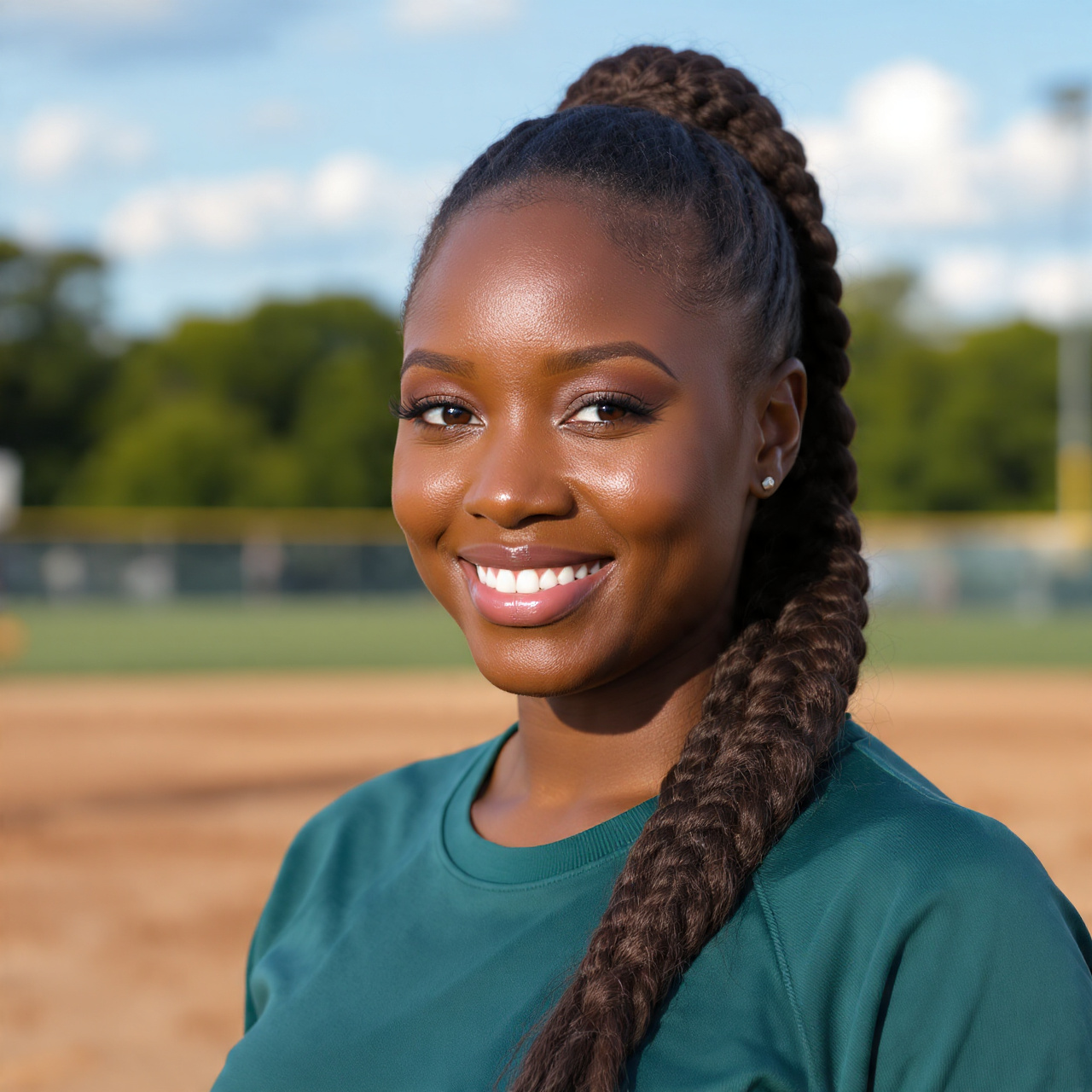
Double French braids offer a symmetrical and balanced feel that many middle infielders prefer for quick movements. By splitting the hair down the center, you ensure that no side of your head feels heavier than the other, which can help with overall balance during lateral transitions. This style is exceptionally flat, making it the perfect companion for a snug-fitting batting helmet.
These braids are also great for managing thick hair that might otherwise feel too bulky for a single braid or bun. By dividing the hair into two sections, you can pull the hair tighter and closer to the scalp, ensuring a long-lasting hold. Many players find that this style can even last through an entire weekend of tournament play with just a few minor touch-ups.
Slick Back Low Bun
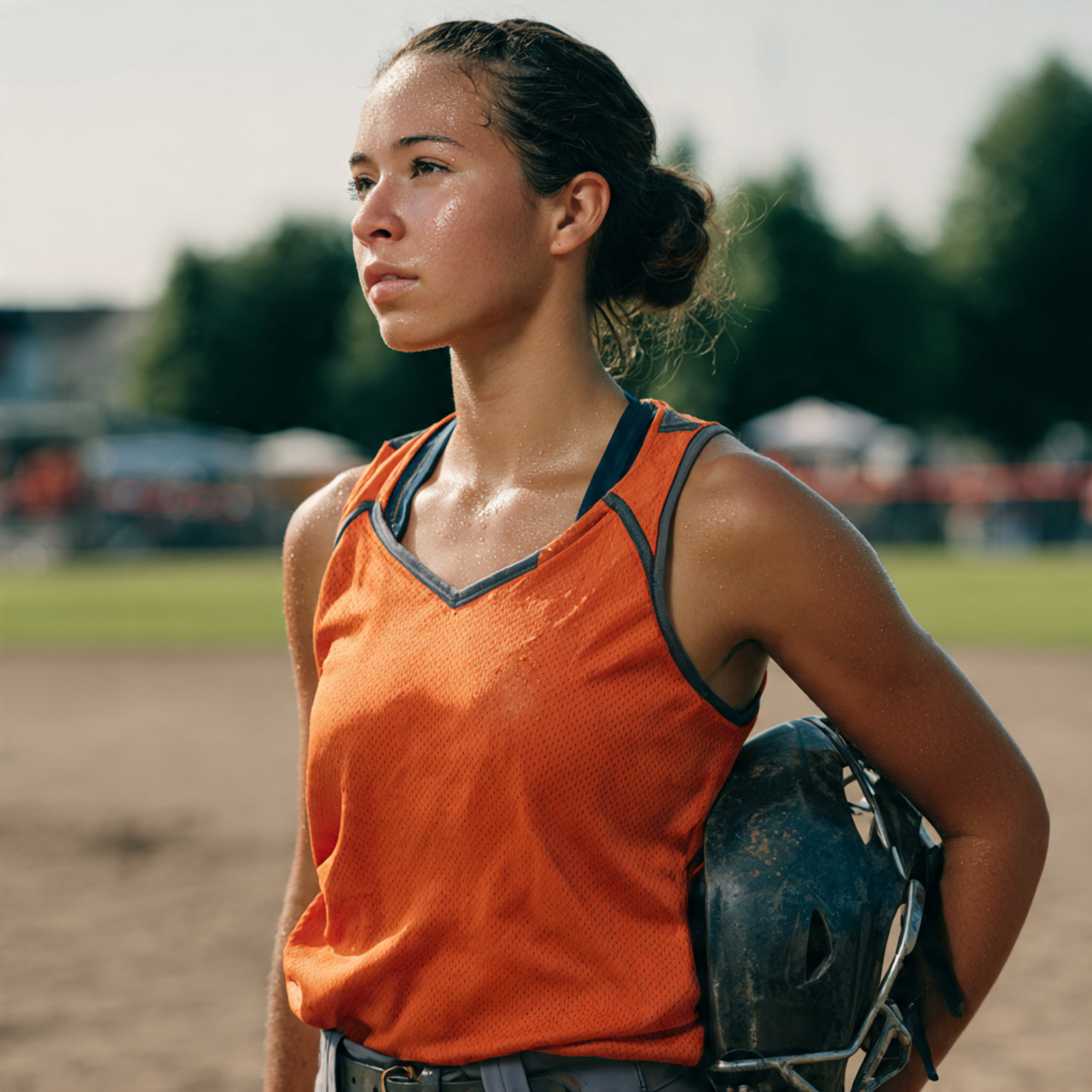
For the player who wants zero distractions, the slick back low bun is the ultimate utilitarian choice. By using a strong-hold gel and a fine-tooth comb, you can pull all the hair back into a tight knot at the nape of the neck. This positioning is perfect for those who wear visors or have to transition frequently between a helmet and a fielding mask.
The low bun is also a favorite for catchers because it sits below the bottom strap of the catcher’s mask, preventing any uncomfortable rubbing or snagging. It provides a clean, professional appearance that says you are there to work. Even after a long day of dirt and sweat, this style maintains its integrity and keeps you looking sharp.
Multi-Strand Braided Ponytail
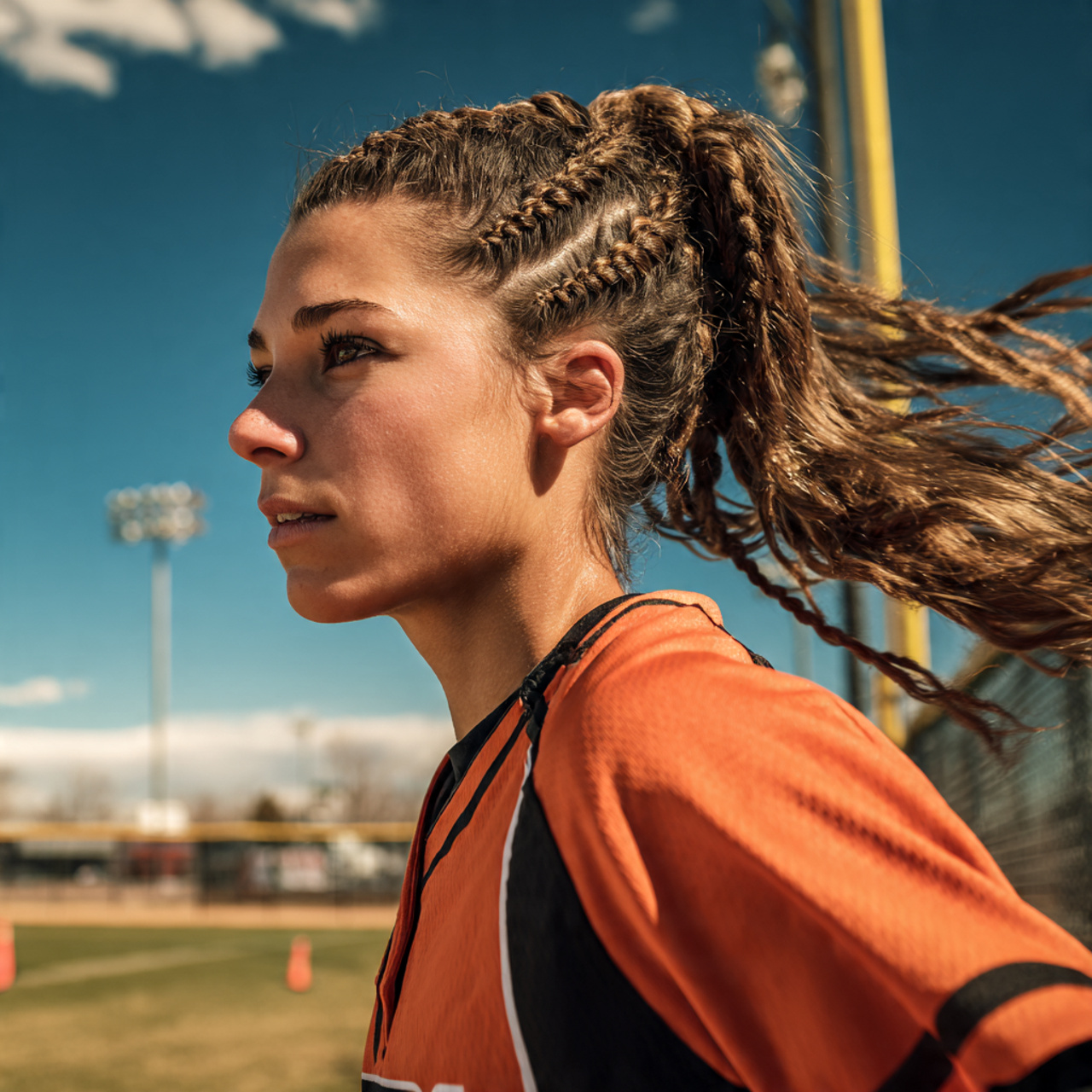
A multi-strand braided ponytail combines the height of a traditional pony with the security of an intricate braid. You begin by securing the hair in a high or medium-height ponytail and then dividing that tail into three or four smaller braids. These smaller braids are then woven together or simply left to hang, creating a thick and sturdy cord of hair.
This style is excellent for preventing the “whip” effect that a standard ponytail can have during a fast swing or a quick throw. By braiding the ponytail, you condense the hair’s mass, making it less likely to catch on your jersey or your shoulder. It is a sophisticated look that provides a high level of control for aggressive players.
Space Buns for Game Day
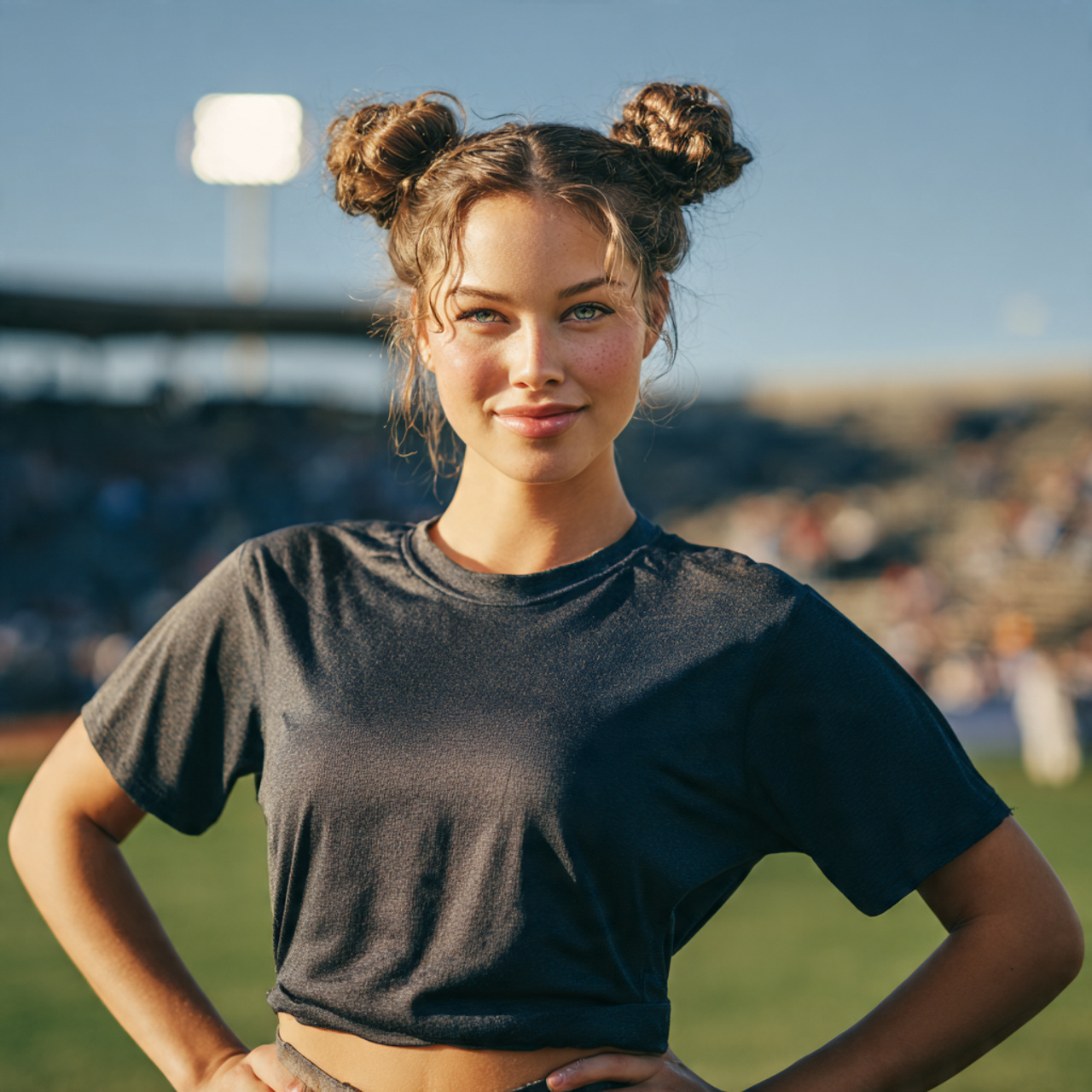
Space buns are a playful and energetic option that involves two buns situated on the top or back of the head. While they are often seen as a fun fashion choice, they are actually quite functional for keeping hair completely off the neck and shoulders. When pinned securely with bobby pins, they provide a balanced weight distribution that many athletes find comfortable.
To ensure they stay put during a game, it is best to braid the hair into pigtails first before wrapping them into buns. This creates an extra layer of security that prevents the buns from unraveling when you are running at full speed. This style is a great way to bring some personality and team spirit to the diamond while remaining game-ready.
Fishtail Braid Style
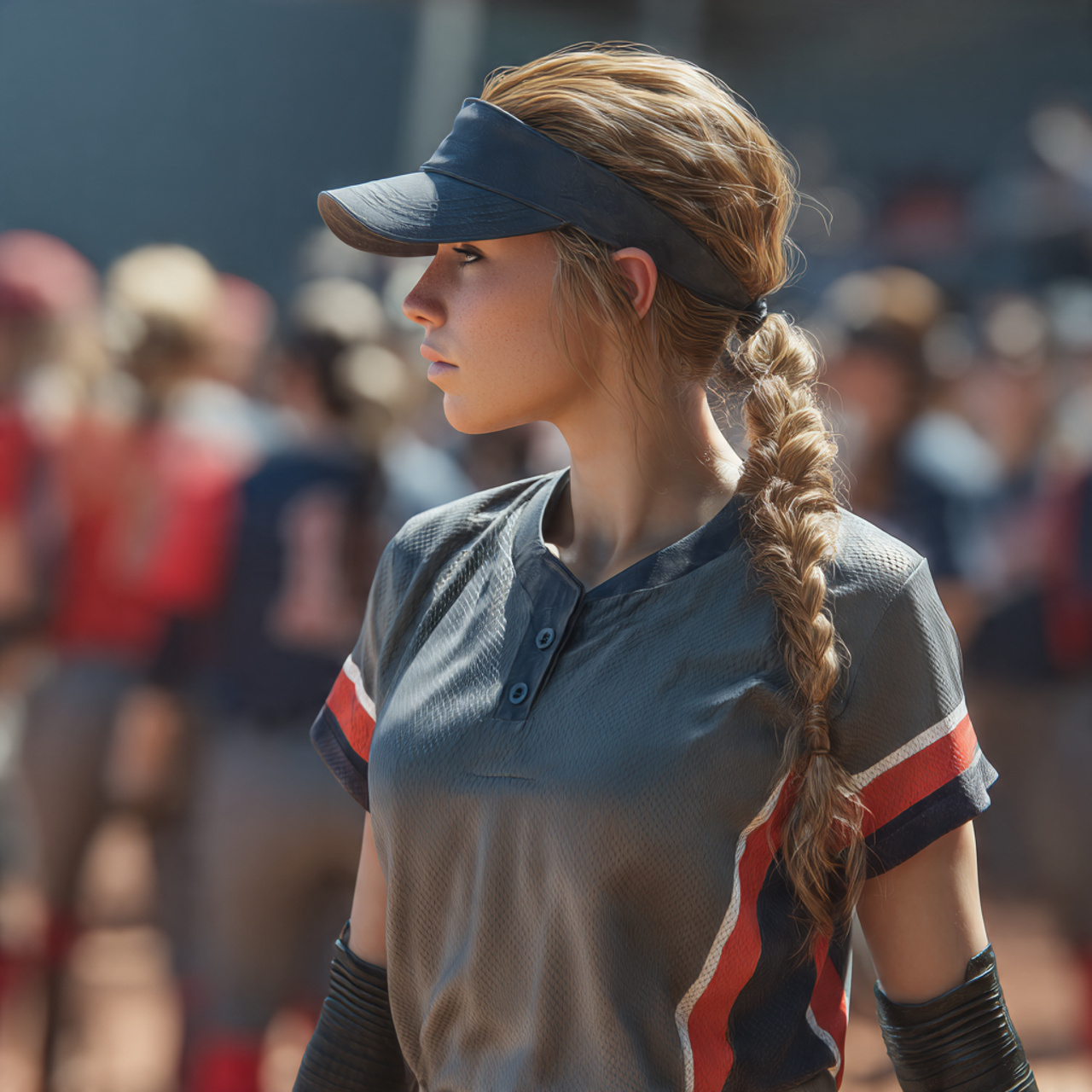
The fishtail braid is a beautiful and detailed option that is surprisingly effective for softball. Unlike a standard three-strand braid, the fishtail uses smaller sections of hair, resulting in a much tighter and more secure weave. This makes it less likely to loosen up over time, even if you are an active player who is constantly on the move.
Because the fishtail braid is so dense, it does a great job of holding in shorter layers that might otherwise poke out of a normal braid. It looks incredibly professional and stays looking neat even after you’ve spent half the game in the dugout or the field. It is a great choice for players who want a style that looks a bit more unique than the standard options.
Top Knot for Catchers
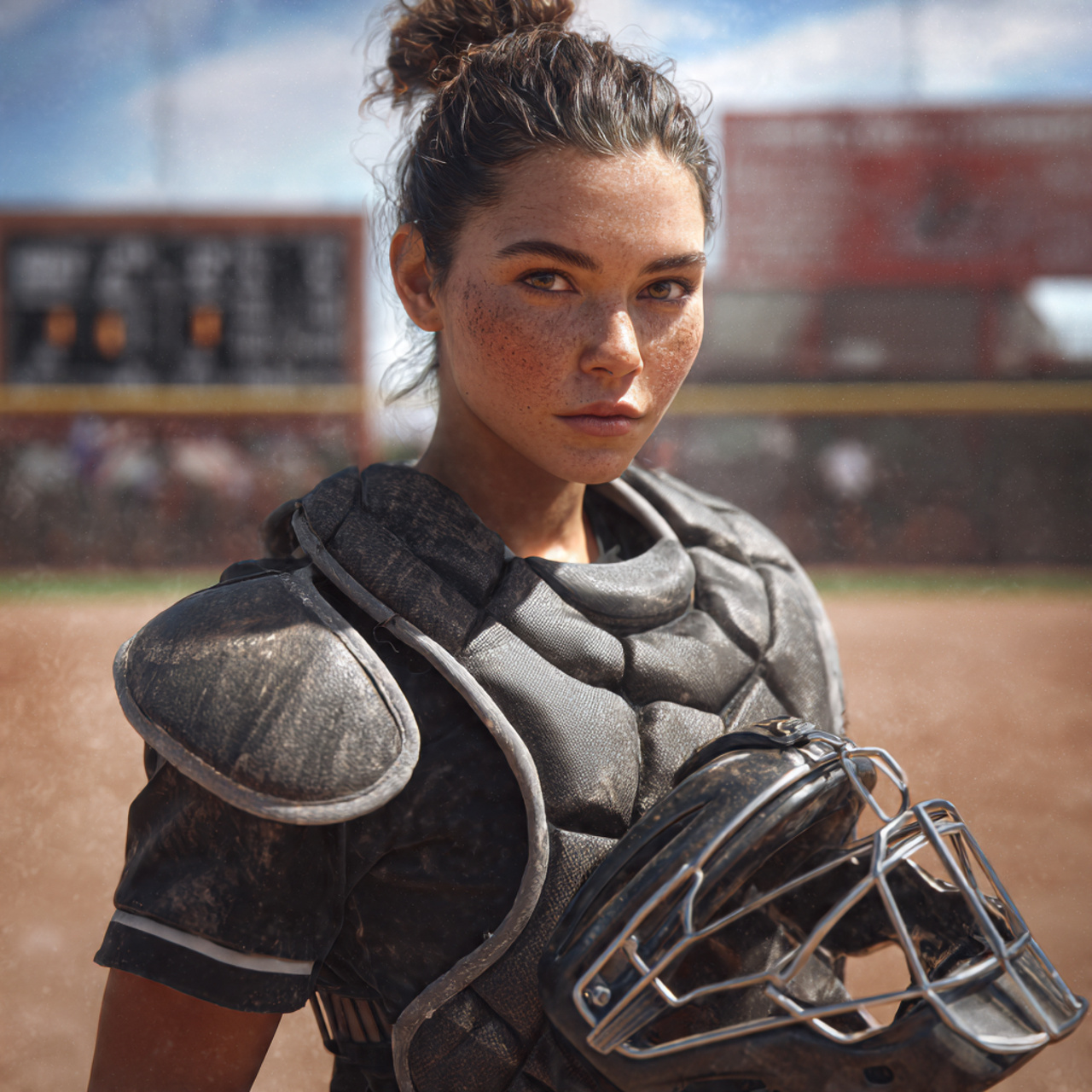
The top knot is a specific variation of the bun that is designed to sit at the very highest point of the head. This is particularly useful for catchers who need to take their mask on and off repeatedly throughout every single inning. By placing the hair on top, it avoids the back straps of the mask entirely, ensuring a smooth and fast transition.
To make a top knot game-ready, it is important to use a “scrunchie” or a thick hair tie that won’t snap under pressure. You can also use a bit of hairspray to keep the sides smooth so that no hair gets caught in the mask’s hinges. It is a practical, high-performance style that has become a favorite for many elite backstops.
Pull-Through Braid Look
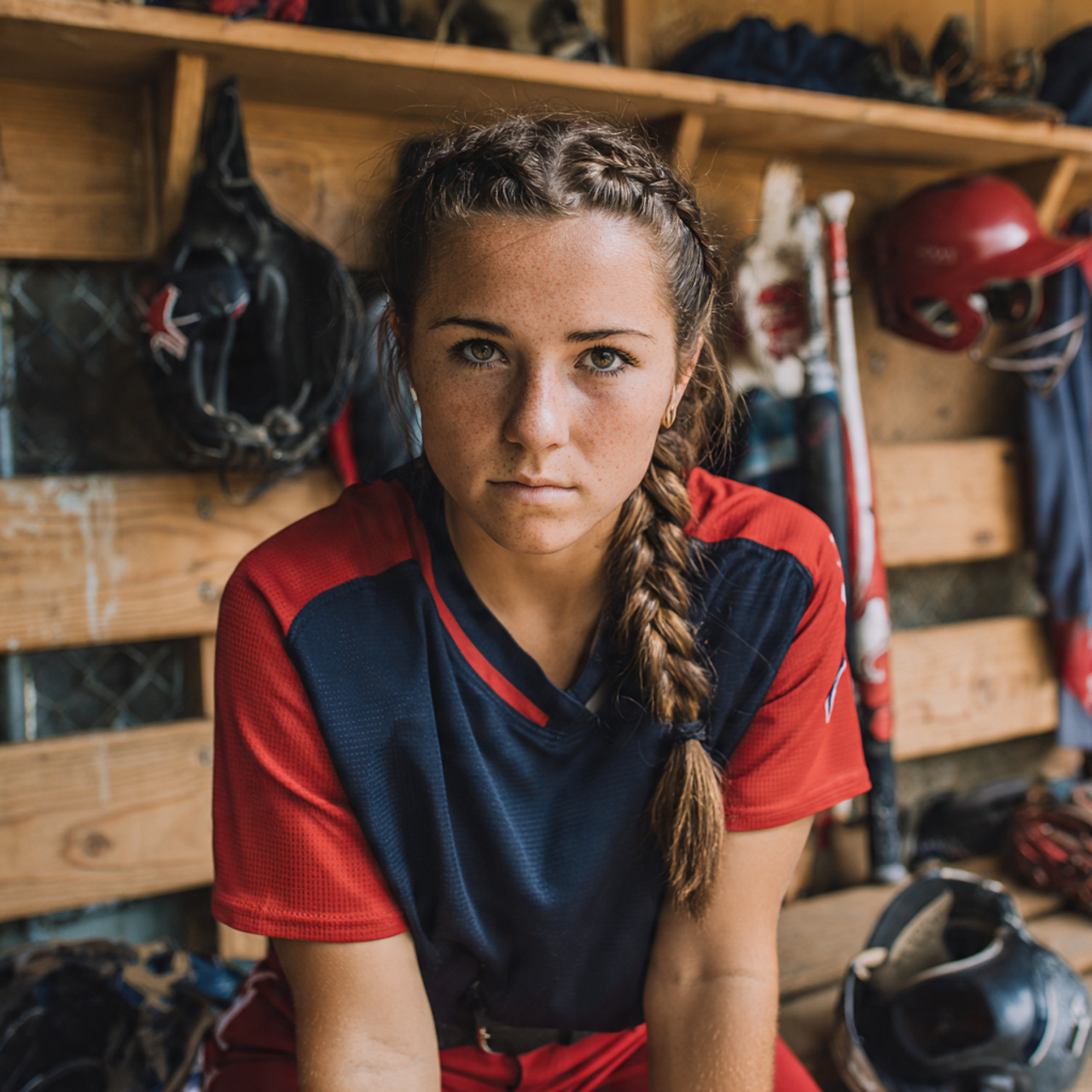
A pull-through braid is a creative alternative that looks like a complex braid but is actually a series of connected ponytails. This is one of the most secure softball hairstyles available because every section of the braid is anchored by its own elastic. If one part of the style happens to loosen, the rest of the hair remains perfectly in place.
This style is perfect for players with fine hair who find that traditional braids tend to slip out during the game. It provides a lot of volume and visual interest while offering the kind of “lock-down” security needed for competitive sports. It is a fantastic choice for anyone who wants a “set it and forget it” hairstyle for a long day at the park.
Half-Up Top Knot
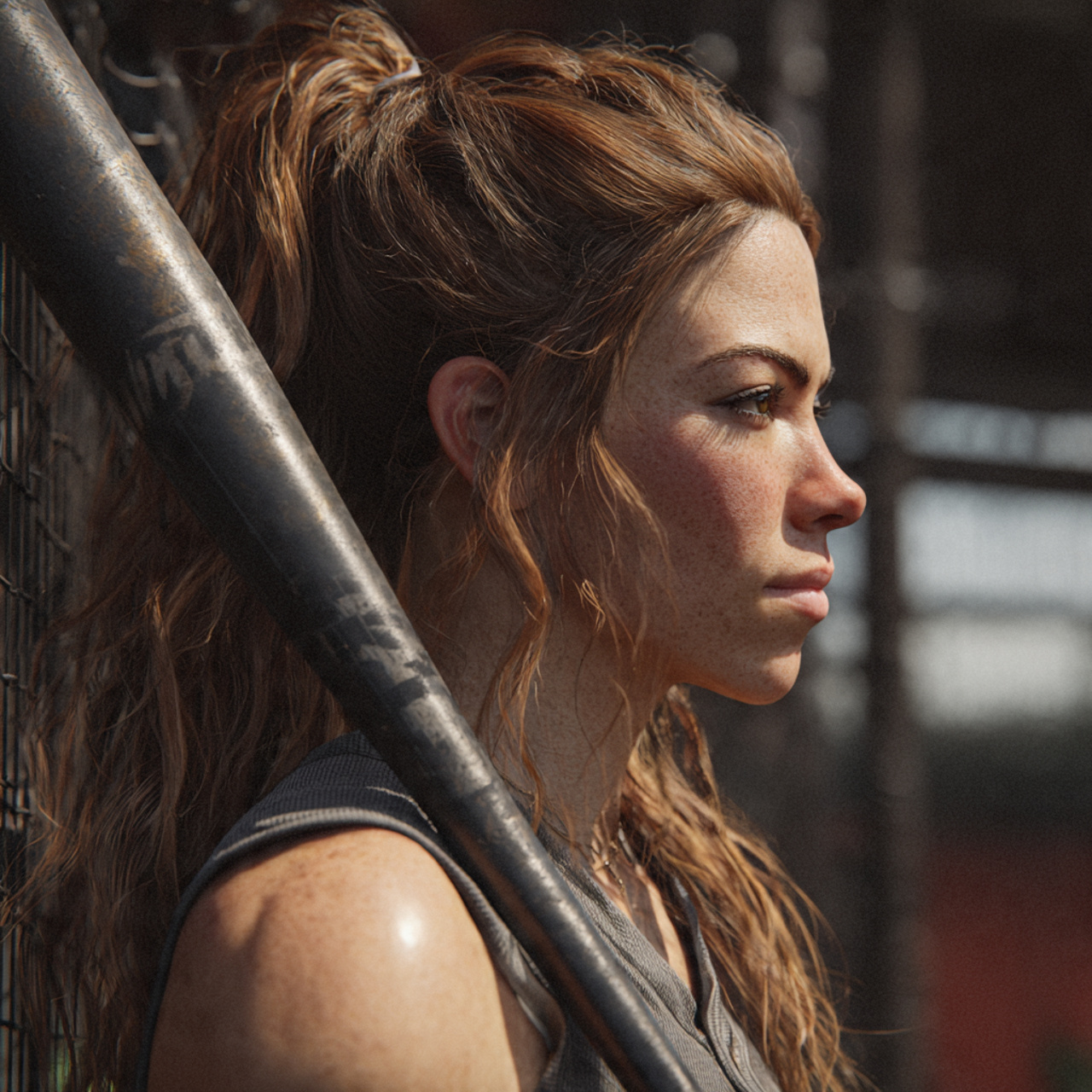
The half-up top knot is a versatile style that works well for players who want to keep the hair out of their eyes but don’t like the feel of a full ponytail. By securing only the top section of the hair into a bun, you clear your field of vision while letting the rest of the hair hang naturally. This is often a popular choice for practice or for players with shorter hair lengths.
To make this style work for a game, the top knot needs to be very tight to ensure it doesn’t flop around during movement. Many players use this style in combination with a headband to catch any shorter pieces around the hairline. It offers a more relaxed look that still maintains the necessary level of functionality for the diamond.
Side French Braid
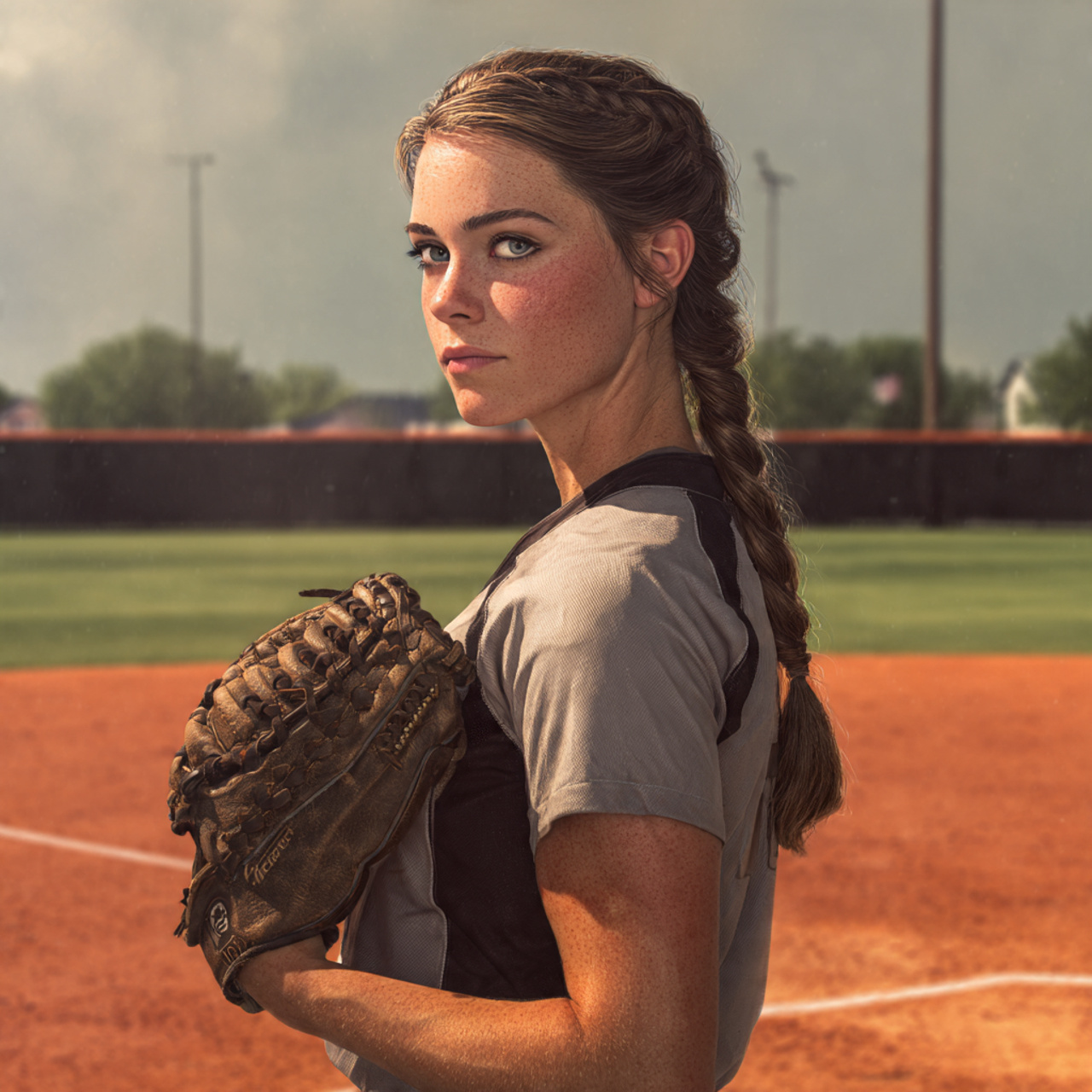
A side French braid is an elegant way to manage hair while keeping it concentrated on one side of the head. This can be a strategic choice for pitchers or fielders who have a dominant side and want to ensure no hair interferes with their throwing motion. The braid starts at one temple and travels diagonally across the back of the head.
This style is excellent at catching those pesky “whisps” that often fall out of a standard centered braid. It provides a unique silhouette on the field and can be finished with a ponytail or a side bun. It is a sophisticated option that bridges the gap between a classic athletic look and a more stylized appearance.
Braided Headband Style
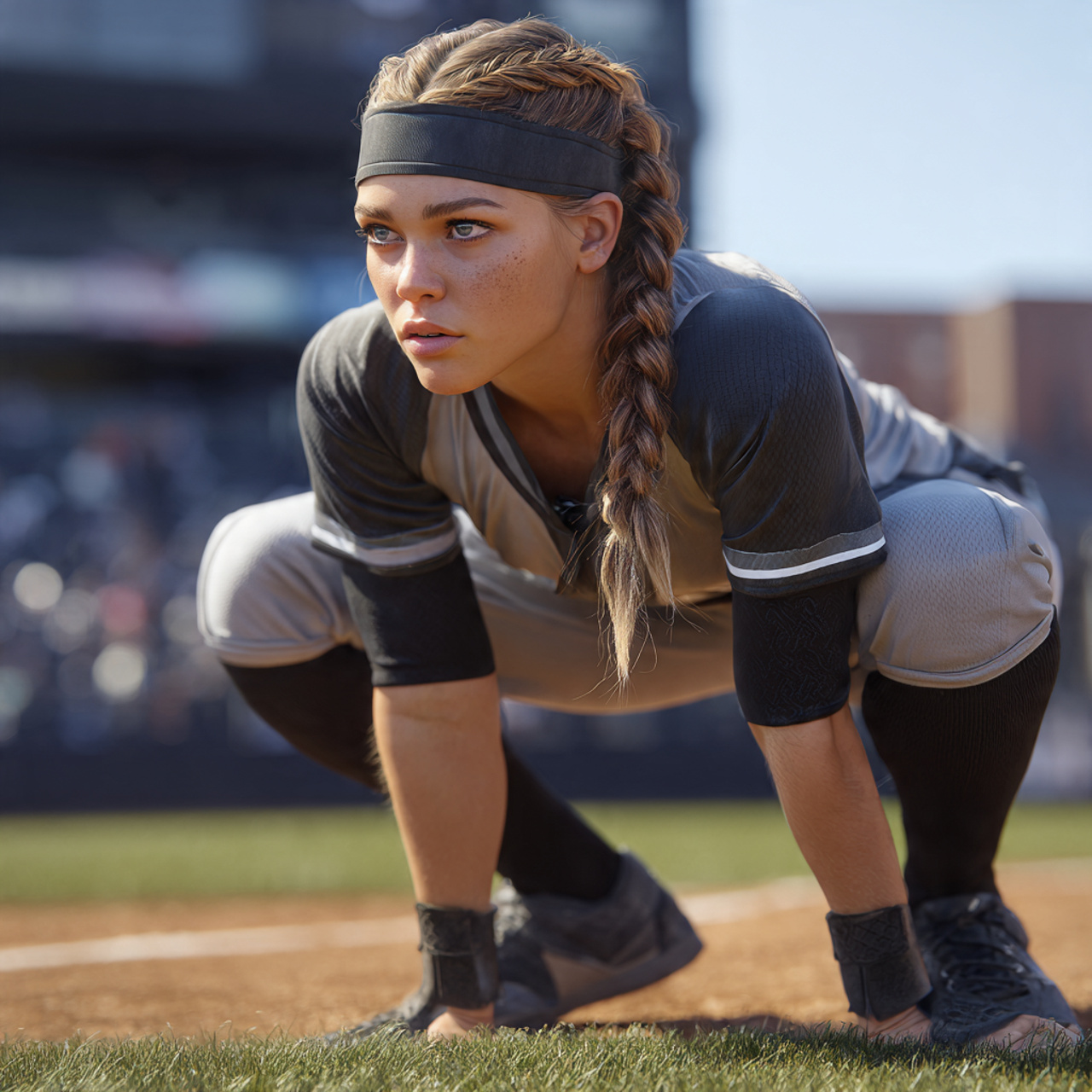
The braided headband involves creating a small French or Dutch braid that runs along the hairline from ear to ear. This acts as a natural headband, keeping bangs and short layers completely away from the face without the need for plastic or fabric accessories. The rest of the hair can then be pulled back into a ponytail, bun, or left in pigtails.
This is a lifesaver for players who are growing out their bangs or have many flyaways that traditional headbands can’t seem to hold. It is extremely secure and won’t slide off your head no matter how hard you slide or dive. It’s a very popular choice for players who want a clean, polished look that is built to last through the final inning.
Low Ponytail for Visors
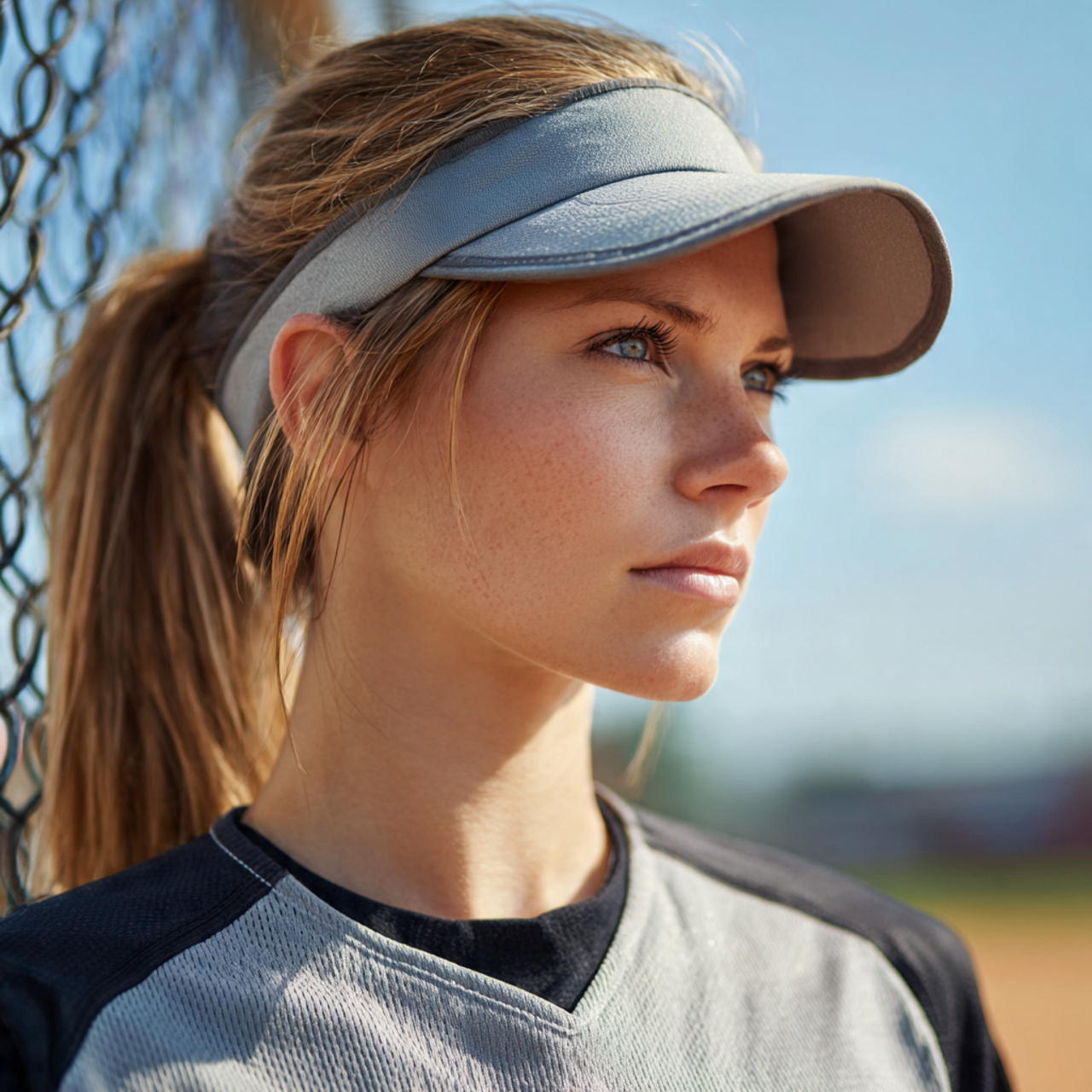
Players who prefer wearing visors instead of full hats often opt for the low ponytail because it fits perfectly through the back opening. This style sits right at the base of the skull, ensuring that the visor stays seated low on the forehead for maximum sun protection. It is a simple, effective, and classic look that takes only seconds to assemble.
To keep a low ponytail from looking messy, it is helpful to wrap a small section of hair around the elastic to hide it, or to use a team-colored ribbon. This style is also very easy to adjust without having to take the visor off. It is a go-to for many veteran players who value speed and simplicity in their pre-game routine.
Triple Braided Ponytail
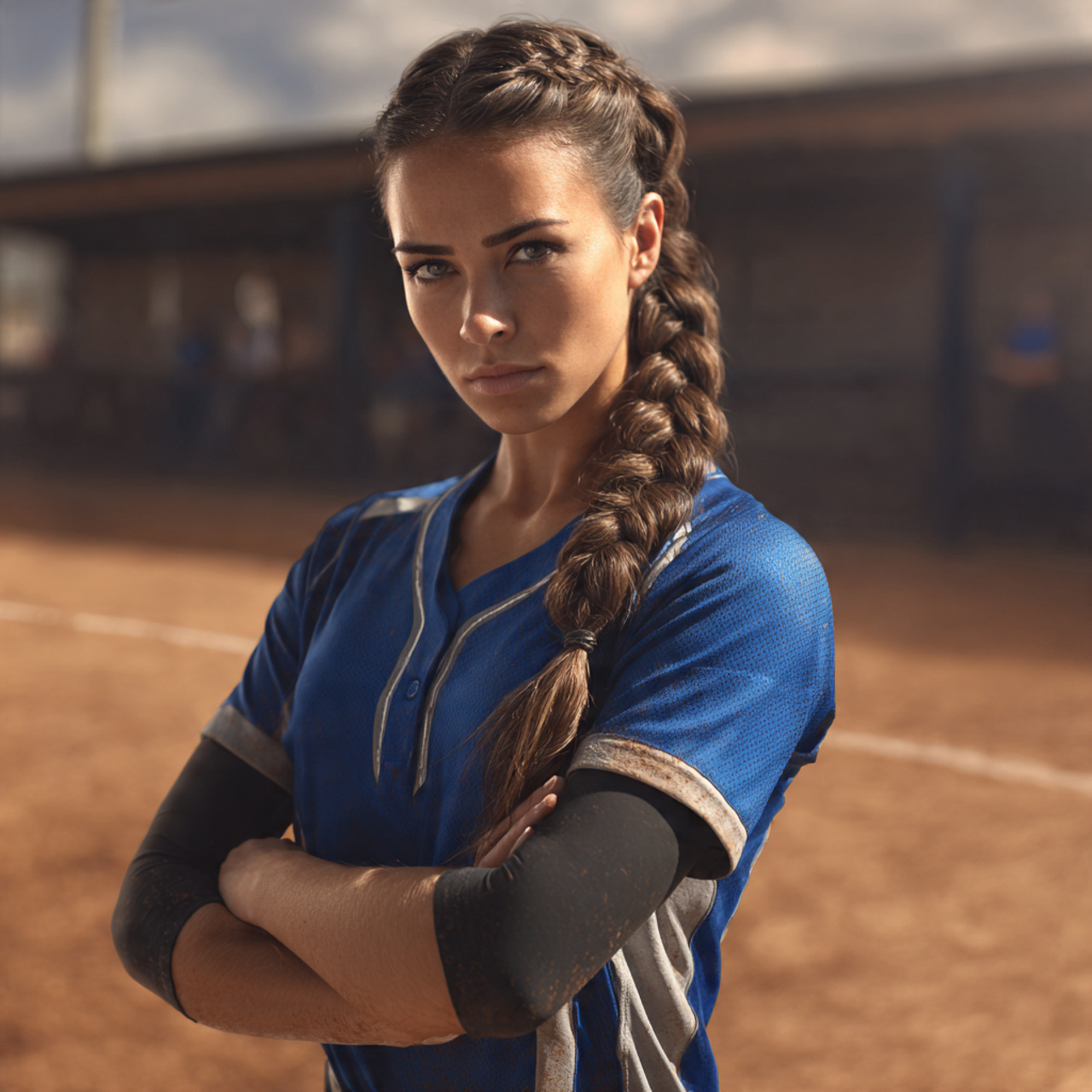
The triple braided ponytail is a high-security evolution of the standard pony that involves creating three separate braids before joining them together. You start by making three small braids at the front of your head, which then feed into a single ponytail at the back. This provides multiple anchor points, making it nearly impossible for the hair to come loose.
This style is particularly good for players with very thick or heavy hair that tends to pull out of a single tie. By dividing the tension across three different braids, you reduce the pull on your scalp and increase the overall longevity of the style. It looks intricate and professional, making it a standout choice for championship games.
Inverted Ponytail Design
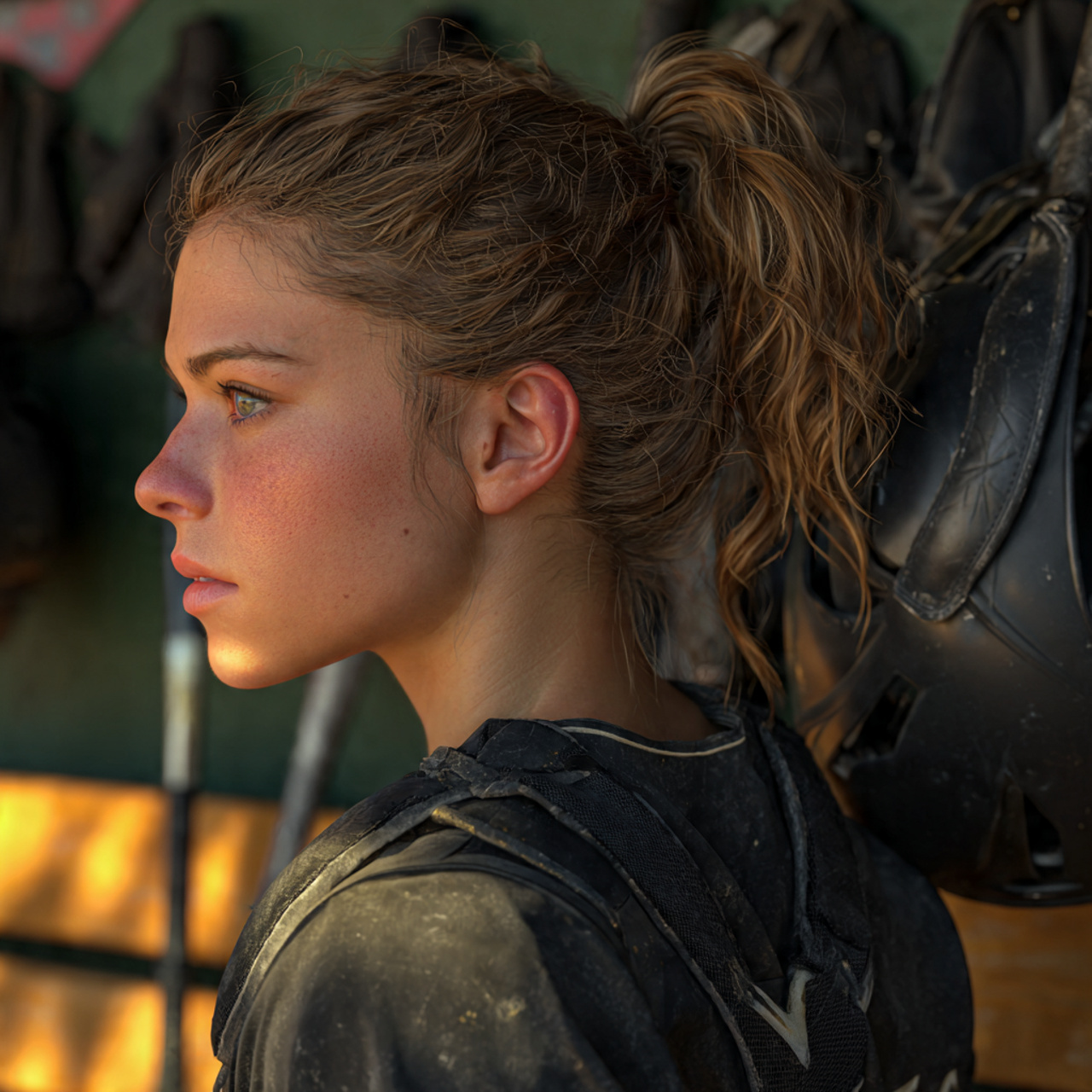
The inverted ponytail, also known as a topsy tail, is a quick way to add a bit of flare to a standard low or medium ponytail. After securing the hair, you create a small gap above the elastic and loop the ponytail through it. This creates a twisted effect that looks much more complicated than it actually is and helps to tuck in loose ends.
This style is great because it adds an extra layer of tension that keeps the hair tie from sliding down the hair shaft. It is a low-profile look that fits well under most headgear and stays close to the head. It’s a perfect option for players who want a little bit of style without spending a lot of time in front of the mirror before the game.
Messy Bun for Practice
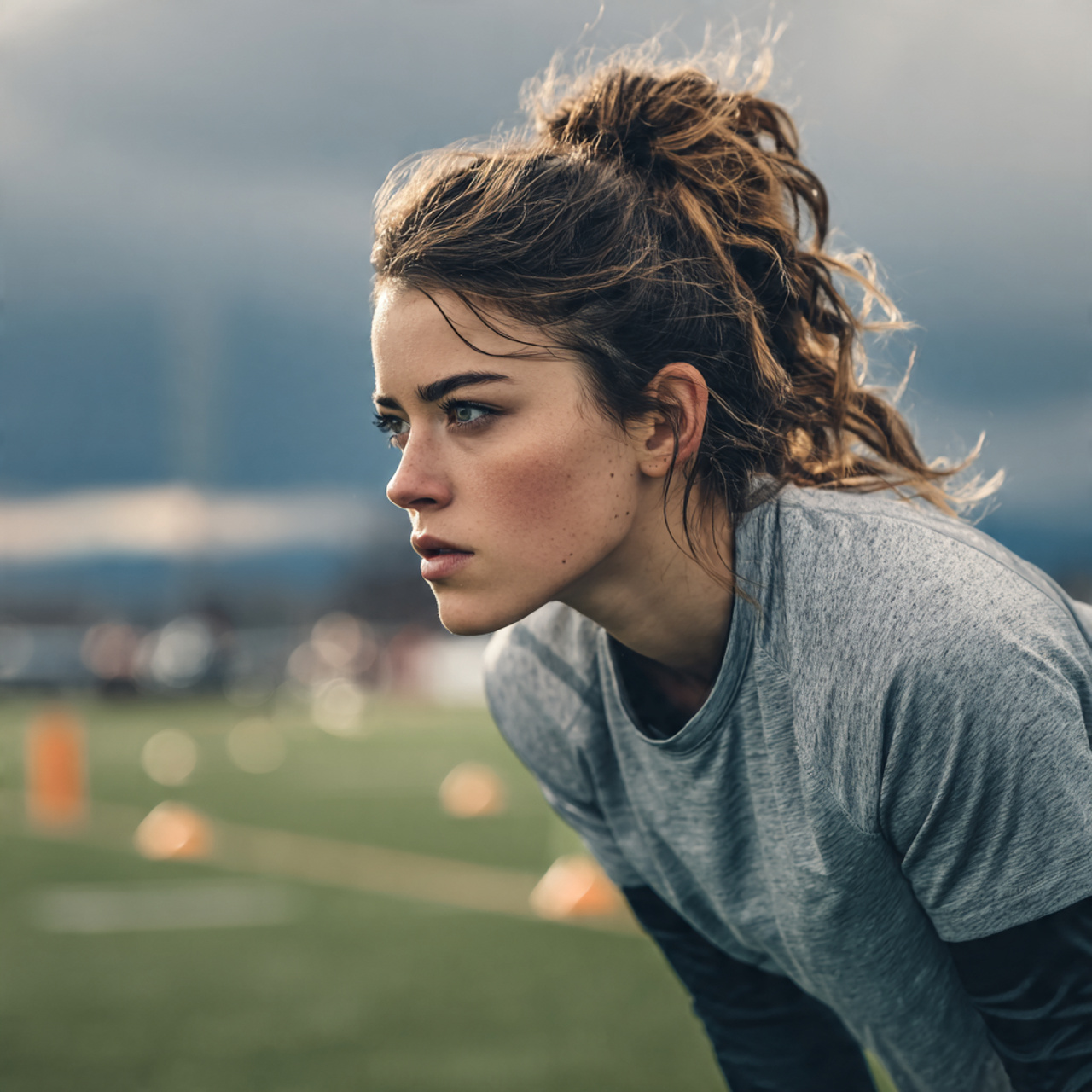
While a “messy” bun might sound too relaxed for a game, a reinforced version is a staple for long practice sessions. The key to a game-ready messy bun is using plenty of pins and a very strong elastic to ensure the “messiness” is purely aesthetic and not a sign of a loose style. It keeps the hair entirely off the neck and allows for maximum cooling during drills.
Many players prefer this style during the off-season or for casual scrimmages where a full set of braids might feel like overkill. It’s a comfortable, breathable option that allows you to focus on your footwork and swing mechanics. Just be sure to double-check the security of the bun before you start any high-speed running.
Short Hair Pigtails
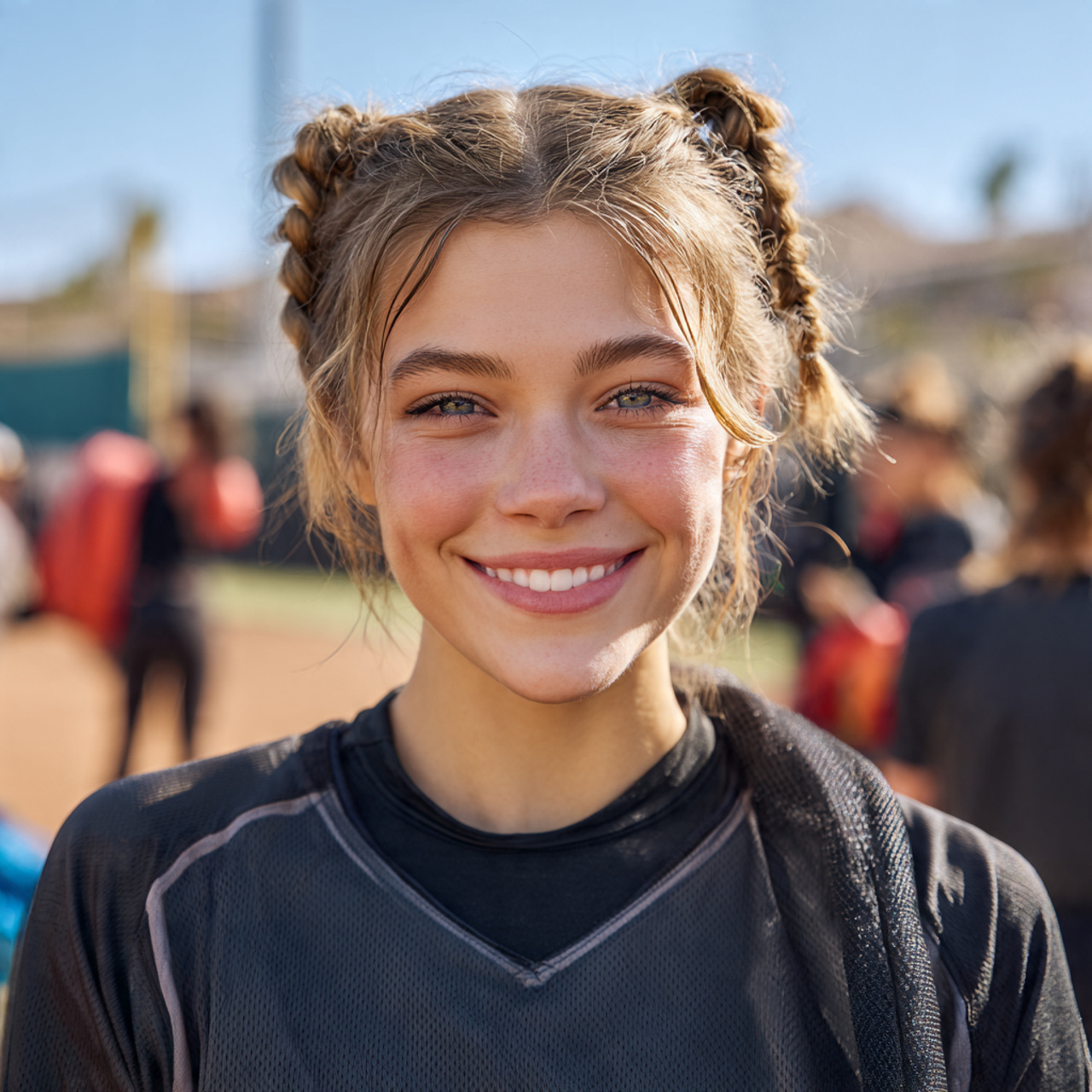
Short hair can be a challenge to style for sports, but small pigtails are a fantastic solution for keeping chin-length hair out of the face. By creating two small “sprouts” at the top or back of the head, you can capture the hair that isn’t long enough to reach a single ponytail. This prevents the hair from flopping forward when you lean down to field a ground ball.
You can also use small braids to lead into these pigtails for added security. This style is adorable and highly functional, proving that you don’t need long locks to have great softball hair. It is a favorite for younger players and those who prefer a low-maintenance haircut during the competitive season.
Ribbon Integrated Braid
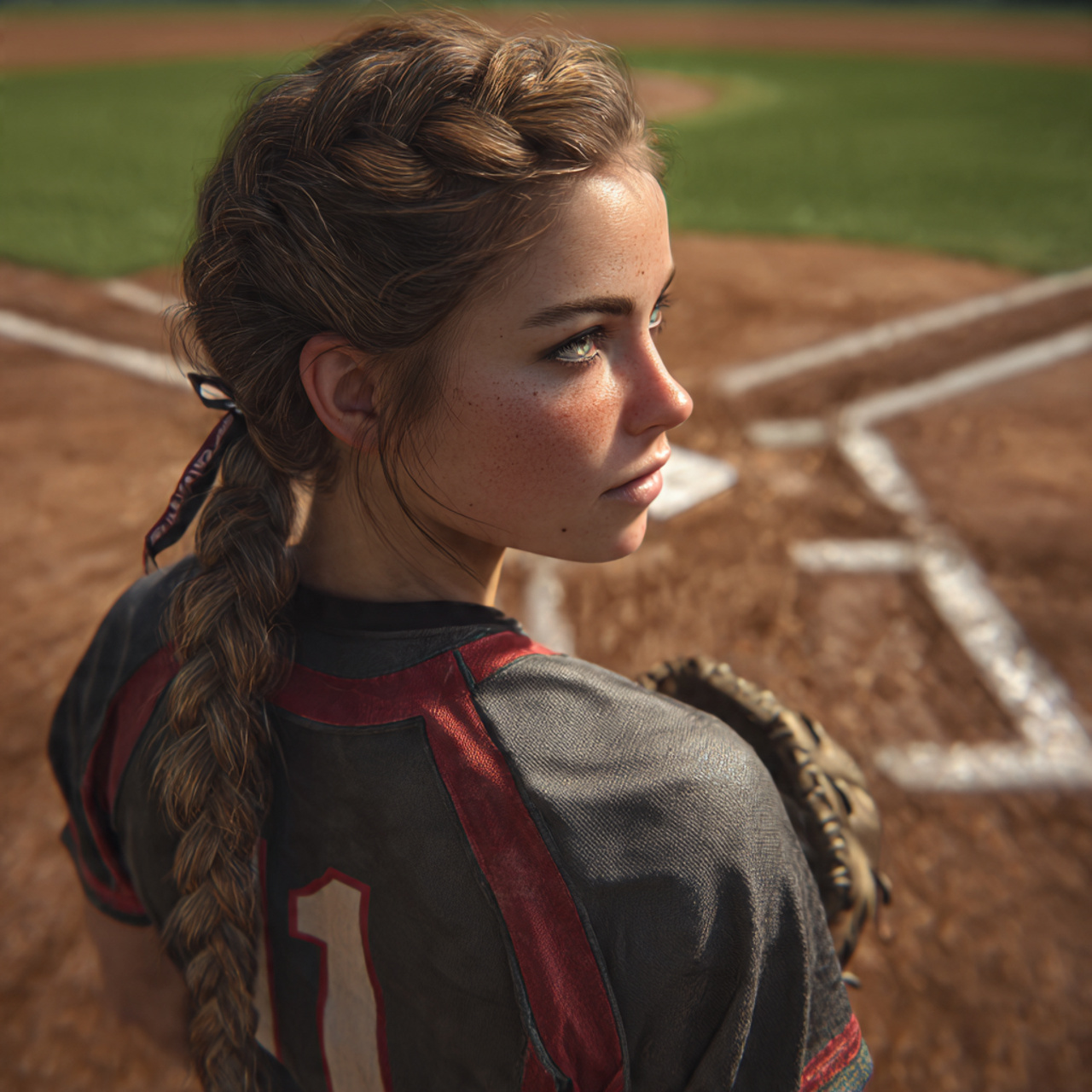
Integrating ribbons directly into your braids is a classic way to show team pride while adding extra grip to your hairstyle. By weaving a piece of ribbon into one of the three strands of a braid, you create a colorful and textured look that stands out on the field. The fabric of the ribbon can actually help keep the hair from sliding, especially for those with very silky hair.
This technique works with French, Dutch, or standard braids and can be customized with any color to match your jersey. It is a great way to bond with teammates by having everyone wear matching ribbons in their hair. It turns a standard functional hairstyle into a part of the team’s uniform and identity.
Cornrow Inspired Styles
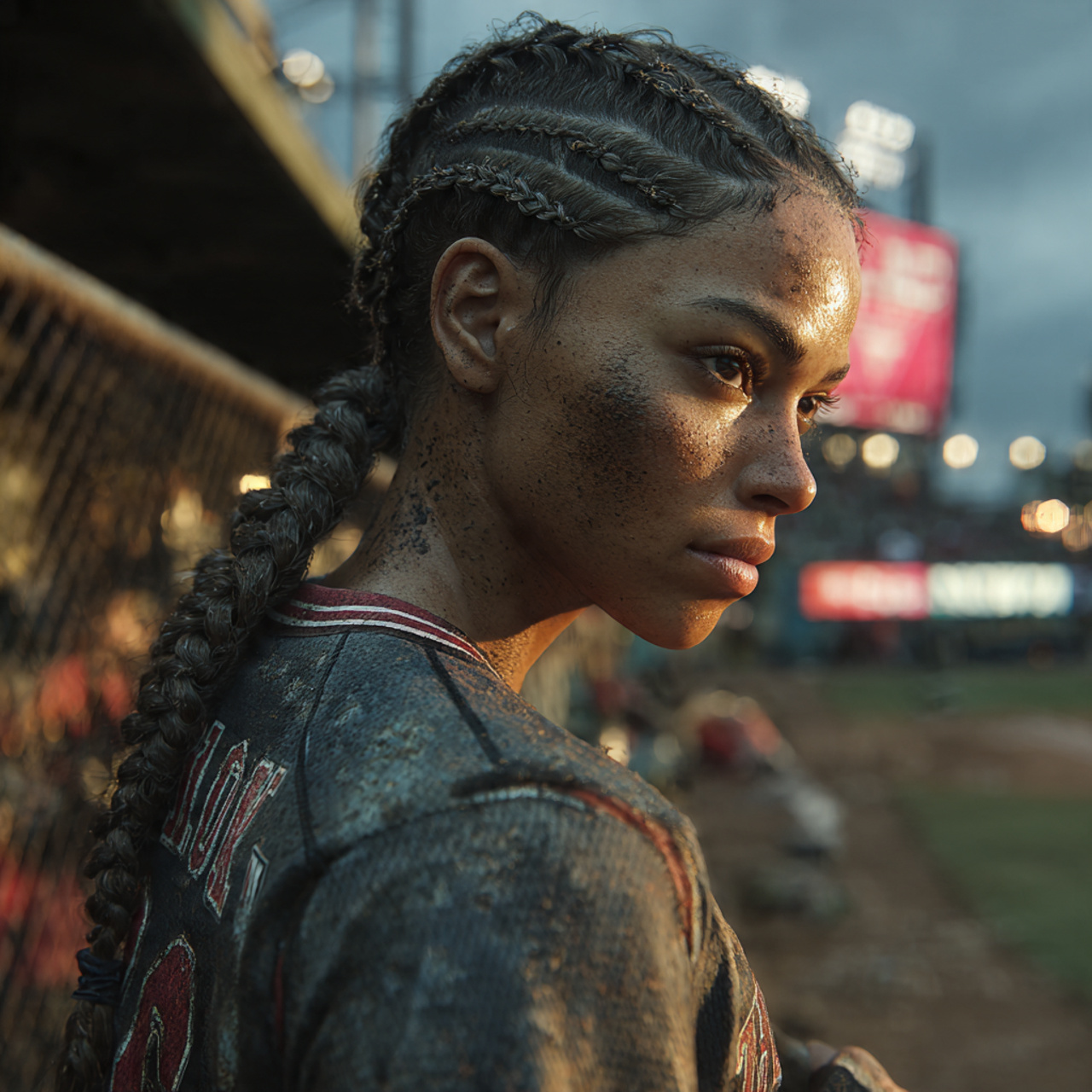
Cornrow-inspired styles involve creating multiple very small, tight braids that sit flush against the scalp. This is one of the most durable options available and can often stay in place for several days, making it perfect for long weekend tournaments or travel ball. It provides a completely flat surface for helmets and keeps every single hair under control.
This style is also excellent for protecting the hair from the elements, such as wind and dust, which are common on the softball field. While it takes longer to create initially, the time saved in daily styling during a tournament is well worth the effort. It is a fierce and practical look that is favored by many high-level athletes.
Topsy Tail Ponytail
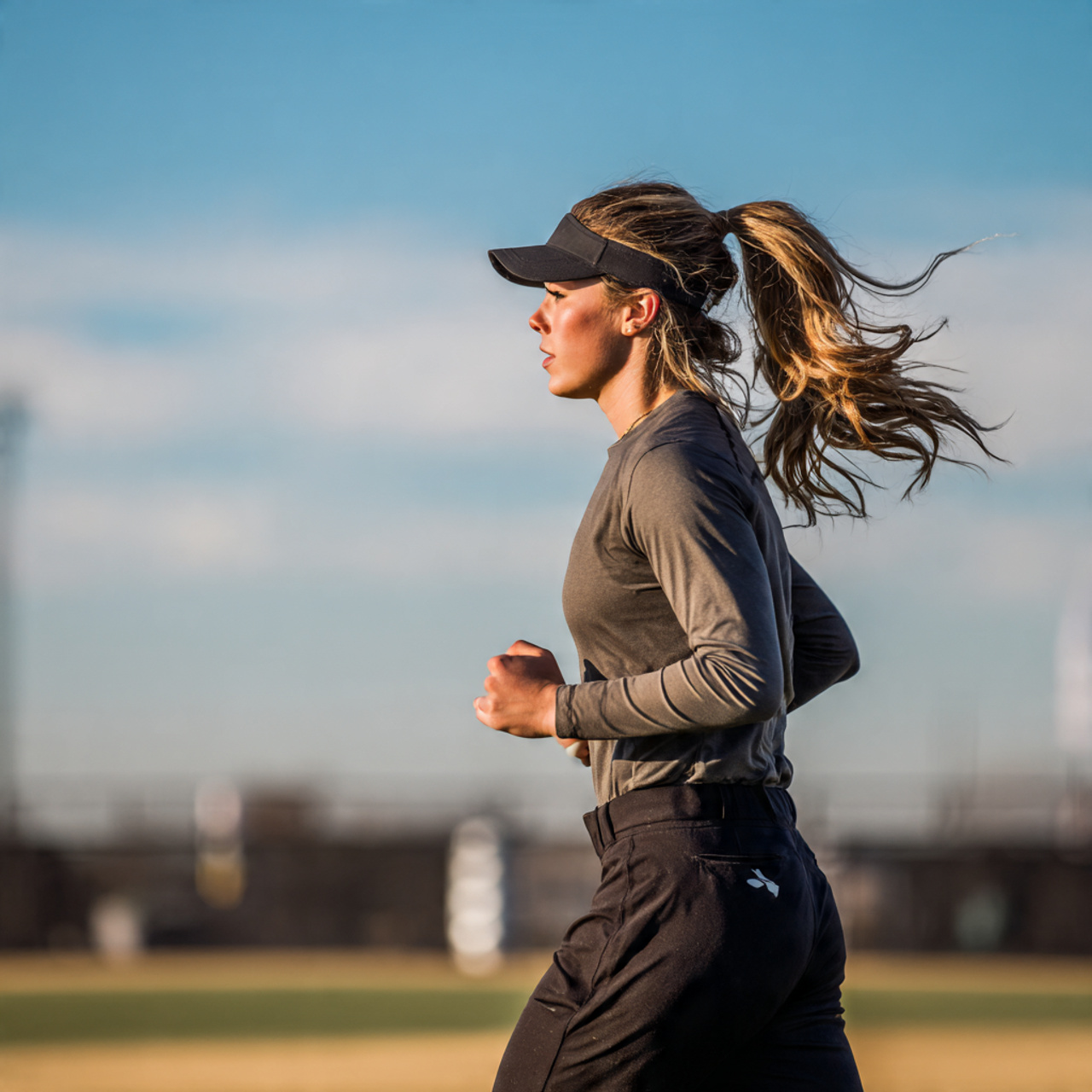
A topsy tail ponytail is a variation where you create multiple inversions down the length of a long ponytail. Each section is flipped through itself, creating a chain-like effect that looks very sophisticated. This provides a lot of internal structure to the hair, preventing it from tangling or blowing around in the wind during a game.
For players with long hair, this is a great alternative to a standard braid because it is very fast to do but offers similar levels of security. It keeps the hair contained in a neat, organized column that won’t catch on your equipment. It is a smart choice for any player looking for a blend of efficiency and visual appeal.
High Puff for Natural Hair
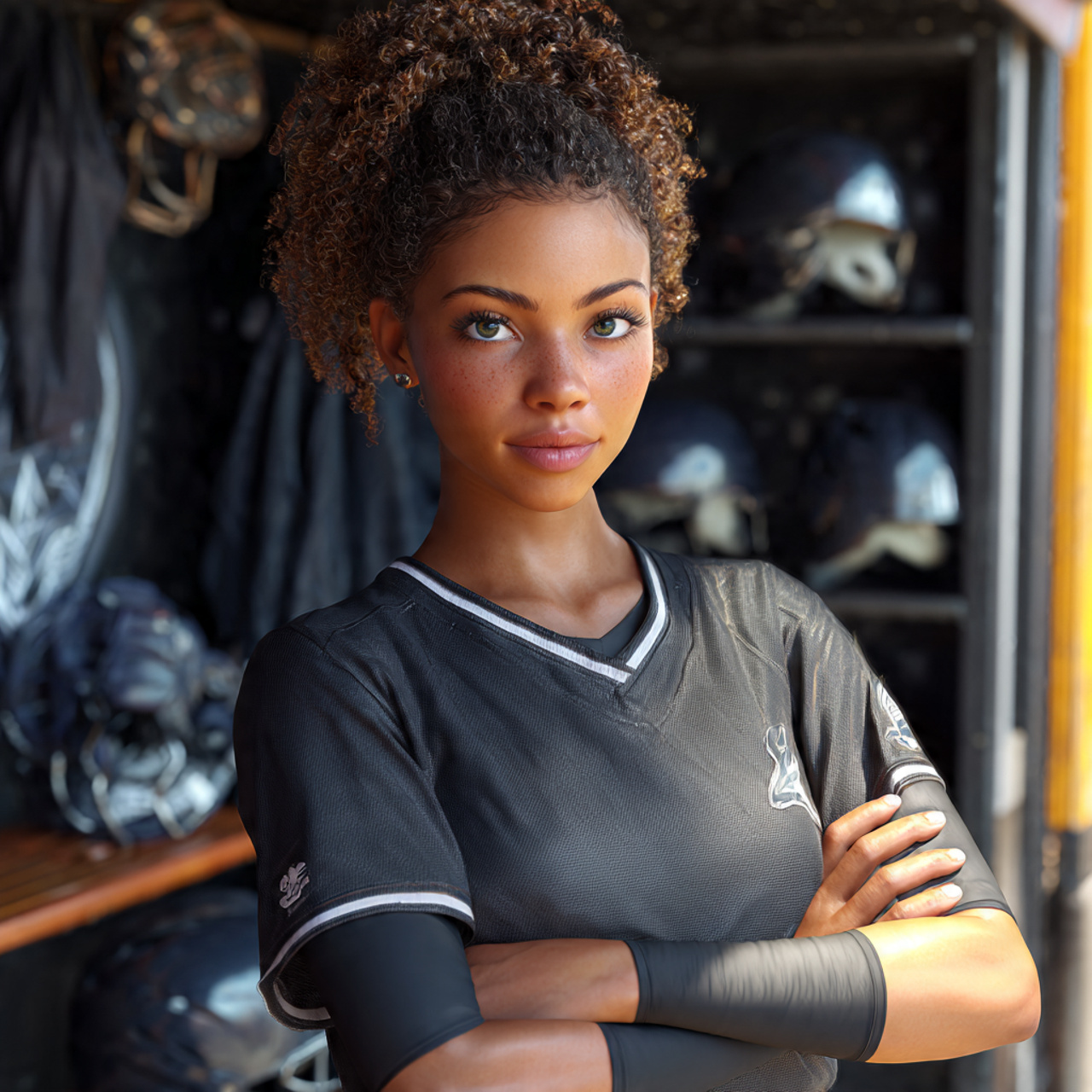
The high puff is a beautiful and effective way to style natural hair for the softball field. By gathering the hair at the crown of the head and securing it with a wide, soft band, you create a style that is both secure and comfortable. This keeps the hair away from the neck and ears, which is essential for staying cool and hearing coaching cues.
To make the high puff game-ready, many players use a headband or a bit of edge control to keep the hairline smooth and prevent any hair from reaching the eyes. This style is incredibly resilient and maintains its shape even through intense physical activity. it’s a confident and practical look that celebrates natural texture while prioritizing performance.
Waterfall Braid for Athletes
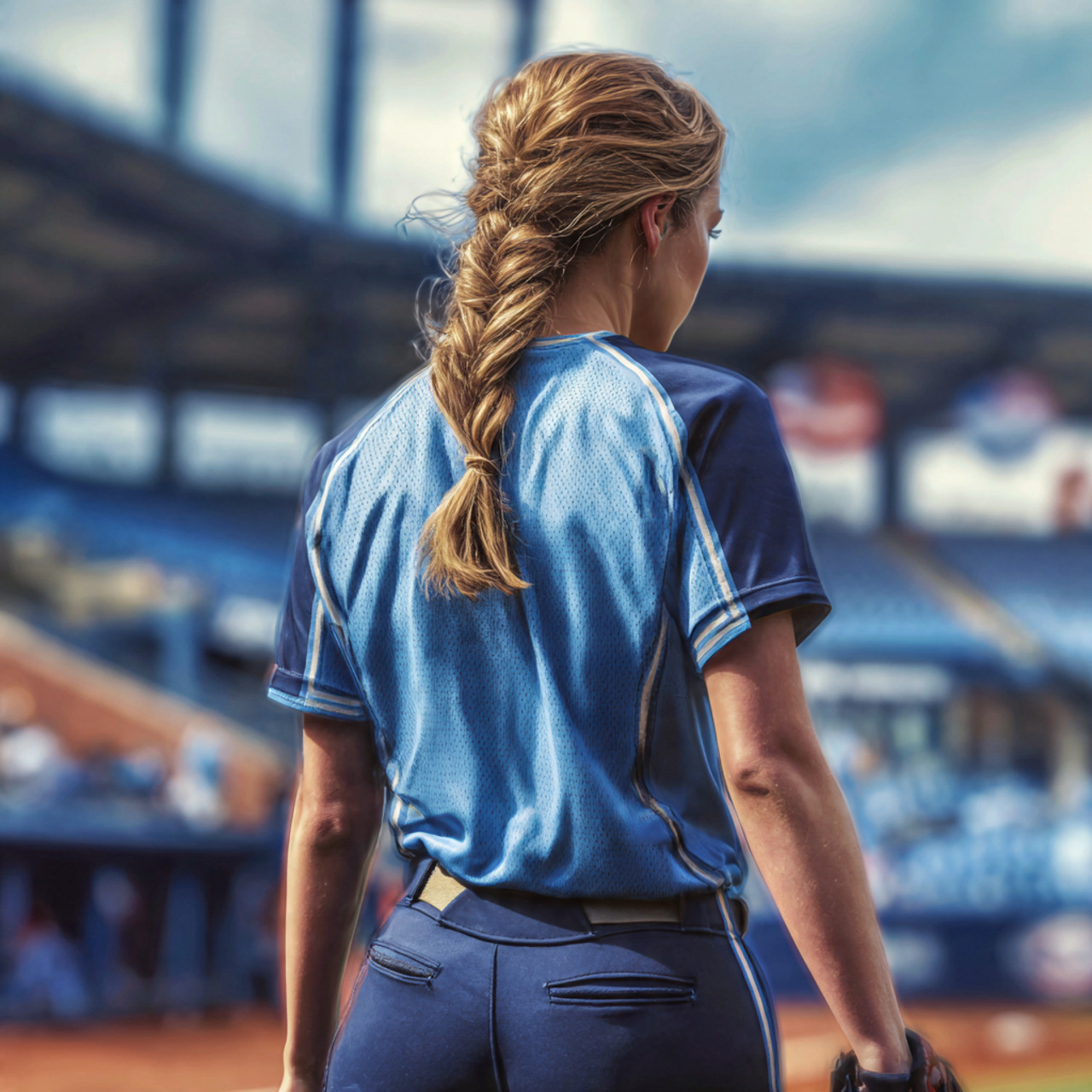
The waterfall braid is often seen as a formal style, but when tightened and secured correctly, it can be a great option for the diamond. It involves braiding the top section of the hair and “dropping” strands through the braid to create a flowing effect. For a game, you would finish the braid by securing it tightly into a ponytail or bun to ensure no hair is left loose.
This style is particularly good at managing hair around the crown of the head while allowing the back to be secured in a different way. It’s a great choice for players who want a more intricate look for special games, such as Senior Night or a championship final. It adds a touch of elegance to the rugged environment of the softball field.
Twisted Crown Hairstyle
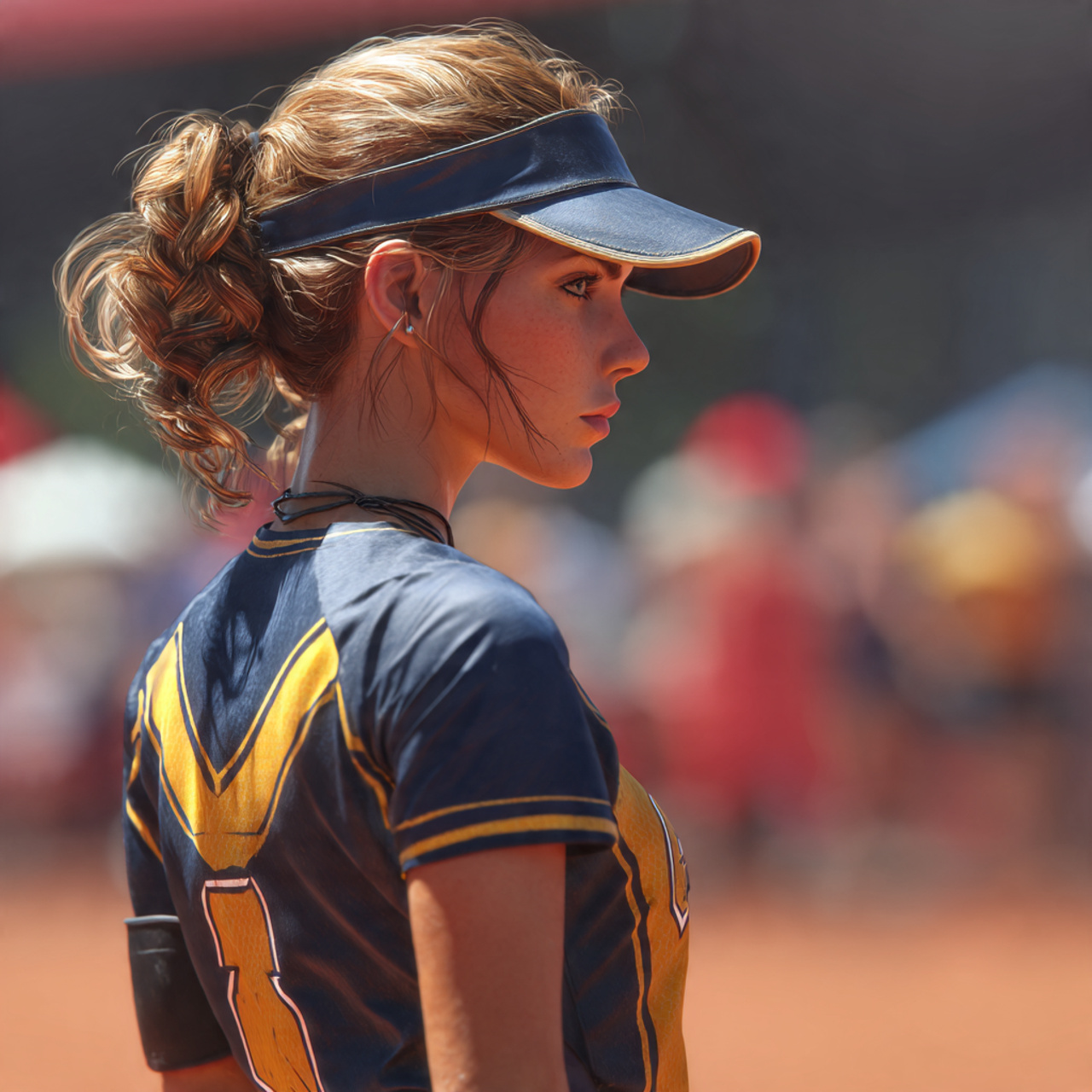
A twisted crown is created by taking two sections of hair from the front and twisting them back toward the center, picking up more hair along the way. This creates a “crown” effect that is very effective at keeping bangs and side layers tucked away. Once the twists meet in the back, they can be secured into a bun or a ponytail for total security.
This style is a great alternative for players who find braiding difficult or time-consuming. The twists are easy to do on the go and provide a surprising amount of hold when secured with a strong elastic. It is a soft, flattering look that doesn’t compromise on the durability needed to play a full seven innings.
FAQs About [softball hairstyles]
What is the most secure softball hairstyle for players who wear catchers’ masks? The top knot or a low slicked-back bun are generally considered the best options for catchers. These styles are positioned specifically to avoid the internal padding and external straps of the mask, which prevents the hair from being pulled or the mask from sitting unevenly. Many catchers prefer the top knot because it allows the mask to slide on and off quickly between plays without snagging on a ponytail.
How can I keep my hair from frizzing during doubleheaders in high humidity? To combat frizz during long days at the ballpark, it is best to use a combination of light-hold gel and a smoothing serum before you start braiding. Tight styles like Dutch or French braids are superior to loose ponytails in humidity because they physically lock the hair shafts together, giving them less room to react to the moisture in the air. Finishing the style with a strong-hold hairspray provides an extra barrier against the elements.
Are there specific softball hairstyles that work best for short hair? Yes, players with short hair can benefit greatly from half-up styles, small pigtails, or using a braided headband technique. These methods focus on securing the hair closest to the face, which is the most likely to cause distractions during a game. Using plenty of bobby pins and high-quality headbands can also help bridge the gap for hair that is too short to reach a traditional ponytail.
How do I incorporate team-colored ribbons into a Dutch braid? The easiest way to add ribbons is to tie the ribbon to a small section of hair at the very beginning of the braid, or secure it with a bobby pin at the start. You then treat the ribbon as part of one of your three hair strands and braid as normal, ensuring the ribbon stays on the outside of the weave for maximum visibility. Once you reach the end, you can use the remaining ribbon to tie a bow around the hair tie.
What are the best hair accessories to use that won’t slide out during a game? Look for “no-slip” elastics that have a silicone lining, as these provide much better grip than standard fabric ties. For headbands, those with a velvet or silicone backing are the most effective at staying in place during high-impact movements like sliding or diving. Avoid using large metal clips which can be uncomfortable under a helmet; instead, opt for heavy-duty bobby pins or small “snap” clips to secure flyaways.
Conclusion
Finding the perfect softball hairstyles is about striking the right balance between your personal style and the functional demands of the game. A great hairstyle should make you feel confident and ready to compete, ensuring that you never have to worry about your hair during a high-pressure moment on the field. From the classic security of Dutch braids to the modern flair of bubble braids, there is an option for every hair type and length.
By taking a few extra minutes before the game to secure your hair properly, you are setting yourself up for success on the diamond. These softball hairstyles are designed to withstand the sweat, dirt, and intensity of a competitive season while letting your personality shine through. Whether you are a pitcher, catcher, or outfielder, the right look keeps your focus where it belongs: on the next play and the win.