
10 Winter Haircuts for Thin Hair That Look Fuller
You pull off your hat, and your hair lies flat against your head. Add static from a wool scarf, and thin hair can look even thinner in winter. A good cut makes a bigger difference than any product.
The right winter haircuts for thin hair keep weight at the ends, add shape where you need it, and bounce back after a beanie. Below are ten cuts I recommend, with the exact words to use at the salon, who each one suits, and an honest note on where it falls short.
Quick-pick box
- Fine, straight hair: the blunt chin-length bob (#1), the French bob (#6) or the graduated bob (#5).
- Fine, wavy or curly hair: the light shag (#7) or the rounded curly bob (#9).
- Very low density or sparse at the crown: the textured pixie (#4) or the collarbone lob (#2).
10 Winter Haircuts for Thin Hair
1. Blunt Chin-Length Bob: A Classic Thin Hair Bob for Winter
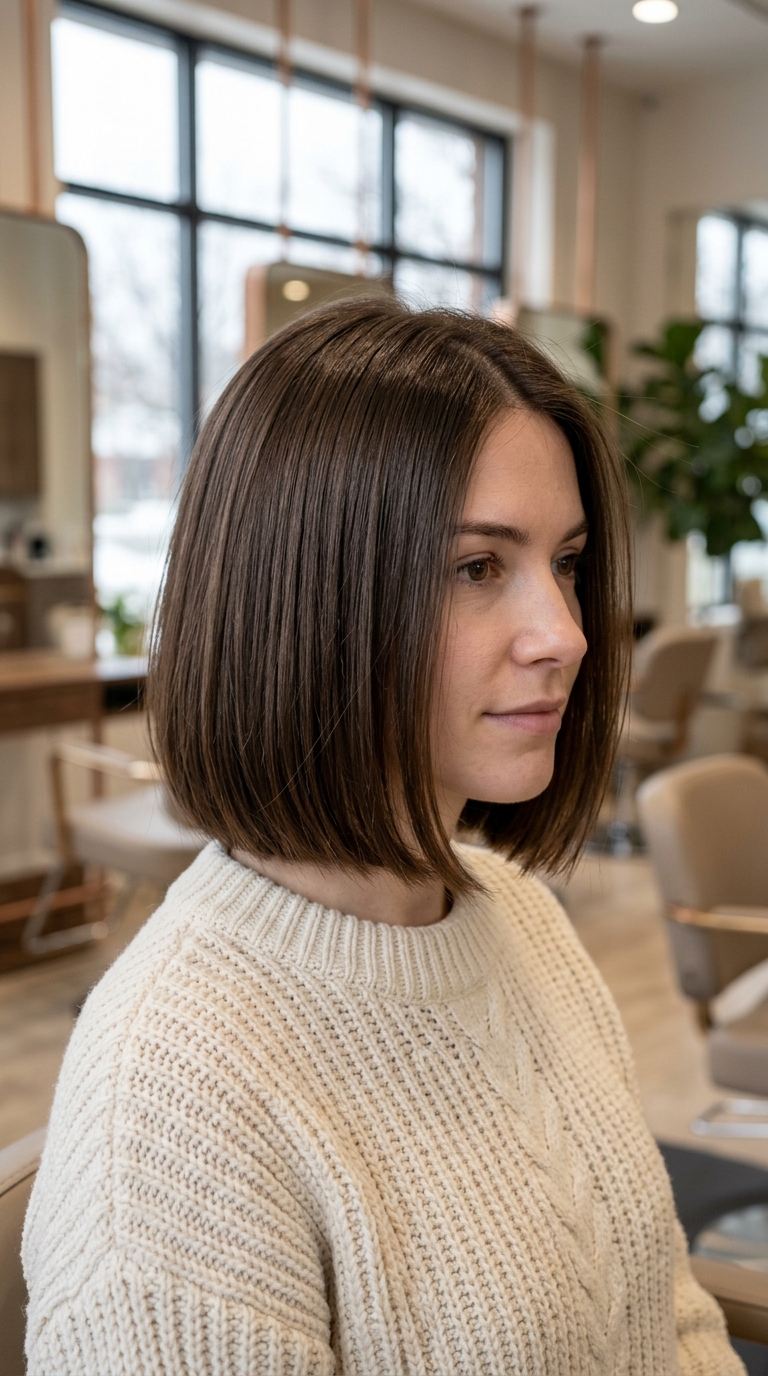
Picture a bob cut straight across at the chin, with no layers. The solid bottom edge makes the ends look thicker, so the whole shape reads as dense.
It suits fine, straight hair best, and flatters oval, heart and long faces. A very round face may prefer a slightly longer length.
Ask for: “a blunt one-length bob at the chin, cut on dry hair, with no thinning shears.” Trim every six to eight weeks to keep the line crisp. The drawback is that fine hair with a strong wave can puff out at the sides, so skip this cut if you don’t want to blow-dry.
2. Collarbone Lob with Long Invisible Layers: Layered Haircuts for Thin Hair

A lob that skims the collarbone, with a few long layers tucked inside. You get movement without losing weight at the ends.
It works for fine to medium strands, straight or wavy, and suits oval and square faces. The length covers the neck, which many people like on cold days.
Tell your stylist: “a collarbone lob with long internal layers and a blunt perimeter.” Internal layers are shorter pieces hidden underneath, so the outer edge stays thick. Plan a trim every eight weeks. The catch: if your hair is extremely sparse at the ends, it may still look see-through, and a shorter cut will work better.
3. Curtain Bangs with Soft Face Framing: Winter Haircuts for Thin Hair on Medium Lengths

Parted in the middle, swept to each side and cut longer than a classic fringe. They frame the face and help hair look fuller around the cheekbones.
This suits oval, long and heart-shaped faces, and works on medium to long hair with some natural bend. Straight, fine hair can handle it with a round brush.
Ask for: “curtain bangs cut from a small triangle section at the front, with face-framing layers.” A small section matters, because a larger one steals hair from the back. Trim the bangs every four weeks. Skip this cut if your hair is thin at the crown, since you’d be borrowing from the area that needs it most.
4. Textured Pixie: Short Haircuts for Thin Hair That Don’t Flatten Under a Hat
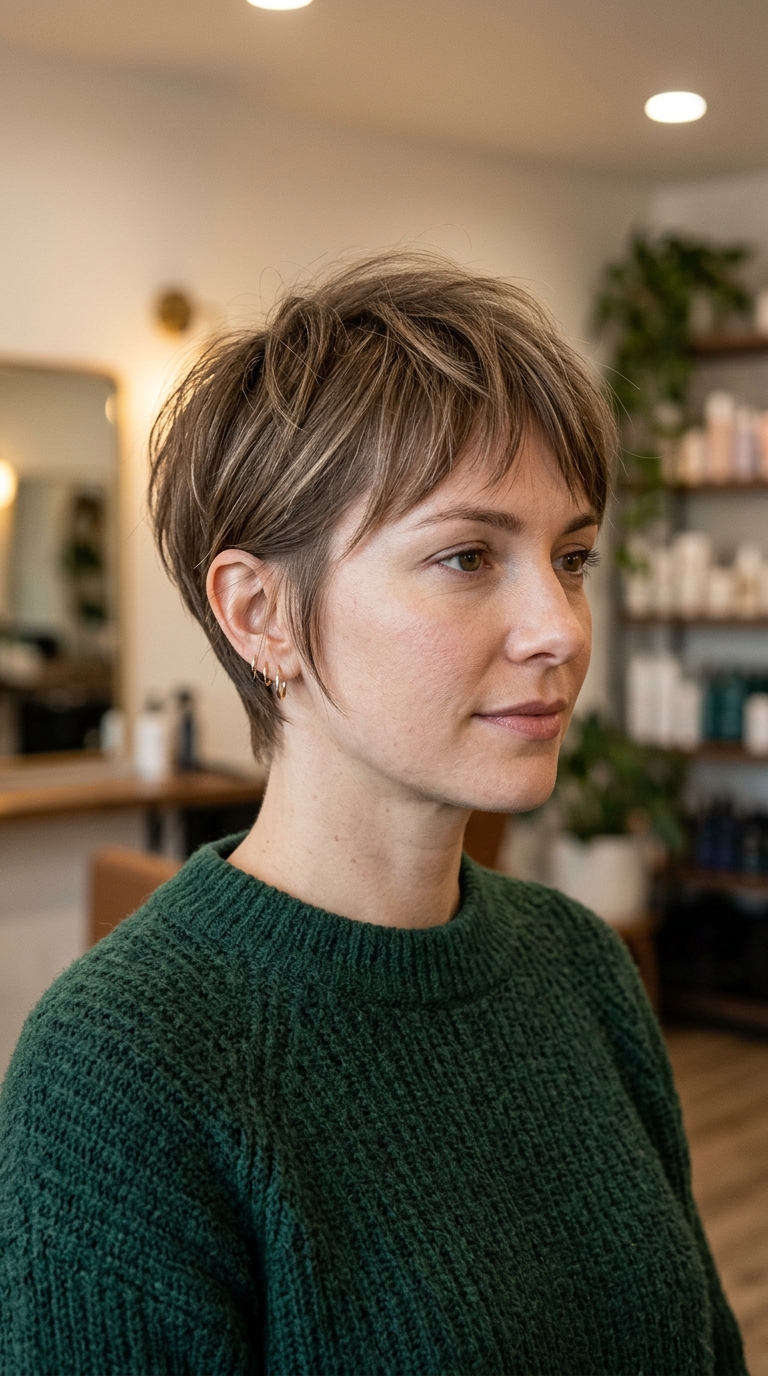
A short cut with a longer top, tapered sides and a soft, choppy finish. Short hair weighs less, so it lifts off the scalp and looks fuller.
It flatters oval, heart and diamond-shaped faces, and works on fine to medium strands. A longer fringe softens a round face. You’ll look great in bold earrings, too.
Ask for: “a textured pixie with tapered sides, a longer top and point cutting, no razor.” Point cutting means snipping into the ends for texture. Book a trim every four to five weeks. The drawback is the commitment, because grow-out takes patience, and sparse temples show more on a very short cut.
5. Graduated Bob: Low-Maintenance Haircuts for Thin Hair with Back Volume
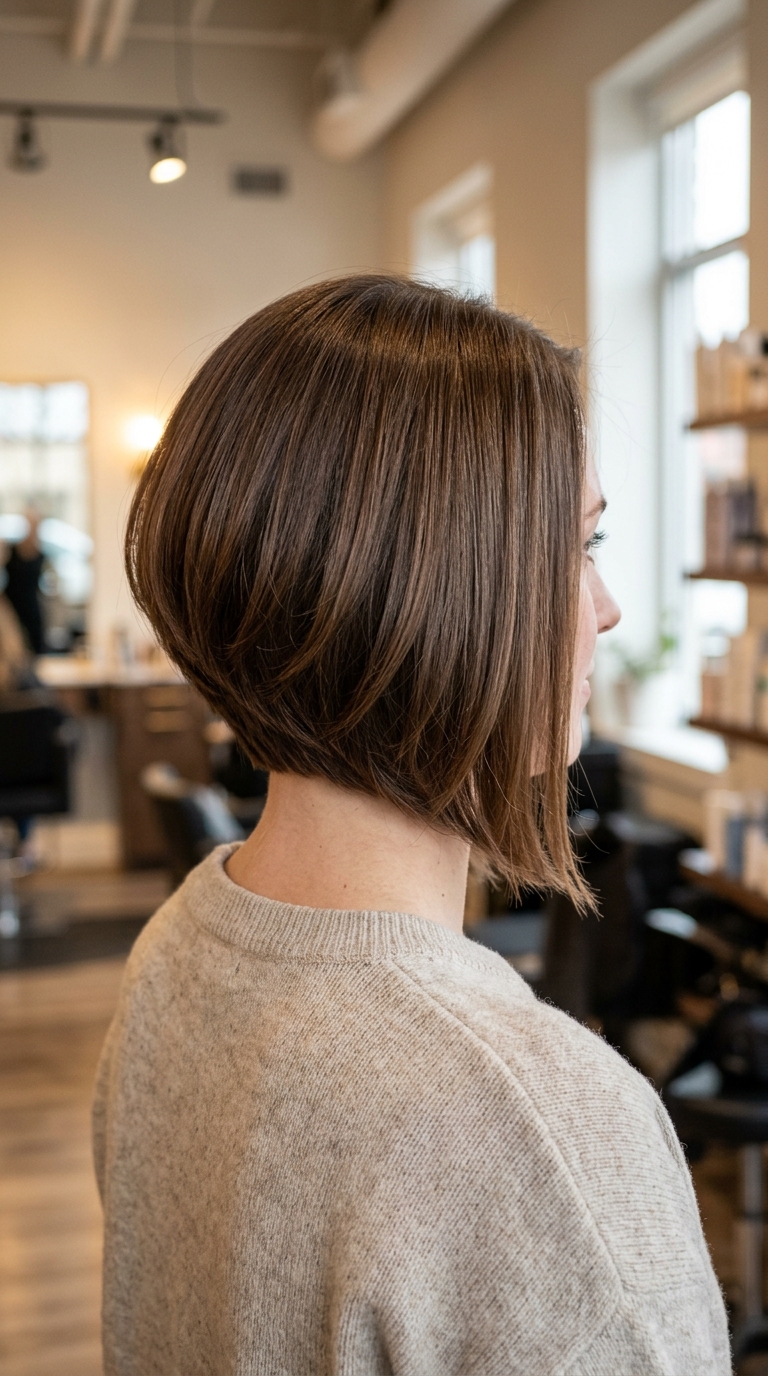
Shorter and stacked at the nape, gradually longer toward the front. The layering at the back creates a rounded shape that pushes hair outward.
Fine, straight hair does best here, and it flatters long and oval faces. If you have a round face, ask for a slightly longer front so the line draws the eye downward.
Tell your stylist: “a graduated bob with stacked layers at the nape, longer in front.” It needs a trim every six weeks and a quick blow-dry with a round brush. One honest point: a strong cowlick at the nape can pull the shape off-center, so mention it during the consultation.
6. French Bob with Wispy Bangs: A Thin Hair Bob with Parisian Shape

This is a jaw-length bob with short, light bangs and ends cut blunt. The shape sits above the shoulders, so there’s no scarf friction or static.
It suits straight or slightly wavy hair, along with heart, long and oval faces. If your hair is very fine, keep the bangs wispy rather than thick.
Ask for: “a French bob at jaw length with blunt ends and see-through bangs.” Trim every five to six weeks, since the bangs grow out quickly. The drawback: a round face can look wider with this length, and you’ll have to style your bangs each morning.
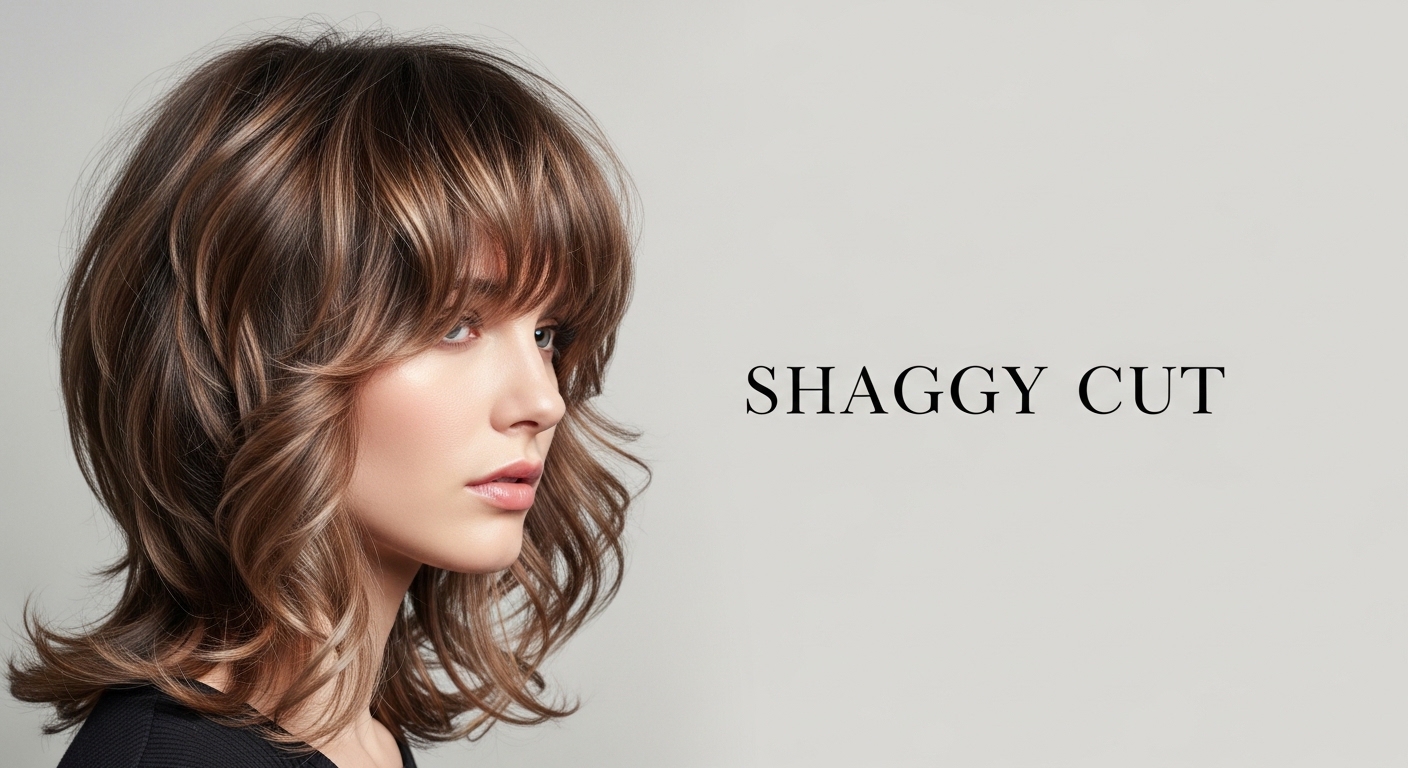
7. Light Shag with Face-Framing Layers: Winter Haircuts for Fine Wavy Hair

A relaxed, shaggy shape, with layers only around the face and crown. The ends stay thick, and the top gets lift.
It works best on fine, wavy hair, and it flatters round, square and oval faces. Straight hair can look wispy in a shag, so go gentle with the layering.
Tell your stylist: “a light shag with layers only at the crown and face, and no thinning shears.” Too many layers can leave thin hair stringy, so be clear about that. Trim every eight to ten weeks. Skip it if your hair is very straight and sparse, because the layers will look scraggly.
8. Blunt Cut Just Below the Shoulders: Winter Haircuts for Thin Hair If You Want Length

Cut straight across, grazing the top of the shoulders. It keeps a sense of length while the blunt edge keeps ends looking full.
It suits any face shape, and fine, straight or lightly wavy hair does best. If your hair is long now, you only need to lose one to two inches to see the difference.
Ask for: “a one-length cut just below the shoulders, trimmed to remove only split ends.” Trim every eight to ten weeks. The honest drawback is that longer hair shows thinness faster, and wool scarves can create static, so use a leave-in conditioner.
9. Rounded Curly Bob: Dry-Cut Winter Haircuts for Thin Curly Hair
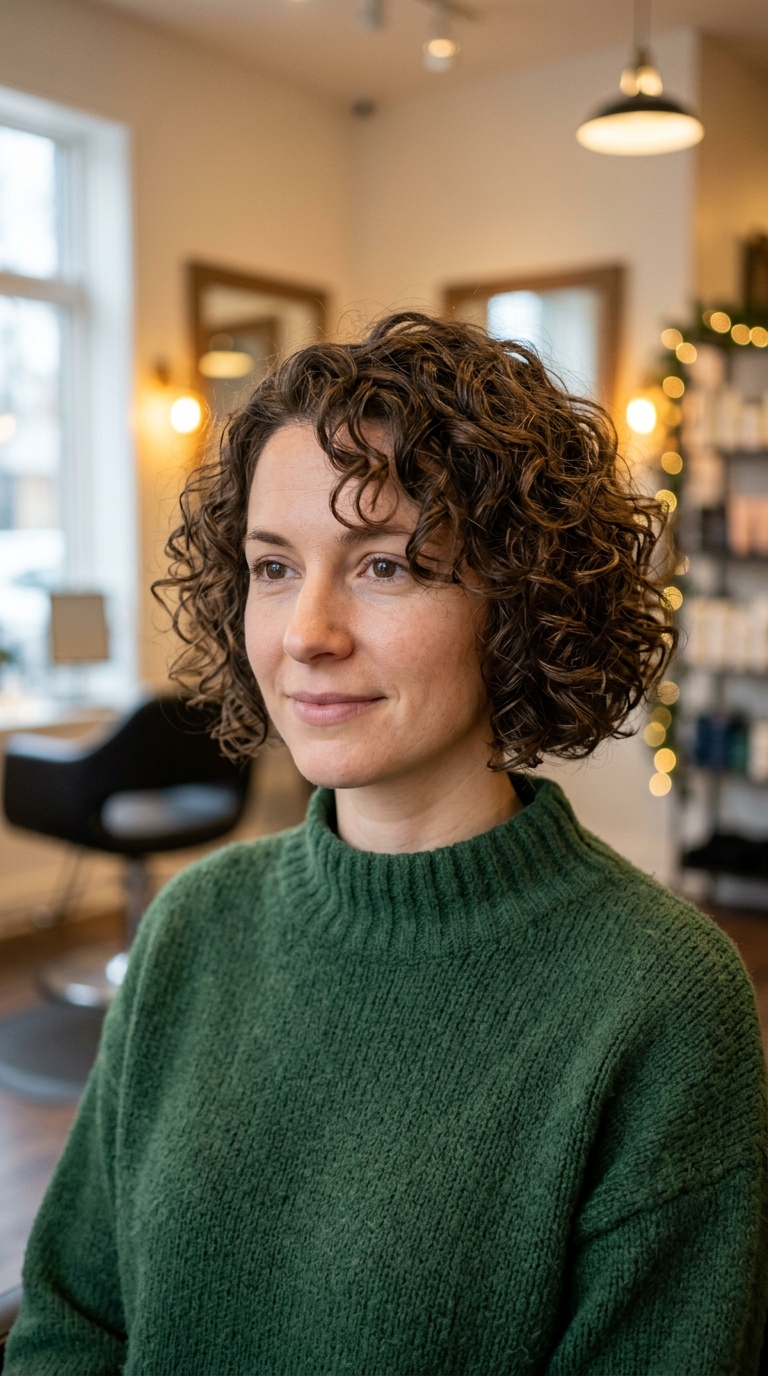
A rounded, chin-to-jaw bob cut while your curls are dry, so each curl is shaped where it lands. The result looks bouncy and balanced, not triangular.
It suits curl types 2C to 4A with low density. Oval and heart faces look especially nice, while a round face prefers a few inches more length. Winter dryness can make curls frizzy, so keep conditioner handy.
Ask for: “a dry curl cut with a rounded shape and minimal layers.” Trim every ten to twelve weeks. Curls spring up when dry, so bring a photo and tell your stylist how short you’re willing to go.
10. Shoulder-Length Cut with Balayage and Shadow Root: Color That Adds Depth
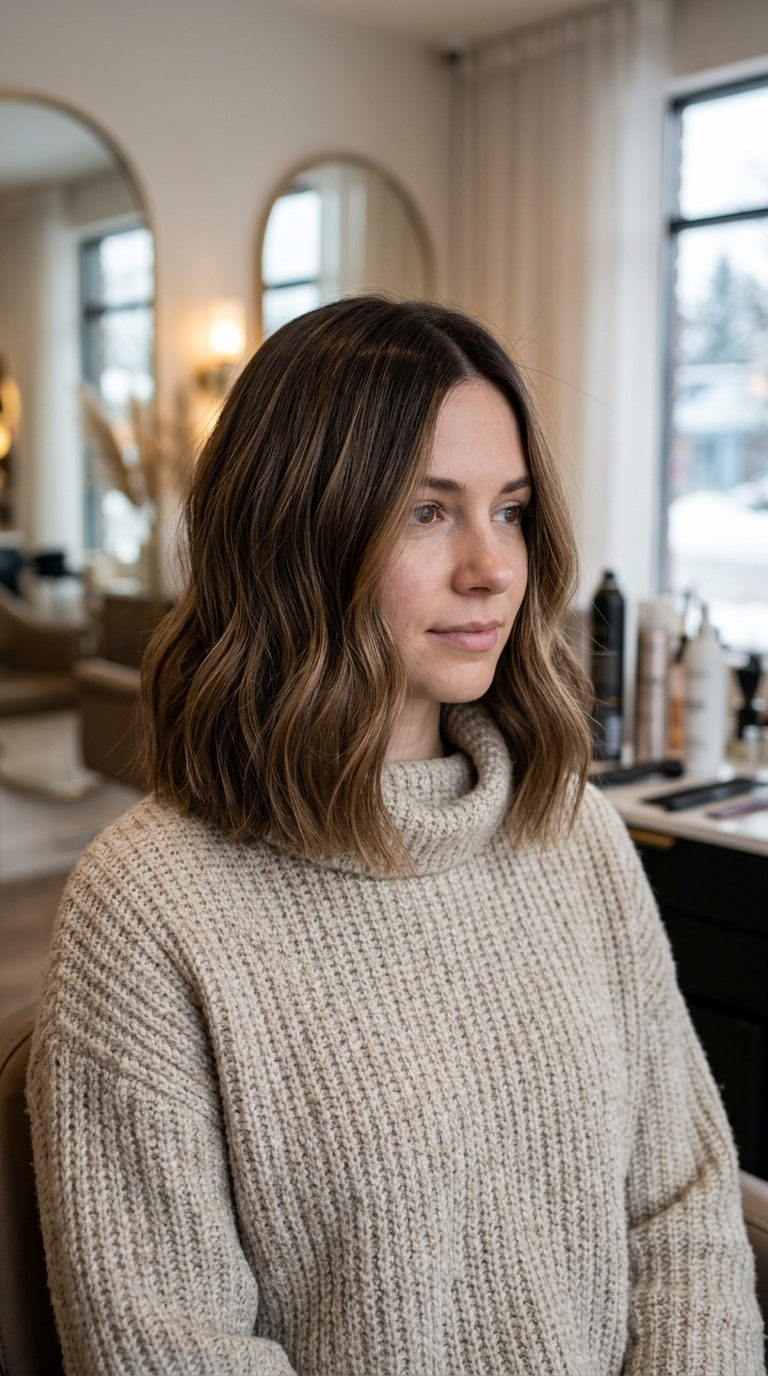
A simple shoulder-length cut, paired with a soft balayage and a shadow root. Color creates light and dark dimension, so thin hair looks fuller without any extra layers.
Warm skin tones suit honey or caramel ribbons, and cool skin tones prefer ash or soft beige. It works on straight, wavy and lightly curled hair.
Ask for: “a soft balayage with a shadow root and a gloss treatment.” Plan a gloss every six to eight weeks, and a color touch-up every three to four months. Lightening can leave strands feeling fragile, so skip this idea if your hair is already damaged.
How to Choose Your Winter Haircut for Thin Hair
First, know what “thin” means for you. Fine hair has narrow individual strands, while low-density hair has fewer strands overall. Many people have both, and your stylist can tell you which one applies.
Second, think about length. In general, shorter cuts look fuller because they carry less weight. If you love long hair, a blunt line and a few inches off the ends will help.
Third, consider your face shape and your routine. A round face may like length in front, and a long face may like bangs. Be honest about styling time, since a graduated bob needs a blow-dry and a pixie needs frequent trims.
Finally, plan for winter. Hats flatten hair, and dry air increases static. A cut with a solid perimeter bounces back better, so pair it with a leave-in conditioner.
Common Mistakes to Avoid
- Letting a stylist use thinning shears. They remove bulk from hair that has little to spare, so ask for point cutting instead.
- Asking for heavy layers. Too many can make thin hair stringy, so keep layers light and internal.
- Holding on to extra length. Long, wispy ends make hair look thinner, so trim regularly.
- Overloading with product. Heavy creams and oils flatten fine hair, so use lightweight mousse and a root-lift spray.
- Skipping the consultation. Tell your stylist about your cowlicks, your parting and how much time you have each morning.
FAQ
What is the best haircut for thin hair in winter?
A blunt bob or lob is a reliable choice, because the solid edge makes ends look thicker. Pixies and graduated bobs also add shape. The best cut depends on your face shape, texture and styling habits, so book a consultation.
Do layers make thin hair look thinner?
Heavy layers can, because they remove weight from the ends. Light, long layers kept inside the cut add movement without stealing density. Ask for internal layers or face-framing pieces, and tell your stylist to avoid thinning shears.
What length is best for thin hair?
Chin to collarbone length is usually flattering. Shorter hair weighs less, so it lifts at the root and looks fuller. Very long hair can pull flat and show thin ends, but a blunt line below the shoulders can still work.
How often should I trim thin hair?
Every six to eight weeks for bobs and blunt cuts, and every four to five weeks for a pixie. Regular trims keep the ends crisp, and crisp ends look thicker. Layered or shaggy cuts can last eight to ten weeks.
How do I stop thin hair from going flat in winter?
Use a root-lift spray on damp hair and blow-dry upside down for a minute. Wear a loose, silk-lined hat, and tame static with a leave-in conditioner. A cut with a blunt edge bounces back after a beanie.
Conclusion
Thin hair doesn’t need to be hidden. It needs the right shape, a solid edge and a stylist who listens. Pick two or three cuts from this list, bring photos, and say the salon phrases out loud.
If you found a cut you like, save this article to your Pinterest board, so you can show it at your next appointment.