
10 Layered Shag Haircut for Fine Hair That Actually Add Volume
Fine hair and layers have a rocky history. Ask for “lots of layers” without a clear plan and you can walk out with wispy ends, flat roots, and hair that looks thinner than when you sat down. That is the real problem with a lot of shag haircut advice online. It treats fine hair like thick hair, just with shorter instructions.
A layered shag haircut for fine hair works on a different set of rules. The layers need to start in the right spot, the ends need enough weight to move instead of fly away, and the styling routine has to match how your hair actually behaves, not how a stylist’s demo head behaves.
This list breaks down the length choices, the exact words to use in the chair, the styling order that keeps roots lifted past noon, and the small mistakes that quietly flatten an otherwise good cut. Some of these are things to say before the scissors come out. Others are habits for the mornings after. Save the ones that fit your hair and skip the rest.
1. The One Layer Length That Actually Adds Volume to Fine Hair
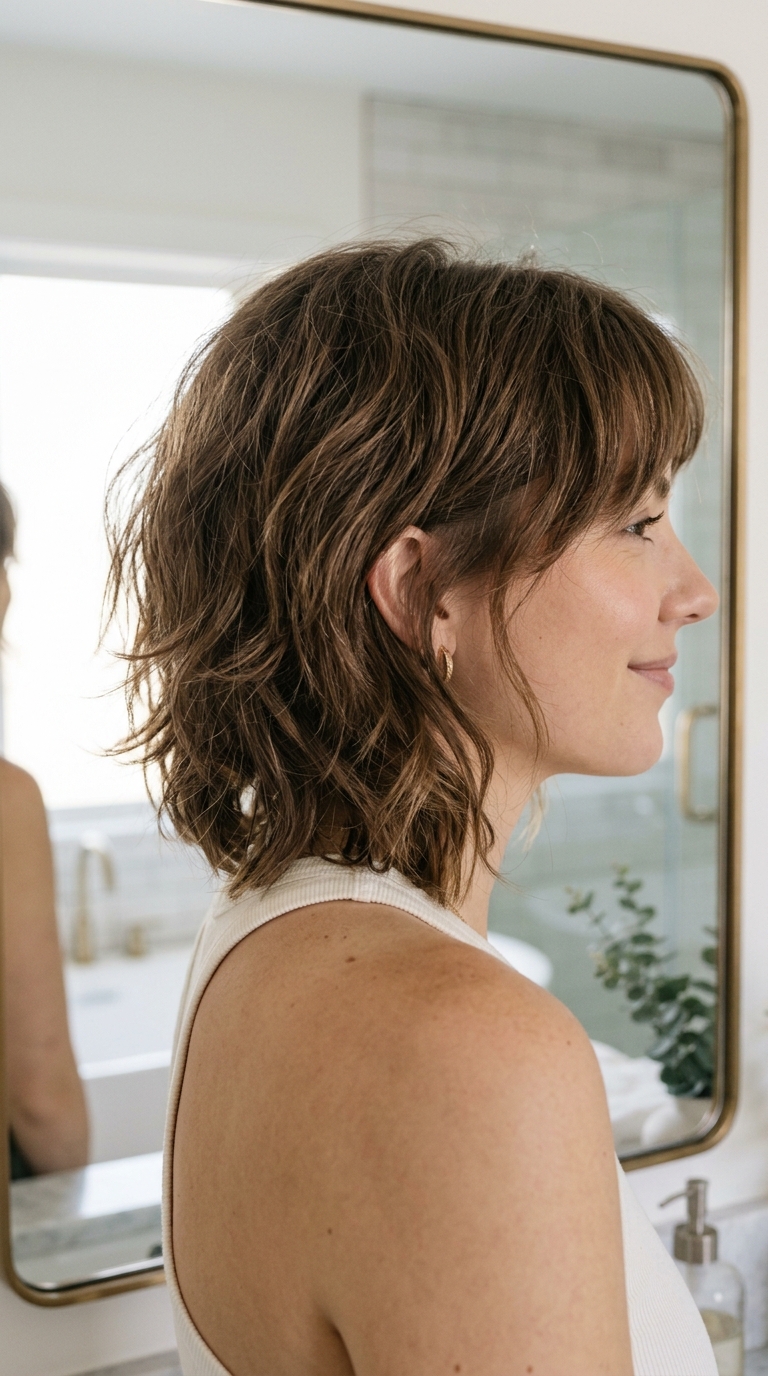
Shortest layers matter more than people think. On fine hair, layers that start above the cheekbone tend to stick out instead of blending, especially once the hair grows past six weeks. Keep the shortest pieces at cheekbone level or just below and the shag reads as full instead of choppy.
Two things to confirm before your appointment:
- Ask where the shortest layer will sit, not just how many layers total
- Ask how the layers will be cut, point cutting adds texture without removing bulk
2. Ask For This, Not “Layers”: The Exact Words Your Stylist Needs to Hear
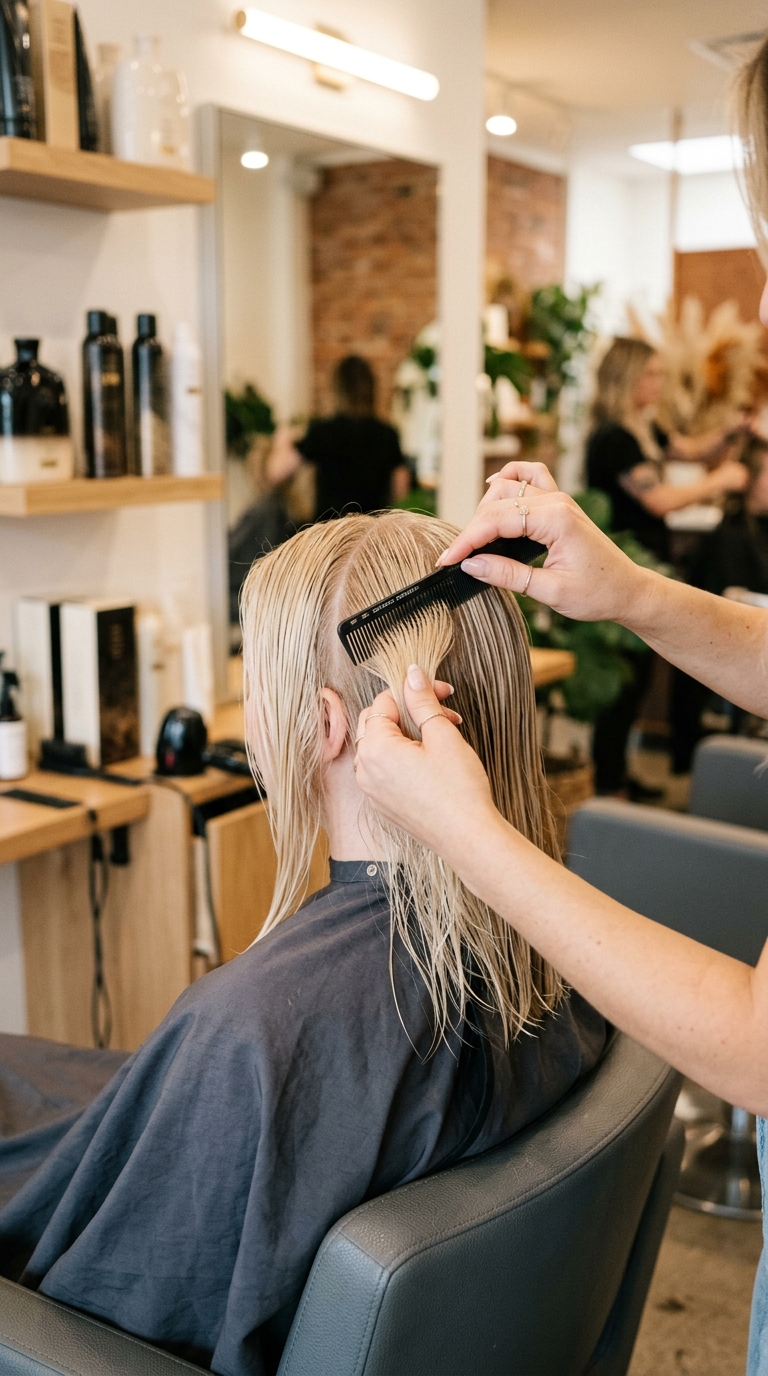
Say “add movement without removing weight” and you will get a very different haircut than if you just say “lots of layers.” Fine hair loses fullness fast when too much bulk gets cut away, so the goal is texture, not thinning.
Try this in the chair:
- Explain your hair looks flat by midday and you want lift at the root
- Ask for layers that start low, closer to the chin or jaw
- Mention you want to keep as much density as possible
💬 Say This In The Chair
“Can we shape shaggy layers that start low, so I keep as much density as possible?”
3. Chin vs. Collarbone vs. Chest: Where to Cut Your Shag for the Most Movement

Chin length shags move the fastest because there is less weight pulling the ends down. Collarbone length is the middle ground, enough length to style a few ways but still light enough to flip and bend. Chest length looks appealing in photos but on fine hair it often falls flat within a few hours, since the length adds weight without adding fullness.
Chin to collarbone length with shaggy layers.
Light ends that flip and bend without extra product.
Chest length layers with minimal shaping.
Weight pulls the shag flat by early afternoon.
4. Why Blunt Ends Are Quietly Ruining Your Shag (And What to Ask for Instead)
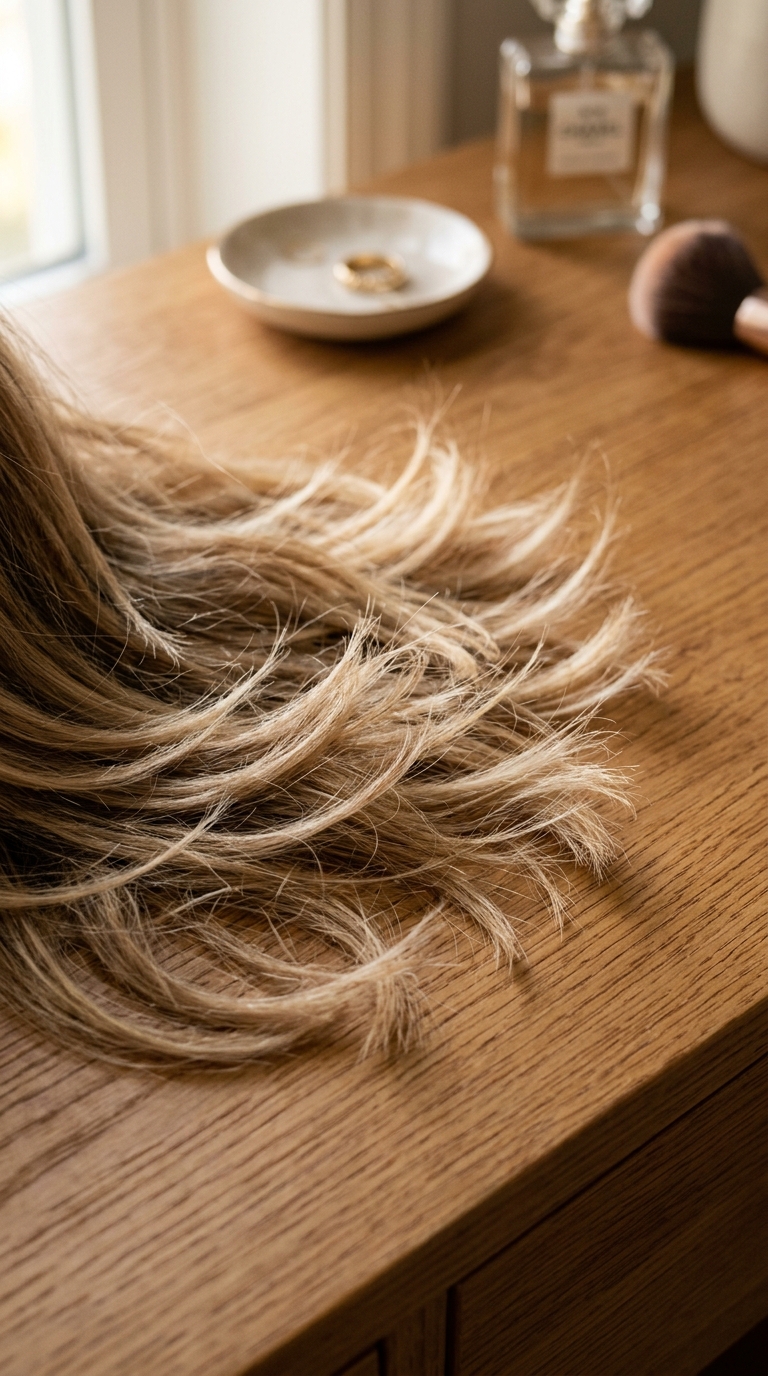
A common mistake is cutting the perimeter blunt to “keep length” while shaping layers on top. On fine hair, that blunt line reads heavy and drags everything else down with it, so the shag ends up looking like a regular layered cut with a rougher top.
Before you leave the salon, check for:
- Textured, feathered ends rather than a straight blunt line
- Layers that are visible even when your hair is dry and unstyled
- A shape that still has movement when you shake your head slightly
Check before you go
5. The Face Framing Trick That Makes Fine Hair Look Twice as Full

The shortest pieces of a shag do more than shape your face, they create the illusion of density right where fine hair usually looks thinnest, near the temples and cheeks. Placement changes by face shape, so a stylist working freehand without asking about your face shape is skipping a step that matters.
6. Curtain Bangs or No Bangs: A Real Comparison for Fine Hair Textures

Curtain bangs add softness around the face and can hide a receding hairline at the temples, but they need daily attention on fine hair, since flat bangs show every strand. Going without bangs keeps the routine simpler and lets the shag’s layers do all the framing work instead.
| Curtain Bangs | No Bangs |
|---|---|
| Softens the face, adds instant fullness up top. | Lower maintenance, no daily bang styling. |
| Needs a round brush most mornings. | Face framing layers carry more of the styling weight. |
Pick bangs if you already blow dry daily. Skip them if wash and go is your usual routine.
7. The 3 Step Blow Dry Order That Makes a Shag Look Salon Fresh
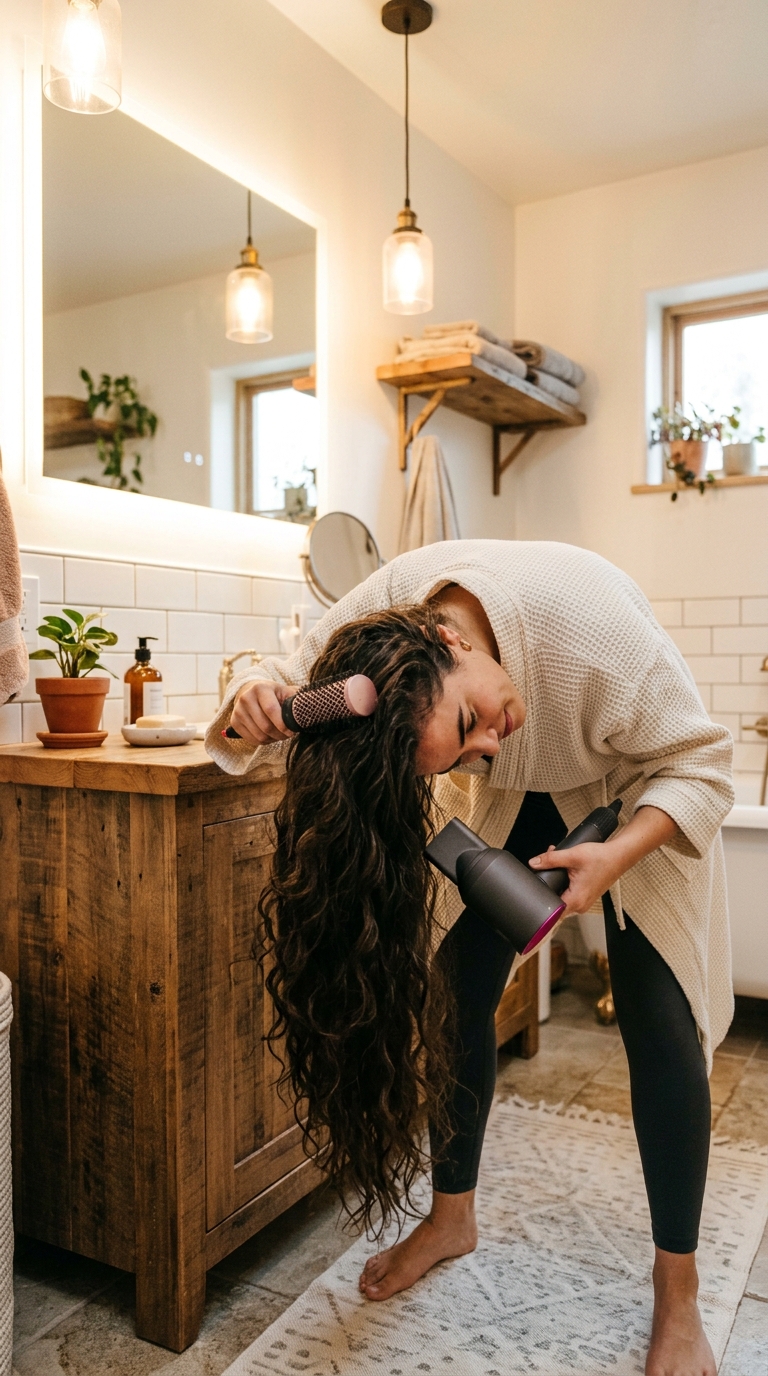
Root lift disappears fast on fine hair when the blow dry order is backward. Dry the roots first while the hair is still upside down, then move to the mid lengths, and save the ends for last with a small round brush. Doing it in reverse means the roots dry flat before you ever get to them.
Roots dry flat, ends styled first, shag looks limp by mid morning.
Roots lifted upside down first, layers keep their shape all day.
8. One Product Layer, Not Five: The Simplest Way to Style Fine Shag Hair
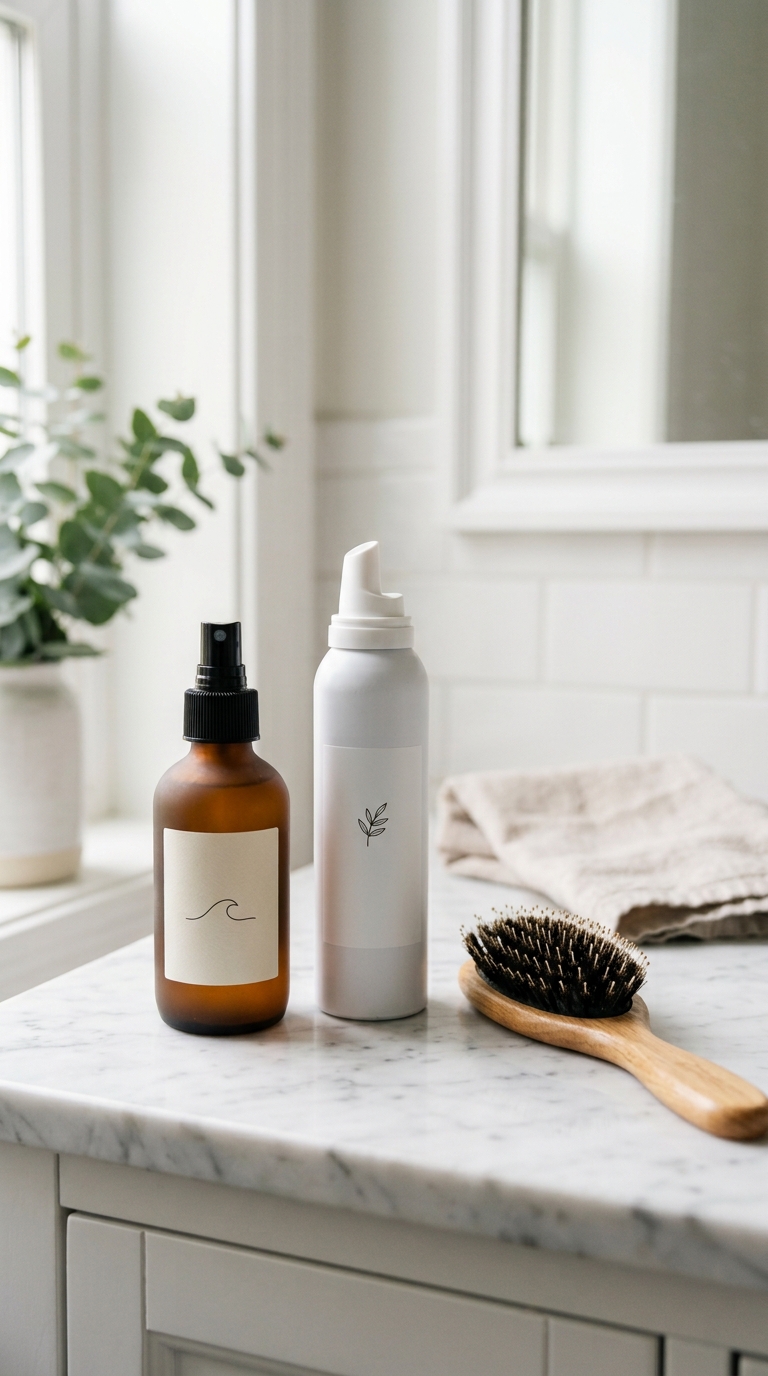
Piling on mousse, cream, spray, and gel at once is one of the fastest ways to weigh down fine hair. A shag needs texture, not layers of product fighting each other.
- Apply a lightweight volumizing mousse to damp roots only
- Blow dry using the root first order from the last section
- Finish with a small amount of texture spray on the mid lengths and ends, never at the roots
Mousse on damp roots, nowhere else.
Blow dry roots first, upside down.
Texture spray on ends only, skip the roots.
9. How Often You Really Need a Trim to Keep Shag Layers From Falling Flat

Shag layers rely on shape, not just length, so they grow out differently than a one length cut. Once the shortest layers grow past the point where they blend, the whole cut starts to look like it is losing its shape rather than just getting longer.
Trim every 8 to 10 weeks, even if you are growing your hair out, or the layers lose their shape before the length grows in.
10. The Texture Spray Habit That Keeps a Fine Shag From Looking Thin by 3pm

Fine hair drops volume through the day, especially by early afternoon, and reaching for more mousse at that point usually just adds grease instead of lift. A dry texture spray works differently since it grips the hair rather than weighing it down.
- ▸Spray at the roots only, then scrunch lightly with your fingers.
- ▸Keep a travel size version in your bag for a midday refresh.
- ▸Flip your head upside down for a few seconds after spraying.
Conclusion
A layered shag haircut for fine hair works best when every choice, the length, the wording in the chair, the blow dry order, and the styling routine, is built around how fine hair actually behaves instead of fighting against it. Get the layer placement right and the rest gets easier. Your stylist appointment matters just as much as your morning routine, so bring the specific language from this list instead of a vague photo alone.
Save this list for your next haircut appointment, or for the next morning your shag needs a little lift before you walk out the door.
Before your next appointment