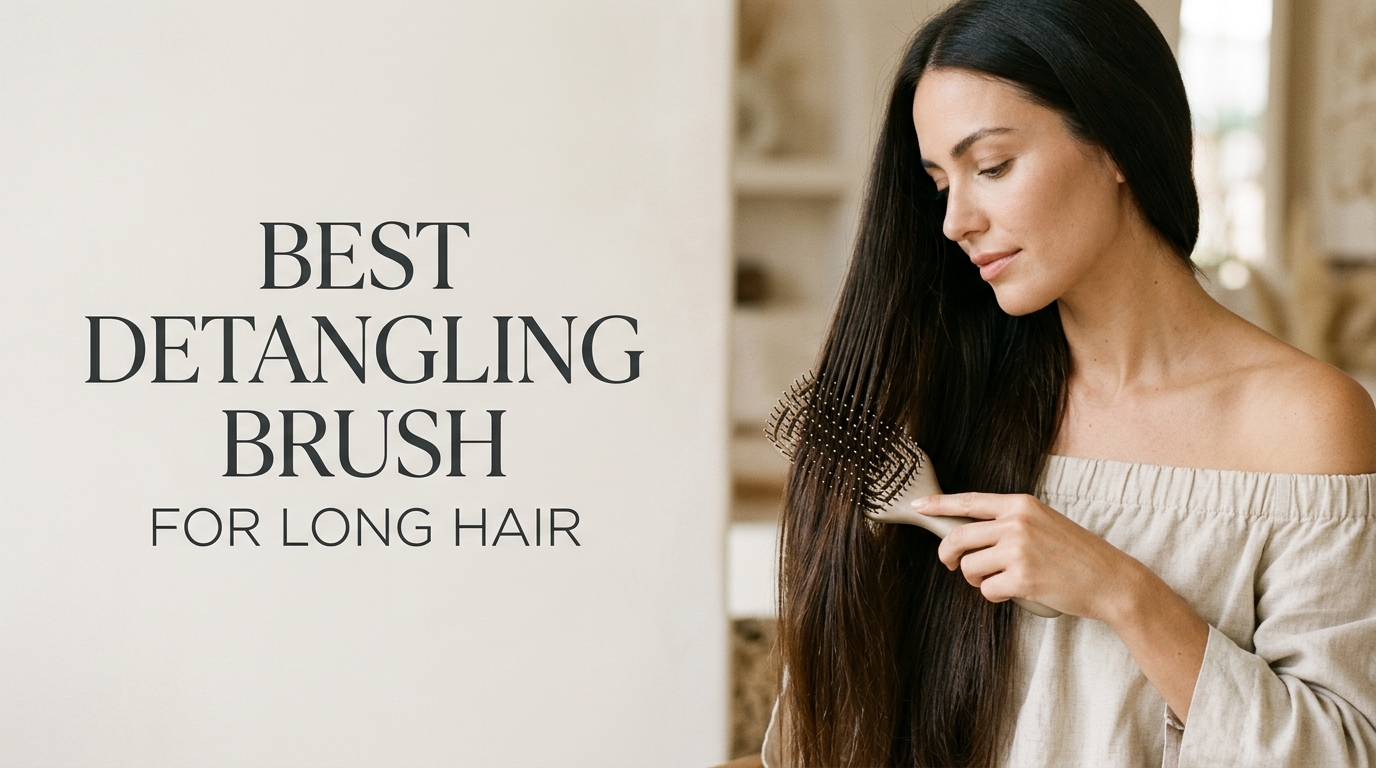
Best Detangling Brush Long Hair: 10 Types to Try
Most people find out their brush is the problem at about 7:45 on a busy morning, when a knot at the back of the head will not budge and the brush just stalls. Long hair collects tangles at the nape, under the layers, and anywhere it rubs a scarf or a backpack strap. A brush that yanks makes it worse, because pulling on a knot from the top tightens it.
The right brush works from the ends upward and bends instead of snapping hair. That is why the best detangling brush for long hair is not always the one with the fanciest handle. It depends on whether your hair is wet or dry, fine or thick, straight or curly.
Below are 10 brush types, with what each one is good at and where it falls short. Pick the two or three that match your hair and your routine, then save the list so you can find it again when it is time to replace a worn brush.
Quick Look: What’s Inside
1. Pick a Flexible Bristle Brush for Wet Hair
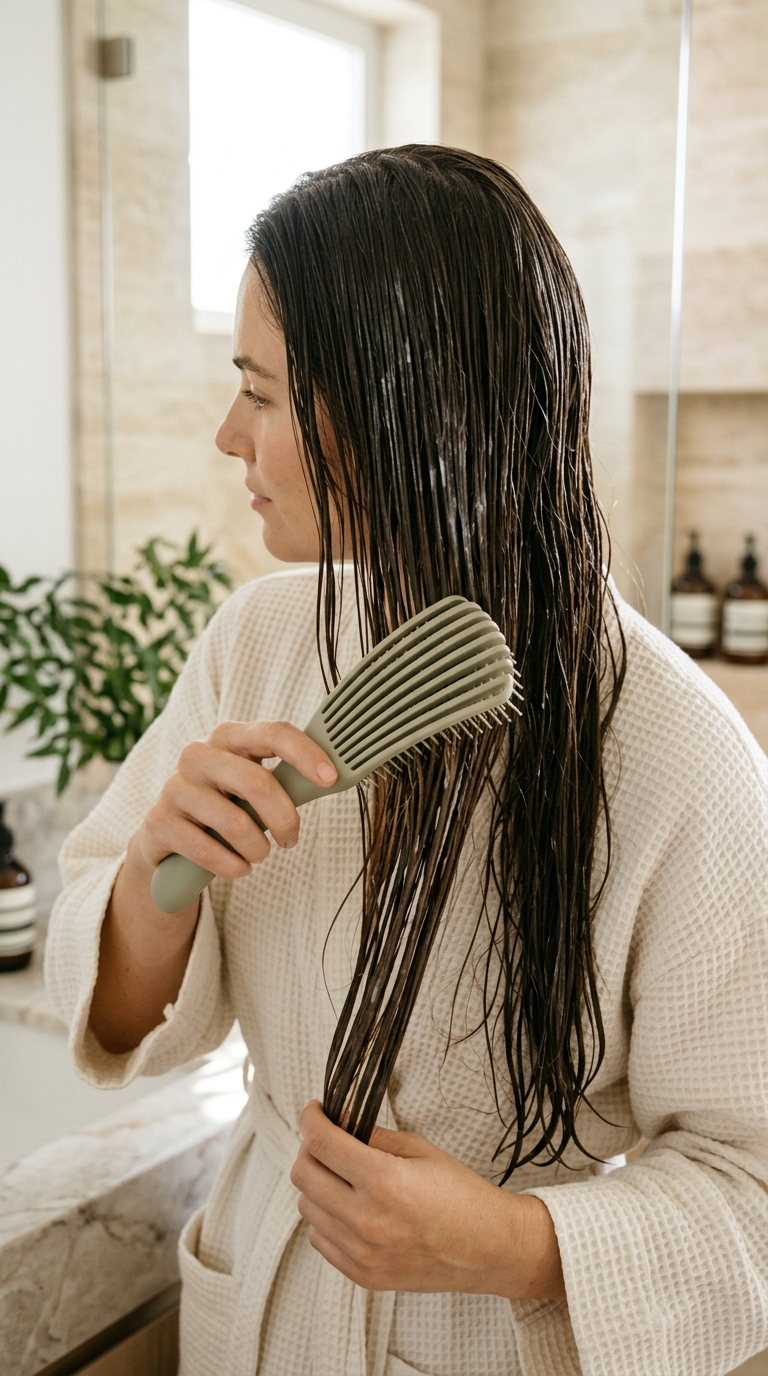
Wet hair is weaker, so the brush should be the one to give way.
Flexible bristle brushes have bristles on a soft base that bends when it meets a knot. Run one through conditioner in the shower and it slides instead of catching.
What to look for:
- Bristles with space between them
- A handle that stays grippy when wet
- Holes in the base so water drains out
Start at the ends and work upward in small sections. The knot at the nape usually lets go after a few gentle passes.
2. Keep a Wide-Tooth Comb for the First Pass
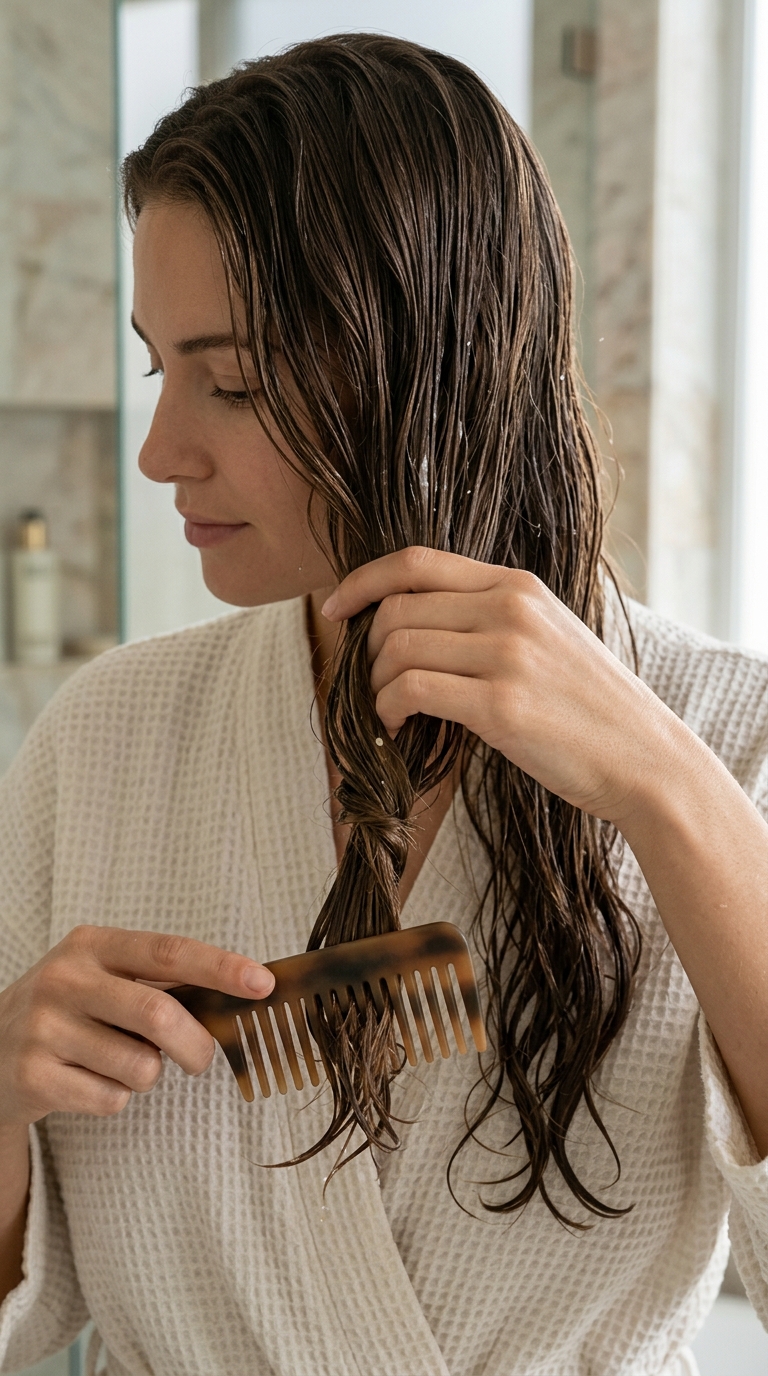
Brushes get blamed for knots that a comb should have loosened first.
A wide-tooth comb has gaps big enough to slip through a tangle without dragging the whole head of hair along. Hold the section just above the knot with your free hand. That small grip keeps the pull away from your scalp.
Loosen the worst of it with the comb, then bring in the brush to finish.
Before you comb
3. Choose a Vented Paddle Brush for Blow Drying
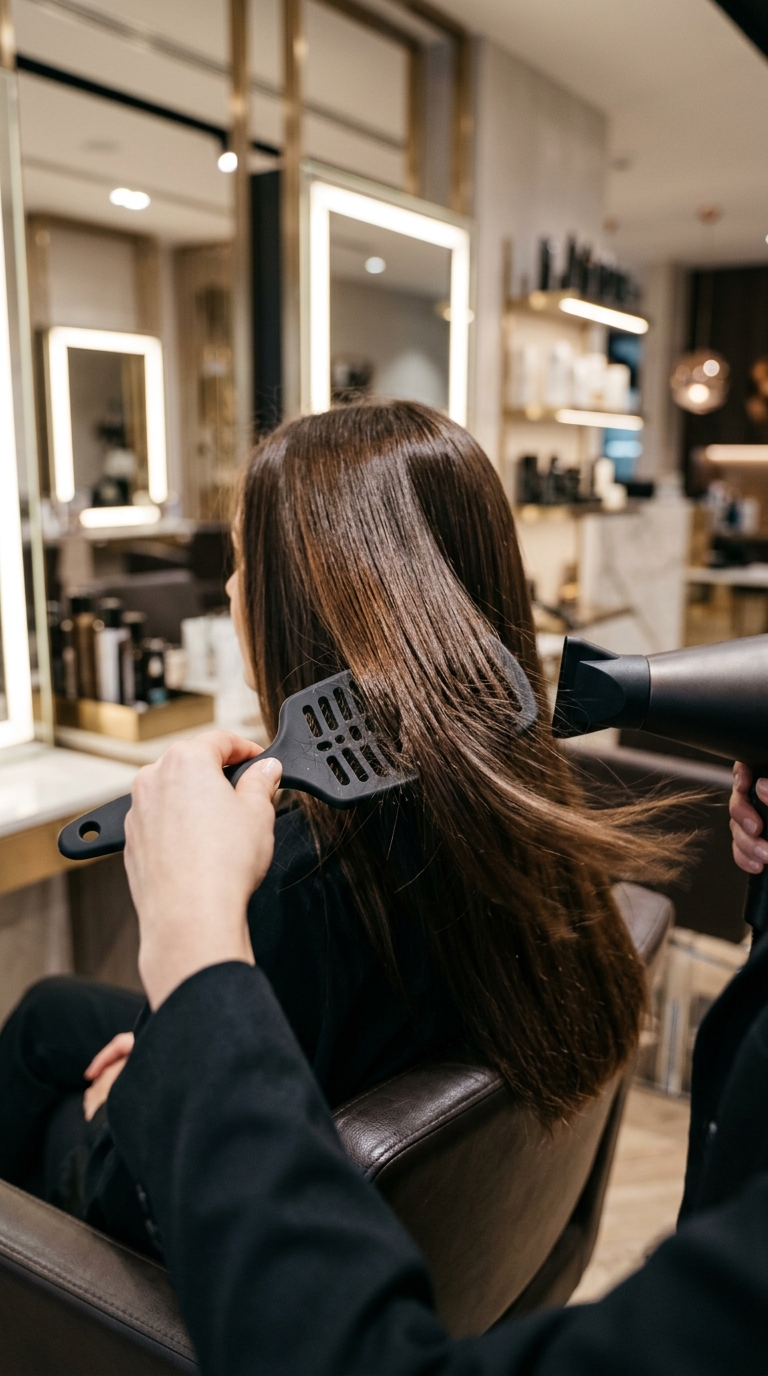
Air has to go somewhere. On a solid paddle brush it gets trapped, and the hair dries slowly against a hot plastic base.
A vented paddle has holes through the base, so warm air passes through while the pins move down the hair.
For blow drying long hair:
- Start with hair that is already knot free
- Dry the roots first, then work toward the ends
- Keep the dryer a few inches away and moving
Paddle brushes are wide, so they cover a lot of hair per stroke. That helps on long hair and hurts on knots, since a wide brush hits every tangle at once.
Comb out knots before the dryer comes on.
Keep the dryer moving down the length of each section.
Forcing the brush through a knot while the heat is on.
Pressing hot plastic against your scalp.
4. Use a Cushion Brush With Ball-Tipped Pins Every Day
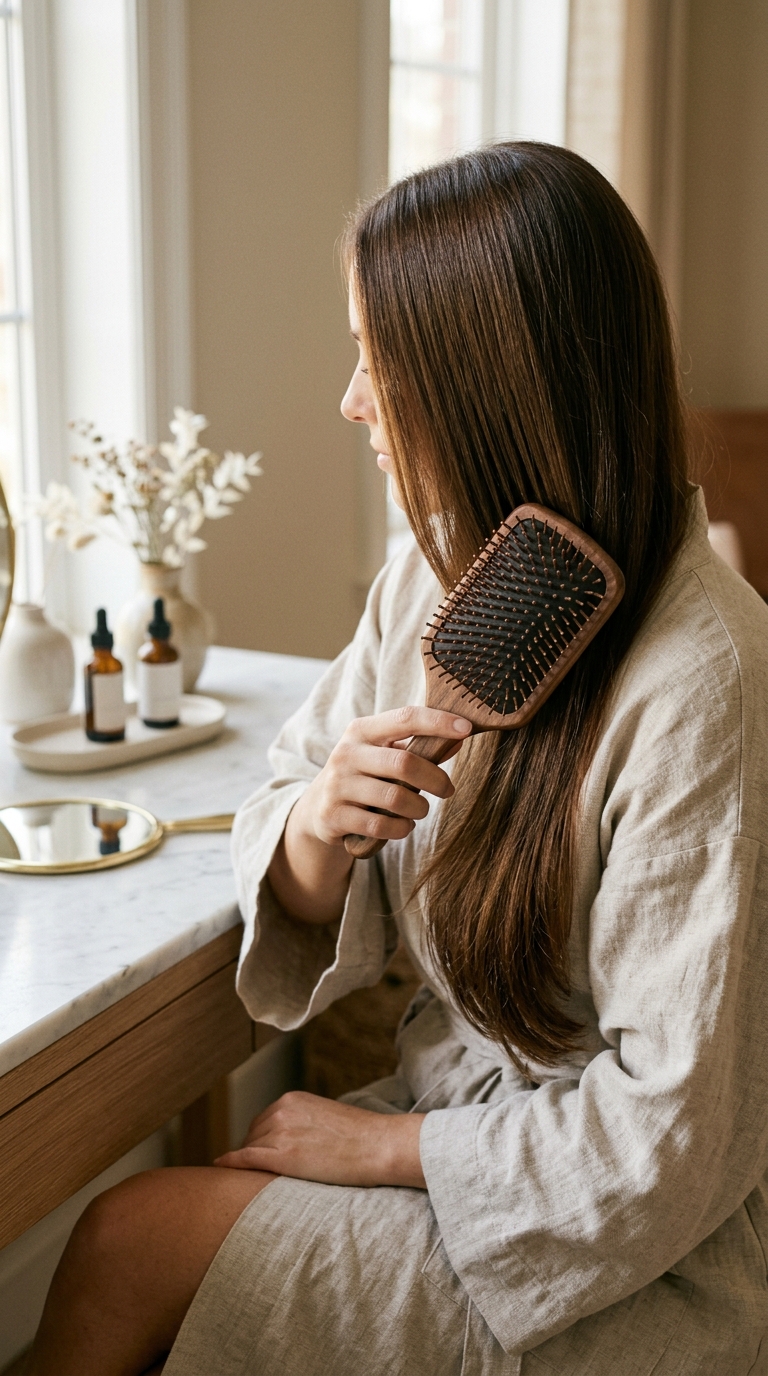
Most dressers already have one of these, a rubber cushion base with pins topped by tiny balls.
It makes a good everyday brush, as long as the hair is already knot free. On a real tangle it skips across the top and leaves the knot where it was.
Good moments to reach for it:
- After you comb out the tangles from sleeping
- Before pulling hair into a ponytail
- To move scalp oil down the length of dry hair
Best for fine to medium hair that does not knot easily.
💡 Quick Tip
Pull the loose hair out of the pins every few days. A brush clogged with old strands snags new ones.
5. Add a Boar and Nylon Mix Brush for Smoothing
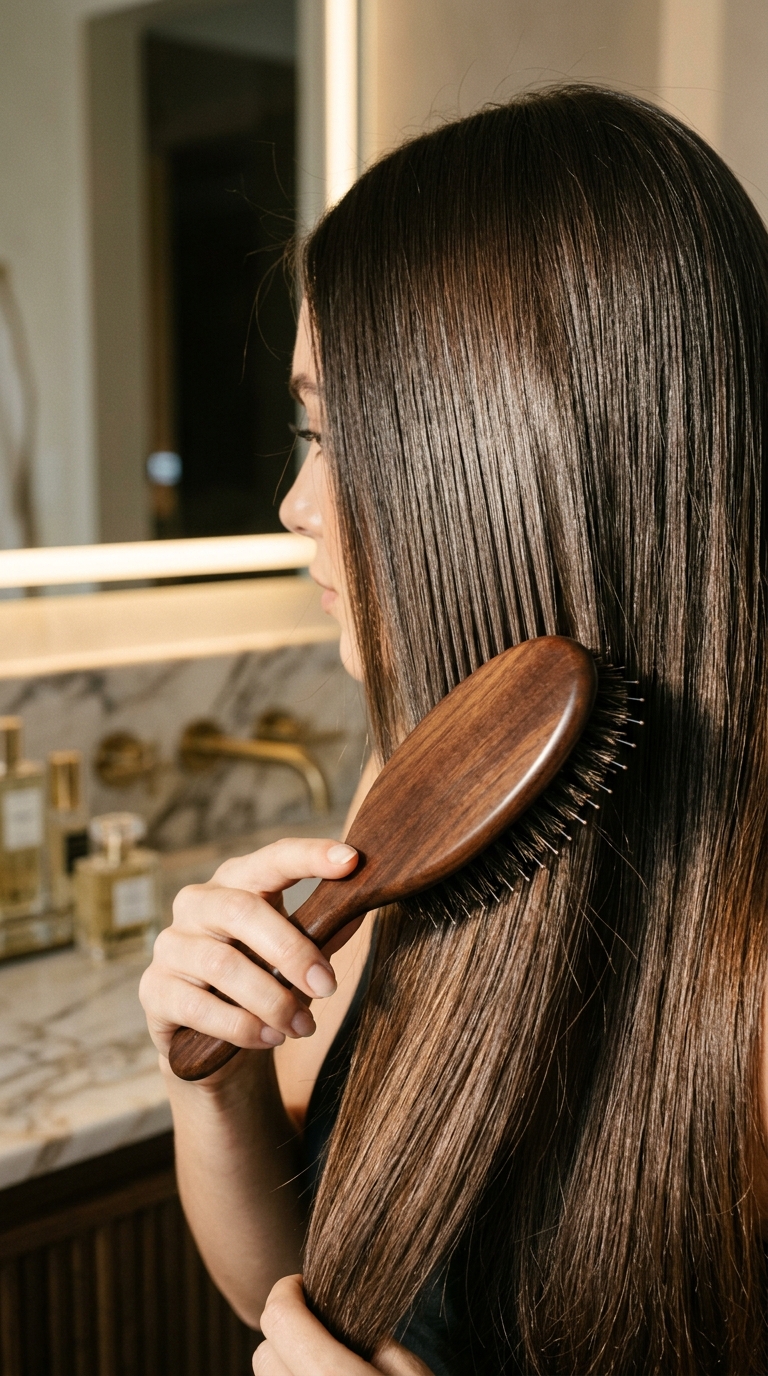
Boar bristles and nylon pins do different jobs, and a mixed brush carries both.
Boar bristles are soft and packed close. They glide over the surface and move natural oil along the hair. Nylon pins are firmer and reach into thicker sections.
Use this one on dry hair that has already been combed through. Think of it as a finishing brush, not a rescue tool. A knotted section will make the close bristles tug.
Mixed brushes often cost more than plain nylon ones, so be sure you will reach for it every day.
Quick Comparison Table: Brushes 1 to 5
| Brush Type | Best Hair Type | Use It On | Feel |
|---|---|---|---|
| 1) Flexible bristle brush | Long, tangle-prone | Wet or damp hair | 🌿 Gentle |
| 2) Wide-tooth comb | Most textures | Wet hair with conditioner | 🌿 Gentle |
| 3) Vented paddle brush | Straight to wavy | Blow drying, after detangling | 💨 Medium |
| 4) Cushion brush | Fine to medium | Dry, knot-free hair | ☁️ Soft |
| 5) Boar and nylon mix | Medium to thick | Dry hair, finishing step | ✨ Smooth |
6. Switch to a Loop Bristle Brush for Thick, Knot-Prone Hair
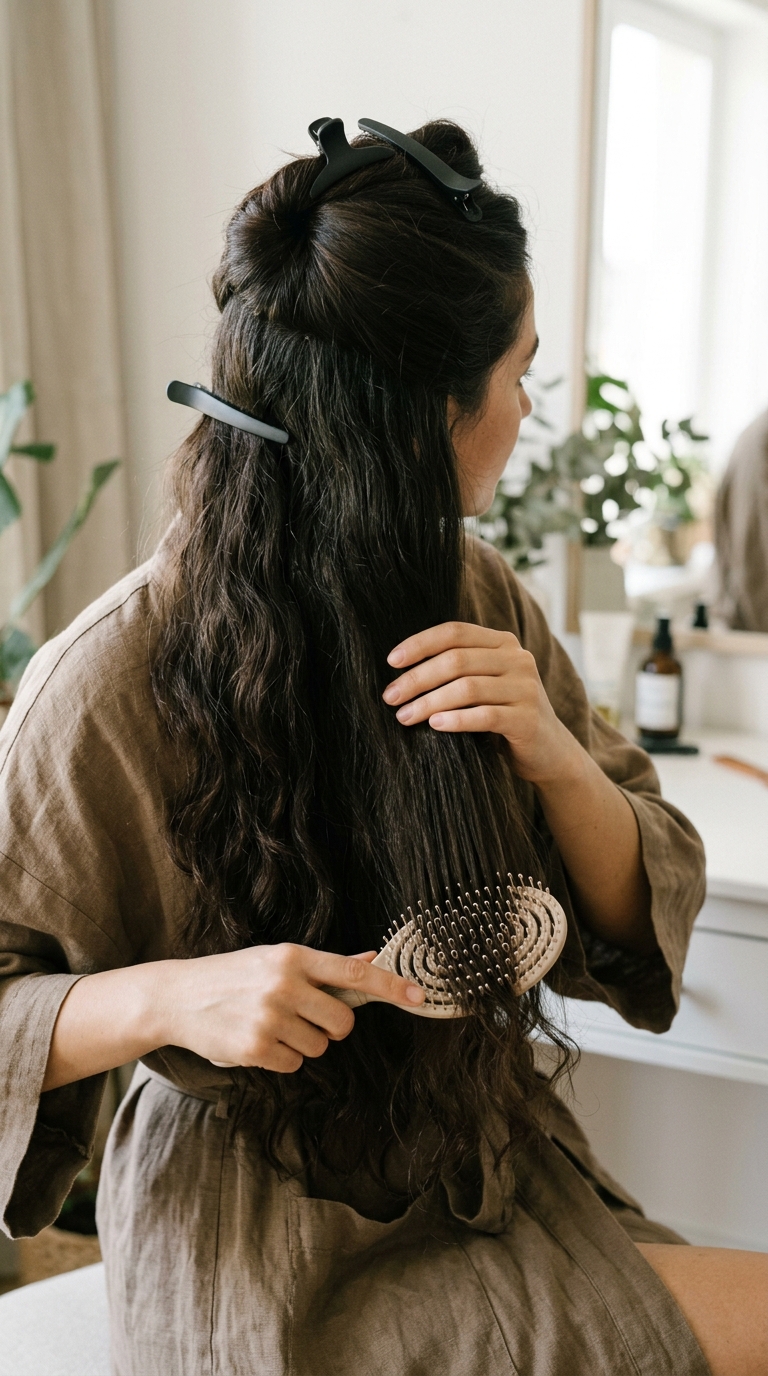
Myth: thick hair needs a stiff brush. In practice it needs one that gives. Thick hair tangles in the middle layers, where the knots hide from view.
Loop bristle brushes use small flexible loops in place of single pins. The loops part around a section and slide through it, so you can detangle without stopping at every snag.
Work in layers, because thick hair hides knots under the top.
Brush thick hair in layers
Clip the top half of your hair up and out of the way.
Brush the bottom layer from the ends upward until it moves freely.
Let down the next layer and repeat until the top is done.
7. Keep a Mini Detangler in Your Bag
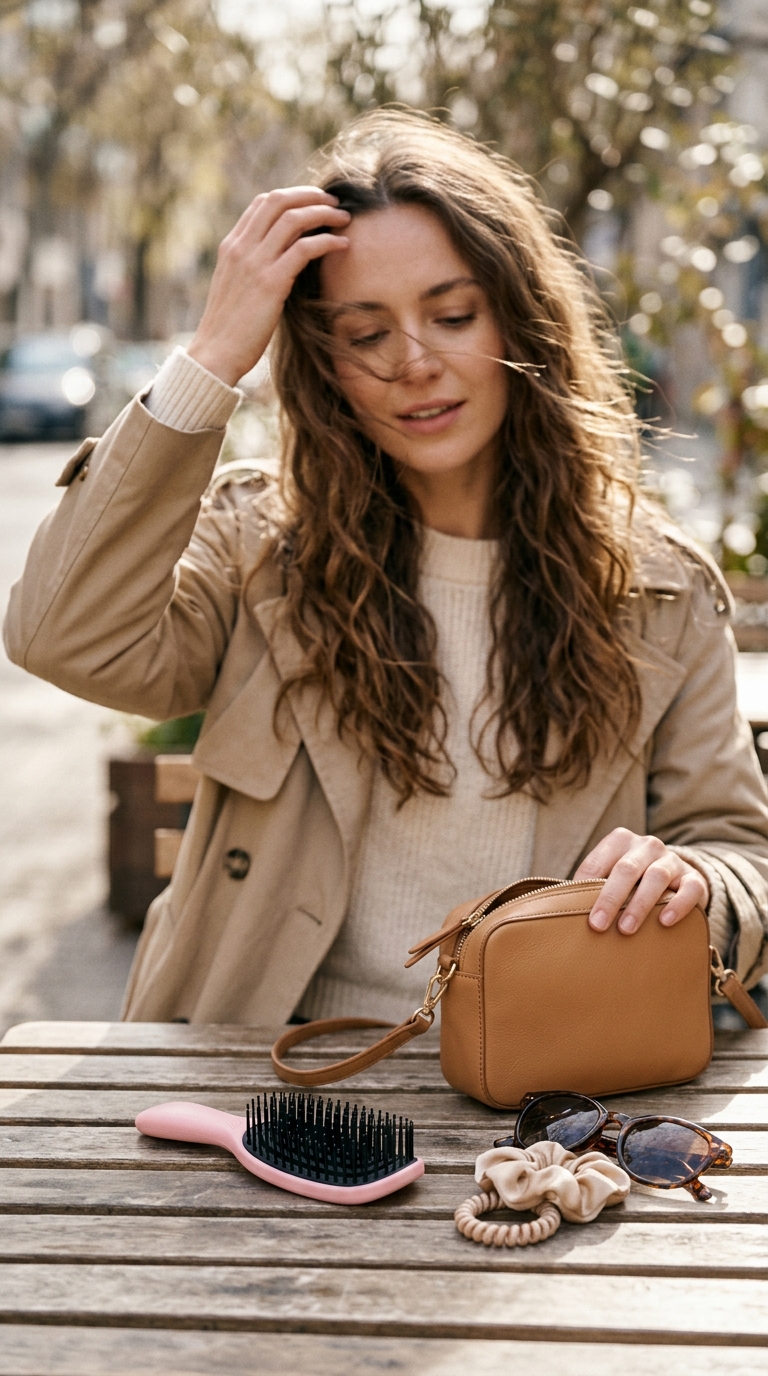
The bottom of a bag has a way of turning hair ties and receipts into a pile, with a full-size brush buried somewhere underneath. A mini detangler fits in a coat pocket or gym bag, so a windblown ponytail gets fixed on the spot.
The smaller head covers less hair per stroke, so it needs more strokes. That makes it a quick fix and not a full wash day tool.
Keep one in your bag and one at home, so a snarl never decides how late you run.
Windblown hair after a walk, with a knot at the nape and no brush in reach.
Smooth ends in about a minute, brushed from the bottom up with the mini brush.
8. Detangle Curls Only When They Are Soaked in Conditioner
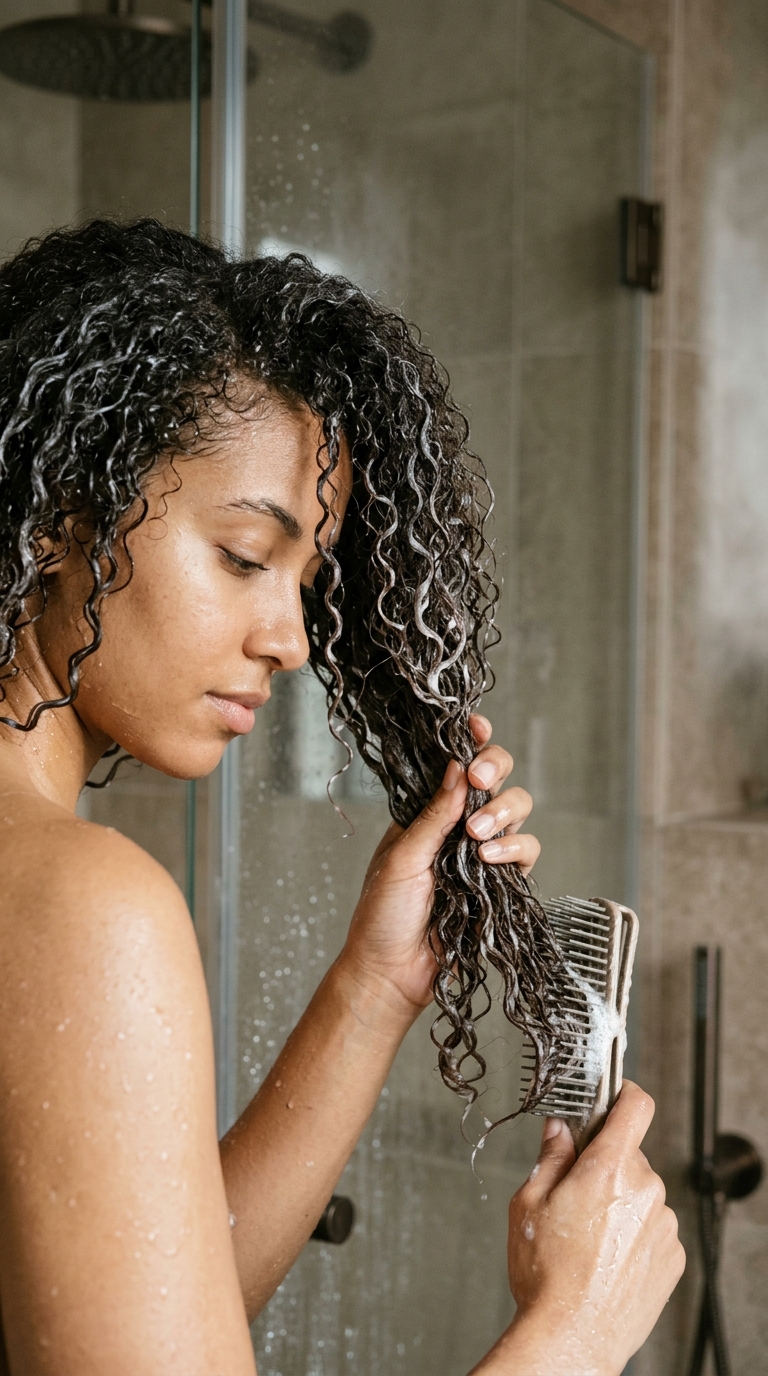
Detangle curly hair while it is full of conditioner, and not before.
Curly and wavy hair tends to be drier than straight hair and pulls into tighter knots, so it needs slip. Choose a brush with flexible bristles set far apart.
The order that works:
- Smooth conditioner from the mid-lengths to the ends
- Brush small sections, ends first
- Rinse, then style while the hair is still wet
A brush used on dry curls usually breaks up the pattern and leaves frizz. If your hair has dried, mist each section with water before you start. Best for waves and curls that mat at the nape.
⚠️ Watch Out
Stiff, close-set pins can snag in tight curls. If you feel resistance, stop and add more conditioner before the next pass.
9. Go Soft and Light on Fine Hair
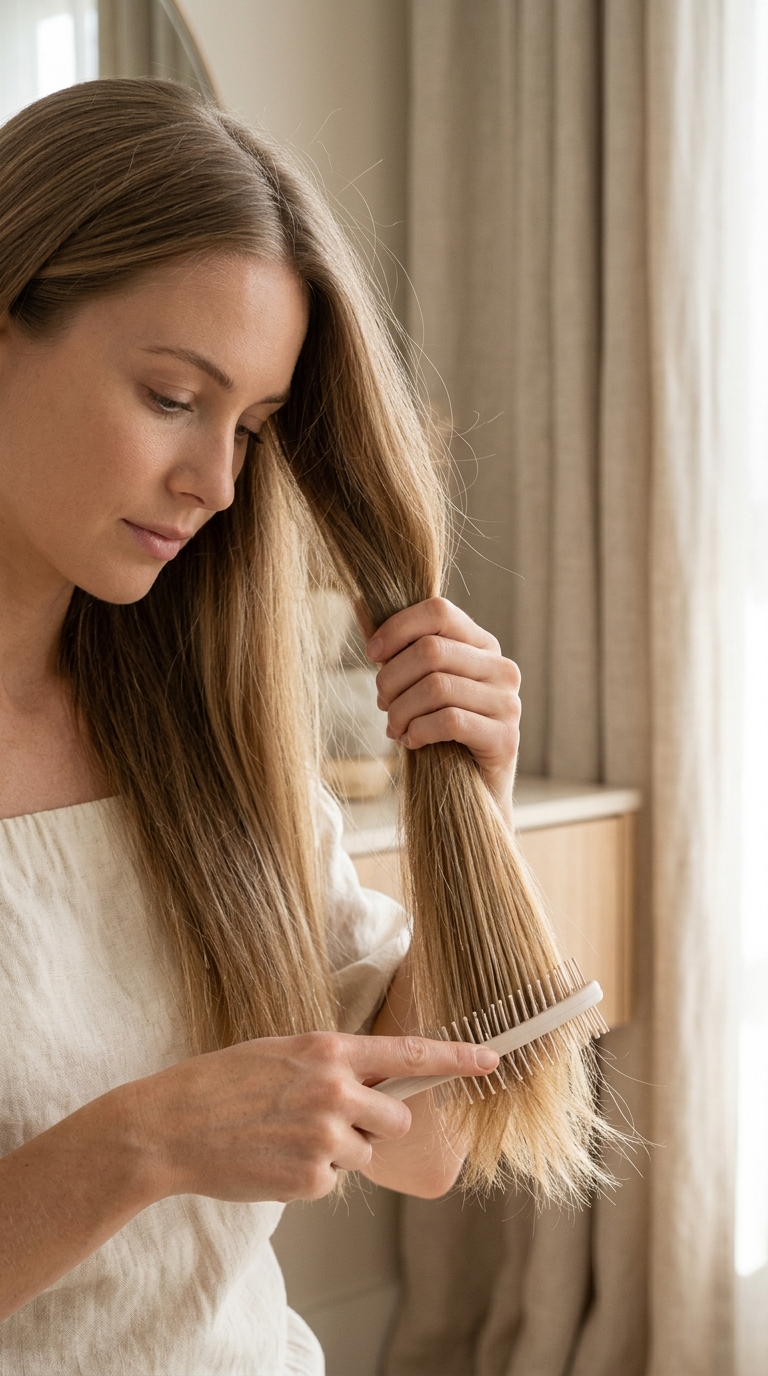
People with fine hair often buy the stiffest brush they can find, which is the opposite of what the hair needs.
Fine strands break under heavy tension. Soft pins and light strokes matter more than any brand name.
Hold the hair above the knot with one hand, then brush the section below it. Two or three gentle passes beat one long session. On wet fine hair, a wide-tooth comb is usually kinder than most brushes.
Fewer strokes with a lighter hand protect fine hair better than a long, firm session.
10. Use a Wooden Brush on Dry, Loose Hair
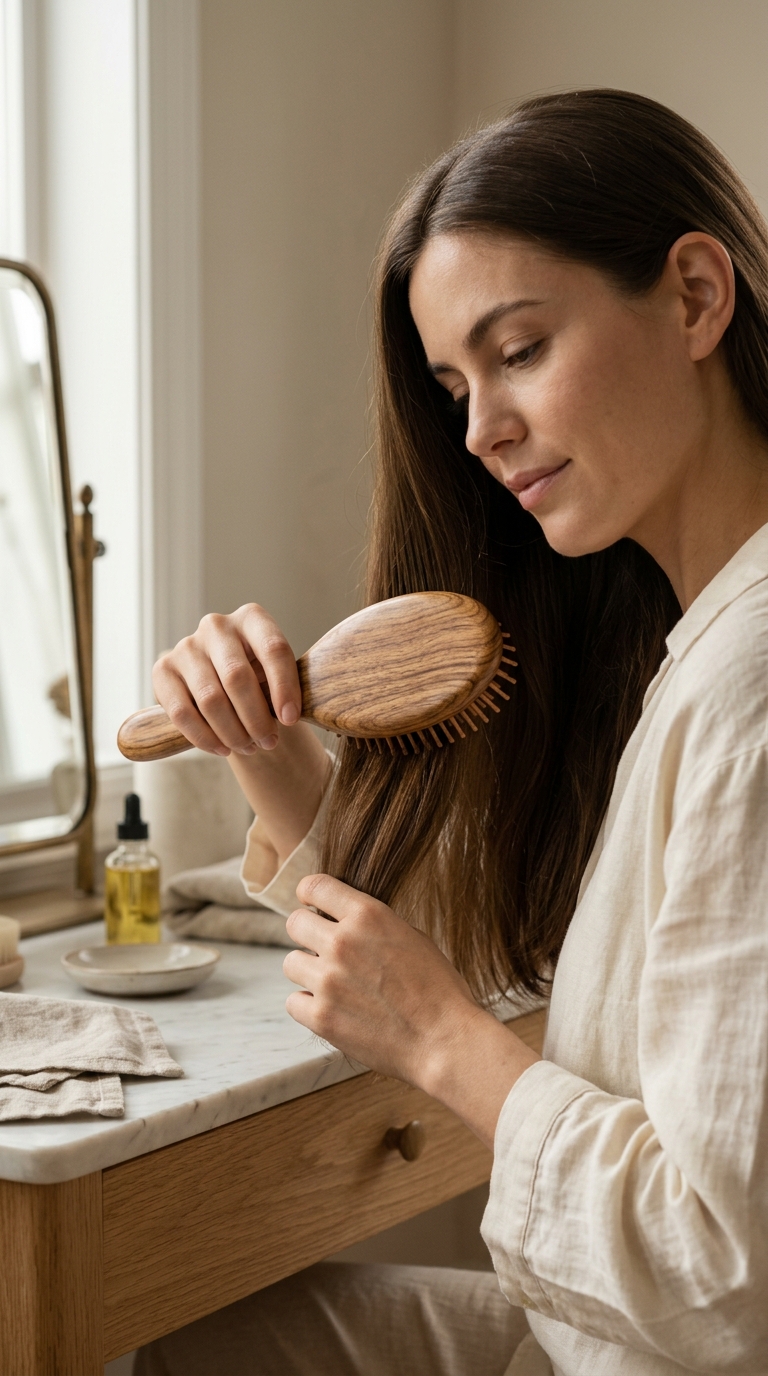
Look at the pins on a wooden brush and you will usually see wider spacing than on a plastic cushion brush. Wood also tends to cause less static, which is why many people keep one for dry winter hair.
Use it on hair that is already loose, since the pins are not made to push through knots.
Wood does not like water. A damp cloth is enough to clean it, and soaking can crack the handle over time.
Care checklist for any brush
Quick Comparison Table: Brushes 6 to 10
Care checklist for any brush
Short Q&A
Is it okay to brush hair when it is wet?
Yes, with the right tool and some conditioner. Use a flexible bristle brush or a wide-tooth comb, and start at the ends.
How often should I clean my brush?
Pull the loose hair out of it about once a week, and wash it when it looks dull or sticky. Check the care notes for wood or boar bristle brushes first.
Can one brush do everything?
Not really. A flexible bristle brush covers most wet hair jobs, but dry smoothing and blow drying work better with a different tool.
What is the best way to stop breaking hair while I brush?
Hold the hair above the knot, work from the ends up, and use light strokes. A bit of conditioner or leave-in spray helps too.
Pick the Brush That Matches Your Hair
A good brush should feel boring. No yanking, no stalling halfway down, no pile of snapped hairs in the sink. The best detangling brush for long hair is the one that matches how your hair behaves, wet or dry, fine or thick, straight or curly.
If you only buy one, start with a flexible bristle brush. Add a wide-tooth comb for the worst knots and keep a mini one in your bag.
Clean your brush every week or so, and replace it when the pins bend or the cushion cracks. Save this list for your next brush shopping trip.