8 Best Hair Color for Olive Skin Ideas That Actually Work
Olive skin has a strong personality of its own, part warm, part cool, and most color guides don’t know what to do with it. That’s why so many people with olive skin end up disappointed after a color appointment that looked great on someone else. The right hair color for olive skin isn’t about picking a trend, it’s about picking a shade that works with the green-gold undertone your skin already has instead of against it.
The trouble is that generic advice tends to split colors into “warm” and “cool” without ever mentioning that olive skin sits somewhere in between. That in-between quality is actually an advantage. It means a wider range of shades can work, as long as you know which direction to lean and which to avoid.
This list covers real options, from caramel balayage to deep copper red, along with a quick way to check if your skin really is olive before you commit to anything. Save it before your next salon visit.
1. Caramel Balayage Brings Out Olive Skin’s Natural Warmth
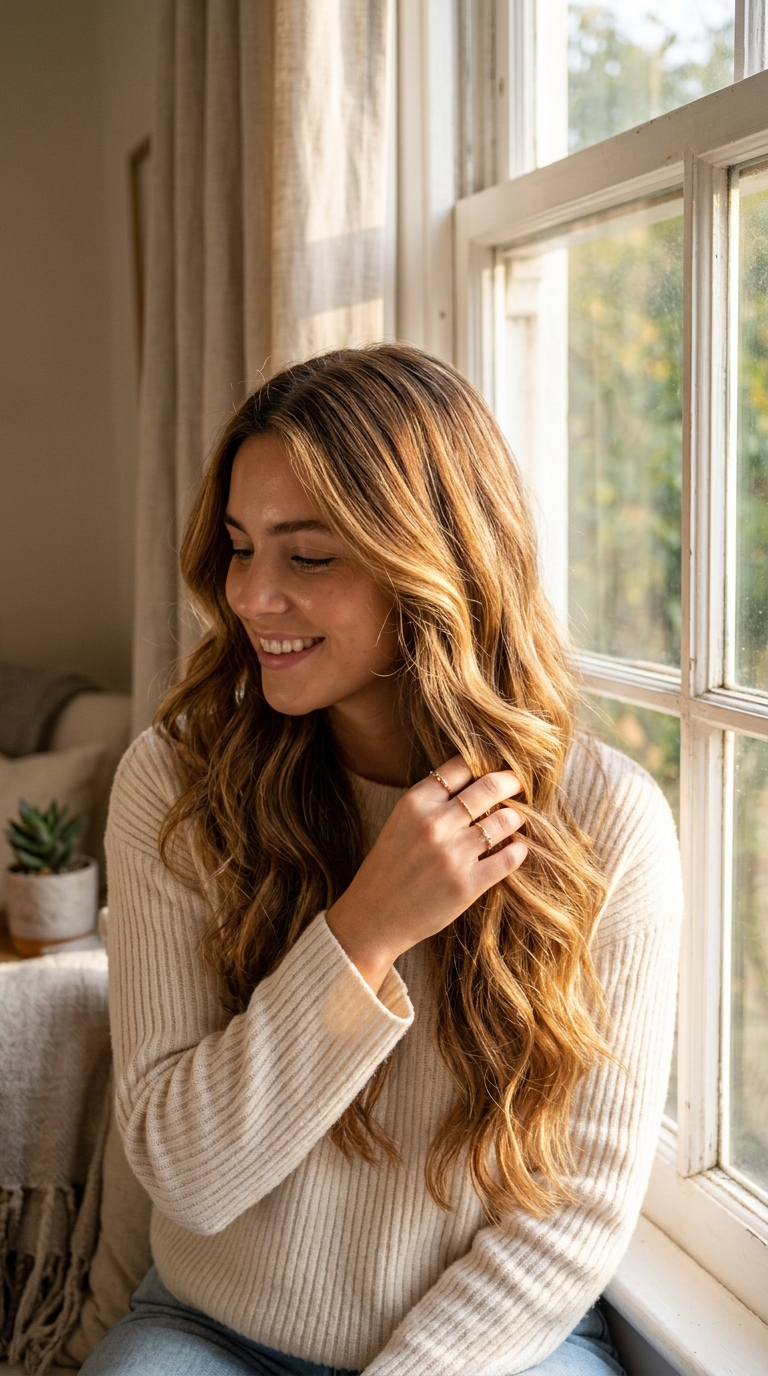
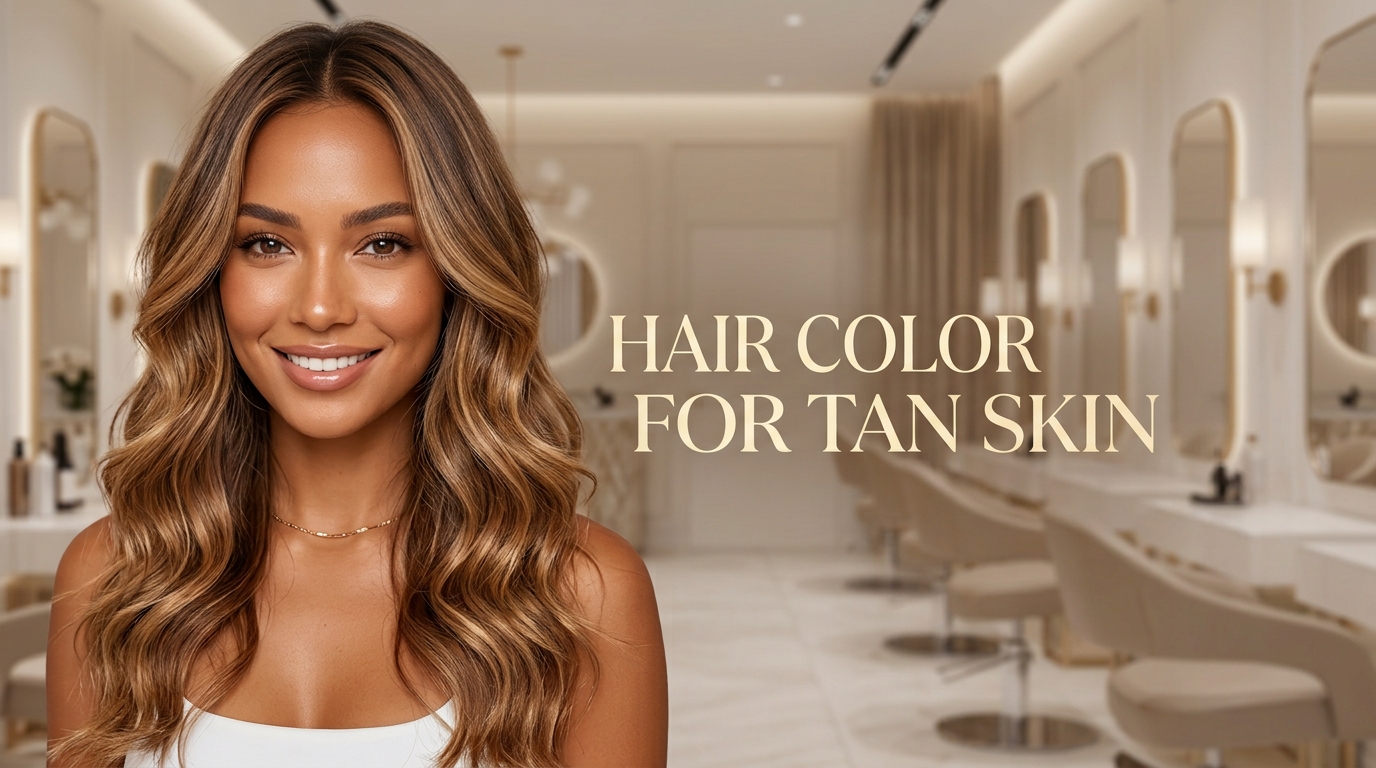
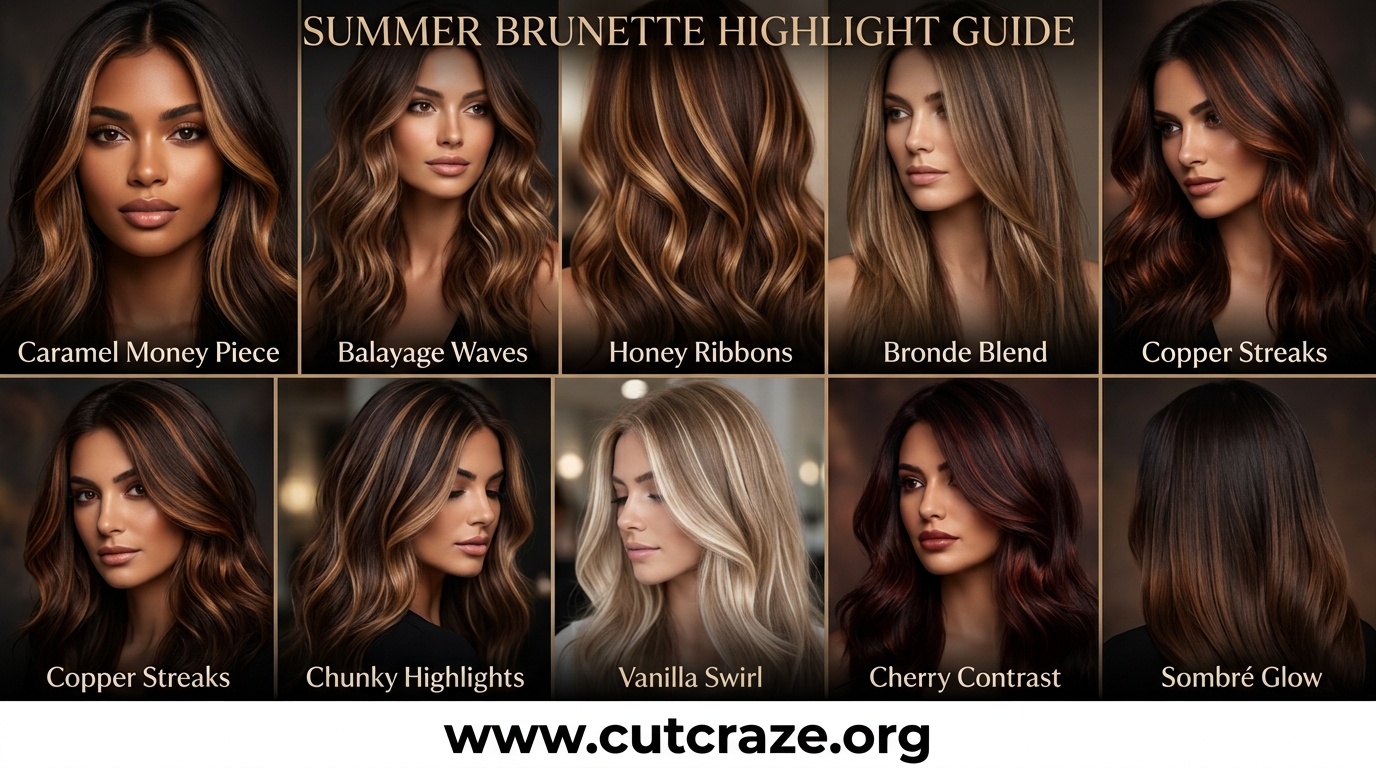
Caramel balayage does something flat color can’t. It layers warm gold-brown tones through your natural base in uneven strokes, so the color looks like it grew that way instead of coming from a bottle.
On olive skin, that warmth pulls forward the golden undertone hiding beneath the green, which is usually what makes skin look brighter without needing a full color change.
2. Chocolate Brown vs Espresso: Which Reads Richer on Olive Skin
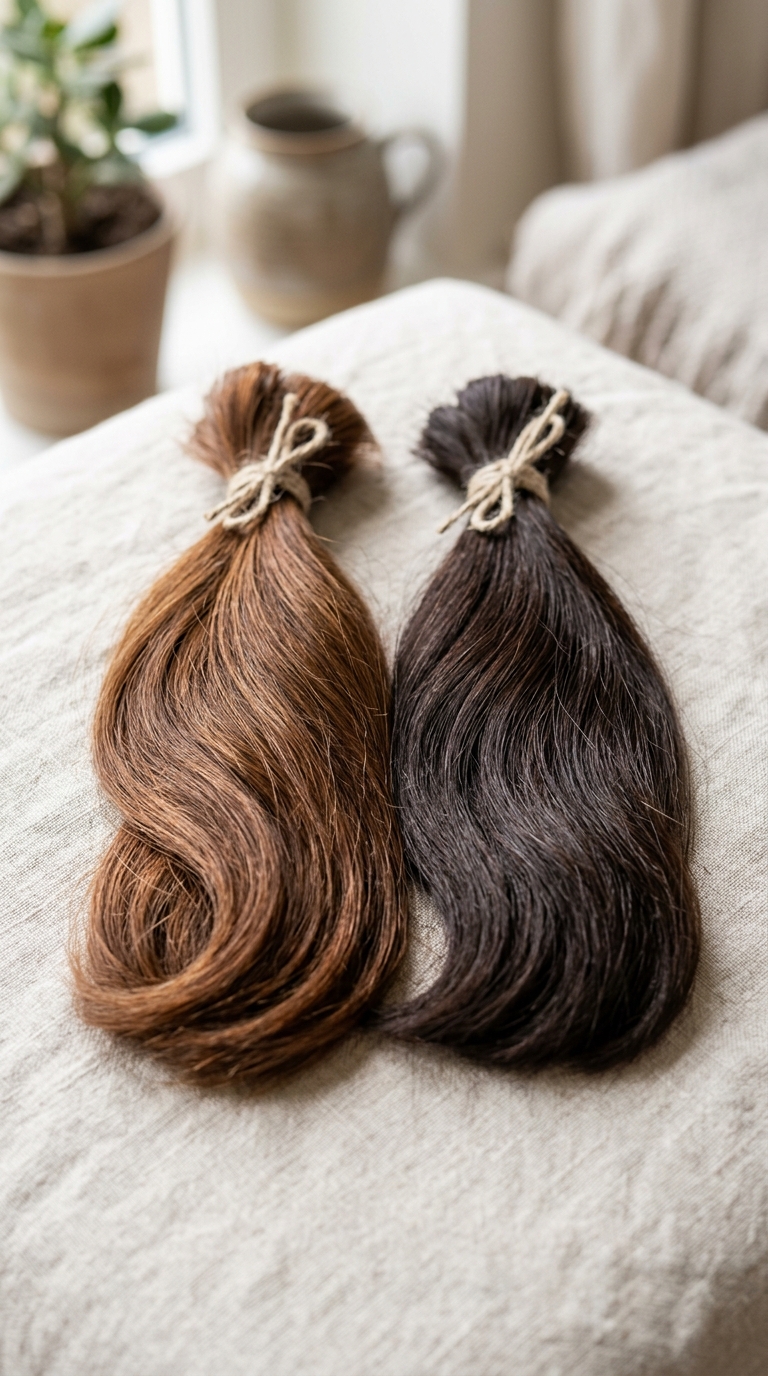
Both are deep browns, but they don’t behave the same way once they’re actually on your head. Chocolate brown carries a soft warmth that tends to soften olive skin’s natural green undertone. Espresso leans cooler and darker, which can look striking but sometimes flattens warmth instead of adding to it. The right one depends on how much contrast you want between your hair and your skin.
| Chocolate Brown | Espresso |
|---|---|
| Warm undertone, softer contrast | Cooler, deeper, higher contrast |
| Tends to brighten olive skin | Can look dramatic on fair olive skin |
| Fades toward warm caramel | Fades toward cool ash brown |
3. Three Signs Your Skin Actually Leans Olive, Not Just Tan
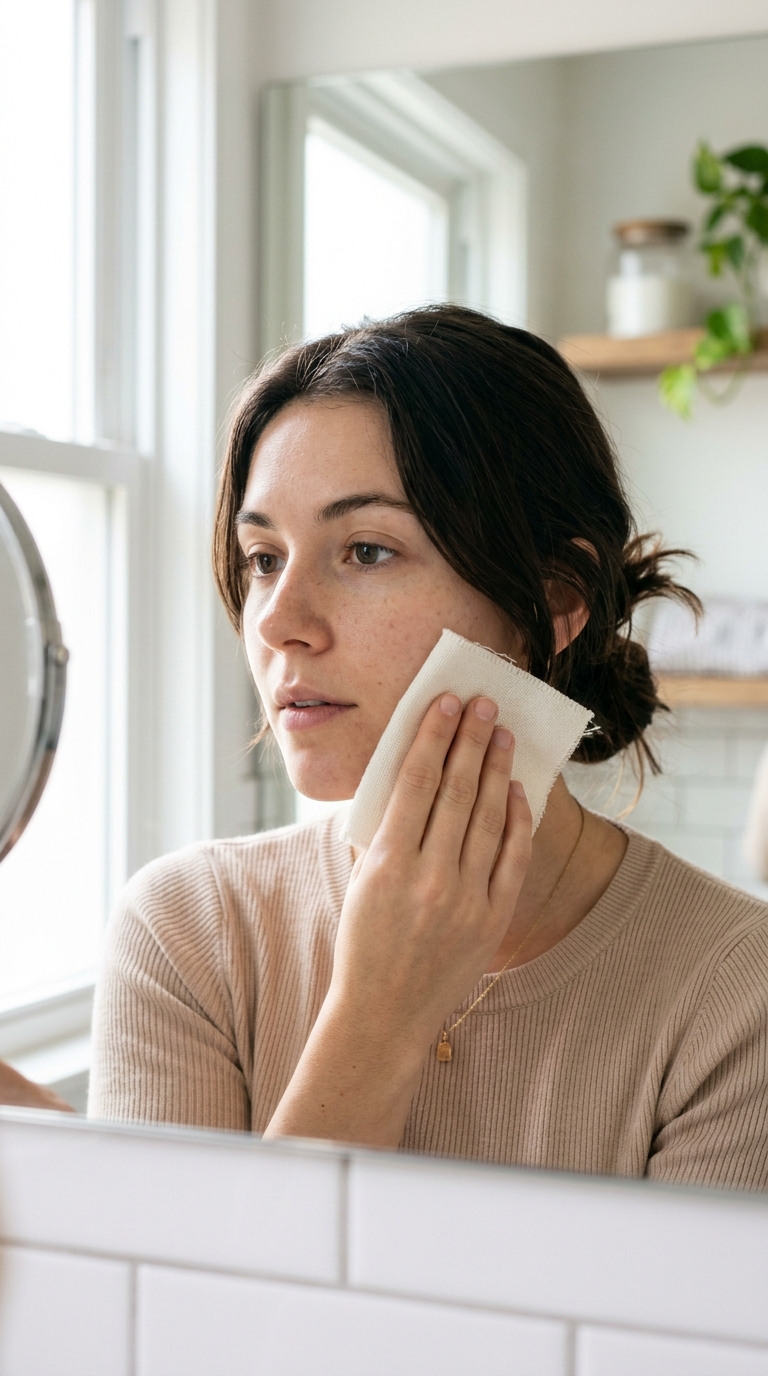
People confuse olive skin with a tan all the time. A few quick checks in daylight settle the confusion faster than guessing.
Look at your skin in natural light. A subtle green or gray-green cast, not just brown, usually signals olive skin.
Check how white clothing looks against your skin. Olive skin often looks slightly muted next to bright white.
Notice your undertone in winter, when tan has faded. True olive skin holds onto its green-gold cast year round.
4. Warm Chestnut Turns Sallow-Looking Hair Into Something Glowing
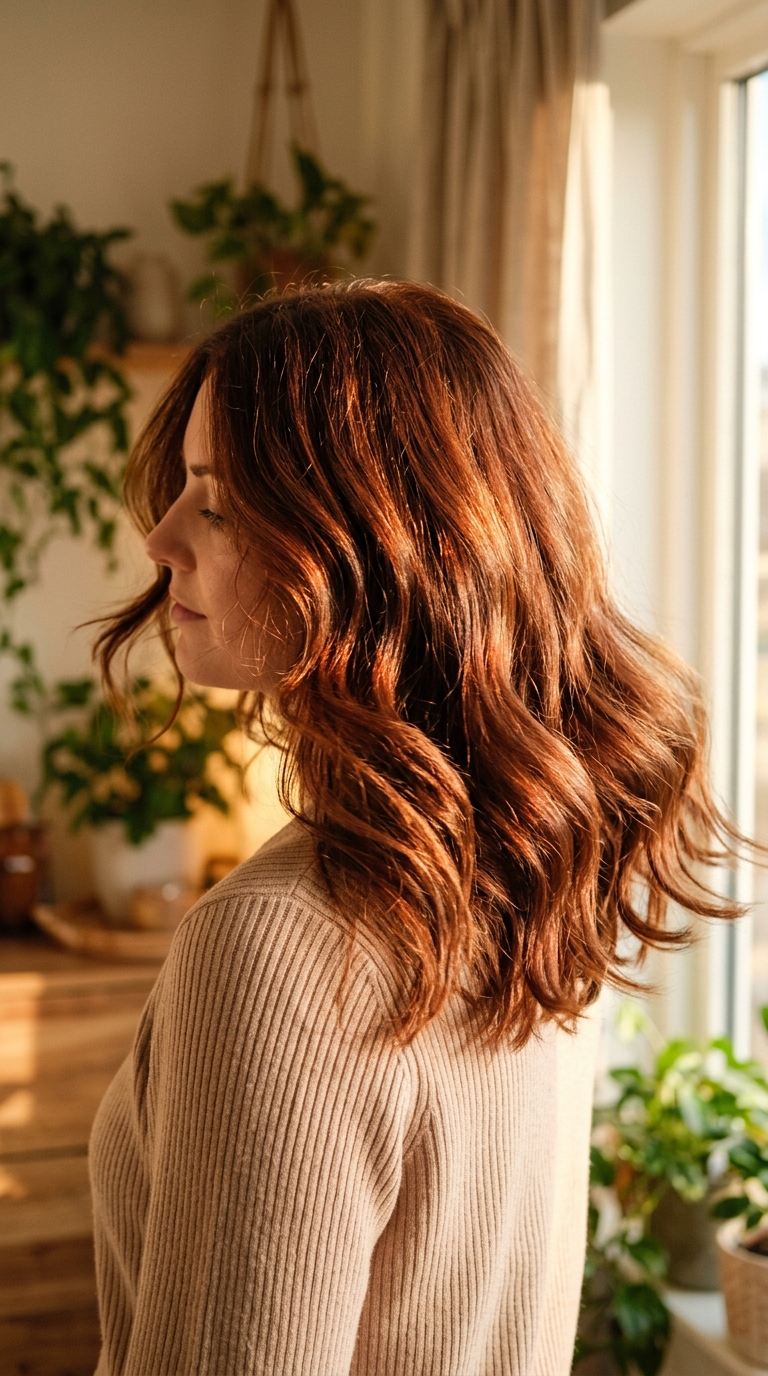
Sallow is the word colorists use when hair color pulls skin toward looking tired or dull, and it’s a common complaint from people with olive skin who went too cool or too flat.
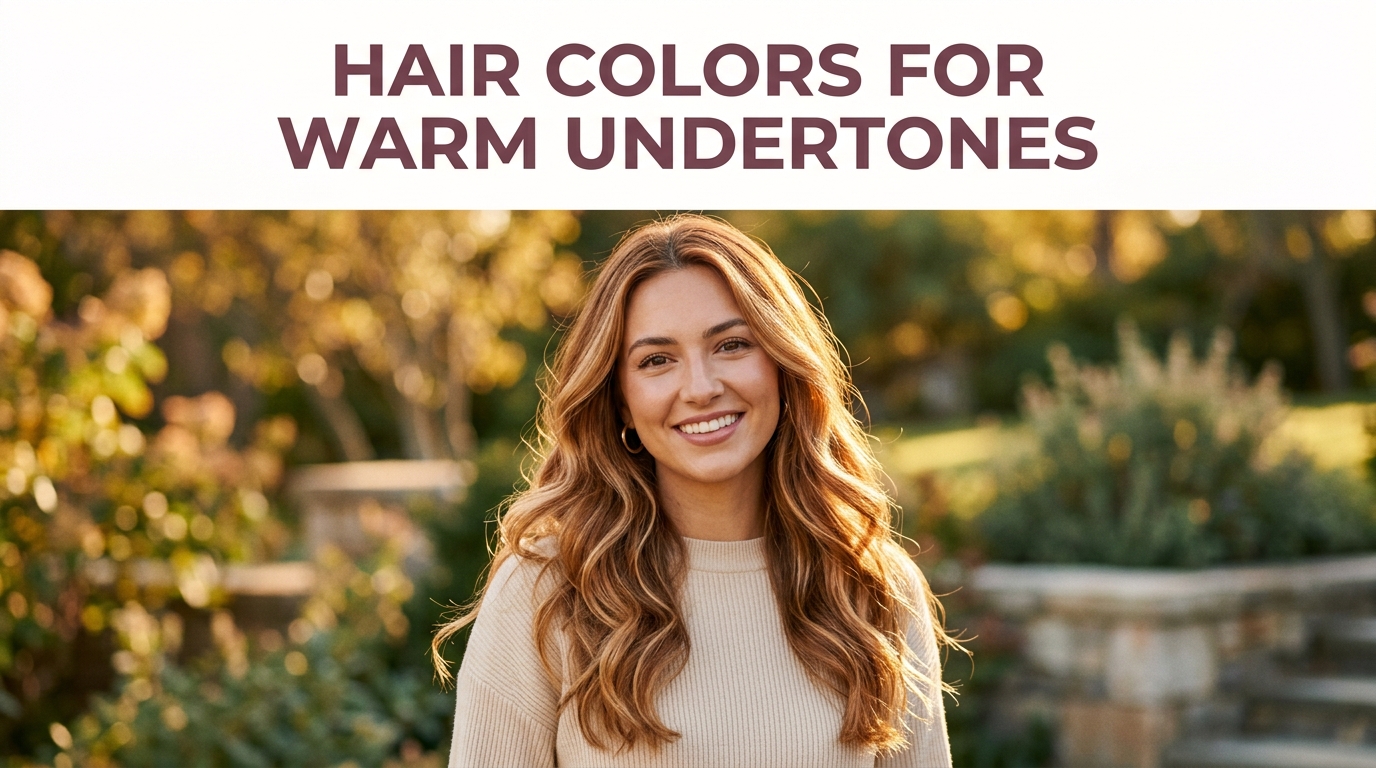
Warm chestnut fixes this by adding just enough red-brown depth to counteract that dullness, without swinging all the way into bright red territory.
Flat, cool-toned brown that leaves skin looking tired by midweek.
Warm chestnut depth that brings color back into the face.
5. The Cool Ash Tones That Clash With Olive Skin
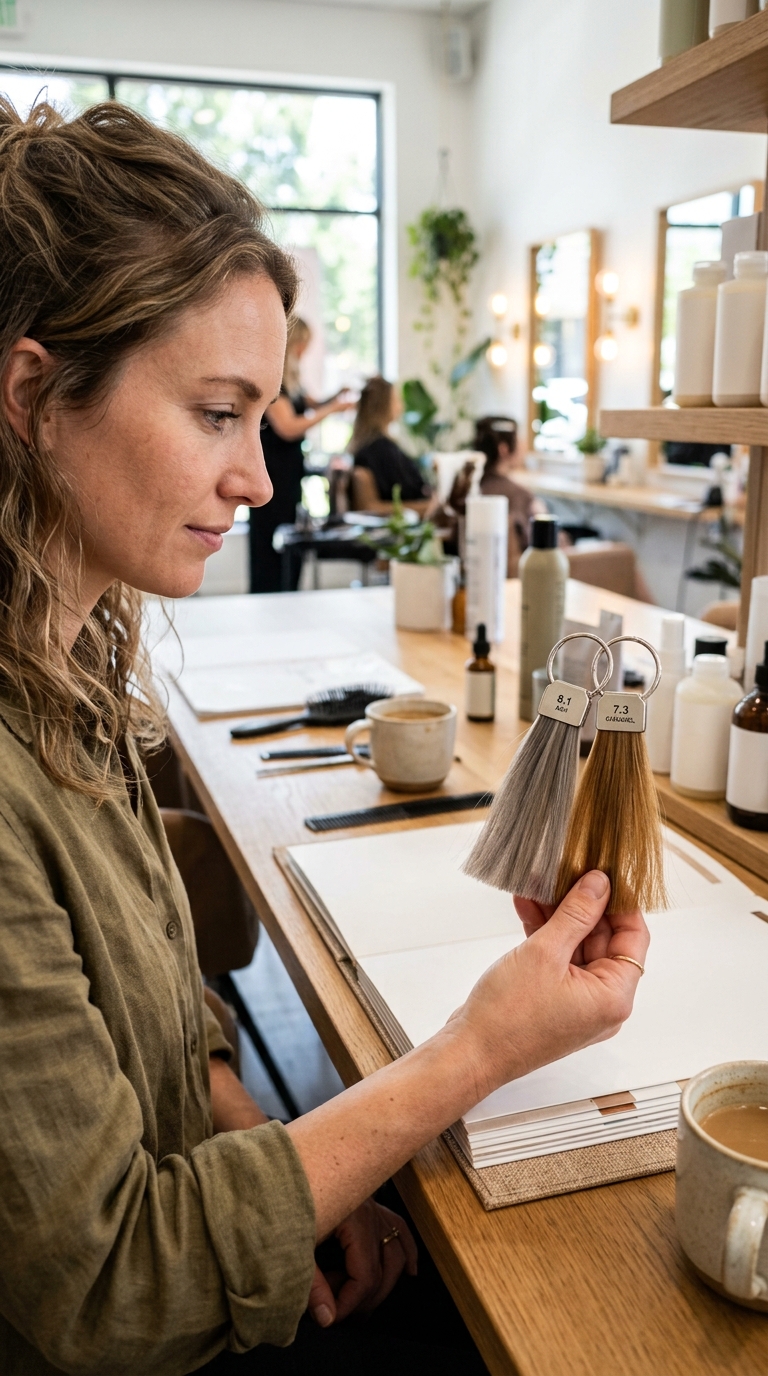
Ash brown, cool platinum, and any toner without warm pigment underneath tend to be the biggest hair color mistakes for olive skin. They amplify the green undertone instead of balancing it out, which is what leaves skin looking washed out under the wrong lighting. This doesn’t rule out cooler shades completely, it just means they usually need a warm base underneath to work.
Ask for warm-based toners like caramel, gold, or copper.
Test a swatch under both indoor and daylight before deciding.
Cool ash brown or platinum without warm pigment underneath.
Blue or violet-based toners layered over an olive complexion.
6. Bronde Is the Low-Risk Way to Test Warmth Without Going Full Color
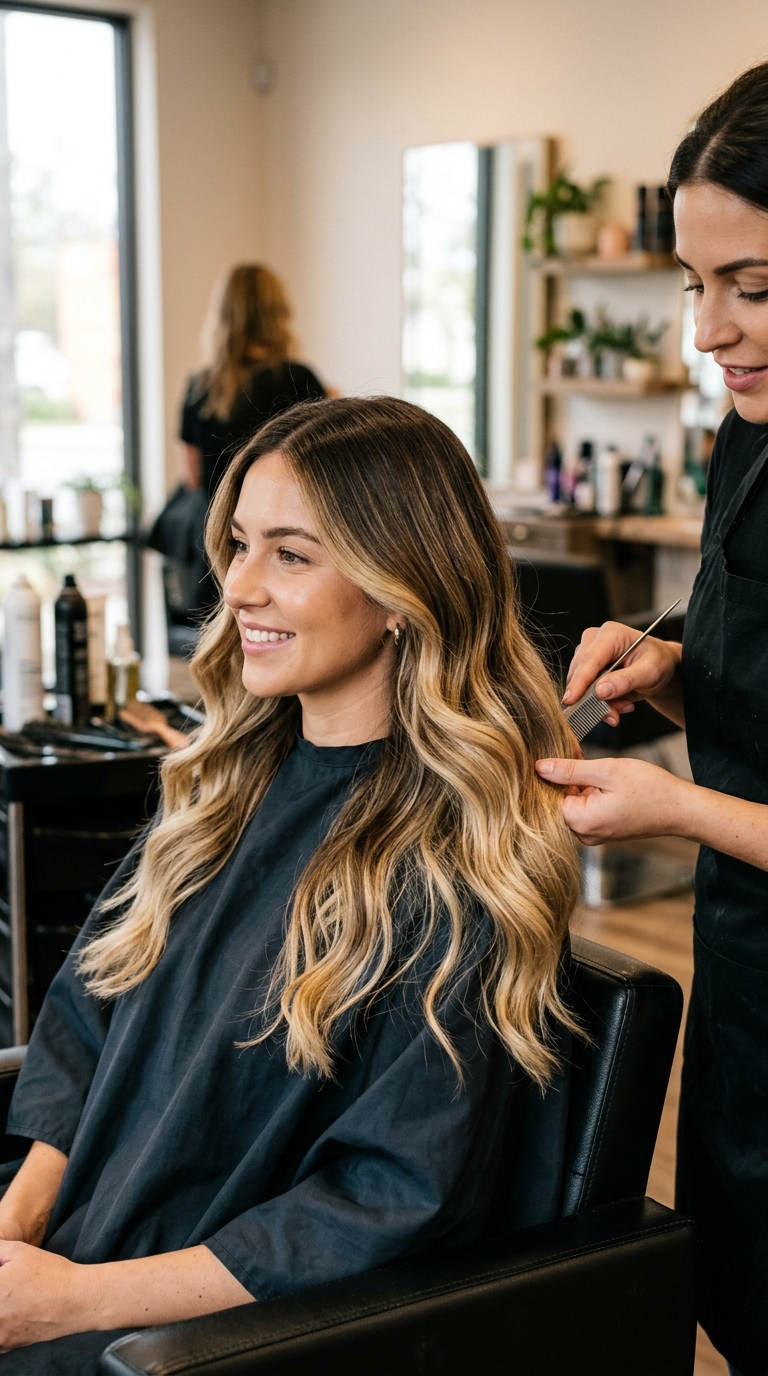
If you’re not ready to commit to a full warm shade, bronde gives you a taste without the leap.
💡 Quick Tip
Ask your colorist for warm brown roots blending into golden blonde ends. It’s easy to grow out or reverse if the warmth ends up feeling like too much.
Since bronde blends brown and blonde rather than committing fully to either, regrowth stays soft and low maintenance for months at a time.
7. Deep Copper Reds That Complement Olive Skin Instead of Fighting It
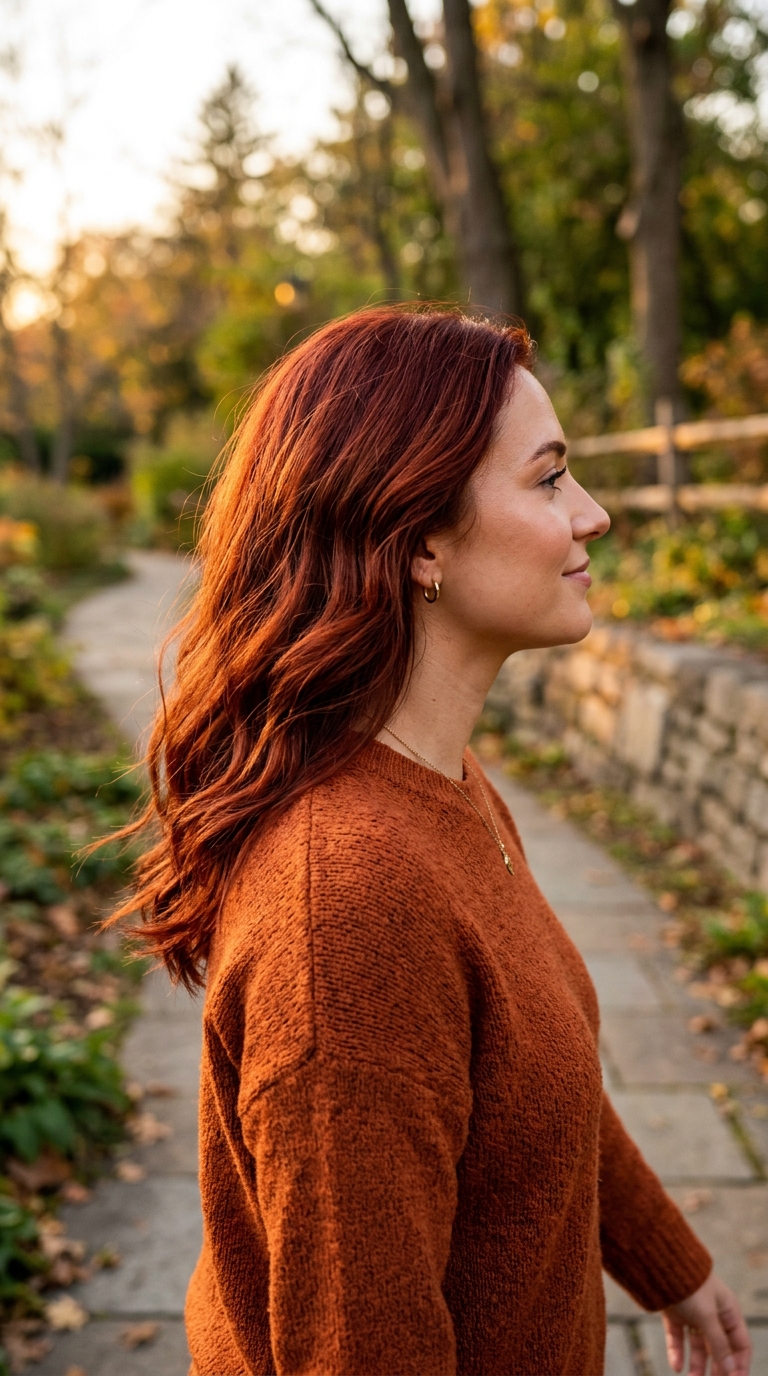
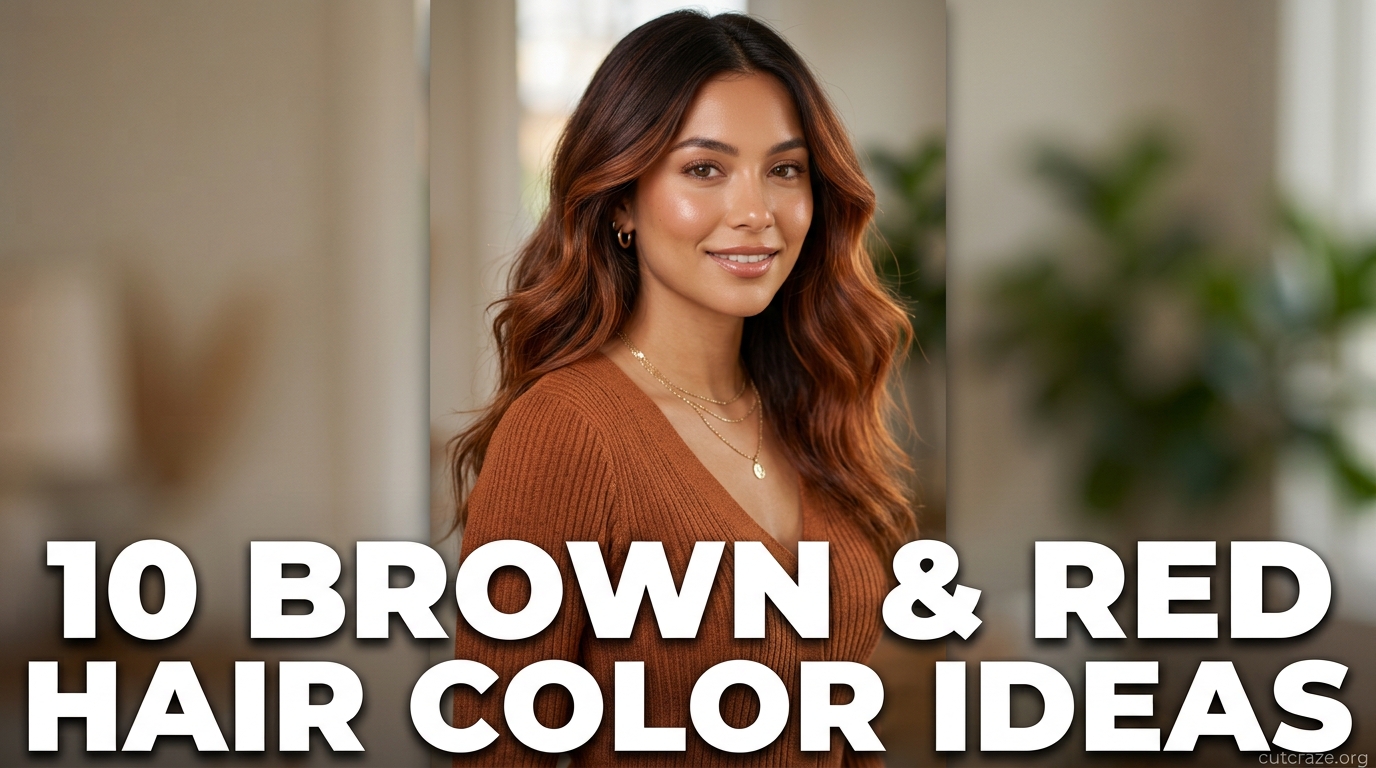
Red gets a bad reputation with olive skin, mostly because people picture bright orange-red instead of the deeper, wine-adjacent coppers that actually work. Deep copper sits close enough to brown that it reads as rich rather than costume-like, and it plays directly into olive skin’s natural warmth instead of competing with it.
8. Golden Highlights Work on Olive Skin at Any Hair Length
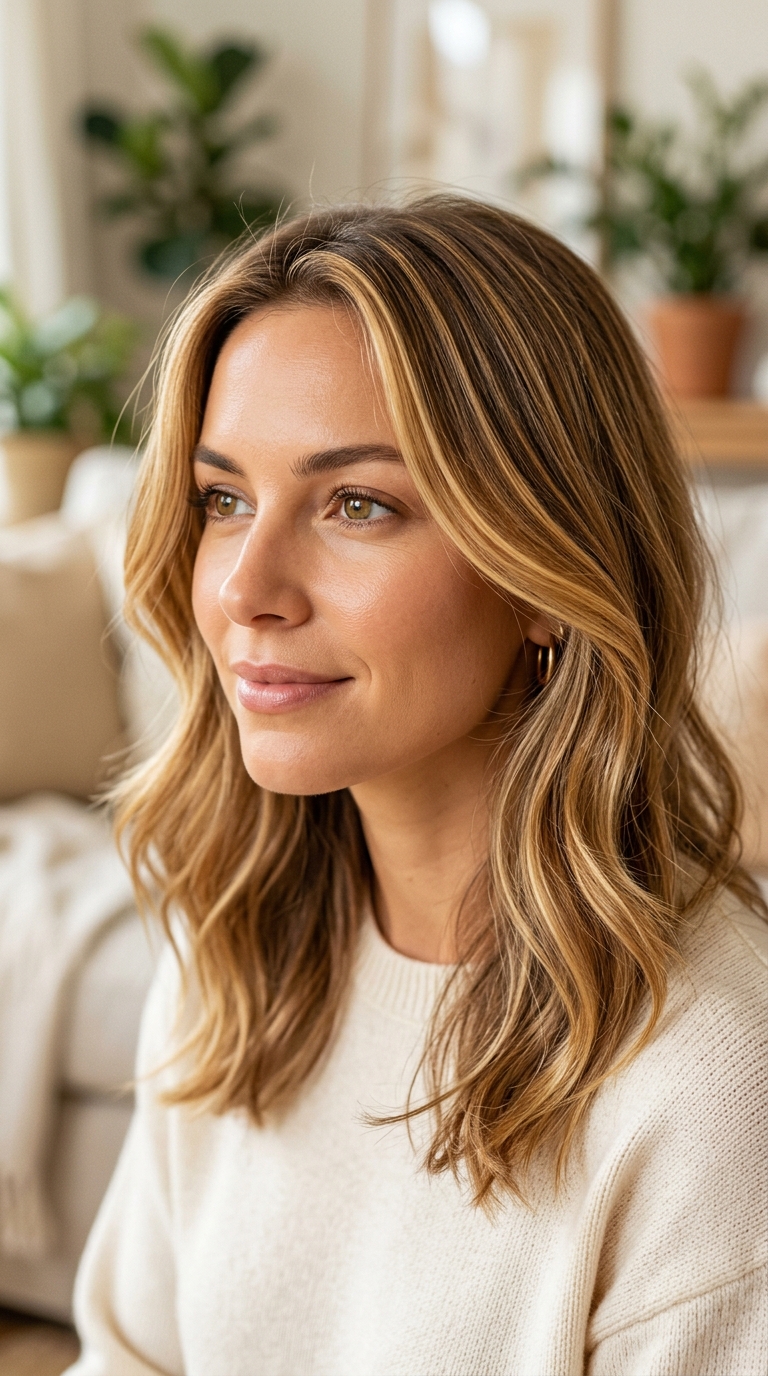
Short hair, long hair, it doesn’t matter. Golden highlights adjust their placement to whatever length you’re working with, and the effect on olive skin stays consistent either way.
Before your appointment
Especially good for anyone who wants warmth without touching their whole base color.
Frequently Asked Questions About Hair Color for Olive Skin
A few questions come up every time this topic gets discussed.
❓ Can olive skin pull off blonde hair?
Yes, but warm blonde works better than icy or platinum tones. Caramel, honey, and bronde shades tend to complement olive skin far more than ash blonde does.
❓ Why does my hair color always look duller than expected?
This usually happens when a cool-toned color is applied to olive skin. Cool ash tones amplify the green undertone instead of balancing it, which flattens the overall look.
❓ Is black hair a good option for olive skin?
Deep black can work, but it creates strong contrast that isn’t always forgiving. Soft black or espresso brown often looks just as striking with a little more warmth built in.
❓ Do I need to tell my colorist I have olive skin?
It helps to mention it directly, along with any past colors that felt off. Most colorists will adjust the toner formula once they know your undertone leans olive.
❓ What if my olive skin is more fair or more deep?
Fair olive skin tends to suit lighter warm shades like caramel or bronde, while deeper olive skin can carry richer tones like chestnut or deep copper without either washing out.
Conclusion
Olive skin gives you more room to work with than most color guides admit. Once you know your undertone leans warm and gold underneath that green cast, caramel, chestnut, copper, and golden highlights all become real options instead of guesses. The shades above cover a full range, from a subtle bronde test run to a full copper red commitment.
The best hair color for olive skin isn’t the one that’s trending, it’s the one that plays into the warmth your skin already has. Save this list for your next color appointment so you’re asking for the right tones the first time.