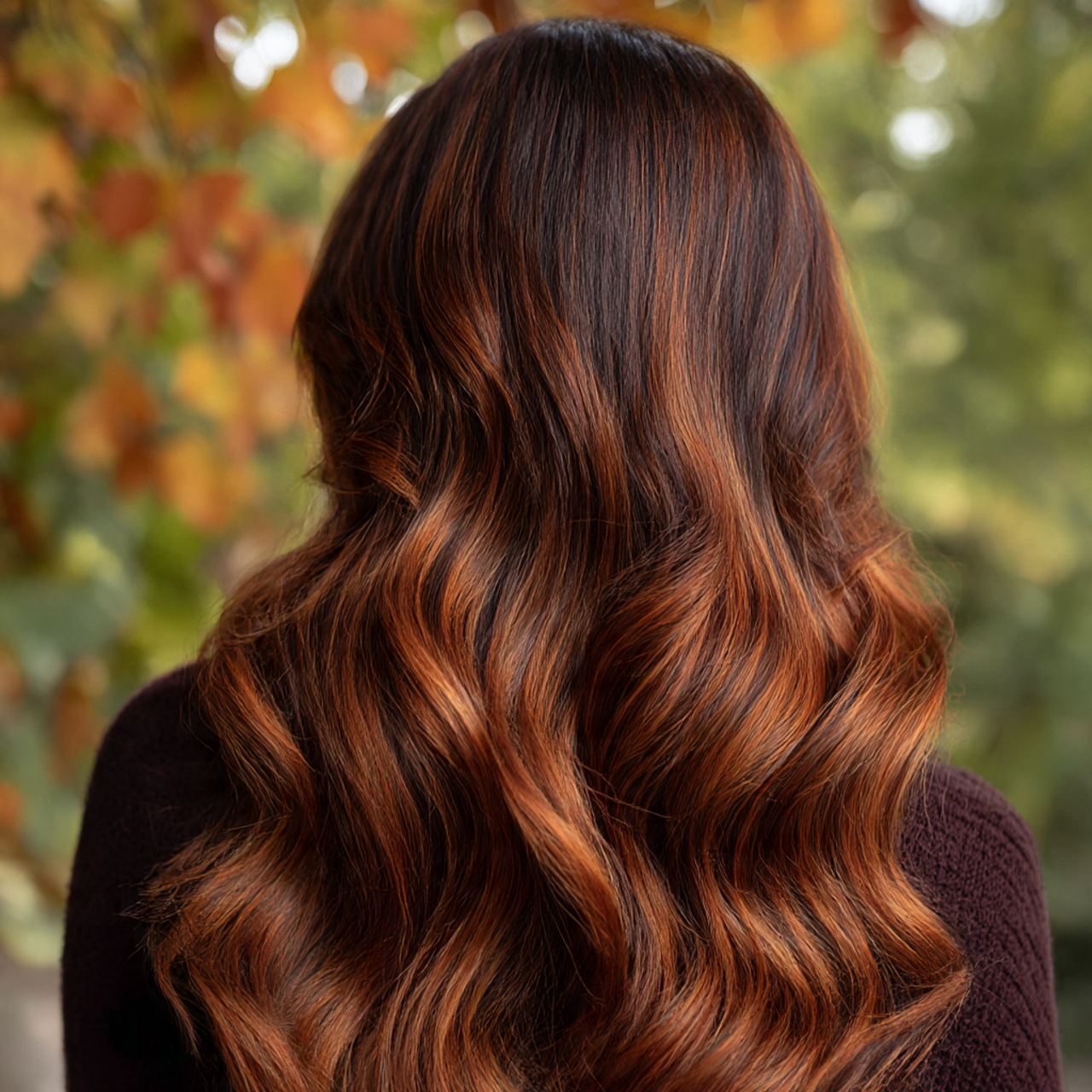
10 Brown and Red Hair Color Ideas That Actually Grow Out Nice
Brown and red hair color sounds simple until you sit in the chair and realize there are a dozen ways to do it wrong. Too much red and it fades orange in six weeks. Too little and it just looks like plain brown with a filter on it. The gap between “I want warm, rich color” and “I got a flat brown box dye look” trips up more people than any other hair color request.
The good news is that brown and red hair works on almost every skin tone and hair type once you know which shade family actually suits you and how it’s placed. Some of these ideas lean into deep, wine-toned reds. Others stay closer to warm cinnamon or copper so the red reads more like a glow than a statement.
Below are ten ways to wear brown and red hair, from subtle root melts to bold all-over color, plus what to ask your colorist for and what tends to go wrong with each one.
1. Chocolate Brown Base With a Copper Red Money Piece
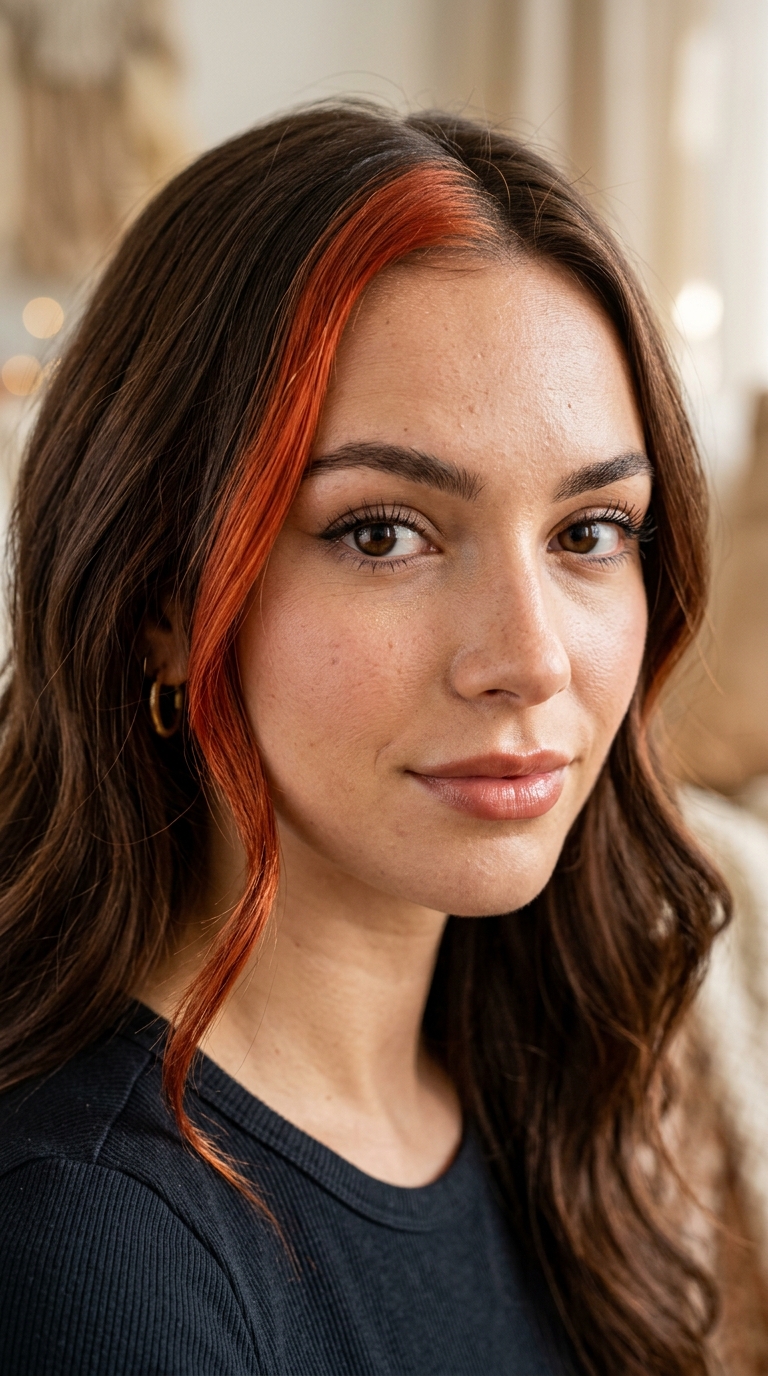
A full head of red can feel like a big commitment, so a lot of colorists start clients with just one piece. A copper money piece sits right at the front, framing the face without touching the rest of the hair.
The base stays a rich chocolate brown, which means grow out is minimal since only one section is lightened. It’s the version most colorists recommend for a first try at brown and red hair.
Flat chocolate brown with no dimension near the face.
A single copper money piece brightens the face while the rest of the hair stays low maintenance.
2. Auburn Balayage That Grows Out Without a Hard Line
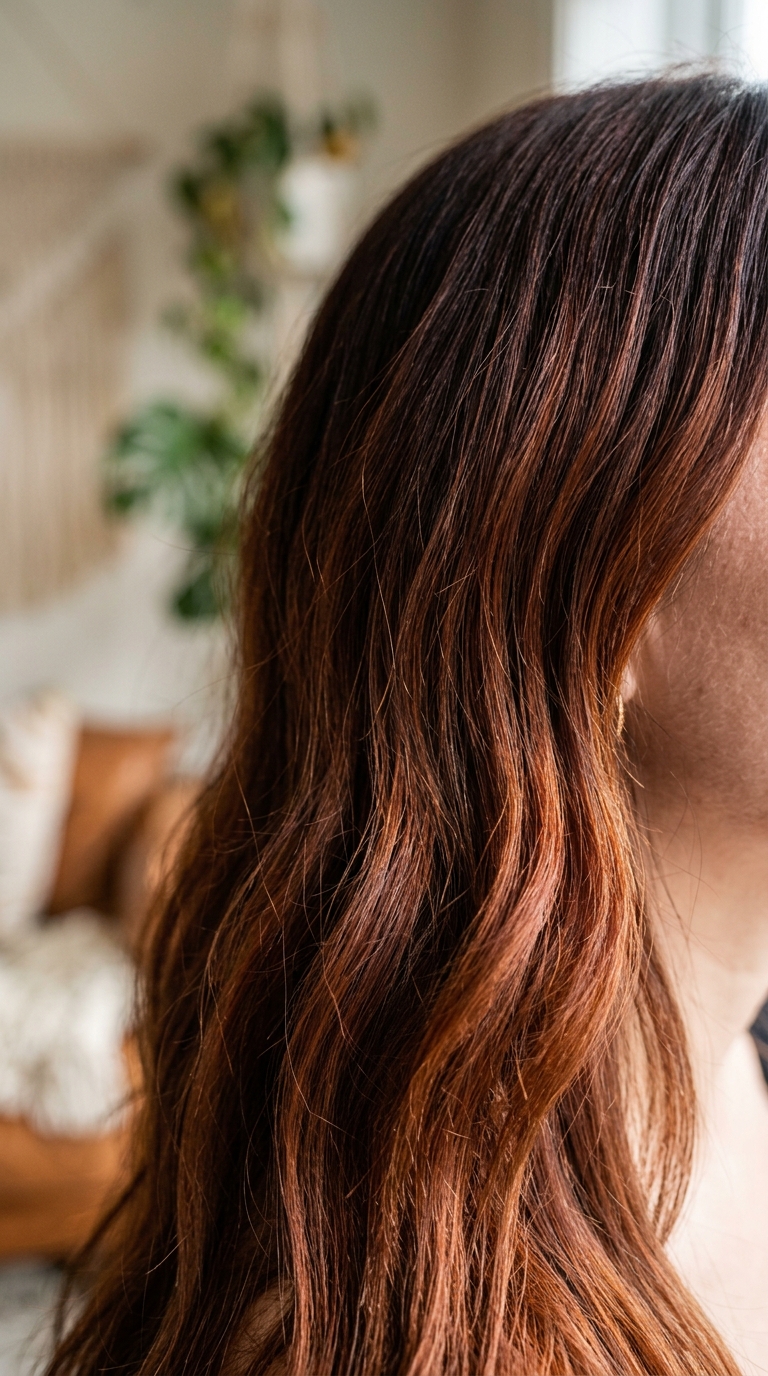
Here’s the honest problem with a lot of red hair color: it fades fast, and once it does, the regrowth line shows up hard against faded ends. Balayage sidesteps this because the color is hand painted instead of applied root to tip.
With auburn balayage, the darker roots blend into warm red-brown ends, so as it grows out, it just looks softer instead of two-toned. Ask for the paint to start a couple inches from the root for the most natural fade.
💡 Quick Tip
Ask your colorist to keep the balayage sections thin and vertical near the crown so the red doesn’t clump into one heavy stripe.
3. Mahogany Red Brown for Deep, Warm Skin Tones
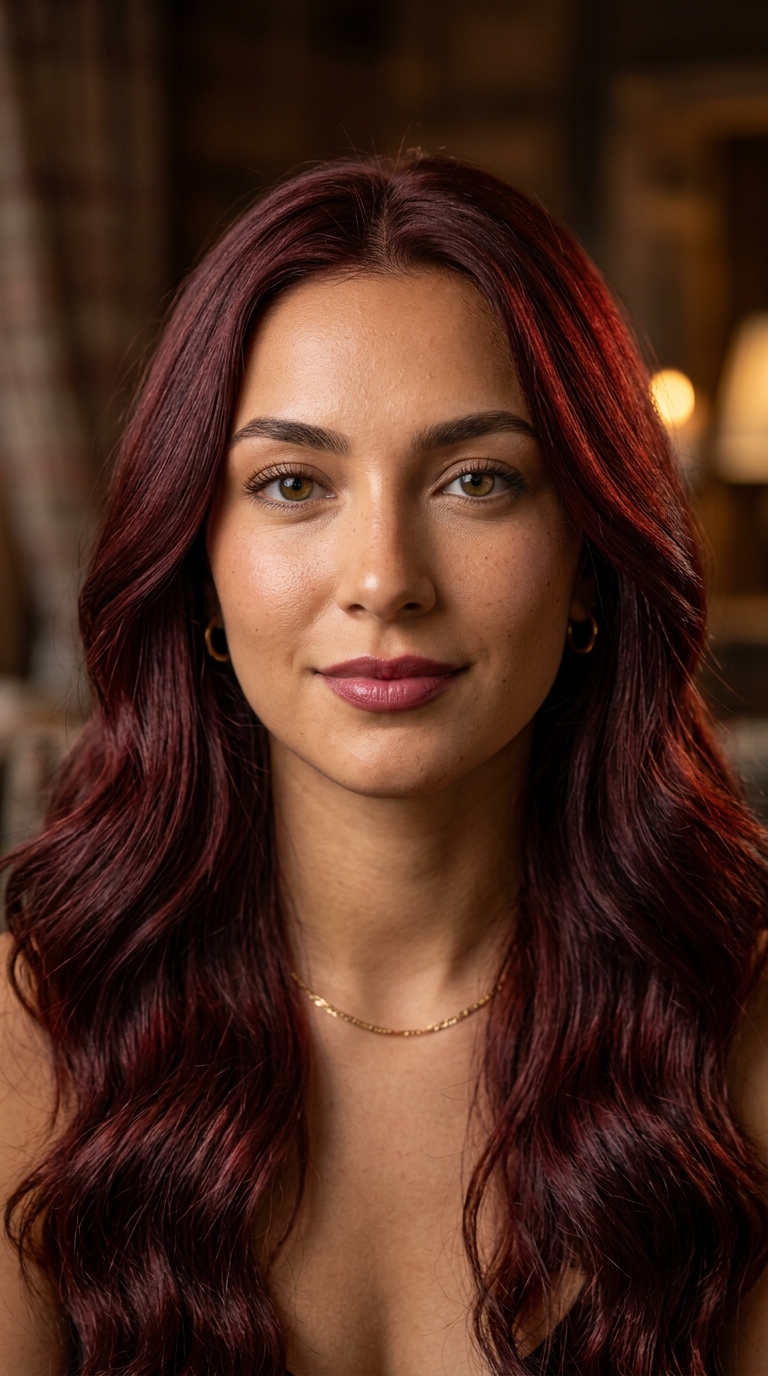
Mahogany sits between deep red and plum brown, and it tends to look especially rich against warm or olive undertones. This isn’t a color you layer in with highlights. It usually works best as a full, all-over shade with maybe a few face-framing pieces a shade lighter.
The upkeep is more about color depositing than lightening, since you’re building richness rather than lifting the hair.
4. Copper Red Highlights vs Balayage on Dark Brown Hair
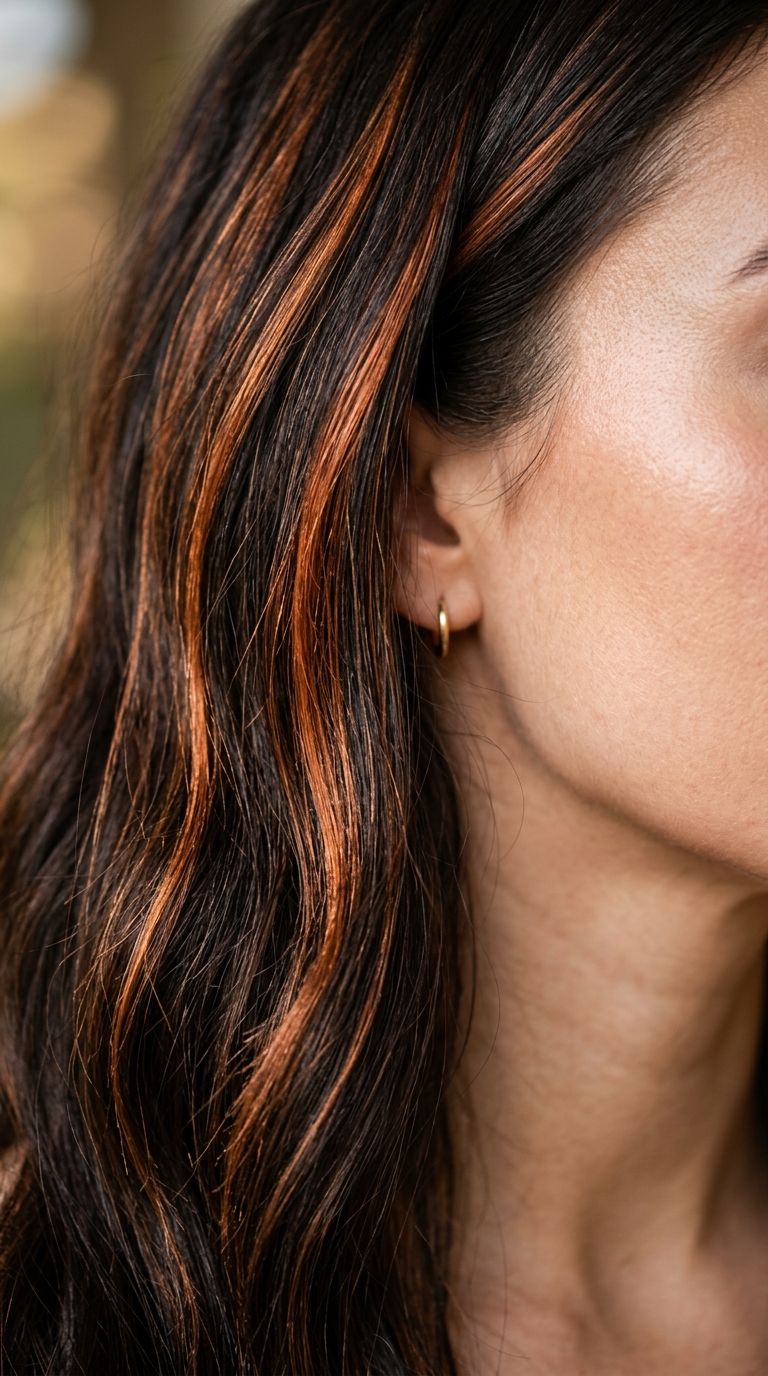
People ask for “copper highlights” and “copper balayage” like they’re the same request, but a colorist hears two different techniques. Foiled highlights give crisper, more visible copper strands. Balayage gives a softer, sun-kissed wash of color.
Which one fits depends on how bold you want the red to read and how often you’re willing to sit in the chair for touch ups.
| Foiled Highlights | Balayage |
|---|---|
| Crisp, defined copper strands | Soft, blended red glow |
| Regrowth line shows sooner | Grows out with almost no line |
| Touch ups every 6 to 8 weeks | Touch ups every 3 to 4 months |
5. Cinnamon Brown for a Soft Fall Transition

Cinnamon brown is the shade to ask for if you want warmth without anyone clocking it as “red hair” right away. It reads mostly brown in low light and picks up a spicy red-orange glow in the sun.
It’s one of the lower commitment options on this list since it’s close enough to natural brown that root touch ups aren’t urgent.
6. Deep Burgundy Brown for Bold, Low Maintenance Color
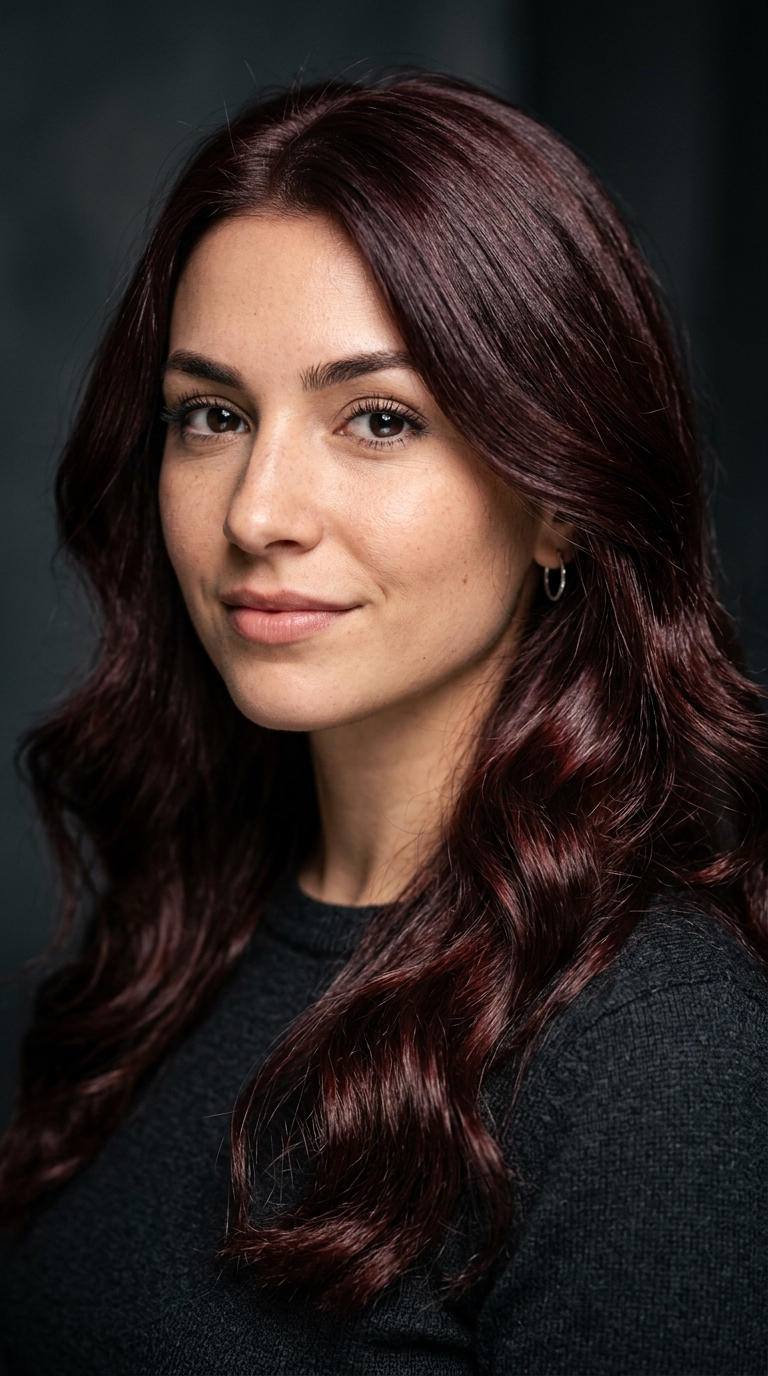
Not everyone wants soft. If you want people to notice the color from across the room, deep burgundy brown does that without needing lightener. It’s a deposit-only shade, which means it’s gentler on hair health than anything involving bleach.
Here’s what to have ready before your appointment so the color turns out the way you picture it.
Before your appointment
7. Mistakes That Turn Brown and Red Hair Brassy Fast
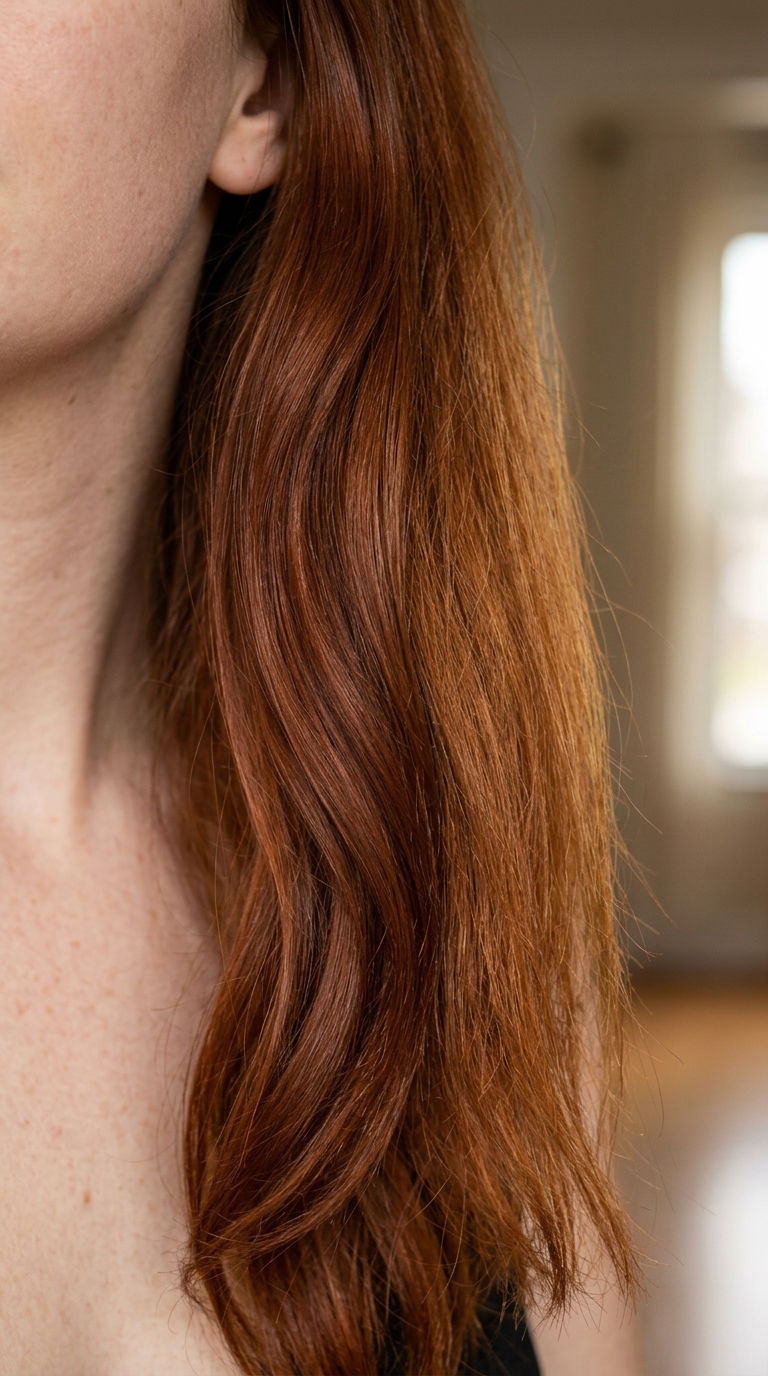
Red pigment fades faster than any other tone, and it doesn’t fade evenly. It usually goes orange first, then brassy, then dull. Most of that comes down to a few habits at home rather than the color itself.
Wash with cool or lukewarm water to slow fading.
Use a color depositing conditioner every couple washes.
Clarifying shampoo more than once a month.
Long, hot showers right after your color appointment.
8. Root Touch Up Tricks Between Salon Visits
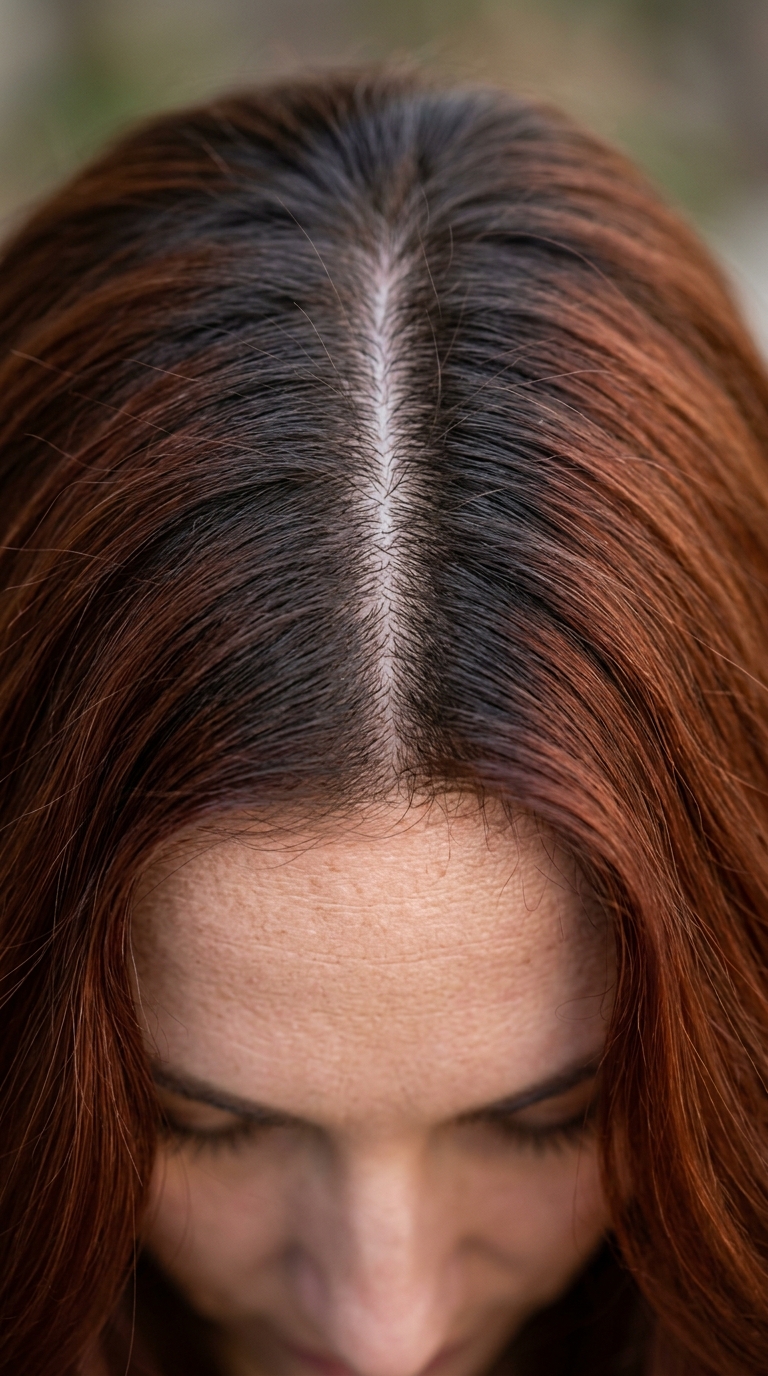
Brown and red hair with any lightened pieces will show roots faster than solid brown. A few small habits stretch the time between salon visits without anyone noticing the grow out.
- Use a root powder that matches your base brown, not the red tones, since roots read darker.
- Part your hair slightly off center so new growth blends into the shadow line instead of sitting front and center.
- Ask your colorist for a root shadow at your last visit so the transition is already soft going into regrowth.
9. Terracotta Red Brown for Cool Weather Transitions

Terracotta sits right between orange and brown, which makes it one of the easier reds to wear once summer fades. It looks intentional rather than like faded red hair, since the tone is built to sit warm and earthy from the start.
Terracotta reads as intentional color instead of faded red, which is why it works so well through fall and winter.
10. Multi-Tonal Brown and Red Hair for Fine, Flat Hair
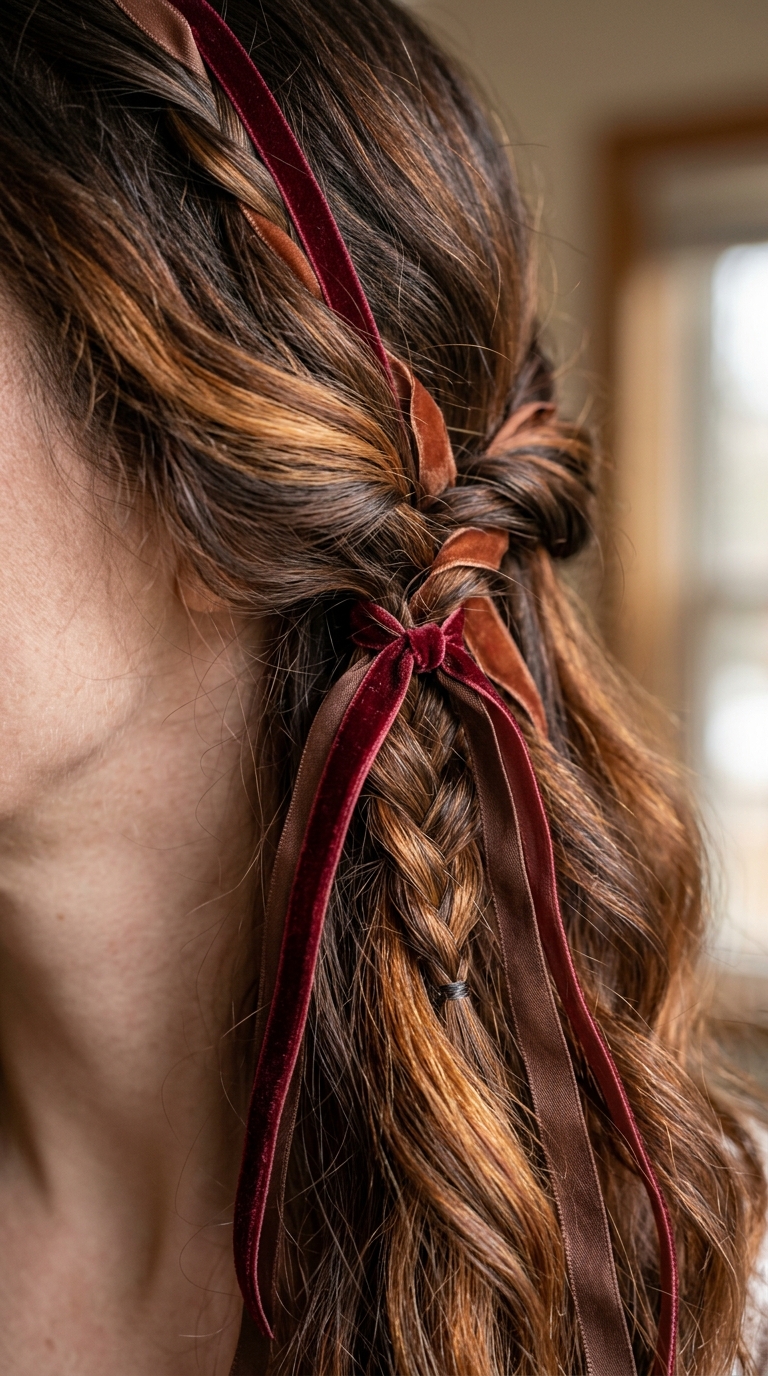
Fine hair tends to look flat under one solid color. Multi-tonal brown and red hair fixes this by weaving two or three shades through the hair so light catches differently at every layer, which reads as thickness even when the hair itself hasn’t changed.
- Start with a base one shade deeper than your natural color to anchor the look.
- Add red-brown ribbons through the mid-lengths, avoiding the root for a softer transition.
- Finish with a gloss that unifies the tones so nothing looks stripe-y.
Frequently Asked Questions
Does brown and red hair color work on dark hair without bleach?
Yes, in most cases. Deposit-only shades like mahogany or deep burgundy add red tones directly onto dark hair without any lightening. Bleach is really only needed if you want brighter copper or auburn pieces that show up clearly against dark brown.
How long does red hair color actually last before fading?
Red pigment molecules are larger than most other tones, so they wash out faster than brown or blonde color. Expect noticeable fading within four to six weeks without color-safe care, and closer to two to three months with cool water washes and a color depositing conditioner.
Will brown and red hair color wash out or fade to a weird color?
It usually fades to a warm, slightly muted version of itself rather than shifting into something unexpected, as long as the base color was mixed well. The exception is red on previously lightened hair, which can fade toward orange or peach if the underlying tone wasn’t neutralized first.
What’s the difference between auburn and copper hair?
Auburn leans more brown-red, closer to a rich reddish brown. Copper leans more orange-red, brighter and warmer. Both fall under the brown and red hair family, but they photograph and fade differently, so it’s worth bringing a clear reference photo either way.
Can I do brown and red hair color at home?
Small touch-ups like a root powder or a color depositing gloss are reasonable to do at home. Full color changes, balayage, or anything involving lightening are harder to get even without professional tools, and red is one of the trickier tones to self-correct if it turns out uneven.
Which skin tones suit brown and red hair the most?
Warm and olive undertones tend to look especially rich with mahogany, copper, or terracotta shades. Cooler undertones aren’t excluded, but they often look more balanced with deeper, less orange-leaning reds like burgundy or auburn.
How often do I need root touch ups with red hair?
For solid, deposit-only red-brown shades, every six to eight weeks keeps roots from becoming obvious. For balayage or money piece styles, touch ups can stretch to every three to four months since the technique is designed to grow out softly.
Conclusion
Brown and red hair works best when you pick the version that matches how much upkeep you actually want, not just the photo you saved. A money piece or balayage keeps things low maintenance, while a full mahogany or burgundy shade delivers more impact for those ready for regular touch ups. Whichever you choose, the color holds up best with cool water washes and the right home care. Save this list for your next salon visit so you know exactly what to ask for.
Save this for later so you have it ready when you book your next color appointment.