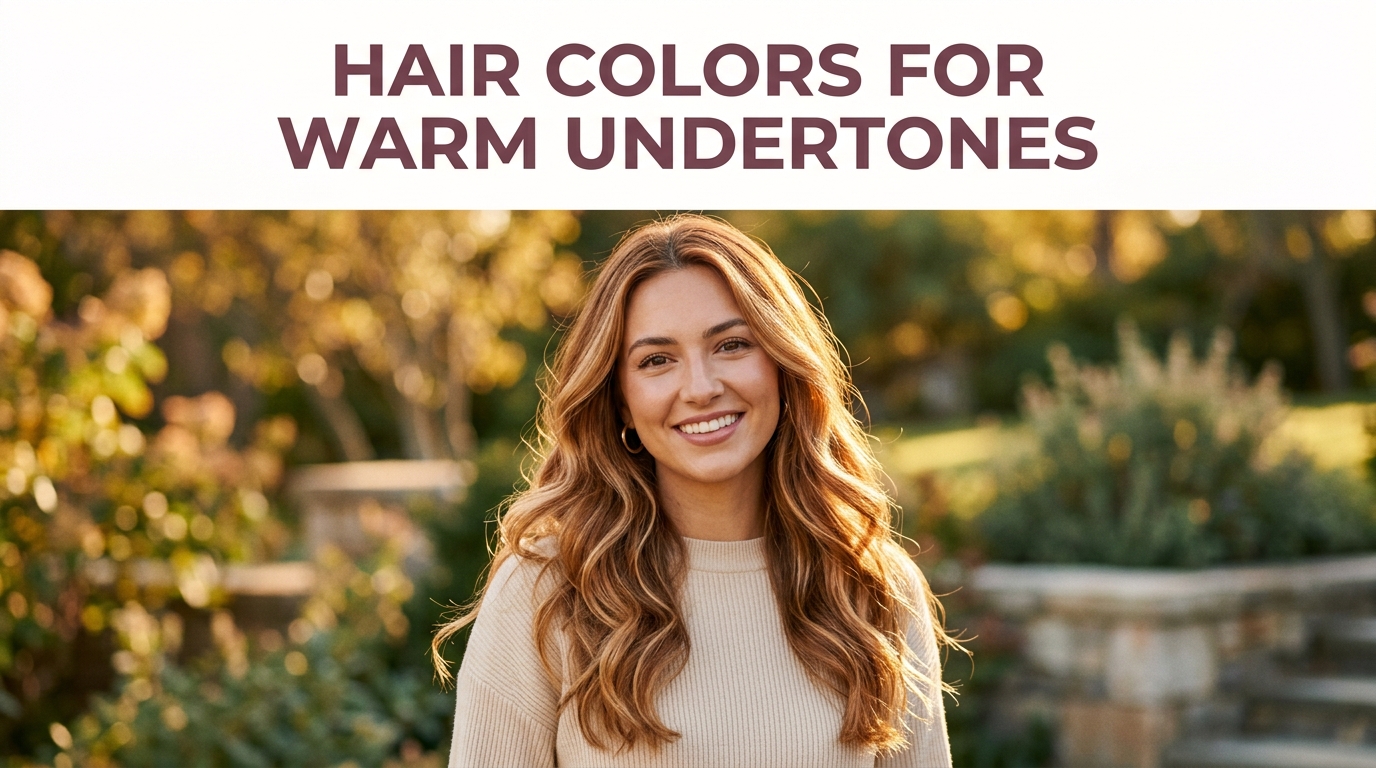
8 Hair Colors for Warm Undertones That Actually Look Right on You
Your last hair color looked amazing on Pinterest and flat in your bathroom mirror. That gap usually comes down to one thing: undertone, not trend. A shade that reads gorgeous on someone with cool, pink undertones can turn your skin sallow or make your hair look muddy if your undertone leans warm.
Most color guides skip this part. They hand you a list of trending shades without ever checking whether those shades were built for your skin’s warmth. If you’ve left the salon feeling like the color is fighting your face instead of working with it, that’s usually why.
The good news is that hair colors for warm undertones aren’t a small, boring category. There’s real range here, from honey blondes to deep chestnut reds, and once you know which direction to lean, choosing gets a lot easier.
Below are eight shades and techniques worth showing your colorist, plus a few that quietly work against you.
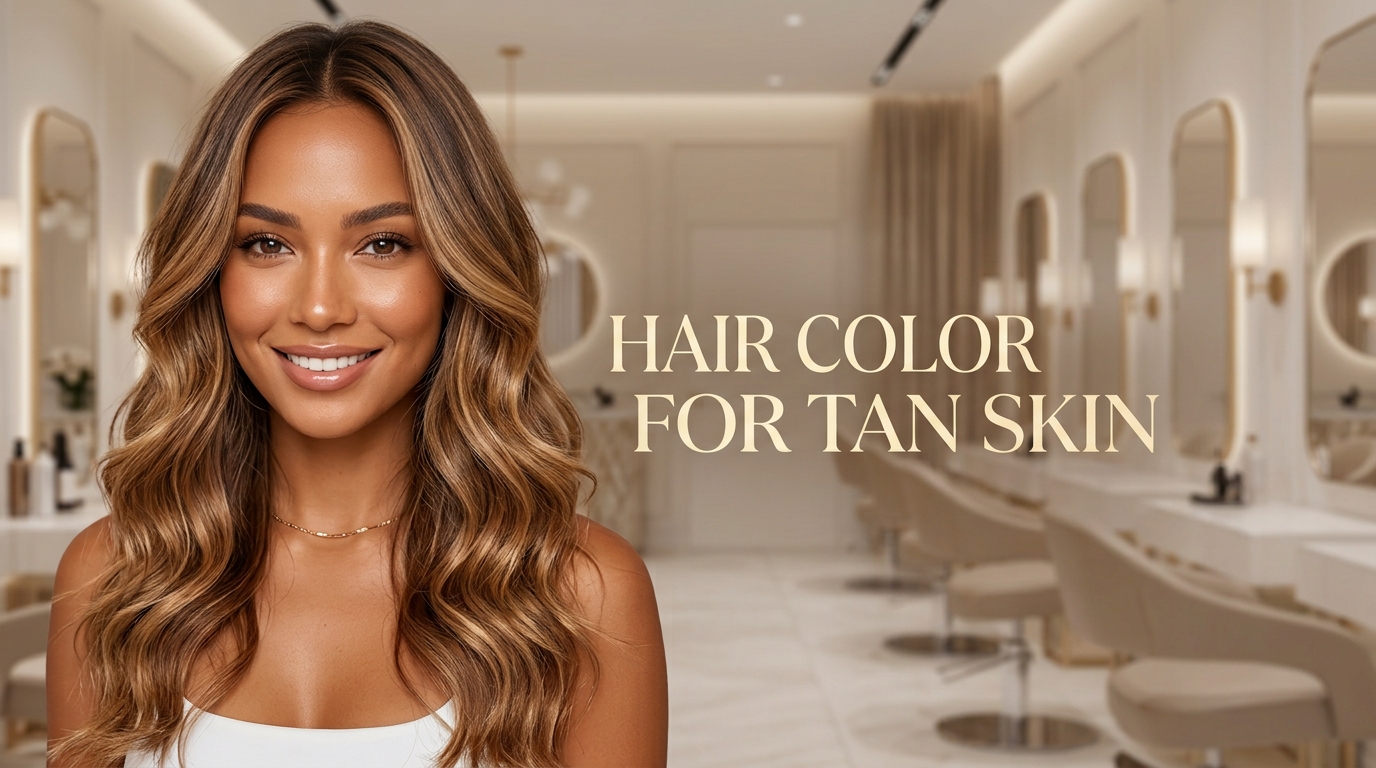
1. Honey Blonde Balayage Warms Up Without Looking Brassy
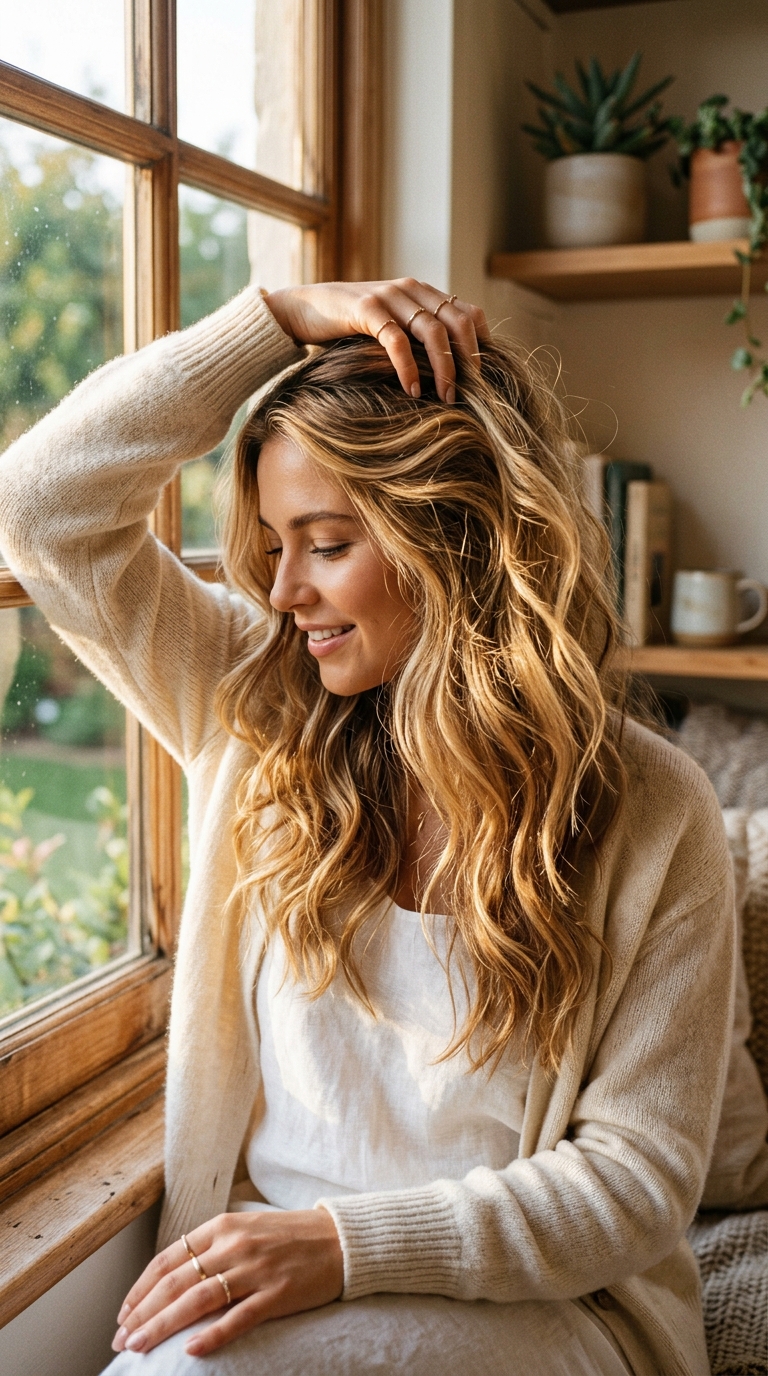
Honey blonde balayage skips the harsh, all-over blonde that can wash out warm skin.
Because the color is hand-painted in soft, uneven strokes instead of applied as a solid dye job, the ends look sun-lightened rather than chemically bleached. Golden and amber tones sit close to your natural warmth, so the result reads glowy instead of orange.
Ask your colorist for:
- Money-piece framing around the face
- A warm golden toner, not ash
- A soft root shadow to stretch the grow-out
2. Copper vs Auburn: Which Shade Actually Suits Warm Skin
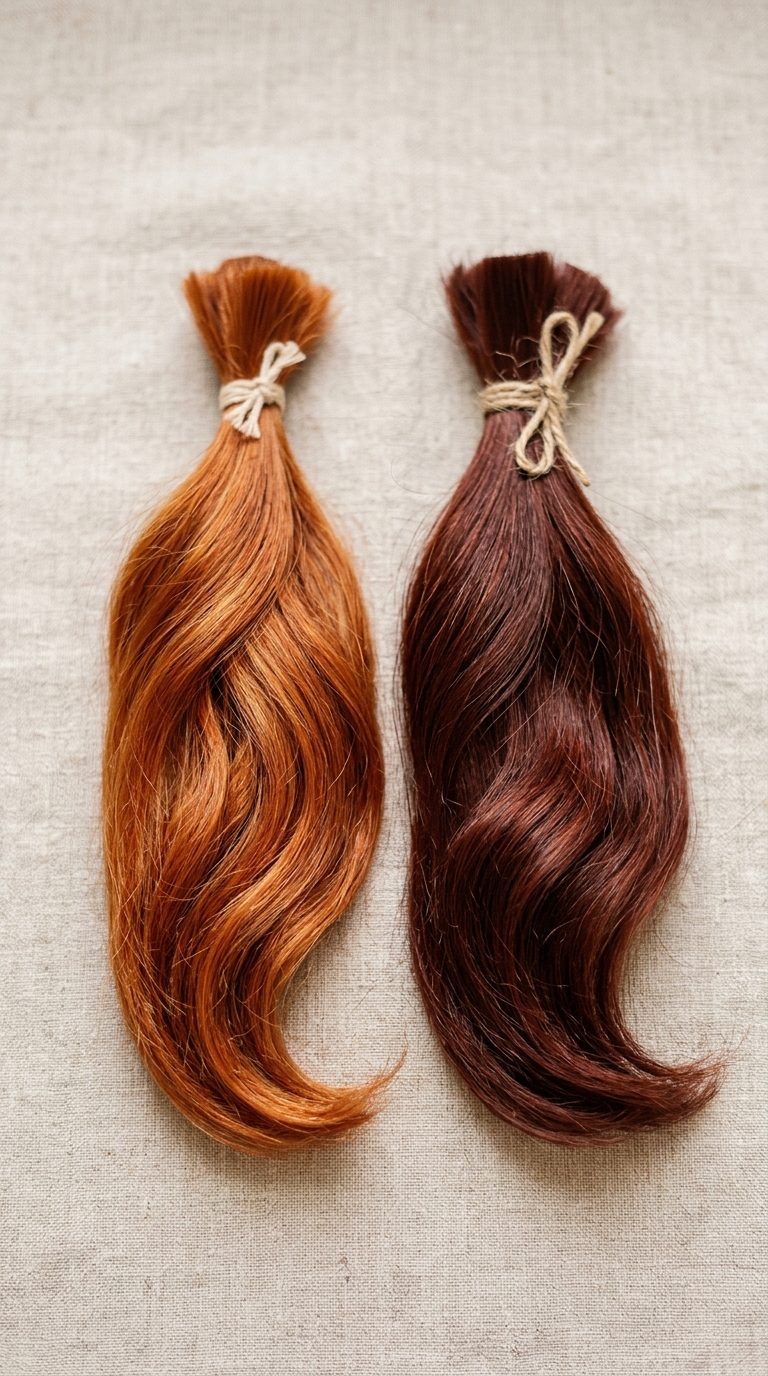
Copper and auburn get lumped together, but they behave differently on warm undertones. Copper is brighter and more orange-red, so it tends to suit fairer warm skin best. Auburn sits deeper, mixing red with brown, and usually reads more natural on medium to deeper warm skin. Neither one is the “safe” choice. The right pick depends on how much brightness you actually want people to notice.
| Copper | Auburn |
|---|---|
| Bright, orange-red, high shine | Deeper red-brown, more subtle |
| Best on fair to medium warm skin | Best on medium to deep warm skin |
| Fades toward strawberry blonde | Fades toward soft warm brown |
3. Three Quick Ways to Check If Your Undertone Is Really Warm
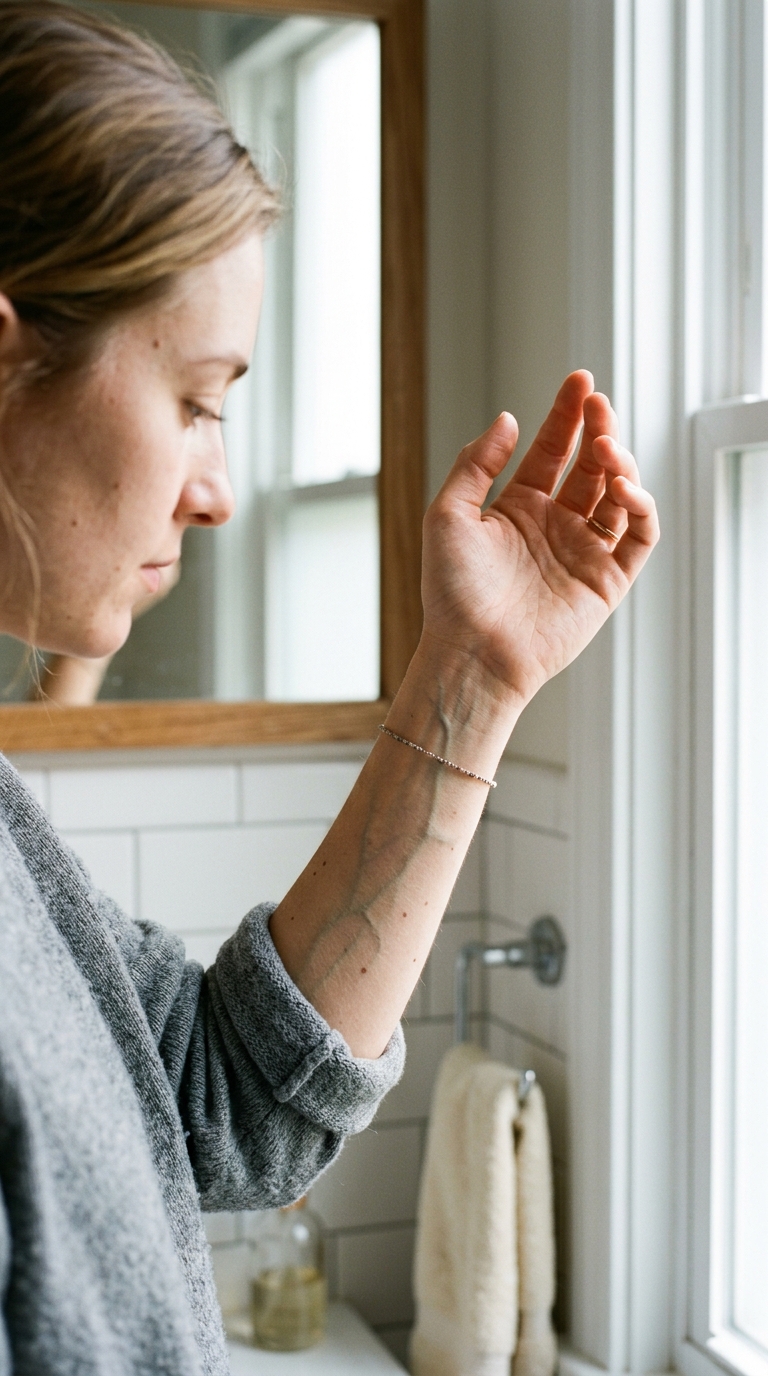
Not sure if your undertone is actually warm, or if you’ve just been guessing based on a trend you liked? A few quick checks at home settle it faster than any color quiz. None of them need special tools, just decent daylight and a few minutes.
Check the veins on your wrist in natural light. Greenish veins usually point to a warm undertone.
Notice which jewelry flatters you more. Gold looking better than silver is a common warm sign.
Think about how your skin reacts to sun. Warm undertones tend to tan more easily than burn.
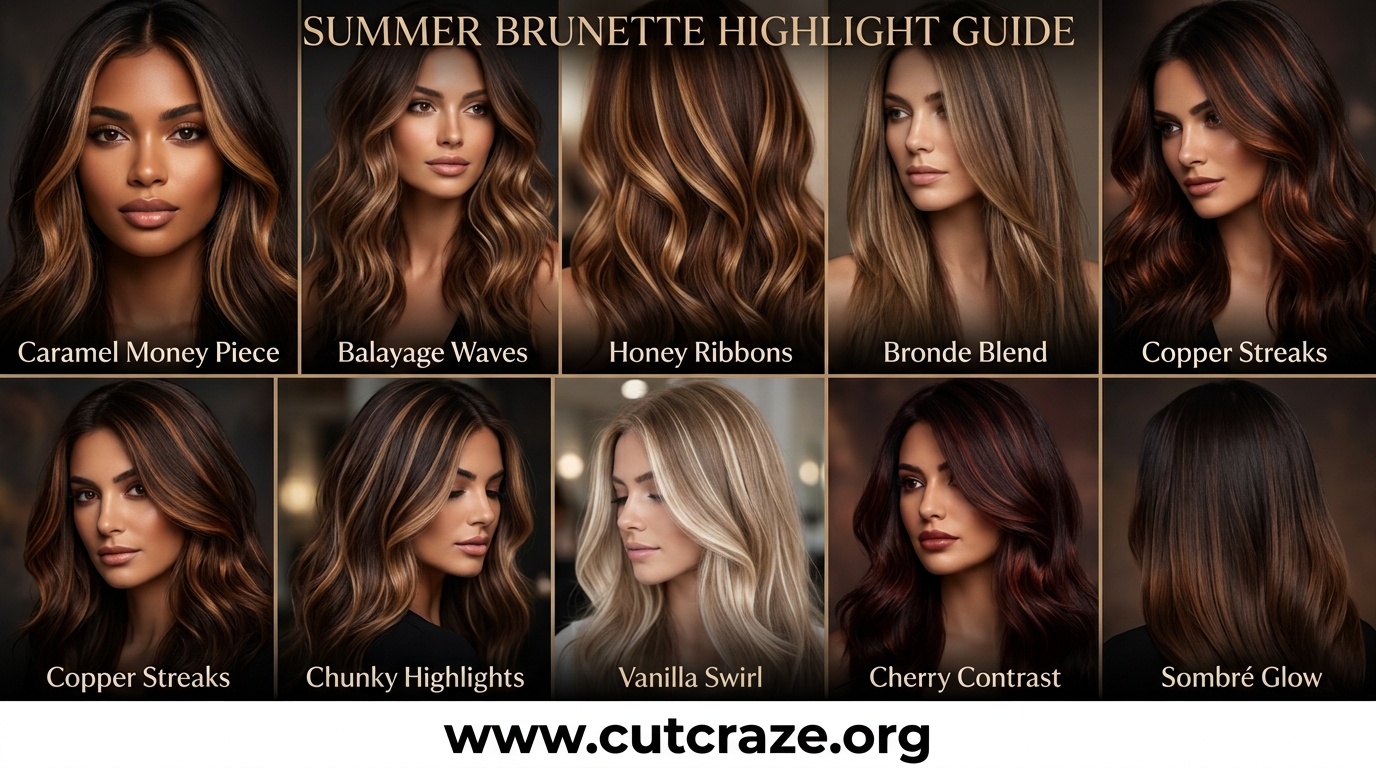
4. Caramel Highlights Turn Flat Brown Into Something Warmer

Caramel highlights do something flat, single-process brown color can’t do on its own. Instead of one dense color, you get thin ribbons of warm gold-brown woven through your natural base. Light catches those pieces differently than it catches solid color, so hair looks less heavy and less obviously dyed. It’s a low-drama update for anyone who wants warmth without committing to a full color change.
Flat, single-process brown that looks heavy by week three.
Dimensional caramel pieces that catch light and soften regrowth lines.
5. The Ashy Colors That Fight Your Warm Undertone Instead of
Flattering It
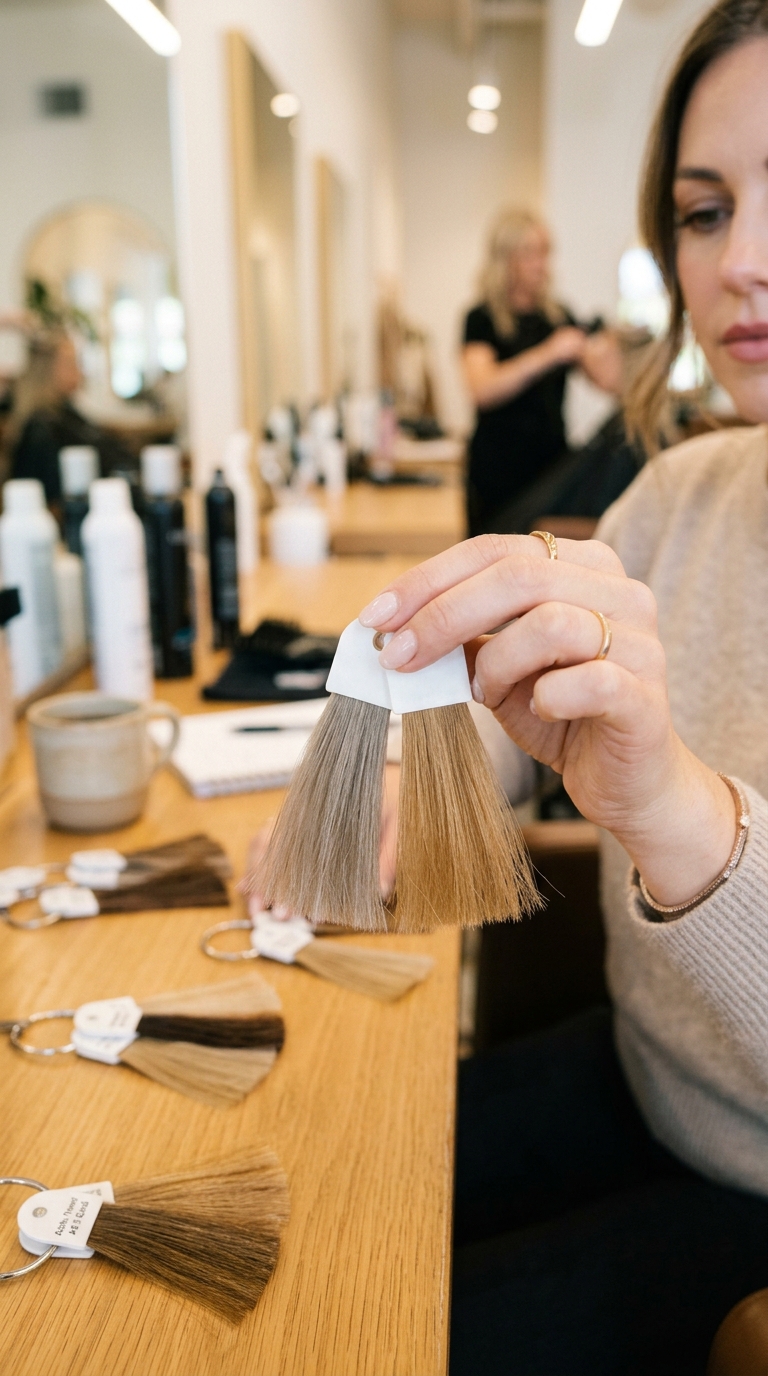
Some of the most common hair color mistakes come from copying trends that were built for cool undertones. Ash brown, icy blonde, and platinum without warm pigment underneath tend to pull the wrong direction on warm skin, leaving it looking tired instead of fresh. This doesn’t mean cool tones are off limits forever. It just means they usually need a warm base underneath to balance out on you.
Ask for warm-based toners like gold, copper, or honey.
Test a swatch against your jawline before committing.
Cool ash brown or platinum ash blonde with no warm pigment.
Silver or icy toners layered straight over warm natural hair.
6. Golden Brown Is the Safest First Color Change for Warm Undertones
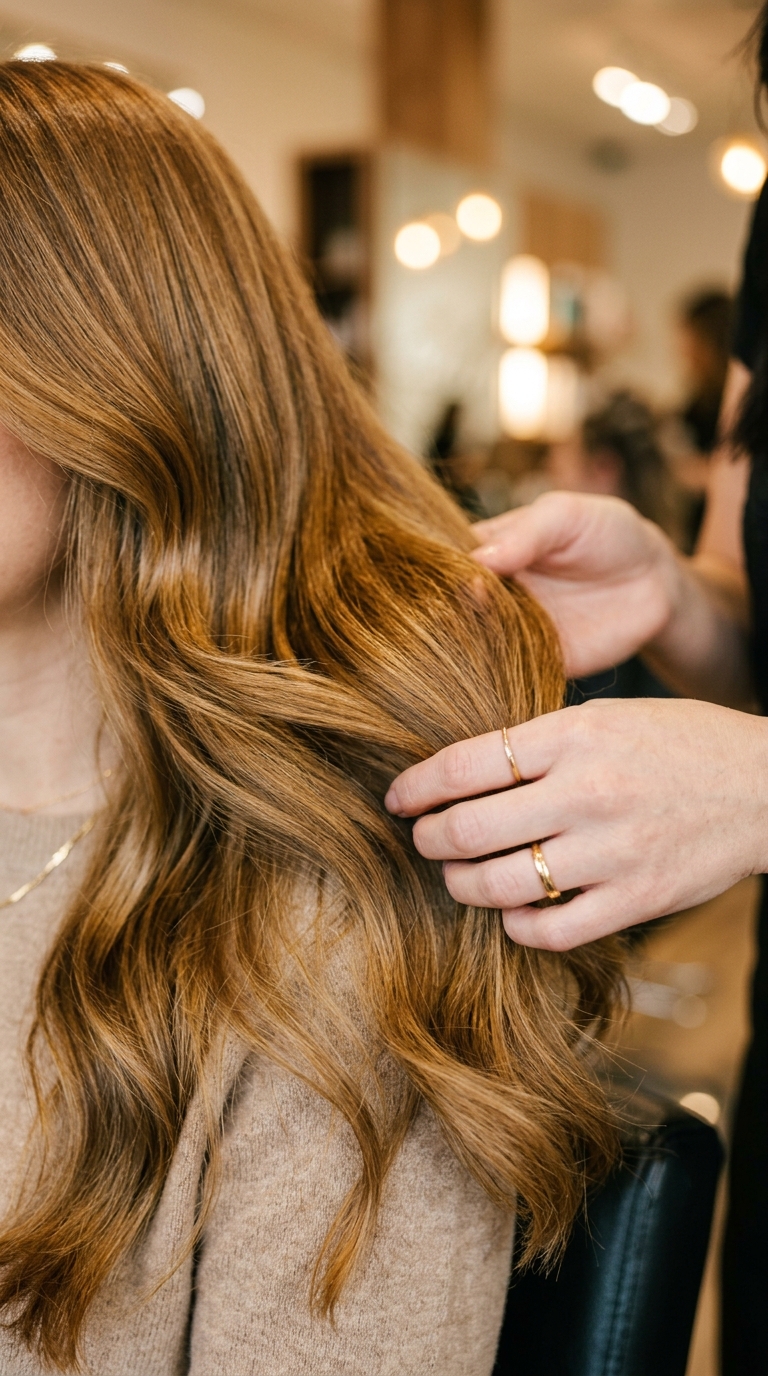
If you’ve never colored your hair before and don’t want a dramatic shift, golden brown is the easiest place to start.
💡 Quick Tip
Ask your colorist for one shade warmer than your natural base, not two or three. It reads as healthy hair, not a new color, which makes it easy to reverse if you don’t love it.
It blends close enough to most natural bases that regrowth barely shows, so you can go three or four months between salon visits without the roots announcing themselves.
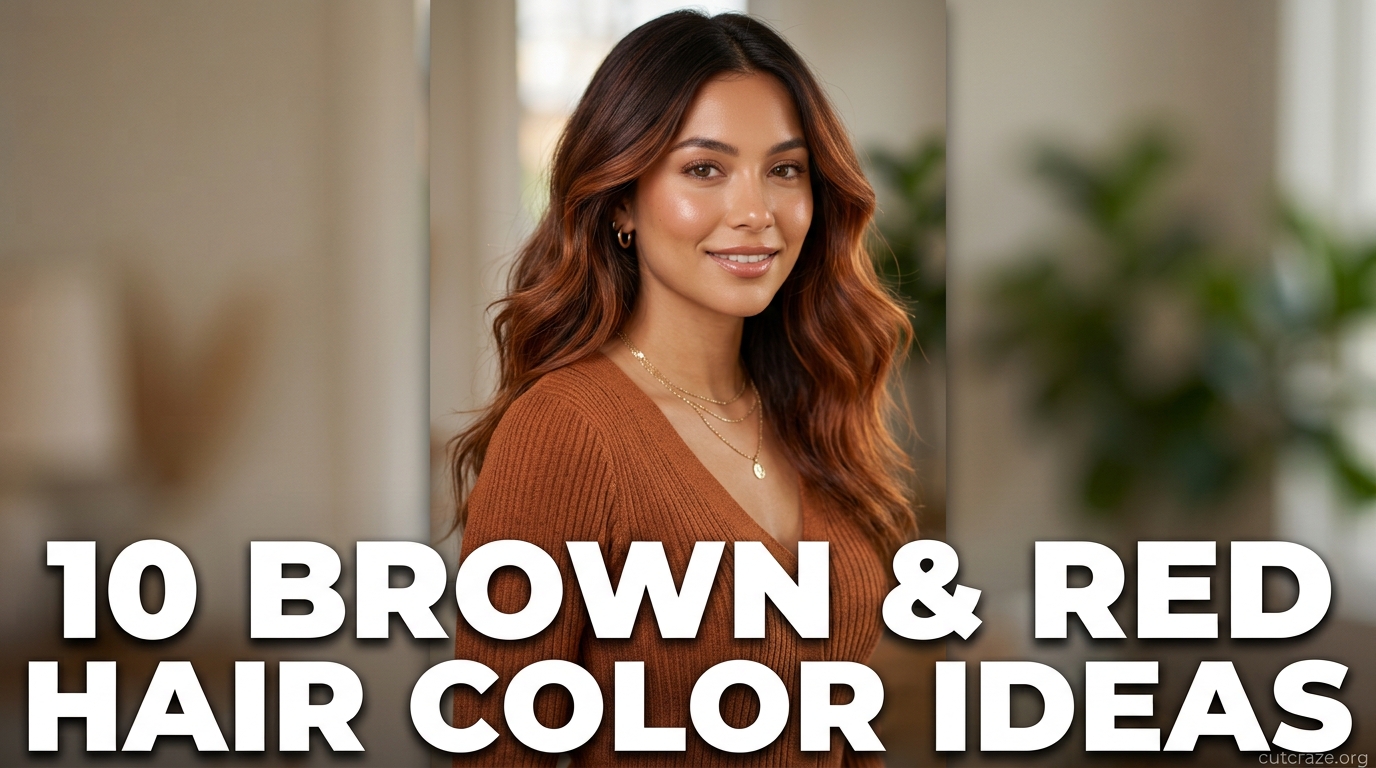
7. Cinnamon and Chestnut Reds That Read Rich, Not Orange
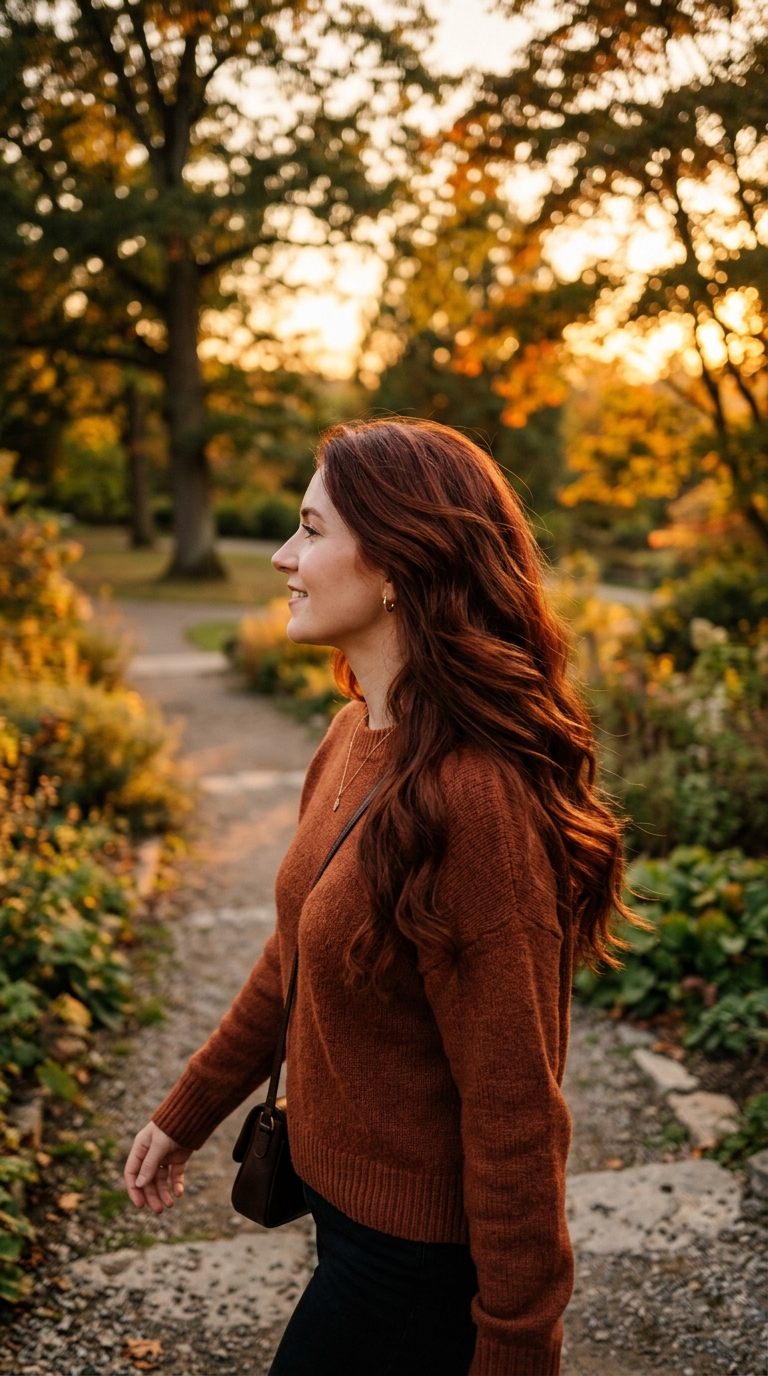
People avoid red because they’re picturing the wrong red. Cinnamon and chestnut aren’t fire-engine or cartoon-orange. They’re deep, food-toned shades that sit closer to brown than to red, which is exactly why they work on warm undertones instead of clashing with them.
Best for anyone who wants red without spending every week explaining their hair color to strangers.
8. Butterscotch Highlights Work Even on Dark Brown Hair
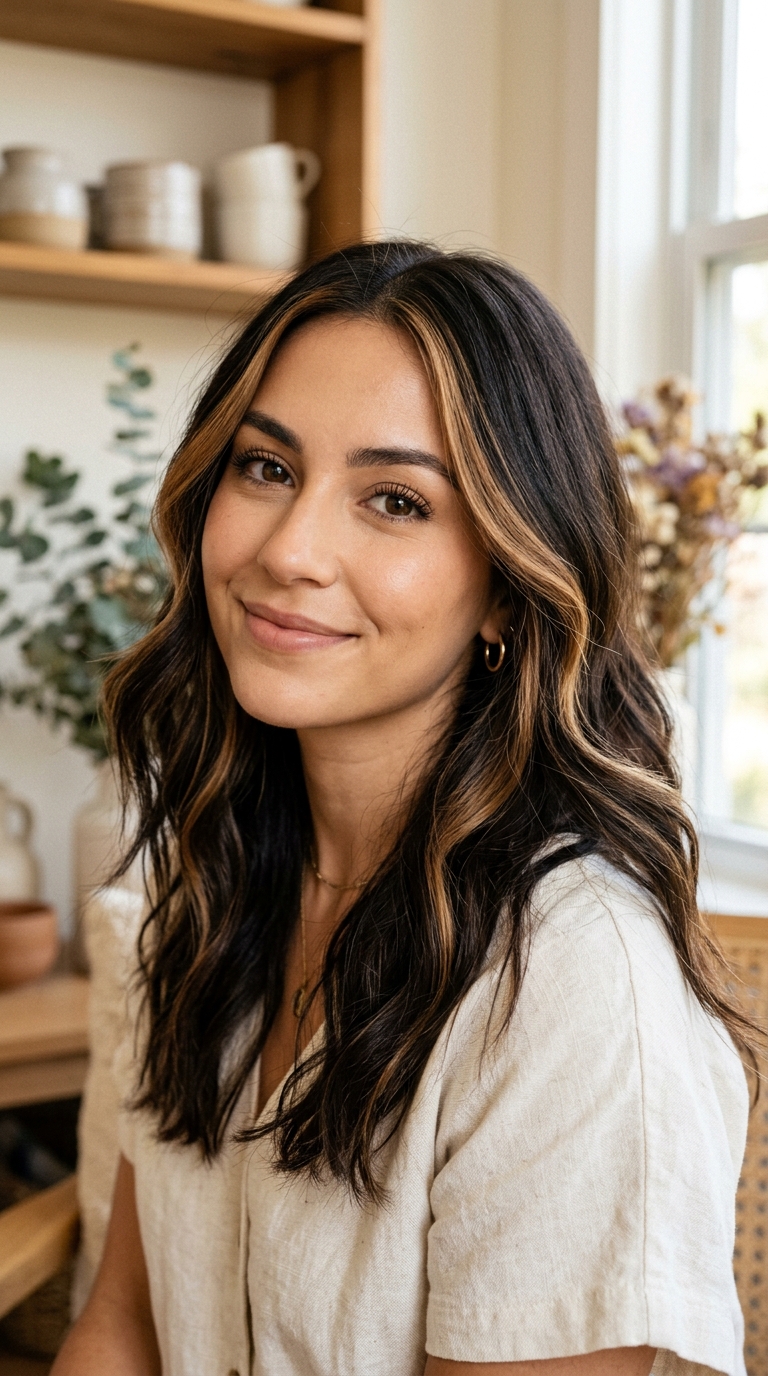
Butterscotch highlights get overlooked because people assume warm highlights only work on lighter bases. On dark brown hair, they actually do more, since the contrast between the deep base and the warm gold pieces is what makes the color look intentional instead of like regrowth.
Before your appointment
Works especially well for anyone who wants a change that still looks like their own hair.
Frequently Asked Questions About Hair Colors for Warm Undertones
A few things come up again and again once people start narrowing down their shade.
❓ Can I still go blonde with a warm undertone?
Yes. Honey, caramel, and golden blondes work well. The key is avoiding ash or platinum tones that strip out warmth instead of adding to it.
❓ How do I know if a red will turn orange on me?
Deeper, brown-based reds like chestnut or cinnamon fade more gracefully than bright coppery reds, which can shift orange as they wash out.
❓ Is box dye a bad idea for warm undertones?
It’s riskier, mainly because box dye can’t be custom-mixed the way a colorist mixes toner. A professional consult is worth it before a big color change.
❓ Do warm hair colors fade faster than cool ones?
Warm tones like copper and gold do tend to fade quicker than cooler shades, mostly because red and orange pigment molecules are smaller. A color-safe shampoo slows this down.
❓ What if my undertone is neutral, not clearly warm?
Neutral undertones have more flexibility. You can lean into any of these shades, or mix warm and cool tones like caramel with a soft ash root, without either fighting your skin.
Conclusion
Warm undertones aren’t a limitation, they’re just a filter that tells you which direction to lean. Once you know that, honey blondes, coppers, chestnuts, and golden browns all become real options instead of guesswork. The shades above give you a starting point, whether you want a subtle shift with caramel highlights or a bigger change with cinnamon red.
The next time you’re scrolling color inspiration, check the undertone before you check the trend. It’s the difference between a color that photographs well on someone else and one that actually looks right on you.
Save this list of hair colors for warm undertones for your next salon appointment.